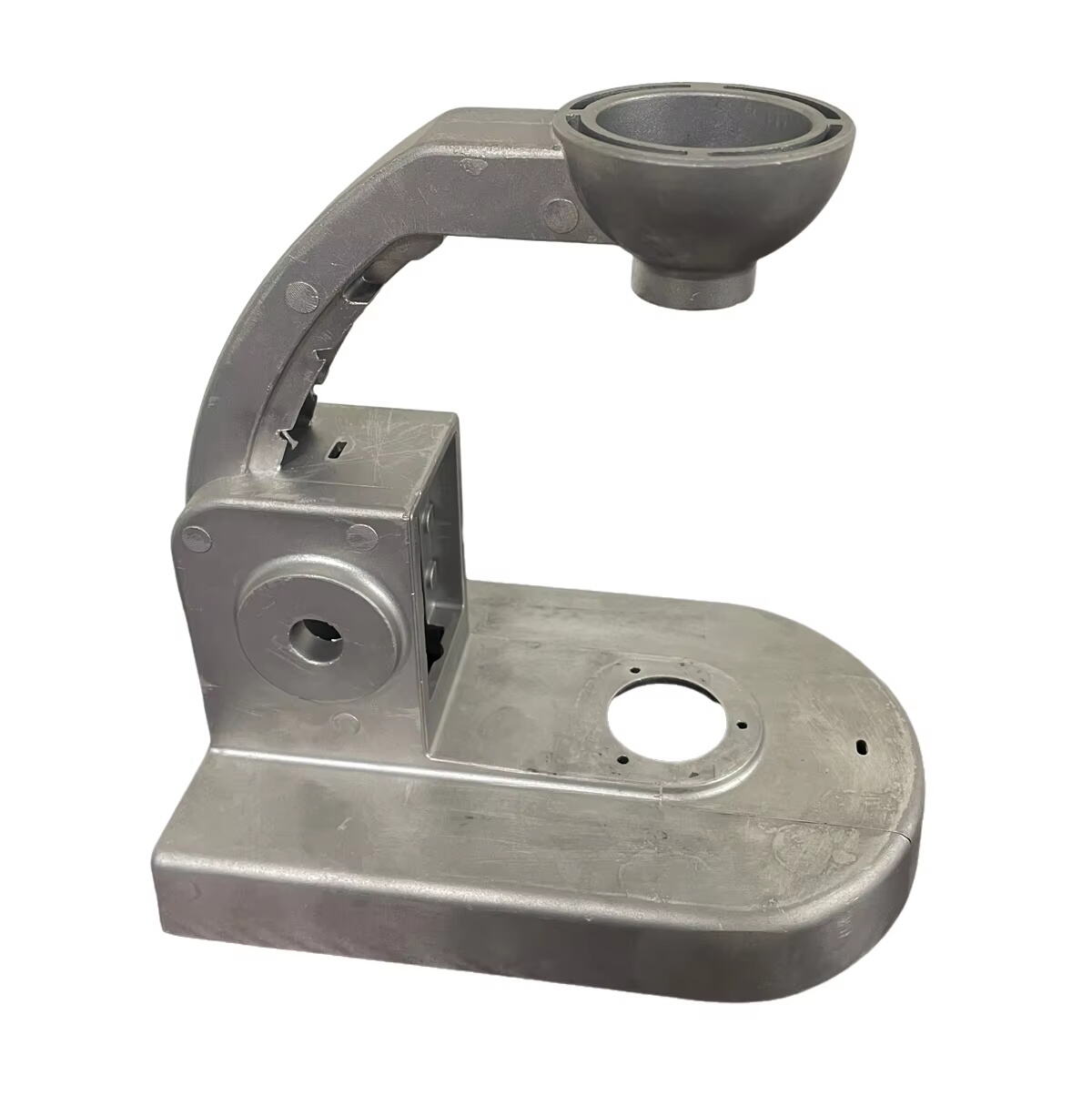
stamping process
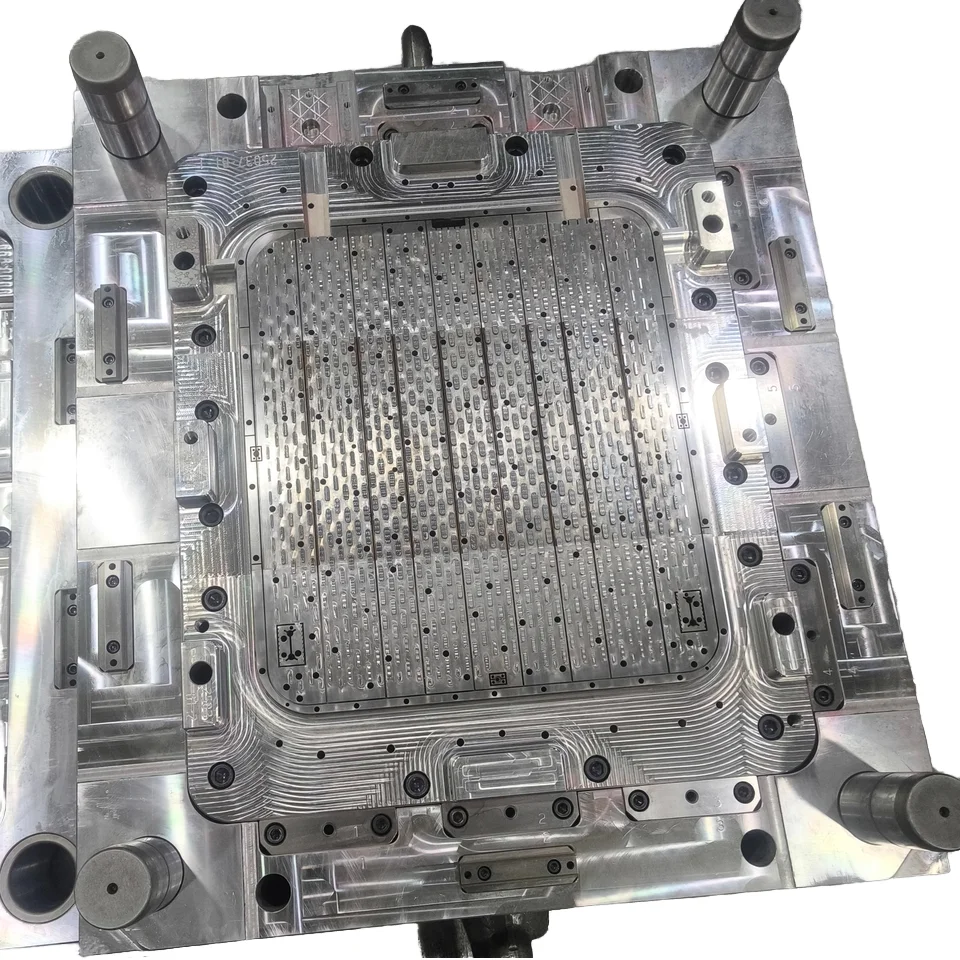
The stamping process is a sophisticated manufacturing technique that transforms flat sheet metal into specific shapes through controlled mechanical forces. This versatile method involves using specialized tools and dies to create precise components through various operations including blanking, piercing, forming, and drawing. Modern stamping processes incorporate advanced automation systems and computer-controlled precision, enabling manufacturers to produce complex parts with exceptional accuracy and consistency. The process begins with material selection, typically involving metal sheets that are fed into stamping presses. These presses can range from simple mechanical systems to sophisticated hydraulic or servo-electric machines capable of generating forces from a few tons to several thousand tons. The process is particularly valuable in high-volume production scenarios, where consistent quality and rapid throughput are essential. Industries ranging from automotive and aerospace to electronics and consumer goods rely on stamping for producing components such as body panels, brackets, enclosures, and intricate electronic parts. The technology continues to evolve with innovations in tool design, material handling, and process monitoring, making it increasingly efficient and cost-effective for modern manufacturing requirements.

 EN
EN