
 EN
EN



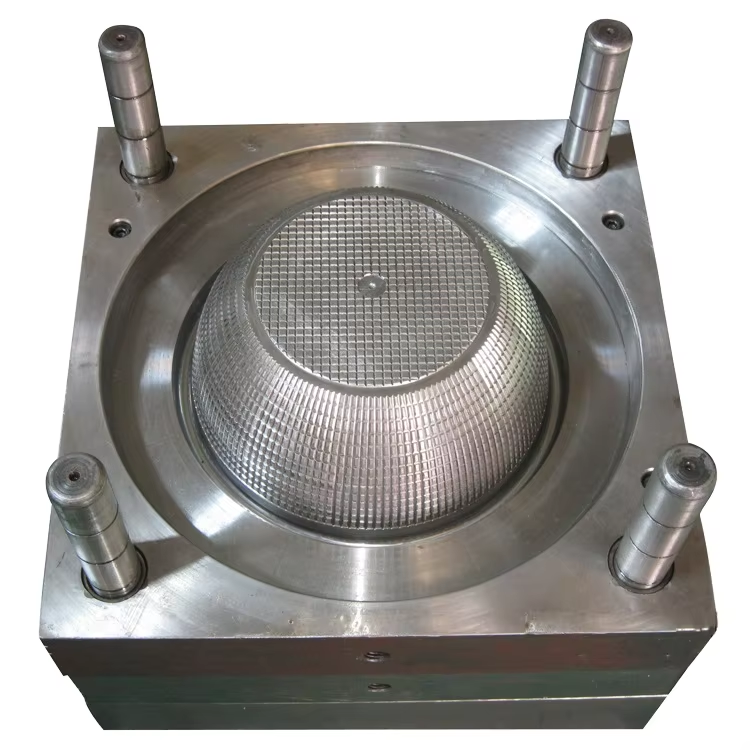
Understanding the Power of Injection Molding Technology
Modern manufacturing demands precision, efficiency, and scalability - qualities that injection mold technology delivers in abundance. This sophisticated manufacturing process has revolutionized how we create complex plastic components, offering unparalleled versatility in product design and production. From automotive parts to medical devices, injection molding has become the backbone of contemporary manufacturing, enabling businesses to bring intricate product designs to life with remarkable accuracy.
The injection mold process involves injecting molten material into a precisely engineered mold cavity under high pressure. As the material cools and solidifies, it takes on the exact shape of the mold, producing consistent, high-quality parts. This technological marvel has transformed the manufacturing landscape, making it possible to create everything from microscopic medical components to large automotive panels with exceptional precision.
Benefits of Injection Molding for Complex Designs
Superior Design Flexibility and Detail
When it comes to creating complex product designs, injection mold technology stands out for its remarkable ability to capture intricate details. The process allows for the production of parts with sophisticated geometries, thin walls, and complex internal structures that would be impossible to achieve through other manufacturing methods. Engineers can incorporate various design elements such as snap-fits, living hinges, and textured surfaces directly into the molded parts, reducing the need for secondary operations.
The versatility of injection molding extends to material selection as well. Manufacturers can choose from a wide range of thermoplastics and thermosetting polymers, each offering unique properties to meet specific product requirements. This flexibility in material choice enables the creation of parts with varying degrees of strength, flexibility, heat resistance, and chemical compatibility.
Cost-Effective Mass Production
While the initial investment in injection mold tooling may be substantial, the process becomes increasingly cost-effective as production volumes rise. The automation capabilities of modern injection molding machines result in shorter cycle times, reduced labor costs, and minimal material waste. For complex designs produced in large quantities, the per-unit cost becomes remarkably competitive compared to other manufacturing methods.
The efficiency of injection molding extends beyond just production costs. The process requires minimal post-production finishing, as parts emerge from the mold with their final surface finish and color. This elimination of secondary operations further reduces overall manufacturing costs and accelerates time-to-market for new products.
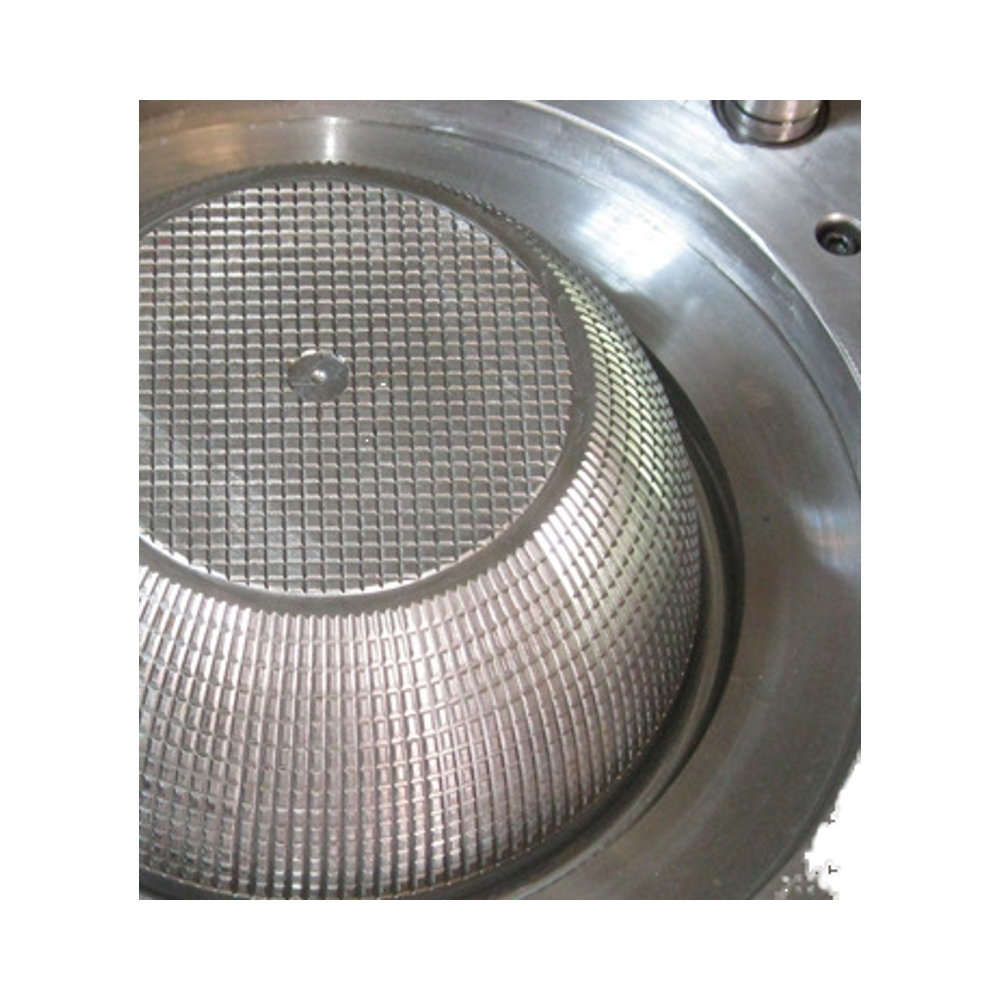
Advanced Features of Modern Injection Molding
Precision Engineering and Quality Control
Modern injection mold technology incorporates sophisticated control systems that ensure exceptional consistency and quality in every production run. Advanced sensors monitor crucial parameters such as pressure, temperature, and flow rates in real-time, allowing for precise adjustments during the molding process. This level of control results in parts with tight tolerances and superior surface finish, meeting the most demanding quality standards.
Quality assurance is further enhanced through computer-aided design (CAD) and simulation software, which enables manufacturers to optimize mold designs and process parameters before production begins. These tools help identify potential issues such as warping, shrinkage, or air traps, allowing for preemptive solutions that save time and resources.
Sustainable Manufacturing Practices
The injection mold industry has made significant strides in environmental sustainability. Modern machines are more energy-efficient than ever, and the ability to recycle and reuse materials has greatly reduced waste. Advanced process controls minimize scrap rates, while the use of bio-based and recycled materials opens new possibilities for eco-friendly production.
Manufacturers are increasingly adopting closed-loop systems that recover and reuse processing materials, reducing both environmental impact and production costs. The precision of injection molding also means less material waste compared to subtractive manufacturing methods, making it an environmentally responsible choice for complex product designs.
Industry Applications and Future Trends
Expanding Market Opportunities
The versatility of injection mold technology has led to its adoption across diverse industries. In the medical sector, it enables the production of precise, sterile components for devices and equipment. The automotive industry relies on injection molding for everything from interior trim to under-hood components. Consumer electronics manufacturers use the process to create housings and internal components with complex geometries and precise tolerances.
As new materials and technologies emerge, the capabilities of injection molding continue to expand. The development of specialized materials with enhanced properties opens up new applications in aerospace, healthcare, and other demanding industries. This versatility ensures that injection molding will remain a crucial manufacturing technology for years to come.
Innovation and Digital Integration
The future of injection molding lies in its integration with Industry 4.0 technologies. Smart manufacturing systems, artificial intelligence, and the Internet of Things (IoT) are transforming how injection molding machines operate and how production is monitored. Real-time data analytics enable predictive maintenance, optimize process parameters, and ensure consistent quality across production runs.
Advanced automation systems are also revolutionizing the injection molding process. Robotic systems handle part removal, inspection, and packaging, reducing cycle times and labor costs while improving consistency. These technological advances make injection molding an increasingly attractive option for complex product designs in high-volume production scenarios.
Frequently Asked Questions
What types of materials can be used in injection molding?
Injection molding can accommodate a wide range of thermoplastics and thermosetting polymers, including ABS, polypropylene, polyethylene, polycarbonate, and various engineering plastics. Each material offers different properties suitable for specific applications, from high-strength structural components to flexible, consumer-grade products.
How long does it take to develop an injection mold tool?
The development time for an injection mold tool typically ranges from 4 to 16 weeks, depending on the complexity of the design, required tolerances, and specific features. This timeline includes design, manufacturing, testing, and optimization phases to ensure the tool meets all quality and performance requirements.
What is the typical lifespan of an injection mold?
A well-maintained injection mold can produce hundreds of thousands to millions of parts, depending on factors such as material selection, maintenance practices, and production conditions. High-quality molds made from premium tool steel can last for many years when properly cared for and maintained according to manufacturer specifications.