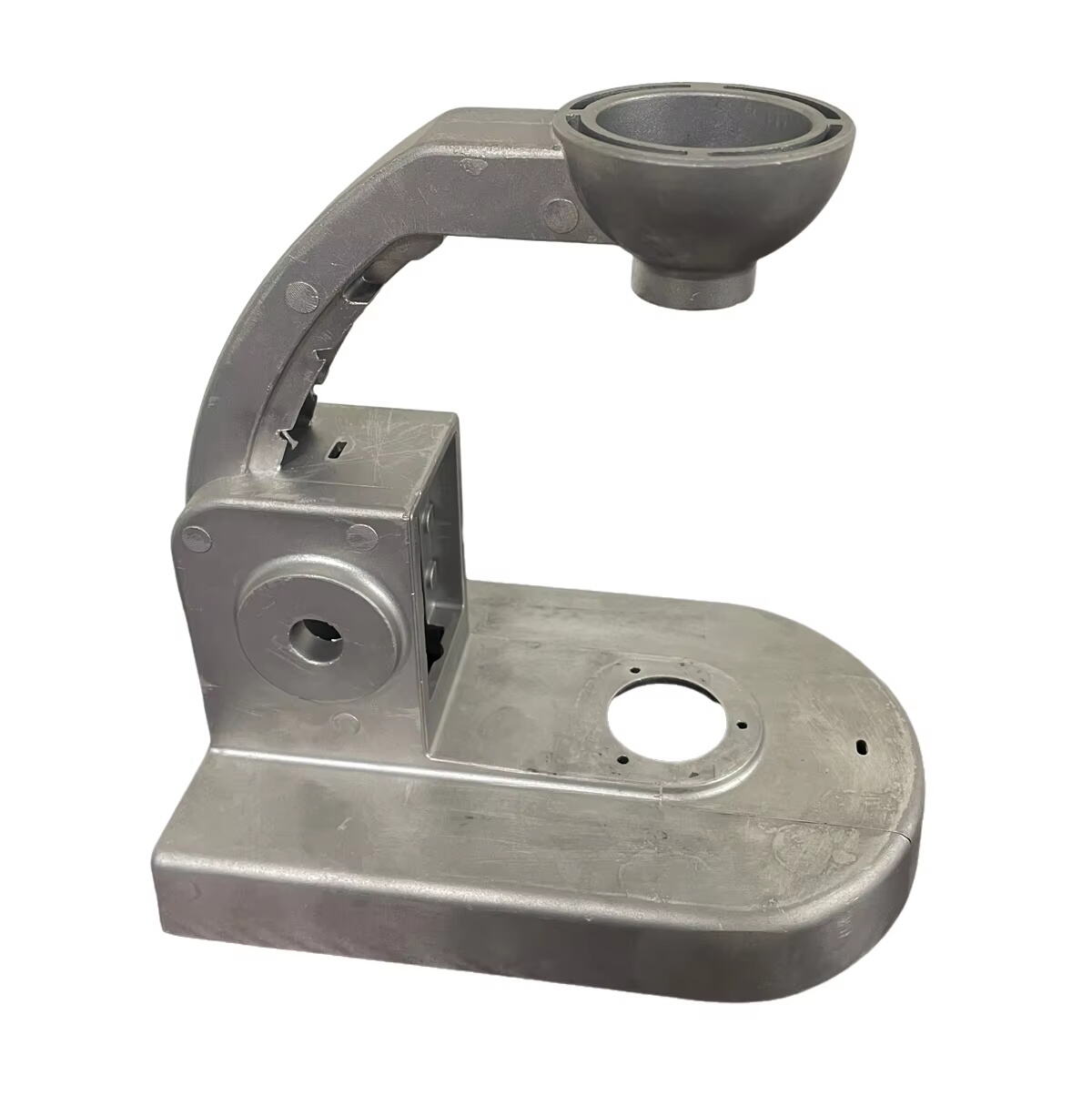
automotive stamping
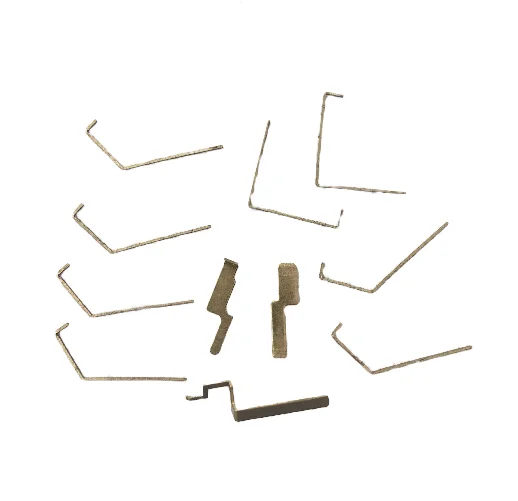
Automotive stamping is a critical manufacturing process in the automotive industry that transforms flat metal sheets into precise, three-dimensional components through sophisticated pressing operations. This technique employs specialized dies and high-pressure mechanical presses to shape metal into various automotive parts, including body panels, structural components, and decorative elements. The process begins with raw metal sheets, typically steel or aluminum, which are fed into stamping machines where they undergo multiple stages of forming, including drawing, bending, and piercing. Modern automotive stamping facilities utilize advanced automation systems and computer-controlled equipment to ensure consistent quality and high production efficiency. The precision of this process is crucial for maintaining tight tolerances and achieving perfect fit during vehicle assembly. Quality control measures, including laser measurement systems and automated inspection tools, are integrated throughout the production line to verify dimensional accuracy and surface finish. This manufacturing method is particularly valuable for high-volume production, as it enables rapid, cost-effective creation of complex automotive components while maintaining exceptional consistency and structural integrity.

 EN
EN