Advanced Rapid Prototyping Solutions: Accelerating Innovation Through Precision Engineering

Get a Free Quote

Our representative will contact you soon.
Email
Mobile&WhatsApp
Name
Company Name
Attachment
Please upload at least an attachment
Up to 3 files,more 30mb,suppor jpg、jpeg、png、pdf、doc、docx、xls、xlsx、csv、txt
Message
0/1000

rapid prototype

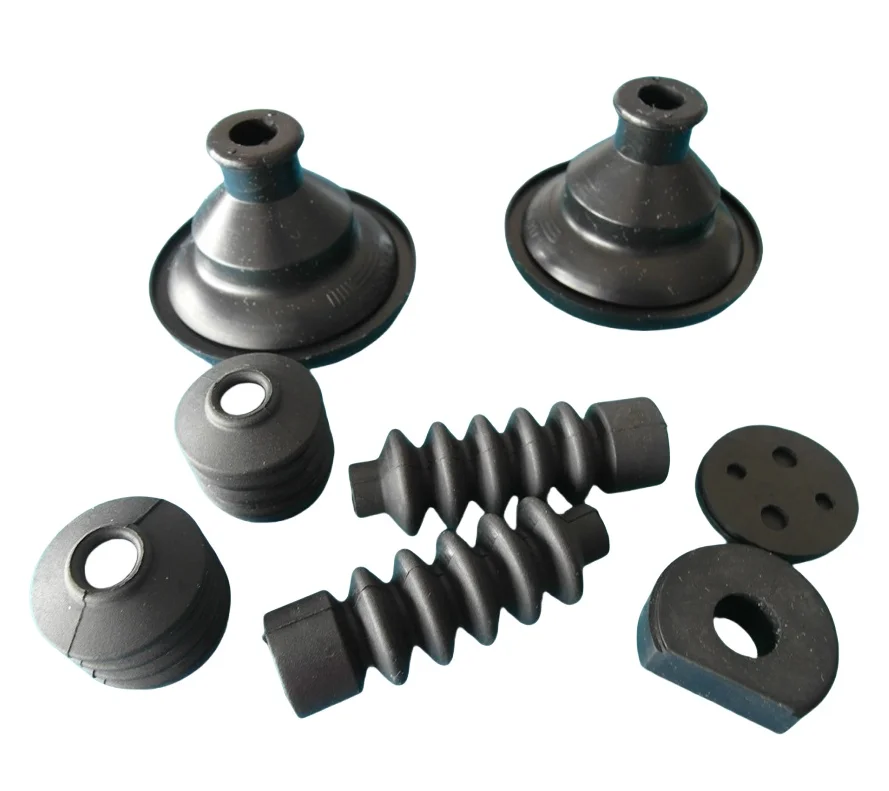
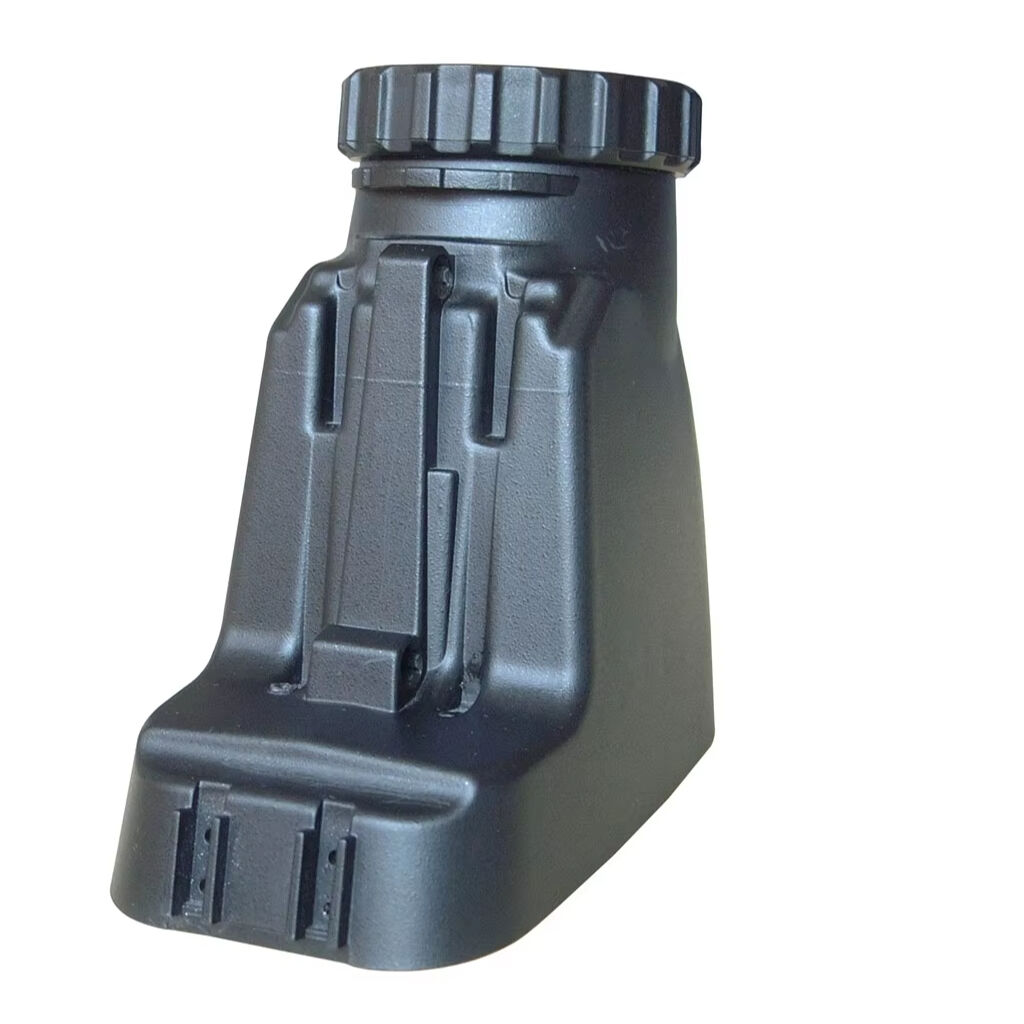
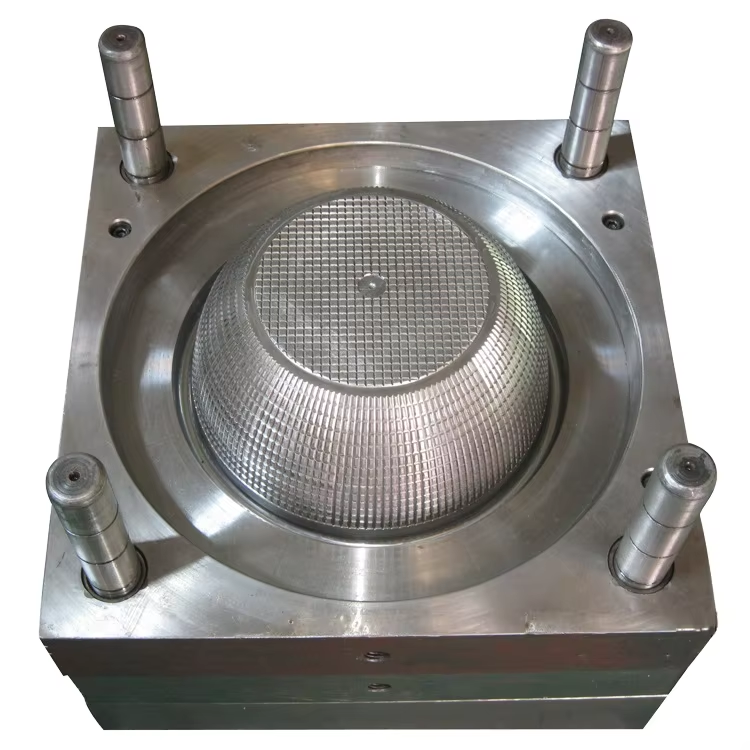
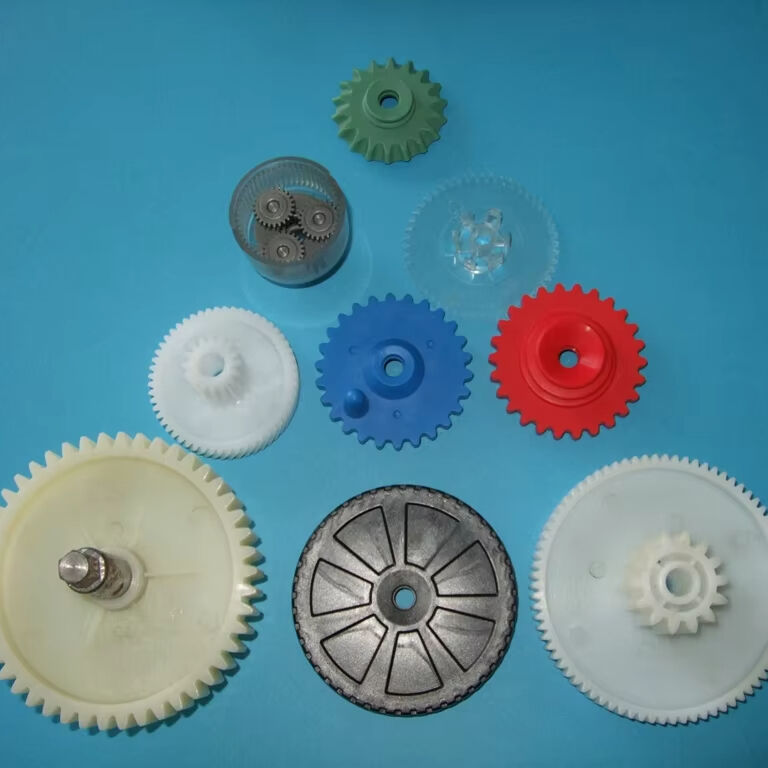
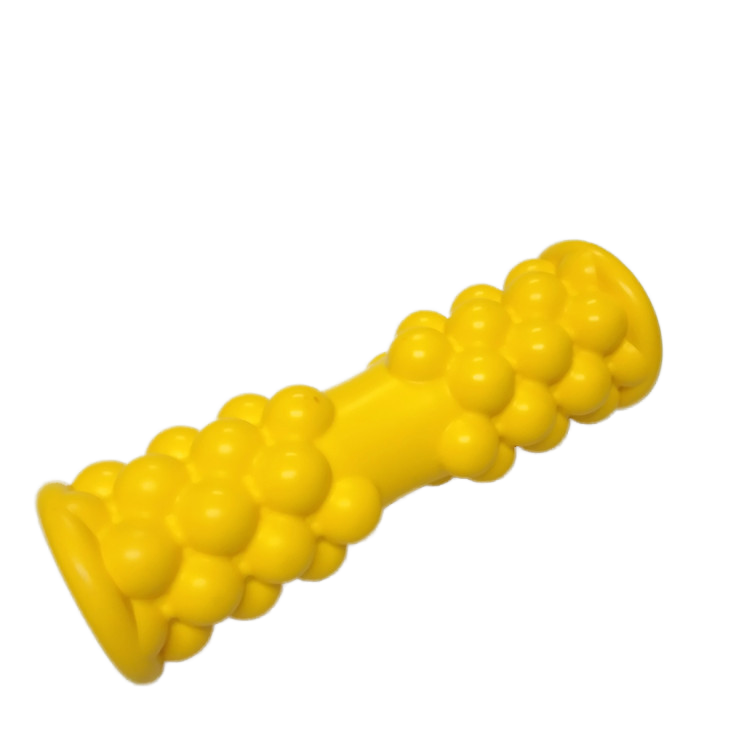
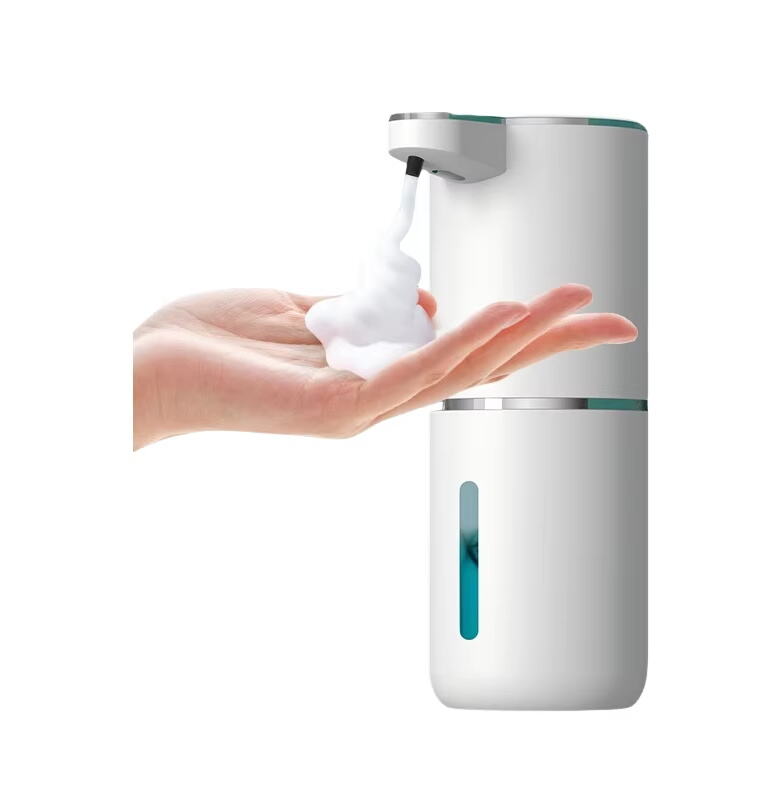
A rapid prototype represents a preliminary working model of a product or system, created swiftly to validate design concepts and gather user feedback early in the development process. This innovative approach combines advanced 3D printing technology, computer-aided design (CAD) software, and precision engineering to transform digital designs into tangible objects within hours or days, rather than weeks or months. The prototype serves as a critical tool for testing functionality, ergonomics, and user interaction, enabling developers to identify and address potential issues before committing to full-scale production. Modern rapid prototypes leverage sophisticated materials, including high-performance plastics, resins, and even metal composites, offering unprecedented flexibility in testing various physical properties. These prototypes can range from simple visual models to fully functional products, complete with moving parts and electronic components. The technology supports iterative design improvements, allowing teams to refine products based on real-world testing and stakeholder feedback, ultimately reducing time-to-market and development costs.


New Product Recommendations

Rapid prototyping offers substantial benefits that revolutionize the product development lifecycle. First, it dramatically reduces development time by enabling teams to create physical models quickly, allowing for immediate testing and validation of design concepts. This speed translates to significant cost savings, as design flaws can be identified and corrected early, preventing expensive modifications during later stages of development. The technology enables unprecedented design freedom, allowing creators to test complex geometries and innovative features that would be challenging to evaluate through traditional methods. Risk reduction is another key advantage, as stakeholders can physically interact with the prototype, making informed decisions based on tangible evidence rather than abstract concepts. The iterative nature of rapid prototyping supports continuous improvement, with each version incorporating feedback and refinements from previous iterations. This approach also enhances communication between team members and clients, as physical models provide a common reference point for discussions. The flexibility to produce multiple design variations simultaneously allows for parallel testing and comparison, optimizing the final product selection process. Additionally, rapid prototyping supports sustainable development practices by minimizing material waste and reducing the environmental impact of the product development process.

Latest News

How to Select the Best Injection Mold for Industrial Needs?

31

Oct

How to Select the Best Injection Mold for Industrial Needs?

Understanding the Critical Role of Injection Molds in Modern Manufacturing The manufacturing industry relies heavily on injection molding technology to produce high-quality plastic components efficiently and cost-effectively. Selecting the right inje...
View More
Why Choose Injection Mold for Complex Product Designs?

03

Nov

Why Choose Injection Mold for Complex Product Designs?

Understanding the Power of Injection Molding Technology Modern manufacturing demands precision, efficiency, and scalability - qualities that injection mold technology delivers in abundance. This sophisticated manufacturing process has revolutionized ...
View More
Can Plastic Products Enhance Sustainability in Manufacturing?

03

Nov

Can Plastic Products Enhance Sustainability in Manufacturing?

The Evolution of Sustainable Manufacturing Through Advanced Plastics The manufacturing industry stands at a critical crossroads where environmental responsibility meets industrial innovation. Sustainable plastic manufacturing has emerged as a transfo...
View More
What Are the Key Advantages of Modern Plastic Products?

03

Nov

What Are the Key Advantages of Modern Plastic Products?

The Evolution of Engineered Plastics in Modern Industry Over the past several decades, plastic products have revolutionized nearly every aspect of our daily lives. From innovative packaging solutions to durable construction materials, the versatility...
View More

Get a Free Quote

Our representative will contact you soon.
Email
Mobile&WhatsApp
Name
Company Name
Attachment
Please upload at least an attachment
Up to 3 files,more 30mb,suppor jpg、jpeg、png、pdf、doc、docx、xls、xlsx、csv、txt
Message
0/1000

rapid prototype

Advanced Material Integration

Advanced Material Integration

Modern rapid prototyping systems incorporate a diverse range of materials, enabling the creation of prototypes that closely mirror the properties of final products. This capability extends beyond basic plastics to include high-performance polymers, photopolymer resins, and metal-infused materials. The advanced material integration allows designers to test not only the form and fit but also the actual functionality of components under real-world conditions. This feature is particularly valuable for industries requiring specific material properties, such as heat resistance, flexibility, or durability. The ability to prototype with materials that closely match final production specifications reduces the risk of unexpected issues during manufacturing scale-up.
Precision Engineering Capabilities

Precision Engineering Capabilities

The integration of sophisticated CAD software with high-precision manufacturing systems enables the creation of prototypes with exceptional accuracy and detail. Modern rapid prototyping systems can achieve tolerances as fine as 0.1mm, supporting the development of complex mechanical components and intricate design features. This precision extends to the creation of moving parts, snap-fit components, and functional mechanisms, allowing for comprehensive testing of mechanical interactions. The technology's ability to maintain consistency across multiple iterations ensures reliable validation of design modifications and supports quality control processes throughout development.
Scalable Production Solutions

Scalable Production Solutions

Rapid prototyping technology offers remarkable scalability, supporting everything from one-off prototype creation to small batch production runs. This flexibility allows companies to validate designs and market potential before committing to full-scale manufacturing investment. The system's ability to quickly switch between different designs and configurations supports agile development practices and enables responsive adaptation to market feedback. Advanced production management features facilitate efficient resource allocation and optimize material usage, making it cost-effective for both small startups and large enterprises to leverage this technology for product development.

Get a Free Quote

Our representative will contact you soon.
Email
Mobile&WhatsApp
Name
Company Name
Attachment
Please upload at least an attachment
Up to 3 files,more 30mb,suppor jpg、jpeg、png、pdf、doc、docx、xls、xlsx、csv、txt、stp、step、igs、x_t、dxf、prt、sldprt、sat、rar、zip
Message
0/1000