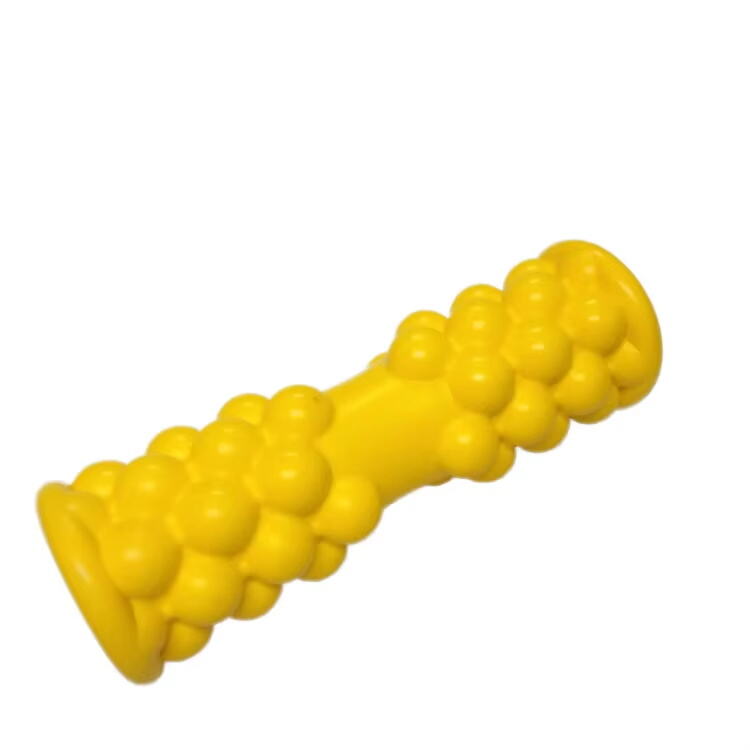
rapid prototyping technologies
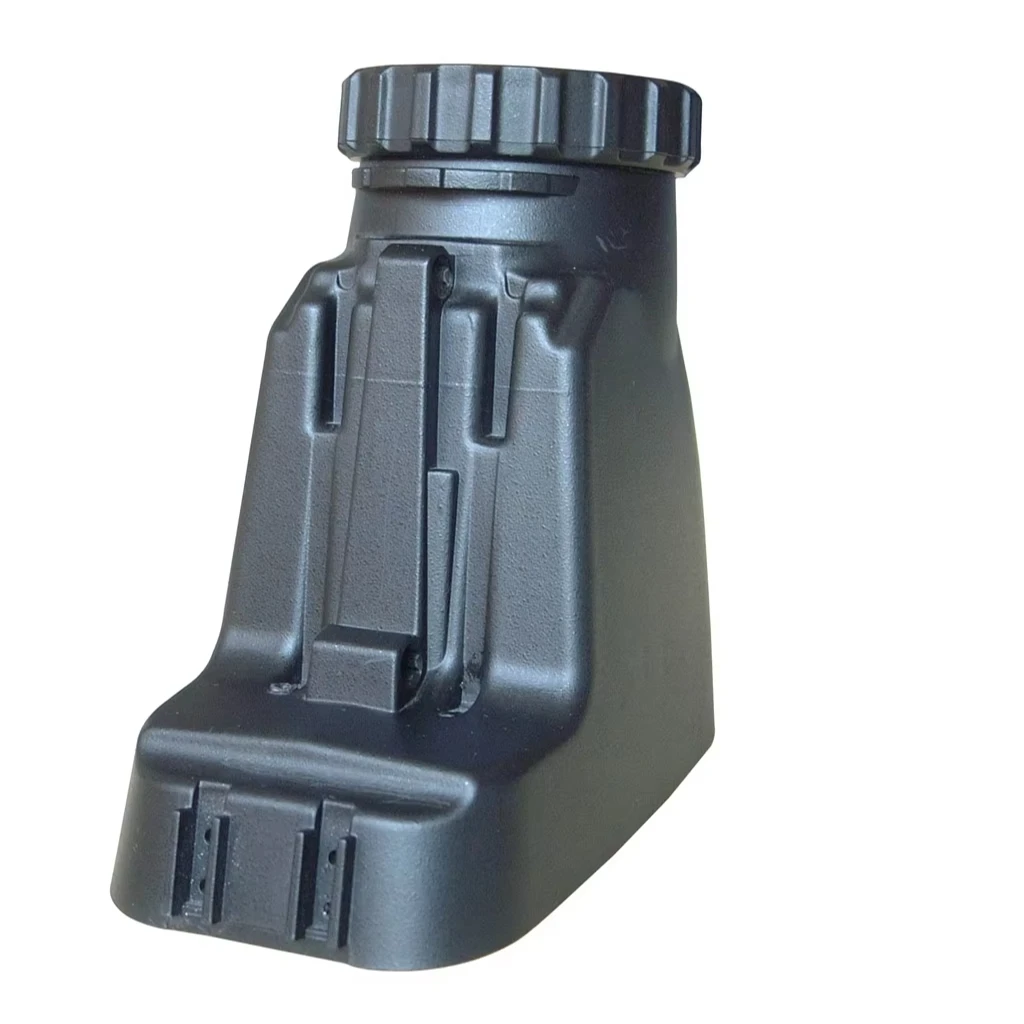
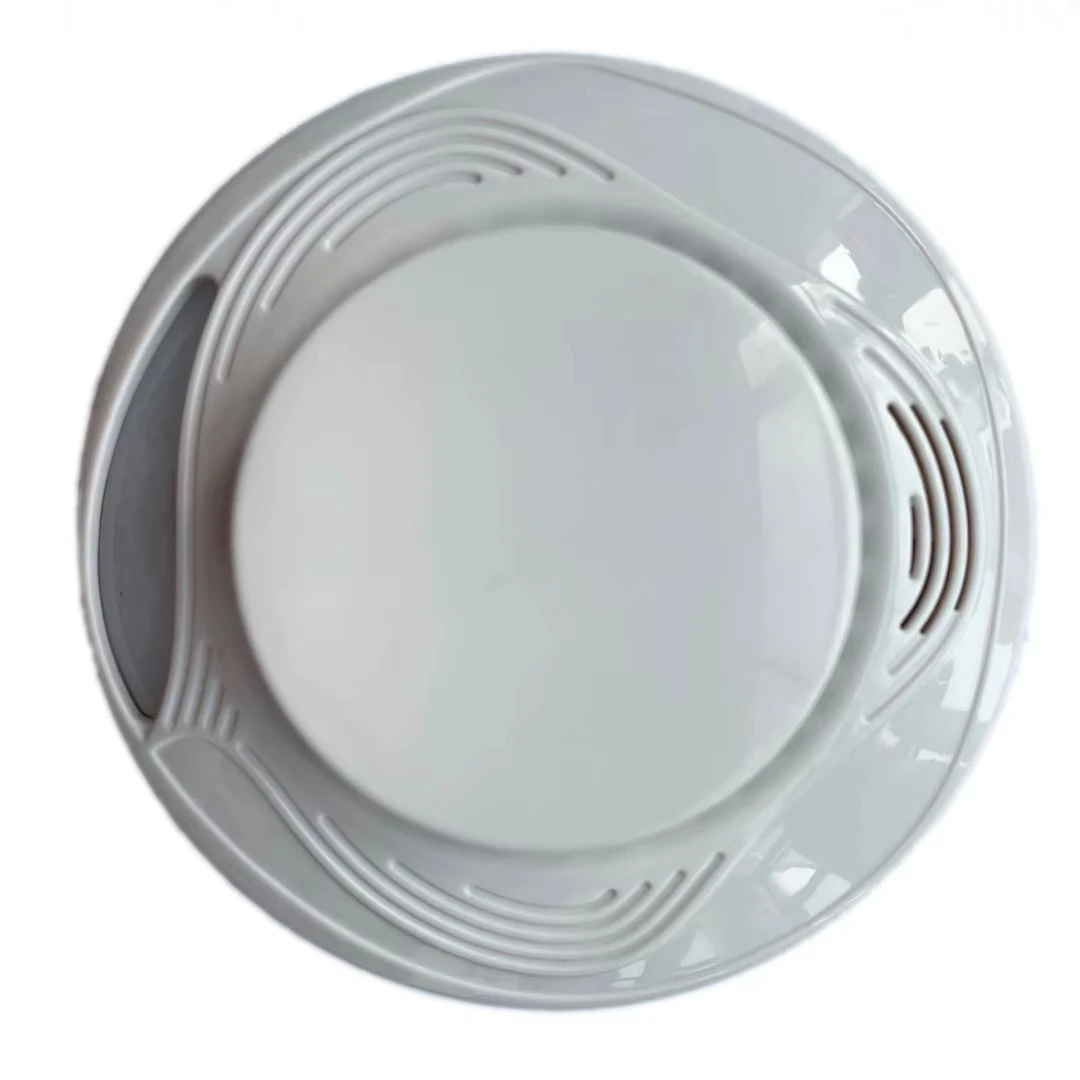
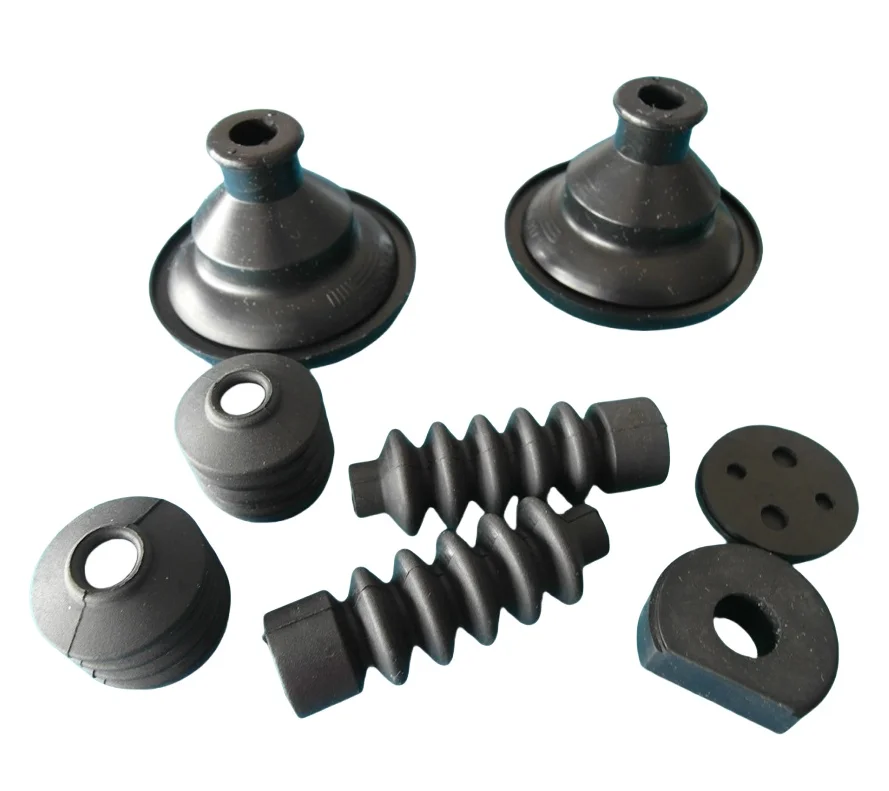
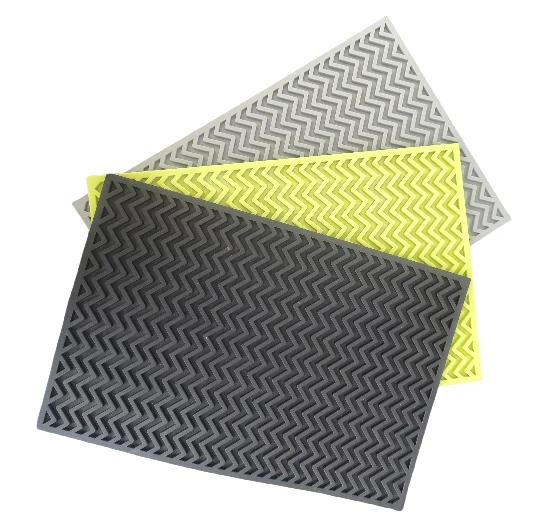
Rapid prototyping technologies represent a groundbreaking advancement in modern manufacturing processes, enabling the swift creation of physical models directly from digital designs. This innovative approach combines computer-aided design (CAD) with additive manufacturing techniques to produce prototypes in a fraction of the traditional time. The technology primarily functions through layer-by-layer construction, utilizing various materials such as plastics, metals, and resins. The main components include sophisticated 3D printing systems, laser sintering equipment, and advanced software interfaces that translate digital blueprints into physical objects. These technologies excel in applications across numerous industries, from automotive and aerospace to medical device manufacturing and consumer product development. The process begins with detailed 3D modeling, followed by automated fabrication that can produce complex geometries impossible to achieve through conventional manufacturing methods. Modern rapid prototyping systems offer unprecedented precision, with some capable of achieving tolerances as fine as 0.1mm. The technology supports multiple materials simultaneously, enabling the creation of functional prototypes that closely mirror final products in both form and function. Beyond prototyping, these systems have evolved to support small-batch production and customized manufacturing, making them invaluable tools in product development cycles.

 EN
EN