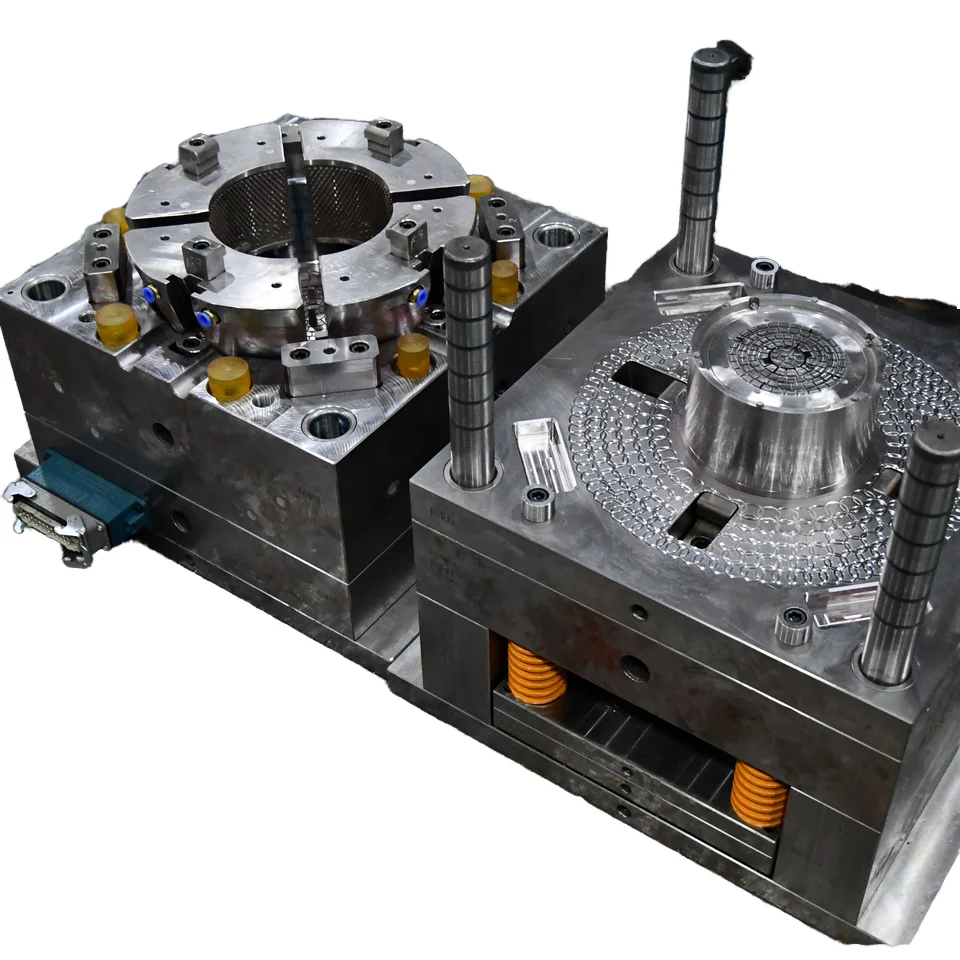
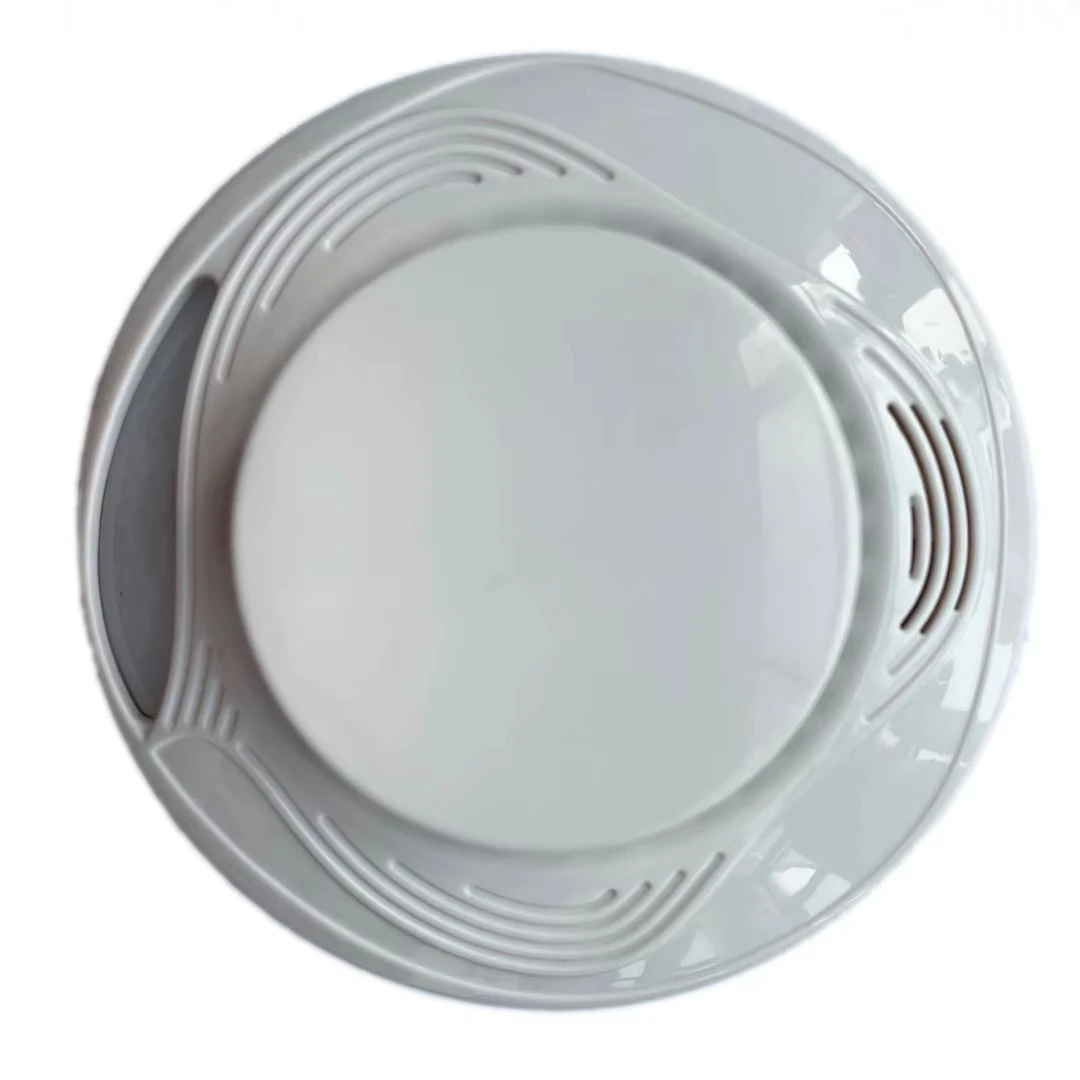
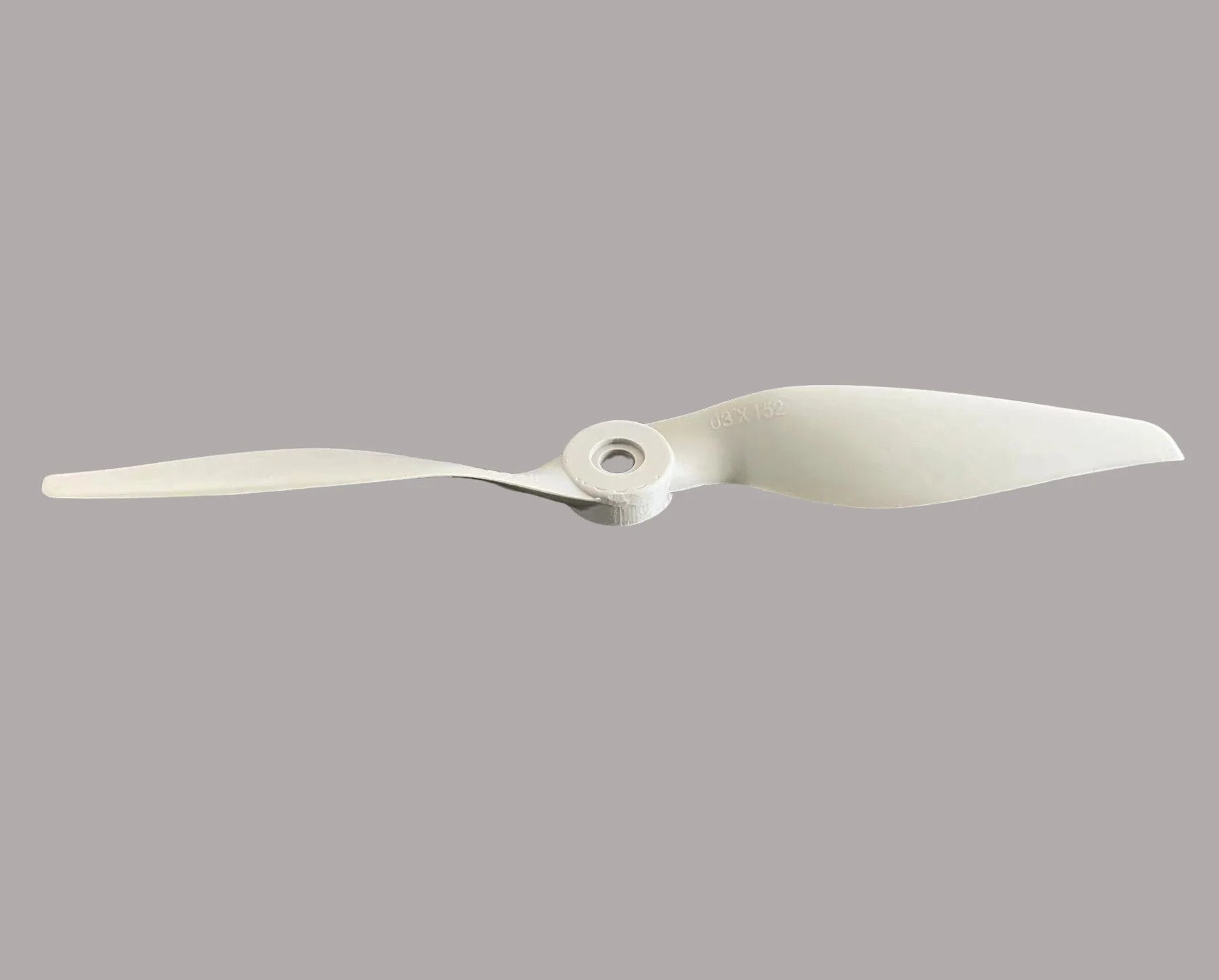
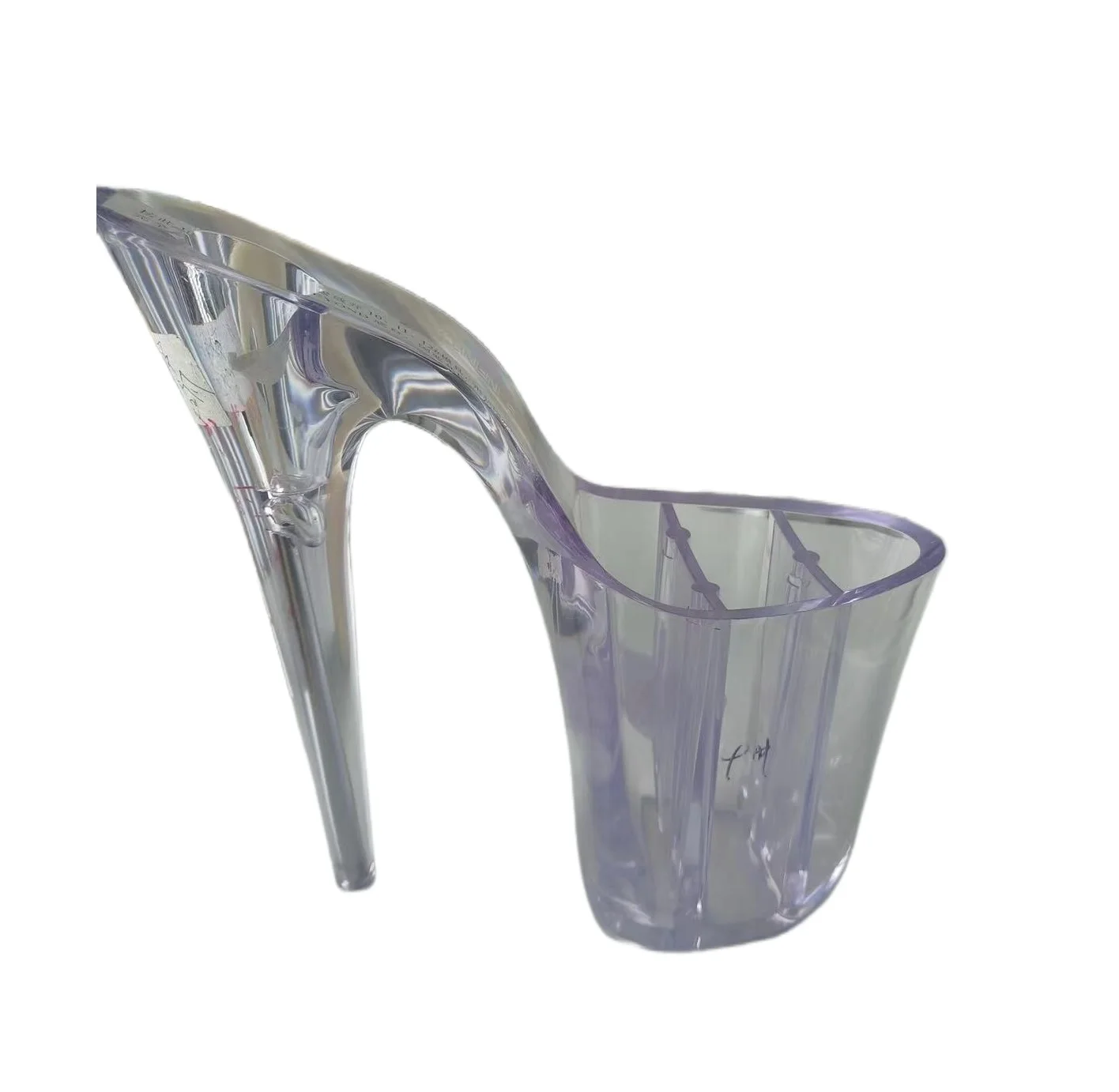
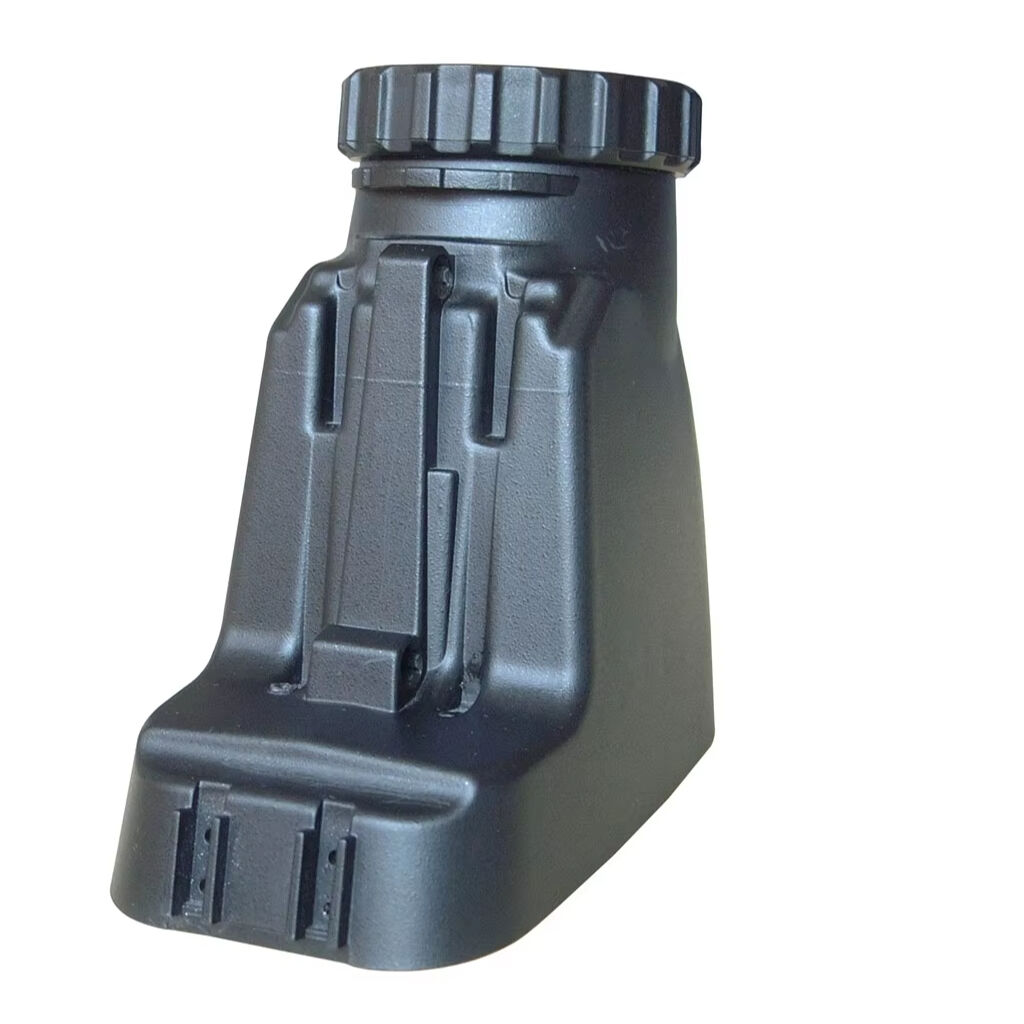
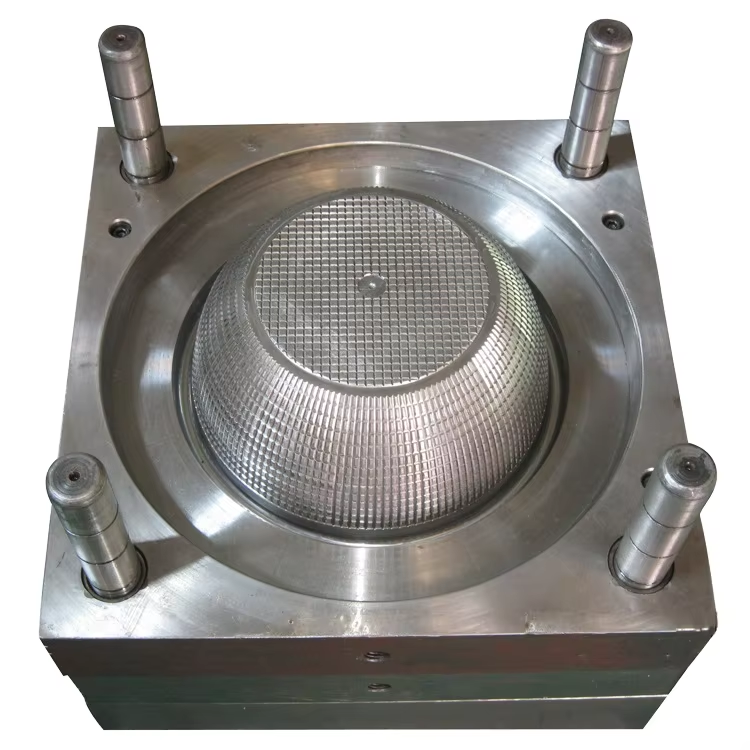
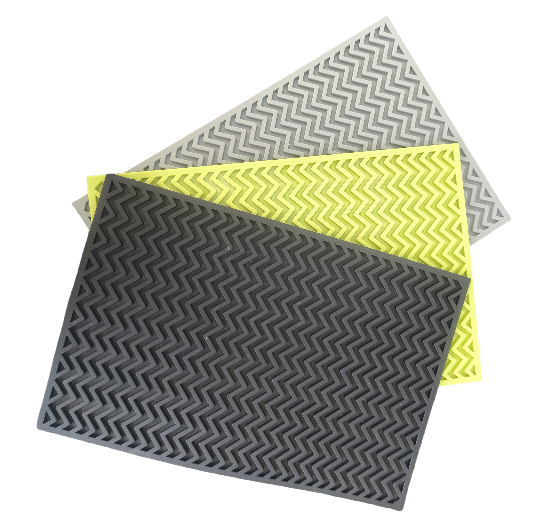
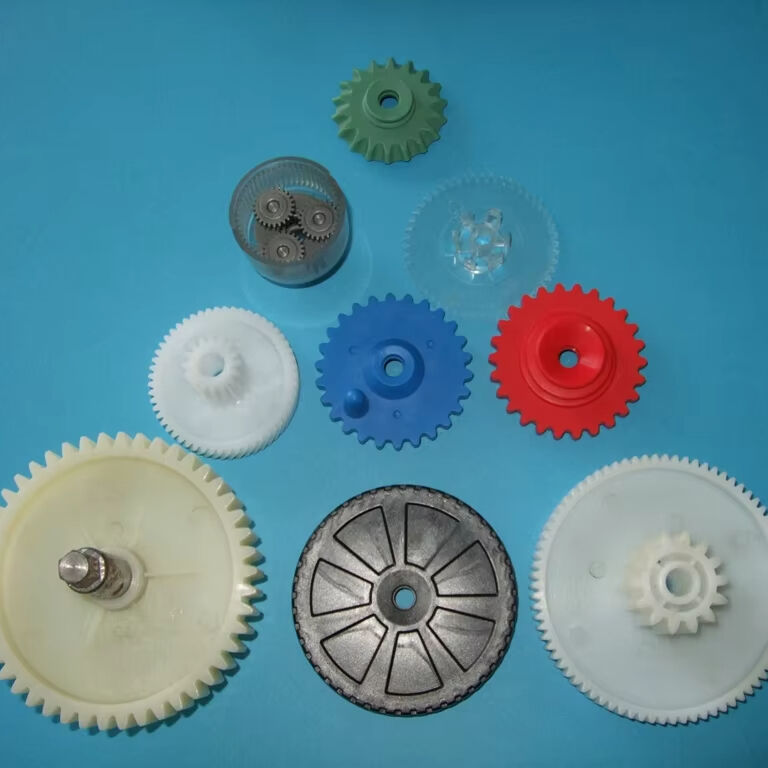
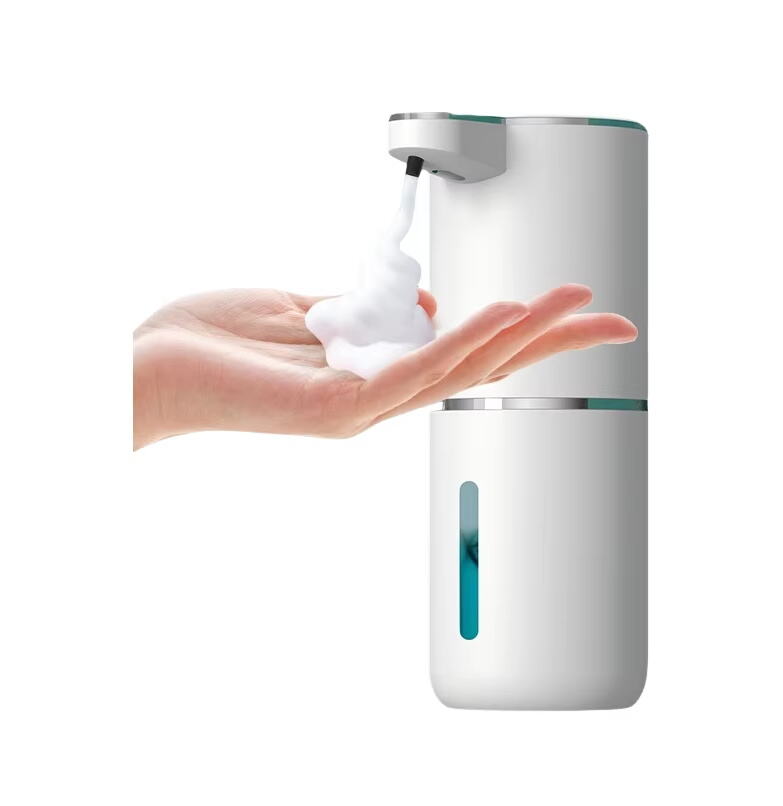
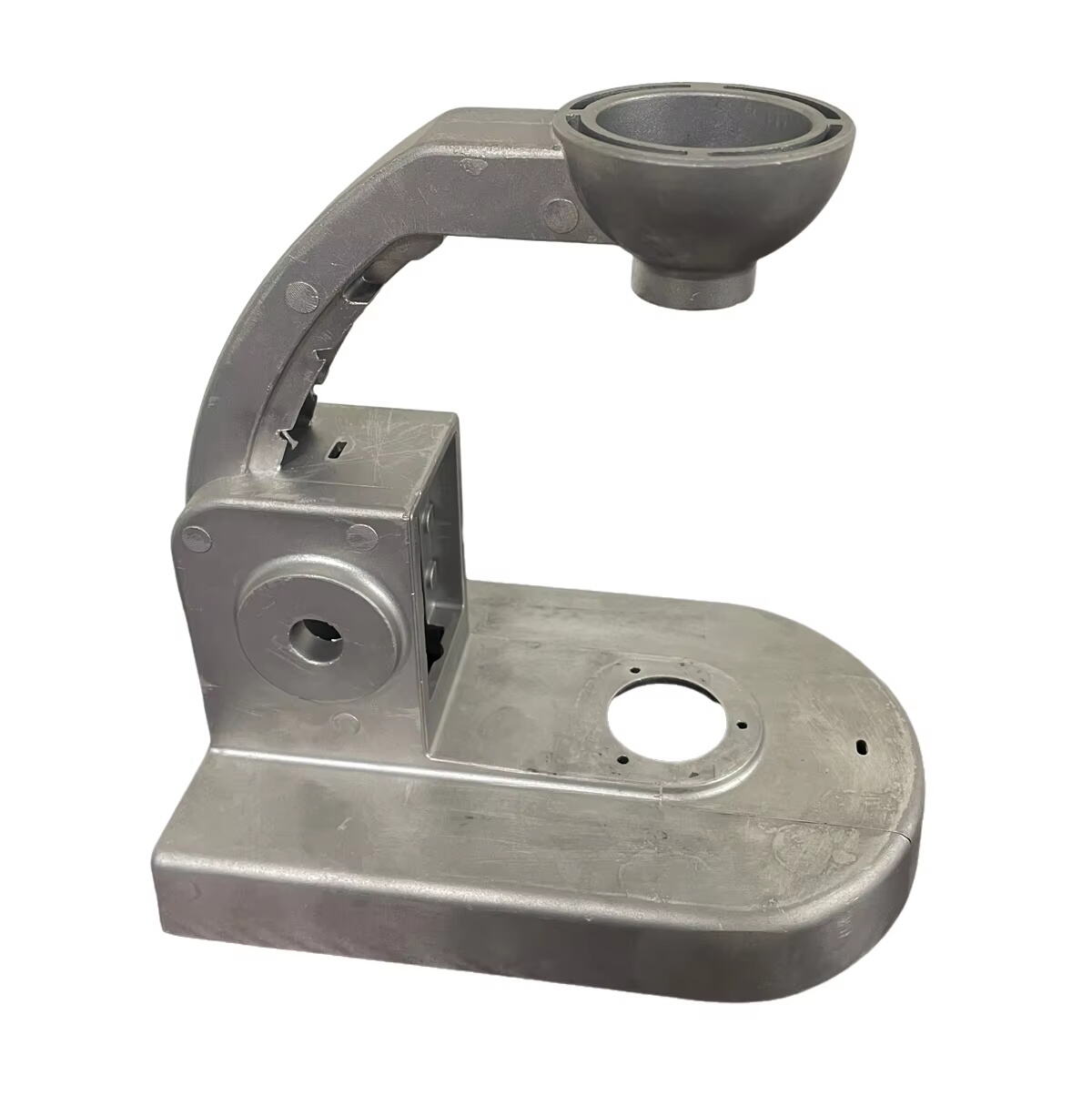
insert injection molding
Insert injection molding is an advanced manufacturing process that combines the efficiency of injection molding with the ability to encapsulate pre-made components directly into molded parts. This innovative technique involves placing metal inserts or other materials into a mold cavity before injecting molten plastic around them, creating a strong bond between the insert and the molding material. The process is widely used in industries requiring complex components with enhanced mechanical properties, electrical conductivity, or thermal resistance. The technology allows for the creation of parts with metal threads, bushings, circuits, or other functional elements permanently embedded within the plastic structure. During the process, precise temperature control and pressure management ensure optimal bonding between the insert and the surrounding plastic material. The method significantly reduces assembly steps, as it eliminates the need for secondary operations like ultrasonic welding or mechanical fastening. Insert injection molding is particularly valuable in automotive, electronics, medical devices, and consumer products manufacturing, where it enables the production of components with superior strength, durability, and functionality. The process accommodates various insert materials, including brass, steel, aluminum, and engineered plastics, offering versatility in design and application possibilities.

 EN
EN