High-Performance Insert Molding Solutions: Advanced Manufacturing Technology for Complex Components

Get a Free Quote

Our representative will contact you soon.
Email
Mobile&WhatsApp
Name
Company Name
Attachment
Please upload at least an attachment
Up to 3 files,more 30mb,suppor jpg、jpeg、png、pdf、doc、docx、xls、xlsx、csv、txt
Message
0/1000

insert molding products

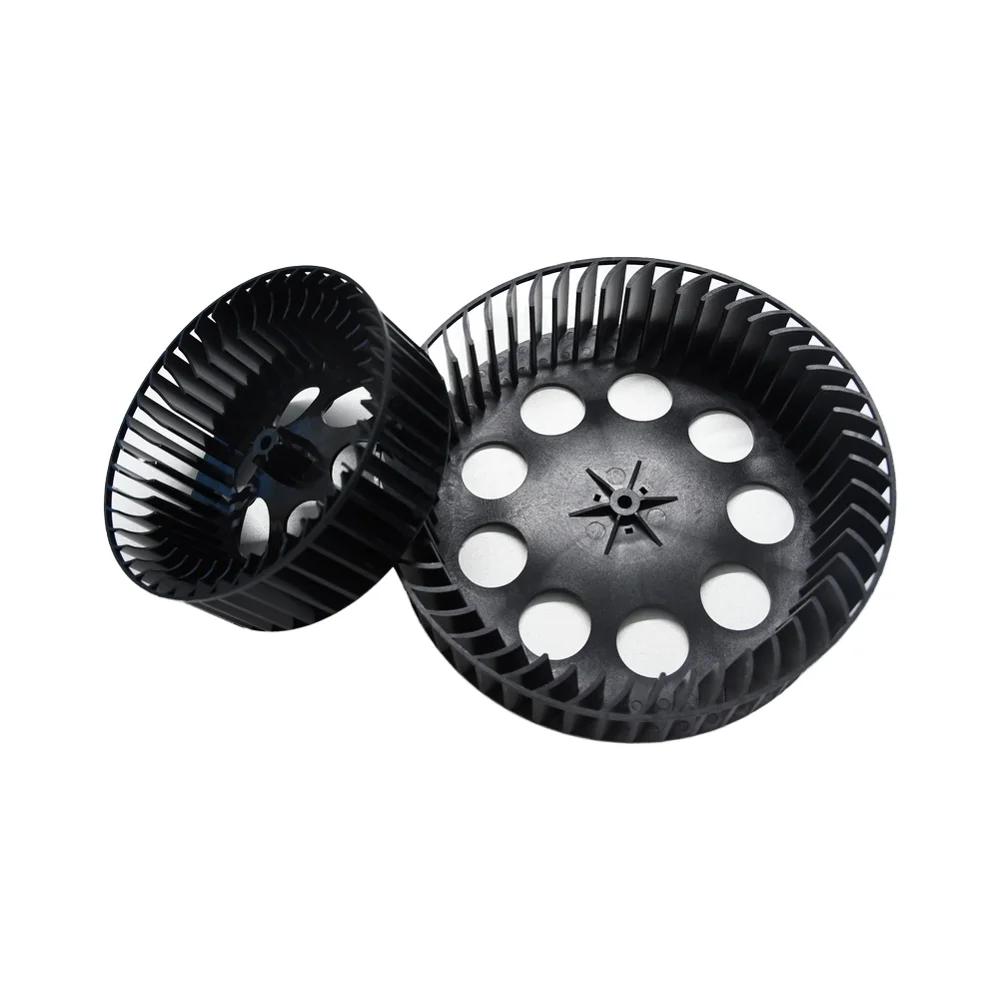
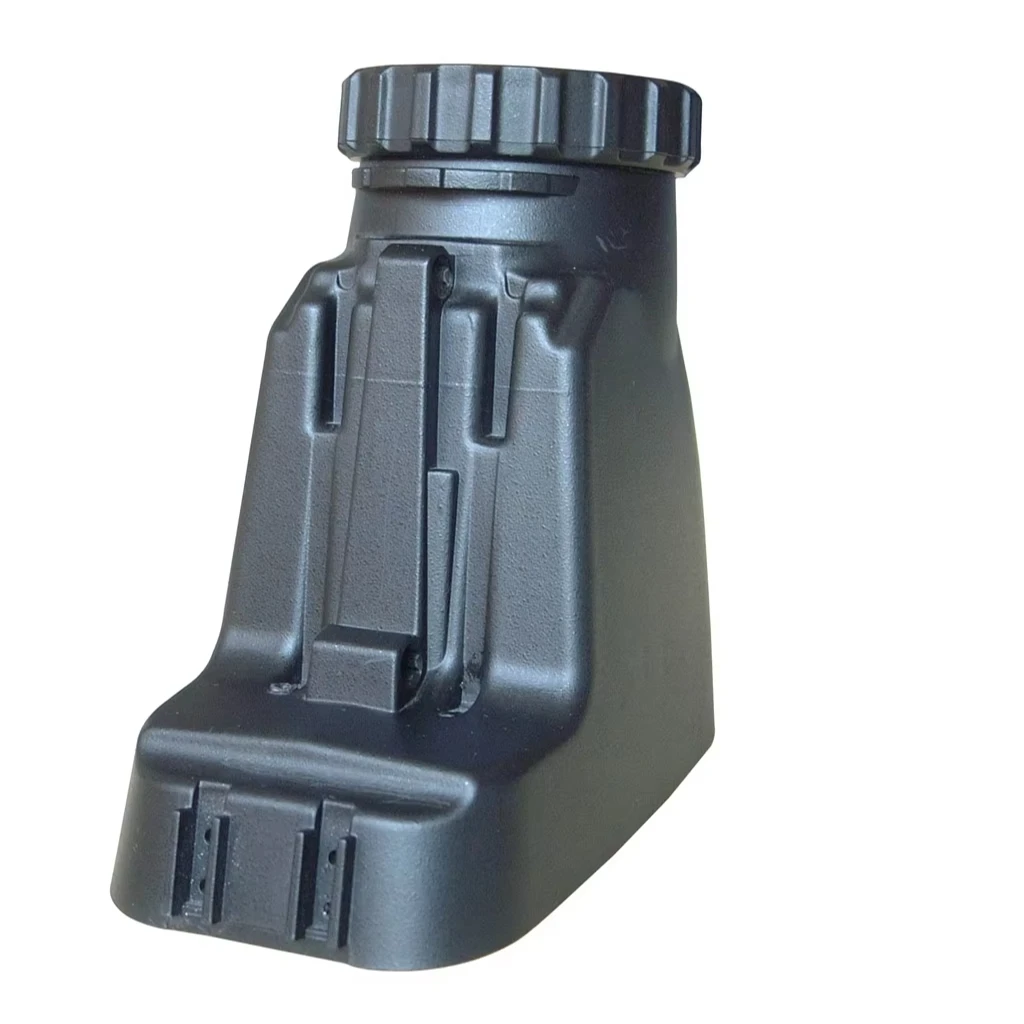
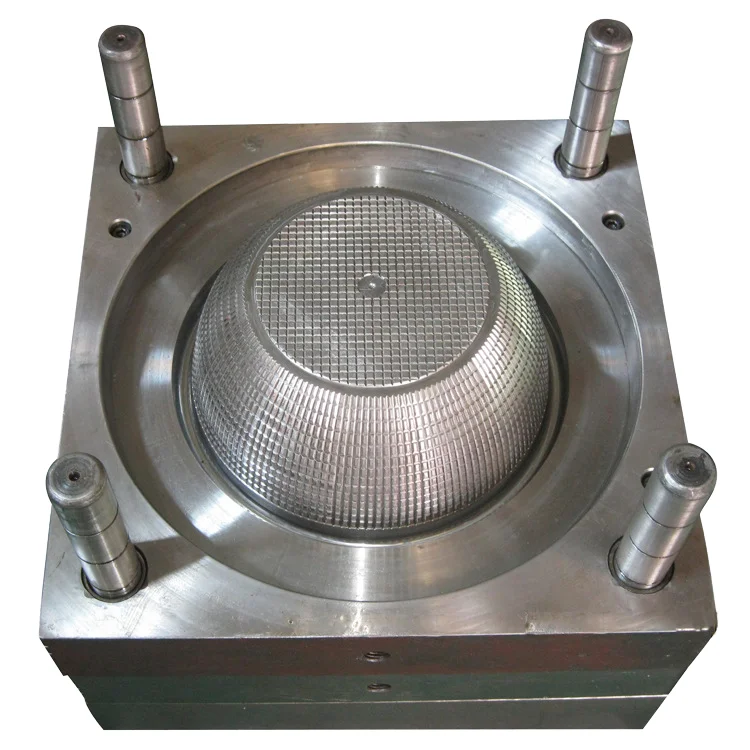
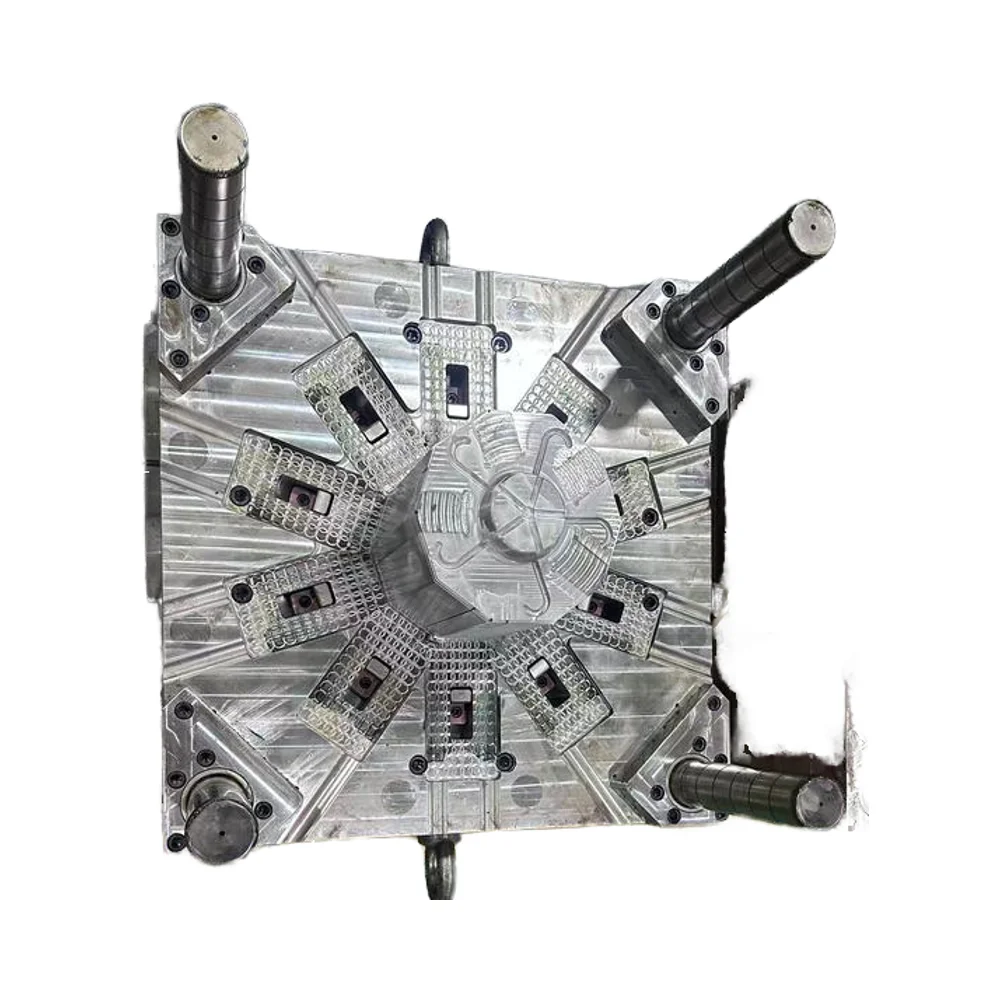
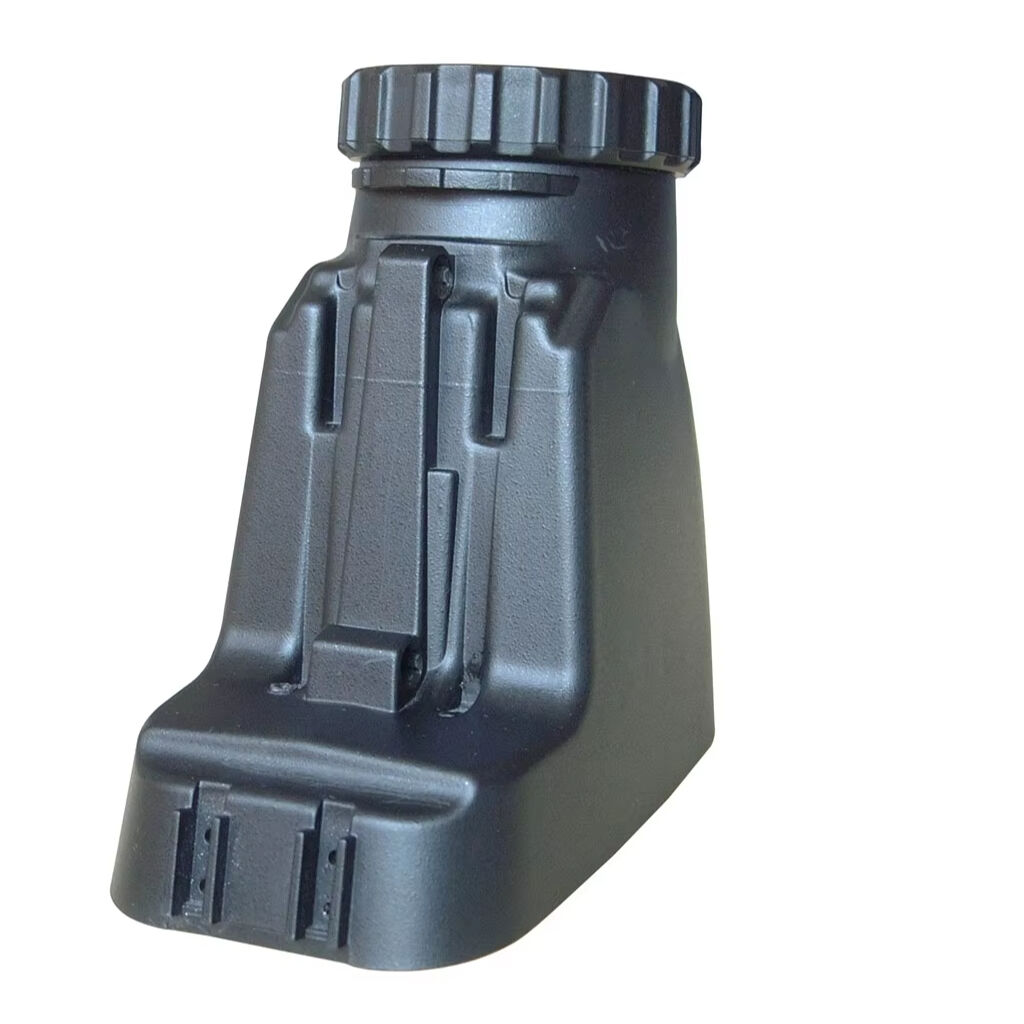
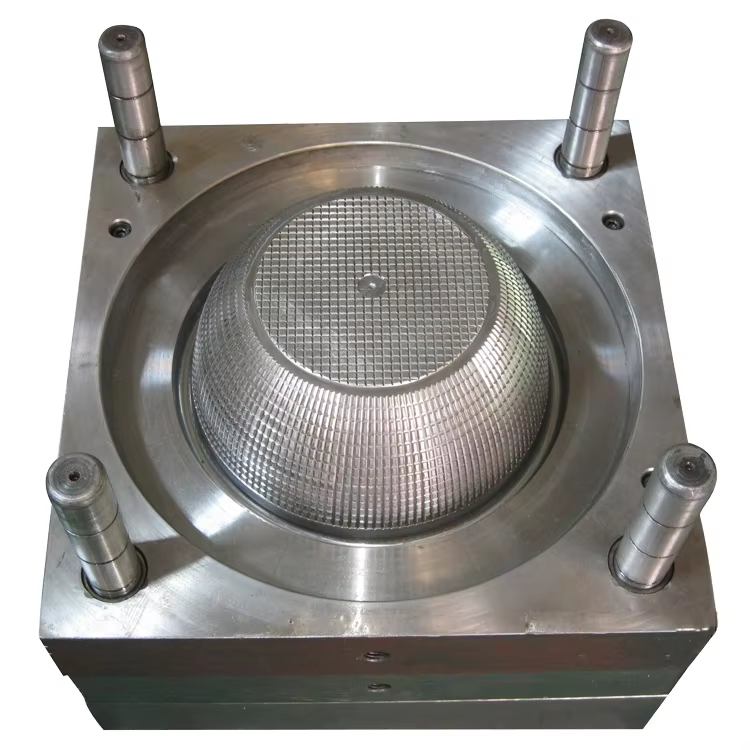
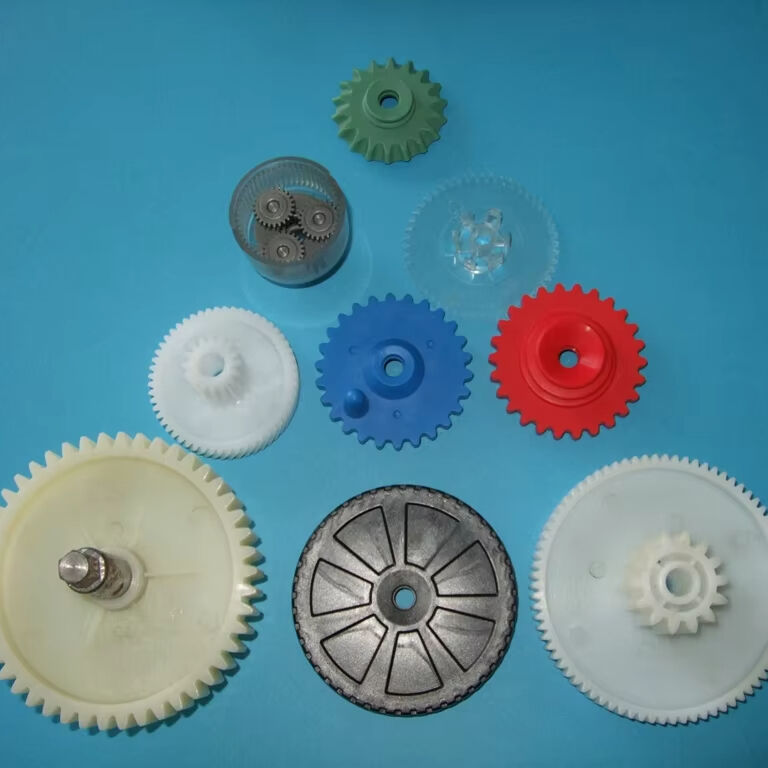
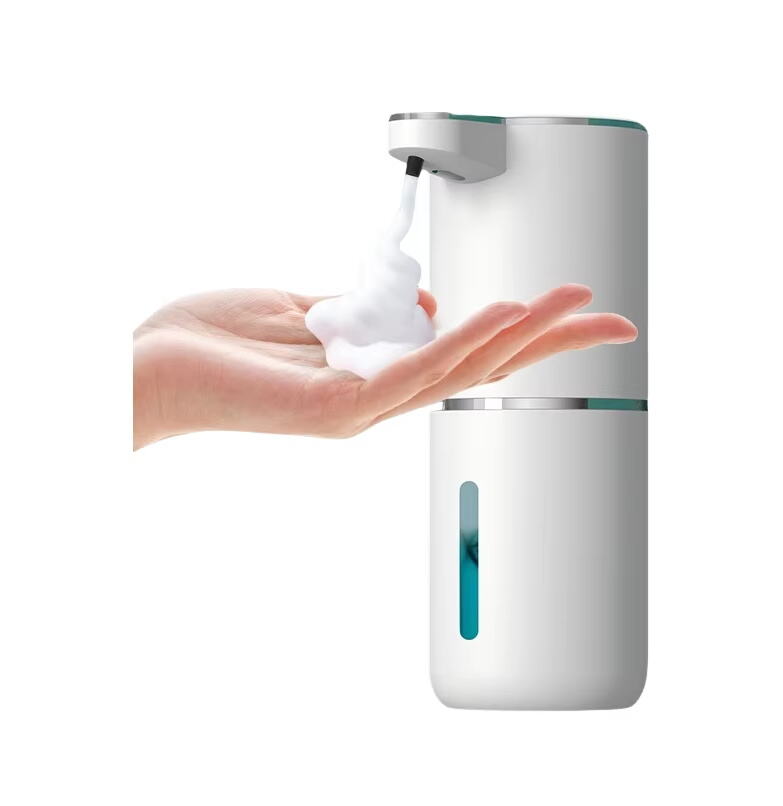
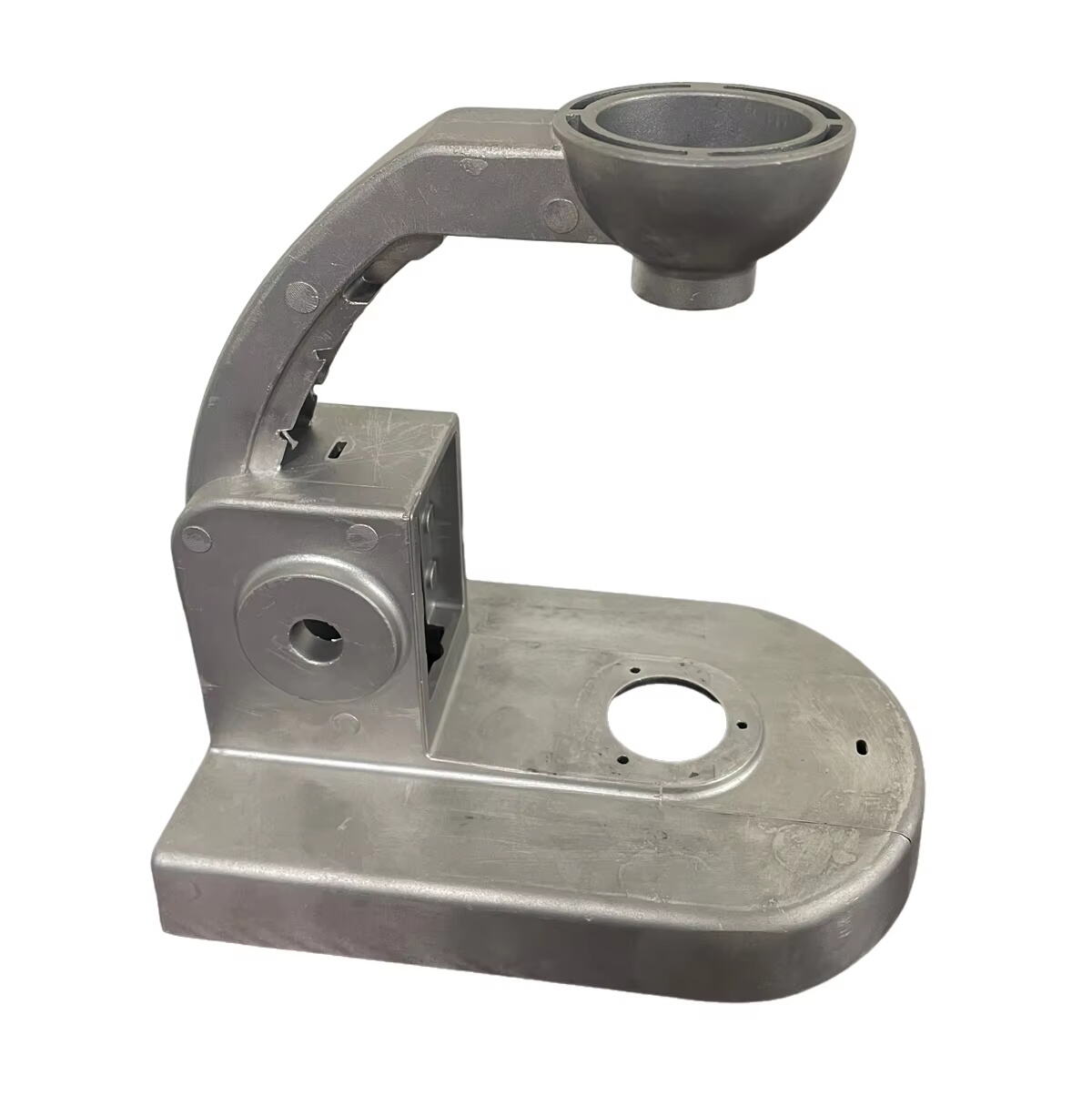
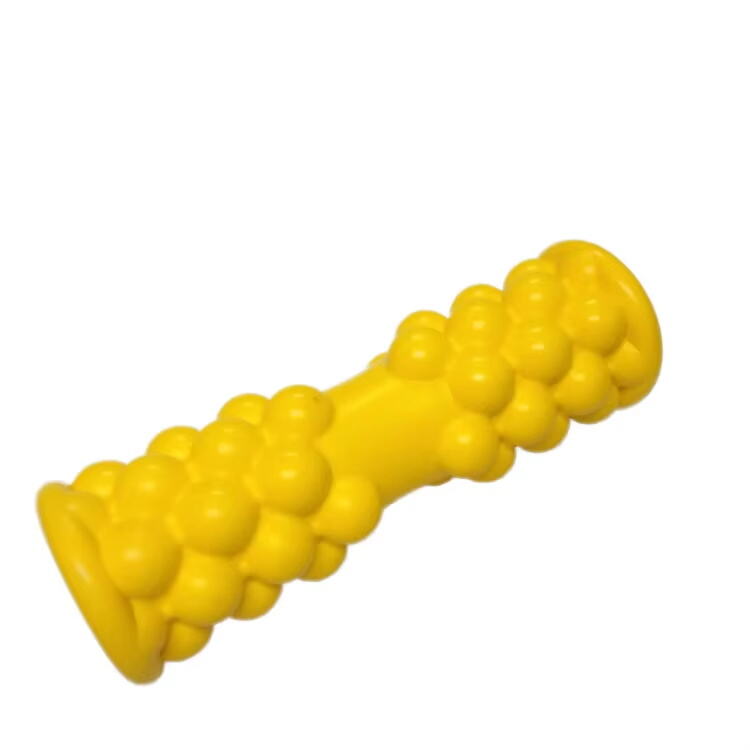
Insert molding represents a sophisticated manufacturing process that seamlessly combines plastic injection molding with pre-placed metal inserts, creating highly durable and functional components. This advanced technology enables the production of complex parts where metal and plastic are permanently bonded during a single manufacturing cycle. The process begins with precisely positioned metal inserts in the mold cavity, followed by injecting molten plastic material around them. The resulting products feature exceptional structural integrity and enhanced mechanical properties. Insert molding products find extensive applications across various industries, including automotive components, electronic devices, medical equipment, and consumer goods. The technology allows for the creation of parts with superior strength-to-weight ratios, improved electrical conductivity where needed, and reduced assembly requirements. Modern insert molding processes utilize advanced automation and precision control systems to ensure consistent quality and dimensional accuracy. These products often incorporate threaded inserts, bushings, pins, or other metal components that provide specific functionality such as mounting points, electrical connections, or wear-resistant surfaces. The versatility of insert molding enables manufacturers to produce complex components that would be impossible or impractical to create through traditional manufacturing methods, while simultaneously reducing production costs and improving product reliability.


New Product Recommendations

Insert molding products offer numerous compelling advantages that make them increasingly popular across various manufacturing sectors. First and foremost, this technology significantly reduces assembly time and labor costs by eliminating secondary operations typically required in traditional manufacturing processes. The integration of metal inserts during the molding process creates a stronger, more reliable bond compared to post-molding assembly methods, resulting in enhanced product durability and longevity. Cost efficiency is achieved through reduced material waste, shorter production cycles, and decreased quality control requirements. The process enables precise positioning of inserts, ensuring consistent quality and reducing the likelihood of assembly errors. From a design perspective, insert molding allows for greater flexibility in creating complex geometries while maintaining structural integrity. The technology also contributes to weight reduction without compromising strength, making it particularly valuable in automotive and aerospace applications. Environmental benefits include reduced energy consumption compared to traditional manufacturing methods and the ability to create products with longer service lives. The automated nature of insert molding processes ensures high repeatability and reliability, leading to consistent product quality. Additionally, the technology enables the creation of hermetically sealed components, crucial for applications in harsh environments or where moisture resistance is essential. The elimination of mechanical fasteners reduces potential failure points and improves aesthetic appeal. These products also demonstrate superior resistance to vibration and thermal cycling, making them ideal for demanding applications. The ability to combine different materials in a single component opens up new possibilities for product design and functionality.

Tips And Tricks

How to Select the Best Injection Mold for Industrial Needs?

31

Oct

How to Select the Best Injection Mold for Industrial Needs?

Understanding the Critical Role of Injection Molds in Modern Manufacturing The manufacturing industry relies heavily on injection molding technology to produce high-quality plastic components efficiently and cost-effectively. Selecting the right inje...
View More
Why Choose Injection Mold for Complex Product Designs?

03

Nov

Why Choose Injection Mold for Complex Product Designs?

Understanding the Power of Injection Molding Technology Modern manufacturing demands precision, efficiency, and scalability - qualities that injection mold technology delivers in abundance. This sophisticated manufacturing process has revolutionized ...
View More
Can Plastic Products Enhance Sustainability in Manufacturing?

03

Nov

Can Plastic Products Enhance Sustainability in Manufacturing?

The Evolution of Sustainable Manufacturing Through Advanced Plastics The manufacturing industry stands at a critical crossroads where environmental responsibility meets industrial innovation. Sustainable plastic manufacturing has emerged as a transfo...
View More
What Are the Key Advantages of Modern Plastic Products?

03

Nov

What Are the Key Advantages of Modern Plastic Products?

The Evolution of Engineered Plastics in Modern Industry Over the past several decades, plastic products have revolutionized nearly every aspect of our daily lives. From innovative packaging solutions to durable construction materials, the versatility...
View More

Get a Free Quote

Our representative will contact you soon.
Email
Mobile&WhatsApp
Name
Company Name
Attachment
Please upload at least an attachment
Up to 3 files,more 30mb,suppor jpg、jpeg、png、pdf、doc、docx、xls、xlsx、csv、txt
Message
0/1000

insert molding products

Superior Material Integration

Superior Material Integration

Insert molding technology excels in creating seamless bonds between different materials, particularly metal and plastic components. This integration process occurs at the molecular level during the injection molding phase, resulting in exceptionally strong and durable connections. The technology employs specialized mold designs and precise temperature control to optimize the bonding process, ensuring maximum adhesion between the insert and the surrounding plastic material. This superior material integration eliminates common failure points typically associated with mechanical fastening methods. The process allows for strategic placement of metal inserts to enhance structural integrity while maintaining the lightweight properties of plastic components. The resulting products demonstrate outstanding resistance to thermal expansion and contraction cycles, preventing separation or loosening over time. This feature is particularly valuable in applications where temperature fluctuations are common or where mechanical stress is a significant factor.
Enhanced Production Efficiency

Enhanced Production Efficiency

The insert molding process revolutionizes manufacturing efficiency through its streamlined, single-step production approach. This innovative method eliminates multiple assembly steps traditionally required in component manufacturing, significantly reducing production time and labor costs. The automated nature of insert molding ensures consistent quality across large production runs, minimizing variations and reducing quality control requirements. The process enables rapid production cycles while maintaining precise tolerances and dimensional accuracy. Advanced monitoring systems and real-time quality control measures ensure optimal insert positioning and material flow during the molding process. The elimination of secondary operations not only speeds up production but also reduces the potential for human error and assembly-related defects. This enhanced efficiency translates to lower per-unit costs, making insert molded products more competitive in the market while maintaining superior quality standards.
Versatile Design Capabilities

Versatile Design Capabilities

Insert molding technology offers unprecedented design flexibility, enabling the creation of complex components that would be impossible to manufacture through conventional methods. This versatility allows engineers to optimize product designs for specific applications while reducing overall part count and assembly complexity. The technology accommodates a wide range of insert materials and geometries, facilitating the integration of various functional elements within a single component. Designers can incorporate features such as electrical conductivity, thermal management, and mechanical strength precisely where needed. The process supports the creation of intricate geometries while maintaining structural integrity and ensuring proper insert placement. This design freedom enables the development of innovative solutions for challenging applications across multiple industries. The ability to combine different materials and properties in a single component opens new possibilities for product optimization and performance enhancement.

Get a Free Quote

Our representative will contact you soon.
Email
Mobile&WhatsApp
Name
Company Name
Attachment
Please upload at least an attachment
Up to 3 files,more 30mb,suppor jpg、jpeg、png、pdf、doc、docx、xls、xlsx、csv、txt、stp、step、igs、x_t、dxf、prt、sldprt、sat、rar、zip
Message
0/1000