
 EN
EN



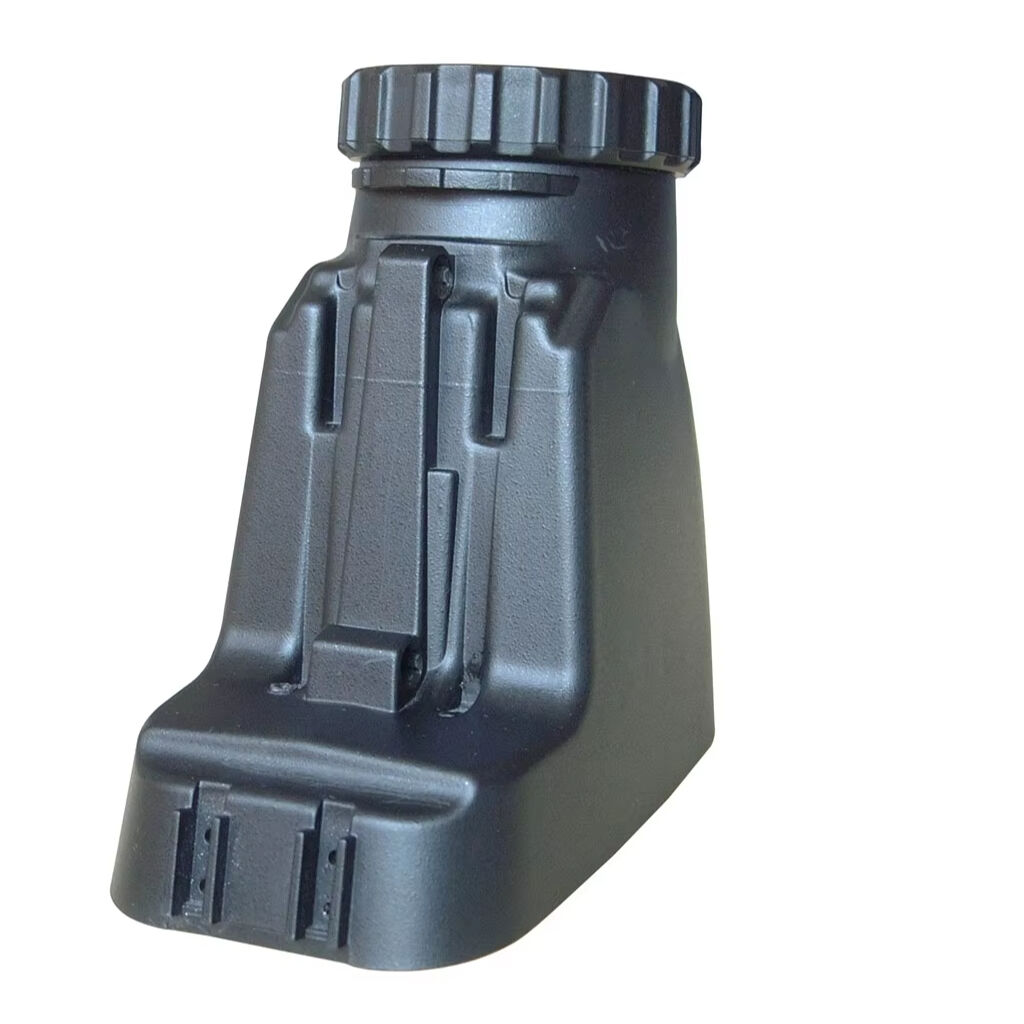
Injection mold technology has revolutionized the manufacturing landscape, transforming how companies produce everything from automotive components to consumer electronics. This sophisticated process enables manufacturers to create complex plastic parts with exceptional precision, consistency, and efficiency at scale. Modern industries rely heavily on injection mold technology to meet demanding production requirements while maintaining strict quality standards and cost-effectiveness. The integration of advanced materials, computer-controlled systems, and innovative design approaches has positioned injection molding as an indispensable manufacturing solution across diverse sectors.
Fundamentals of Injection Molding Process
Core Mechanics and Operating Principles
The injection molding process operates through a carefully orchestrated sequence of heating, injecting, and cooling phases. Raw plastic materials, typically in pellet form, are fed into a heated barrel where they undergo melting and homogenization. The molten plastic is then forcibly injected into a precision-engineered mold cavity under high pressure. This pressure ensures complete cavity filling and proper part formation while minimizing defects such as air pockets or incomplete fills.
Temperature control throughout the process remains critical for achieving optimal results. The barrel heating zones are precisely regulated to maintain consistent melt temperatures, while the mold itself is temperature-controlled to facilitate proper cooling and solidification. Cycle times vary depending on part complexity, wall thickness, and material properties, but modern systems optimize these parameters automatically to maximize throughput while maintaining quality standards.
Material Selection and Properties
Material selection significantly impacts both the molding process and final product characteristics. Thermoplastic materials dominate injection molding applications due to their ability to be repeatedly melted and reformed without chemical degradation. Common materials include polyethylene, polypropylene, polystyrene, ABS, and engineering plastics like nylon and polycarbonate. Each material presents unique processing requirements regarding temperature, pressure, and cooling parameters.
Advanced material formulations incorporate additives to enhance specific properties such as UV resistance, flame retardancy, or mechanical strength. Glass-filled composites provide increased stiffness and dimensional stability, while bio-based materials address environmental concerns. Material selection must balance performance requirements, processing characteristics, and economic considerations to achieve optimal manufacturing outcomes.
Advanced Mold Design and Engineering
Precision Tooling and Cavity Design
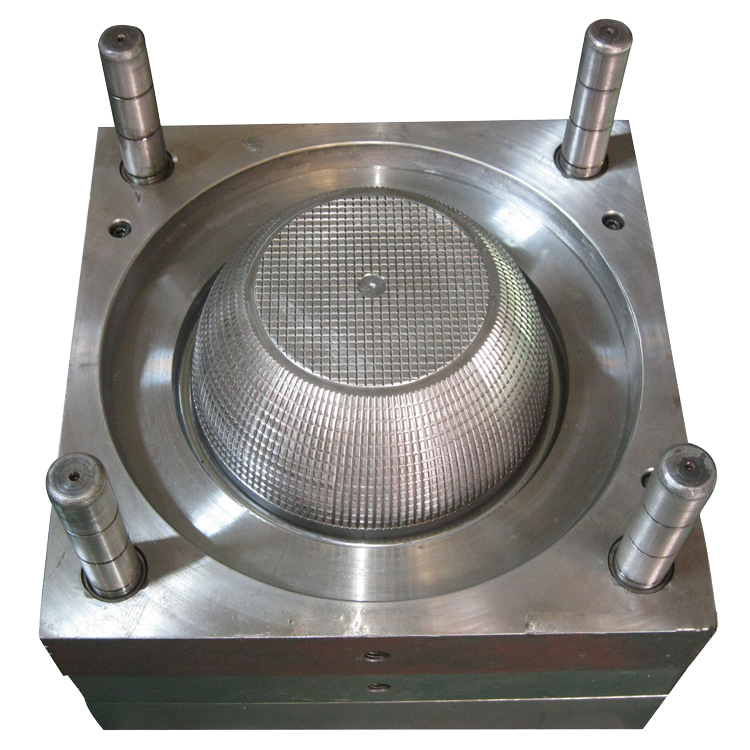
Modern mold design leverages sophisticated CAD software and simulation tools to optimize cavity geometry, gate placement, and cooling channel configuration. Precision machining techniques, including CNC milling and electrical discharge machining, enable the creation of complex geometries with tolerances measured in micrometers. Multi-cavity molds increase production efficiency by producing multiple parts per cycle, while family molds accommodate different part designs within a single tool.
Gate design plays a crucial role in determining part quality and appearance. Hot runner systems maintain molten plastic temperature throughout the distribution network, eliminating gate vestige and reducing material waste. Cold runner designs offer simplicity and cost advantages for certain applications, though they generate more waste material that requires recycling or disposal.
Cooling System Optimization
Efficient cooling system design directly impacts cycle times and part quality. Conformal cooling channels, created through additive manufacturing techniques, follow part contours more closely than traditional straight-drilled channels. This approach achieves more uniform cooling, reduces warpage, and shortens cycle times significantly. Temperature differentials across the part must be minimized to prevent internal stresses and dimensional variations.
Advanced cooling strategies incorporate variable temperature zones to accommodate different wall thicknesses and geometric features. Rapid cooling in thin sections prevents sink marks, while controlled cooling in thick areas ensures complete solidification without void formation. Computational fluid dynamics simulations predict cooling performance and guide optimization efforts before tool construction begins.
Quality Control and Process Monitoring
Real-Time Process Parameters
Modern injection molding systems incorporate extensive monitoring capabilities to track critical process parameters in real-time. Injection pressure curves, melt temperature profiles, and mold cavity pressure measurements provide immediate feedback on process stability. Statistical process control methods identify trends and variations that could indicate developing problems before they result in defective parts.
Automated quality control systems utilize vision inspection, dimensional measurement, and weight checking to verify part conformance. Machine learning algorithms analyze historical data to predict optimal process settings and identify correlation patterns between process variables and quality outcomes. This data-driven approach enables predictive maintenance scheduling and continuous process improvement initiatives.
Dimensional Accuracy and Surface Finish
Achieving consistent dimensional accuracy requires careful control of material shrinkage, mold temperature distribution, and packing pressure profiles. Different plastic materials exhibit varying shrinkage rates that must be compensated through mold design adjustments. Post-molding dimensional changes due to stress relaxation or environmental factors must also be considered during the design phase.
Surface finish quality depends on mold surface preparation, material flow characteristics, and processing conditions. Texture application through chemical etching or laser engraving provides aesthetic appeal while potentially hiding minor surface imperfections. High-gloss finishes require mirror-polished mold surfaces and optimal processing conditions to prevent flow marks or other cosmetic defects.
Industry Applications and Market Impact
Automotive Manufacturing Integration
The automotive industry represents one of the largest consumers of injection molded components, utilizing injection mold technology for interior panels, exterior trim, under-hood components, and structural elements. Weight reduction initiatives drive increased plastic component adoption, with advanced materials replacing traditional metal parts while maintaining structural integrity. Complex geometries achievable through injection molding enable integrated designs that reduce assembly requirements and manufacturing costs.
Electric vehicle development has created new opportunities for injection molded components, including battery housings, charging port covers, and thermal management systems. Specialized materials with enhanced electrical properties, flame resistance, and thermal stability address the unique requirements of electric powertrains. High-volume production capabilities of injection molding support the automotive industry's transition toward electrification while maintaining cost competitiveness.
Consumer Electronics and Medical Devices
Consumer electronics manufacturing relies heavily on injection molding for housing components, connectors, and internal structures. Miniaturization trends require increasingly precise molding capabilities with tight tolerances and smooth surface finishes. Multi-shot molding techniques enable the integration of different materials and colors within a single component, reducing assembly complexity and improving product aesthetics.
Medical device applications demand the highest quality standards, with regulatory compliance requirements driving advanced process control and documentation practices. Biocompatible materials and cleanroom manufacturing environments ensure product safety and regulatory approval. Single-use medical devices benefit from injection molding's high-volume production capabilities and consistent quality delivery, supporting healthcare cost reduction initiatives while maintaining patient safety standards.
Technological Innovations and Future Trends
Industry 4.0 Integration and Smart Manufacturing
Digital transformation initiatives are revolutionizing injection molding operations through IoT connectivity, cloud-based data analytics, and artificial intelligence integration. Smart sensors monitor machine performance, material conditions, and environmental factors continuously, enabling predictive maintenance strategies and optimized production scheduling. Remote monitoring capabilities allow technical experts to diagnose issues and provide support regardless of geographic location.
Machine learning algorithms analyze vast datasets to identify optimal process parameters for new materials or part designs. Digital twins create virtual representations of molding systems, enabling simulation-based optimization and training scenarios without disrupting actual production. Blockchain technology provides secure supply chain tracking and quality documentation, supporting regulatory compliance and customer transparency requirements.
Sustainable Manufacturing Practices
Environmental sustainability concerns are driving innovations in material recycling, energy efficiency, and waste reduction. Closed-loop recycling systems process production waste and end-of-life products into high-quality recycled resins suitable for injection molding applications. Chemical recycling technologies break down complex plastic waste into molecular components for reconstitution into virgin-quality materials.
Energy-efficient molding machines incorporate servo-driven systems, optimized heating technologies, and intelligent power management to reduce electricity consumption significantly. Bio-based and biodegradable materials expand application possibilities while reducing environmental impact. Lightweighting strategies minimize material usage without compromising performance, supporting circular economy principles and resource conservation goals.
Economic Benefits and Cost Optimization
High-Volume Production Economics
Injection molding excels in high-volume production scenarios where tooling costs can be amortized across large quantities. Cycle time optimization, automated material handling, and lights-out manufacturing capabilities maximize throughput while minimizing labor costs. Multi-cavity tooling multiplies production rates without proportional increases in processing time or energy consumption.
Value engineering approaches optimize part design for manufacturing efficiency while maintaining functional requirements. Design for manufacturability principles eliminate unnecessary complexity, reduce material usage, and minimize secondary operations. Standardization of components across product lines leverages economies of scale and simplifies inventory management throughout the supply chain.
Total Cost of Ownership Considerations
Comprehensive cost analysis must consider tooling investment, material costs, processing expenses, quality control requirements, and end-of-life considerations. While initial tooling costs may appear substantial, the per-part cost advantages of injection molding become significant at moderate to high production volumes. Rapid prototyping capabilities using additive manufacturing enable design validation before committing to production tooling investment.
Maintenance scheduling and tool life management impact long-term profitability significantly. Preventive maintenance programs extend mold life while maintaining dimensional accuracy and surface quality. Tool modification capabilities allow design updates without complete tool replacement, supporting product evolution and market responsiveness requirements.
FAQ
What materials are commonly used in injection mold technology
Common materials include thermoplastics such as polyethylene, polypropylene, ABS, polystyrene, nylon, and polycarbonate. Engineering plastics like PEEK, POM, and glass-filled composites serve specialized applications requiring enhanced mechanical or thermal properties. Material selection depends on part requirements, processing characteristics, and economic considerations, with new bio-based and recycled options expanding available choices for sustainable manufacturing initiatives.
How does injection molding compare to other manufacturing processes
Injection molding offers superior dimensional accuracy, surface finish quality, and production speed compared to many alternative processes. While tooling costs are higher than processes like 3D printing or machining, per-part costs become very competitive at moderate to high volumes. The process enables complex geometries, thin walls, and integrated features that would be difficult or impossible with other manufacturing methods, making it ideal for mass production applications.
What factors influence injection molding cycle times
Cycle times depend on part wall thickness, material properties, mold design, and cooling system efficiency. Thicker sections require longer cooling times to achieve complete solidification, while thin walls cool rapidly but may present filling challenges. Mold temperature, injection pressure, and cooling channel design significantly impact overall cycle duration. Advanced process control systems optimize these parameters automatically to minimize cycle times while maintaining quality standards.
How important is mold maintenance for production quality
Regular mold maintenance is critical for maintaining dimensional accuracy, surface quality, and production efficiency. Preventive maintenance schedules include cleaning, lubrication, wear component replacement, and dimensional verification. Proper maintenance extends tool life significantly while preventing costly production interruptions due to unexpected failures. Advanced monitoring systems track mold performance metrics to predict maintenance needs and optimize scheduling for minimal production impact.