
 EN
EN



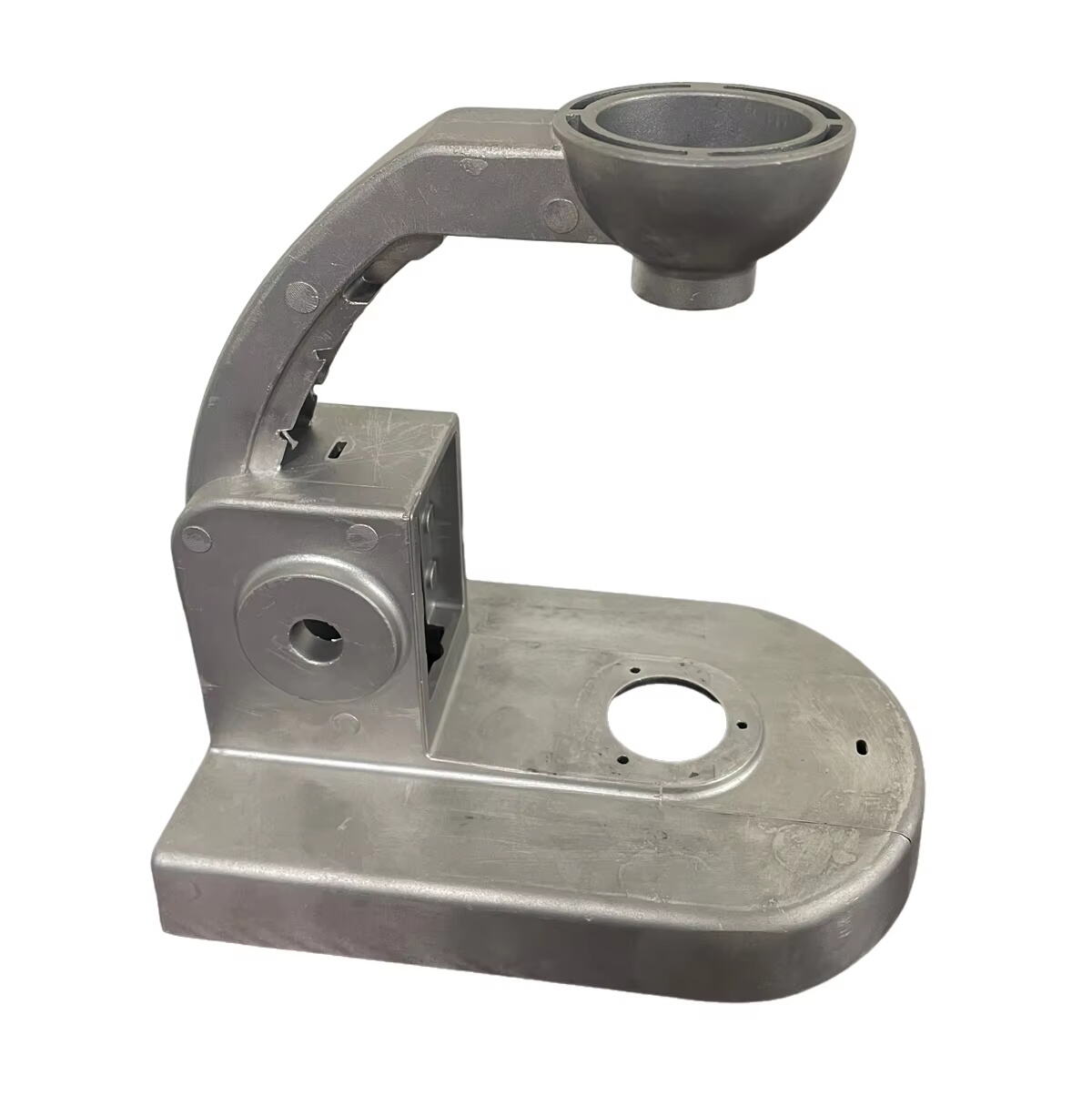
Insert molding represents a revolutionary manufacturing process that combines the strength of metal components with the versatility of plastic materials. This advanced technique creates durable, integrated parts by placing pre-formed metal inserts into injection molds before introducing molten plastic. The result is a unified component that leverages the best properties of both materials, offering superior performance across numerous industrial applications. Modern manufacturers increasingly rely on insert molding to produce complex assemblies that would otherwise require multiple assembly steps, reducing production time and costs while enhancing product reliability.
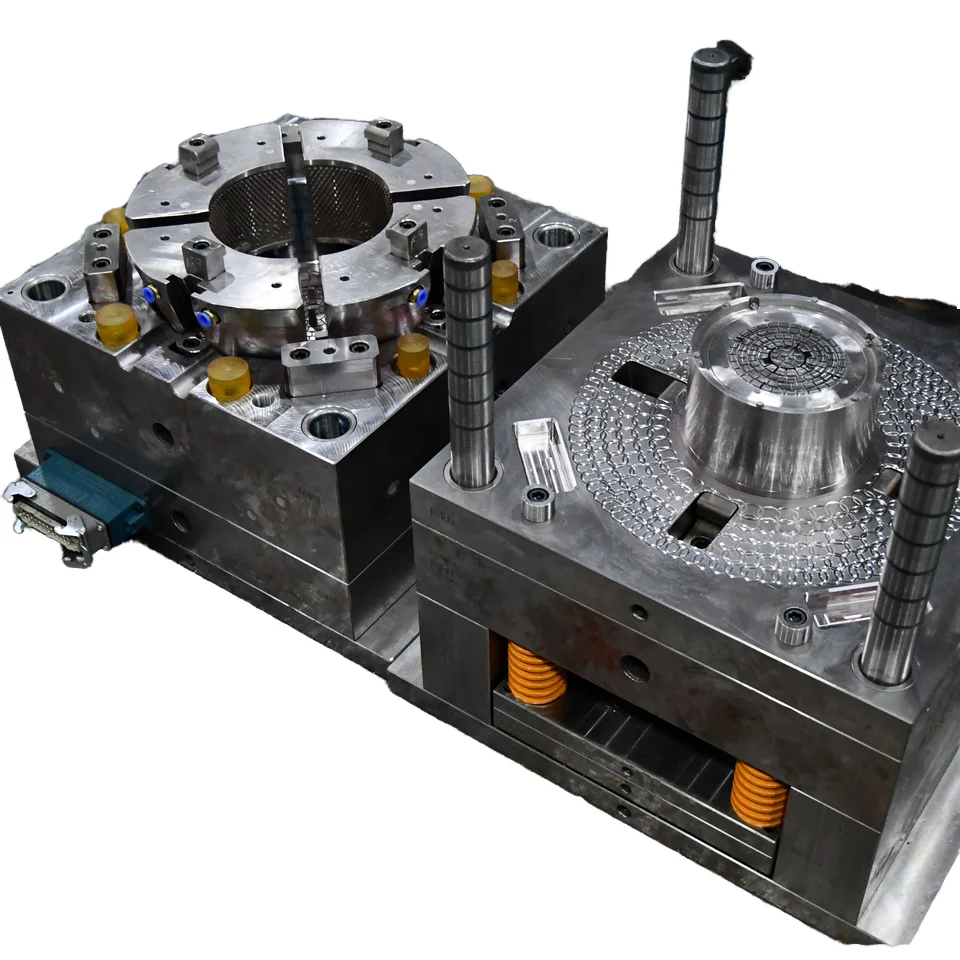
Understanding the Insert Molding Process
Core Mechanics of Insert Molding
The insert molding process begins with precision placement of metal components within a specially designed injection mold. These metal inserts, typically made from materials like steel, brass, or aluminum, are positioned using fixtures or robotic systems to ensure exact placement. Once secured, molten plastic is injected around the insert under high pressure and temperature. The plastic flows around the metal component, creating mechanical bonds and sometimes chemical adhesion depending on the materials used. This process requires careful temperature control to prevent thermal shock to the metal insert while ensuring proper plastic flow and bonding.
Temperature management during insert molding is critical for achieving optimal results. The metal insert must be preheated to a specific temperature that allows proper plastic adhesion without causing thermal expansion issues. The plastic injection temperature must be precisely controlled to ensure complete filling around complex geometries while preventing degradation of either material. Cooling rates are also carefully managed to minimize internal stresses that could compromise the bond between materials or cause warpage in the finished part.
Material Selection and Compatibility
Successful insert molding requires careful consideration of material compatibility between the metal insert and plastic overmold. The thermal expansion coefficients of both materials must be analyzed to prevent stress concentration during temperature cycling. Common plastic materials used in insert molding include nylon, polycarbonate, ABS, and specialized engineering plastics that offer enhanced adhesion properties. The choice of plastic depends on the application requirements including mechanical properties, chemical resistance, and environmental conditions the finished part will encounter.
Metal insert preparation often involves surface treatments to enhance adhesion with the plastic material. Techniques such as knurling, chemical etching, or application of adhesion promoters create microscopic anchoring points for improved mechanical bonding. Some applications utilize specialized coatings that promote chemical bonding between dissimilar materials, creating stronger interfaces than purely mechanical connections.
Advantages of Insert Molding Technology
Enhanced Mechanical Properties
Insert molding creates parts with superior mechanical properties compared to purely plastic components. The metal insert provides structural reinforcement in critical stress areas, allowing designers to optimize part geometry for specific loading conditions. This combination enables the production of lightweight components that maintain high strength-to-weight ratios essential in automotive, aerospace, and consumer electronics applications. The integrated design eliminates potential failure points associated with secondary assembly operations such as press-fitting or threading.
The mechanical advantages extend beyond simple reinforcement. Insert molding enables the creation of complex internal geometries that would be impossible to machine or assemble using traditional methods. Metal inserts can incorporate features like threaded holes, electrical contacts, or precision bearing surfaces while the plastic overmold provides sealing, insulation, or ergonomic features. This integration reduces part count and assembly complexity while improving overall product reliability.
Cost-Effectiveness and Production Efficiency
Although initial tooling costs for insert molding may be higher than conventional injection molding, the overall production economics often favor this approach. Eliminating secondary assembly operations reduces labor costs and potential quality issues associated with manual assembly processes. The single-step production process also reduces inventory requirements and simplifies supply chain management. High-volume production runs particularly benefit from these efficiencies, as the automated nature of insert molding enables consistent quality and rapid cycle times.
Insert molding also provides significant advantages in terms of design flexibility and product miniaturization. Engineers can create compact assemblies that integrate multiple functions within a single molded part. This capability is particularly valuable in electronic devices where space constraints drive design decisions. The process enables the production of hermetically sealed components that protect sensitive electronic circuits while providing necessary mechanical interfaces and environmental protection.
Applications Across Industries
Automotive Industry Applications
The automotive industry extensively utilizes insert molding for producing integrated components that meet stringent performance and safety requirements. Common applications include electrical connectors with metal terminals overmolded with plastic housings, providing both electrical conductivity and environmental protection. Structural components often incorporate metal reinforcements within plastic bodies to achieve required crash performance while maintaining weight targets. Insert molding enables the production of complex sensor housings that integrate metal mounting features with plastic protective enclosures.
Advanced automotive applications leverage insert molding for creating hybrid components that combine different material properties within single assemblies. Examples include brake system components where metal reinforcements provide structural integrity while plastic elements offer corrosion resistance and weight reduction. The process also enables integration of smart features such as embedded sensors or heating elements within structural components, supporting the development of advanced driver assistance systems and autonomous vehicle technologies.
Electronics and Consumer Products
Electronic device manufacturers rely heavily on insert molding for creating reliable interconnect solutions and protective housings. The process enables production of waterproof connectors where metal contacts are precisely positioned within plastic housings that provide environmental sealing. Consumer electronics benefit from insert molding through the creation of durable charging ports, antenna assemblies, and structural components that integrate metal reinforcements for drop protection while maintaining aesthetic plastic surfaces.
Medical device applications of insert molding require exceptional precision and biocompatibility considerations. Surgical instruments often incorporate metal functional elements within plastic handles or housings that provide ergonomic features and sterilization compatibility. Diagnostic equipment utilizes insert molding for creating hermetically sealed sensor assemblies that protect sensitive electronic components while providing necessary mechanical interfaces for installation and maintenance.
Design Considerations and Best Practices
Geometric Design Guidelines
Successful insert molding requires careful attention to geometric design principles that ensure proper plastic flow and material bonding. Sharp corners and sudden thickness transitions should be avoided around insert interfaces to prevent stress concentrations and flow disruptions. Gradual transitions and appropriate fillet radii promote uniform plastic distribution and reduce the likelihood of void formation or incomplete filling around complex insert geometries.
Wall thickness considerations in insert molding differ from conventional injection molding due to the presence of metal components. Uniform wall thickness around inserts promotes even cooling and reduces internal stresses that could compromise part integrity. Draft angles must be carefully designed to facilitate part ejection while maintaining proper insert retention during the molding process. Gate placement becomes critical in insert molding applications, as plastic flow paths must be optimized to prevent insert displacement while ensuring complete cavity filling.
Quality Control and Validation
Quality control in insert molding requires comprehensive testing protocols that validate both the individual material properties and the interface bonding strength. Pull-out tests determine the mechanical strength of the plastic-to-metal bond under various loading conditions. Thermal cycling tests evaluate the long-term stability of the material interface under temperature variations that simulate real-world operating conditions. Non-destructive testing methods such as ultrasonic inspection can detect internal voids or bonding defects without compromising part integrity.
Process monitoring during insert molding production involves tracking critical parameters such as injection pressure, temperature profiles, and cycle times. Statistical process control helps identify trends that might indicate tooling wear or process drift before quality issues occur. Advanced monitoring systems can track individual insert positioning accuracy and detect potential issues with automated loading systems that could affect part quality or production efficiency.
Future Trends and Technological Advances
Advanced Materials and Processes
Emerging developments in insert molding technology focus on expanding material compatibility and process capabilities. New adhesion promoter technologies enable bonding between previously incompatible material combinations, opening new application possibilities. Advanced plastic formulations with enhanced thermal and chemical properties extend the operating envelope for insert molded components in demanding applications such as aerospace and energy generation systems.
Micro insert molding represents a growing segment that enables production of miniaturized components for medical devices, electronics, and precision instruments. This specialized process requires extremely precise insert handling and positioning systems capable of working with components measuring fractions of a millimeter. Advanced mold technologies incorporate micro-scale features and precise temperature control systems that enable successful molding of complex geometries at microscopic scales.
Industry 4.0 Integration
Smart manufacturing technologies are transforming insert molding operations through integration of sensors, data analytics, and automated decision-making systems. Real-time monitoring of process parameters enables predictive maintenance strategies that minimize unplanned downtime and optimize production efficiency. Machine learning algorithms analyze historical production data to identify optimal process parameters for new part designs and material combinations.
Robotic systems for insert handling continue to advance with improved precision and flexibility capabilities. Vision-guided robots can adapt to variations in insert dimensions and positioning requirements, reducing setup times for new products and improving overall process reliability. Collaborative robotics enable safe human-robot interaction in insert molding operations, combining human flexibility with robotic precision and consistency.
FAQ
What types of metals work best for insert molding applications
The most commonly used metals for insert molding include stainless steel, brass, aluminum, and various steel alloys. Material selection depends on the specific application requirements including strength, corrosion resistance, and thermal properties. Stainless steel offers excellent corrosion resistance for harsh environments, while brass provides good electrical conductivity for electronic applications. Aluminum inserts are preferred when weight reduction is critical, such as in aerospace or automotive applications.
How does insert molding compare to overmolding in terms of cost and performance
Insert molding typically involves placing pre-formed components into the mold before plastic injection, while overmolding applies plastic material over an existing substrate. Insert molding generally provides stronger mechanical bonds and better integration of dissimilar materials, but may require more complex tooling and setup procedures. Cost considerations include tooling complexity, cycle time, and material waste, with insert molding often being more economical for high-volume production runs.
What are the key factors affecting bond strength between metal inserts and plastic
Bond strength in insert molding depends on several critical factors including surface preparation, material compatibility, processing temperature, and cooling rate. Proper surface treatments such as knurling or chemical etching significantly improve mechanical bonding. Material selection must consider thermal expansion coefficients to minimize stress during temperature cycling. Processing parameters including injection pressure, temperature, and cooling rate must be optimized to achieve maximum bond strength while preventing thermal damage to components.
Can insert molding be used with recycled plastic materials
Insert molding can successfully utilize recycled plastic materials, though careful consideration of material properties is essential. Recycled plastics may have different flow characteristics and bonding properties compared to virgin materials, requiring process parameter adjustments. Material testing and validation are crucial when using recycled content to ensure adequate bond strength and part performance. Many manufacturers successfully incorporate recycled content in insert molding applications while maintaining quality standards and reducing environmental impact.