
 EN
EN



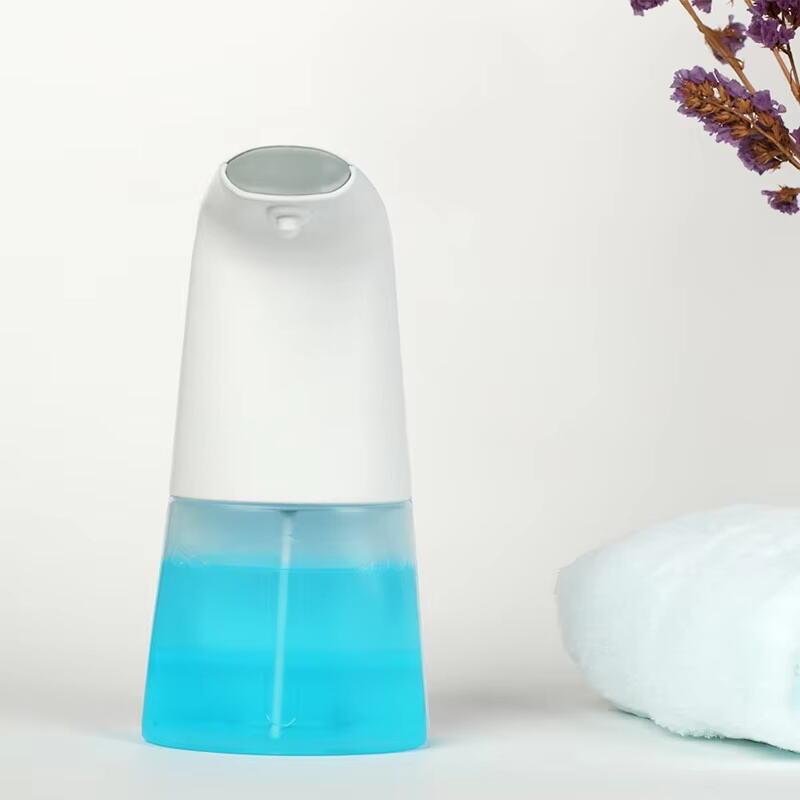
Manufacturing excellence in today's competitive market demands precision, durability, and cost-effectiveness across diverse industries. Overmolding has emerged as a revolutionary manufacturing technique that transforms how consumer goods and medical devices are produced, offering unparalleled benefits in design flexibility and performance enhancement. This advanced process combines multiple materials into a single, cohesive product, creating superior functionality while reducing assembly time and manufacturing costs. Industries worldwide are increasingly adopting overmolding solutions to meet stringent quality requirements and consumer expectations for innovative, reliable products.
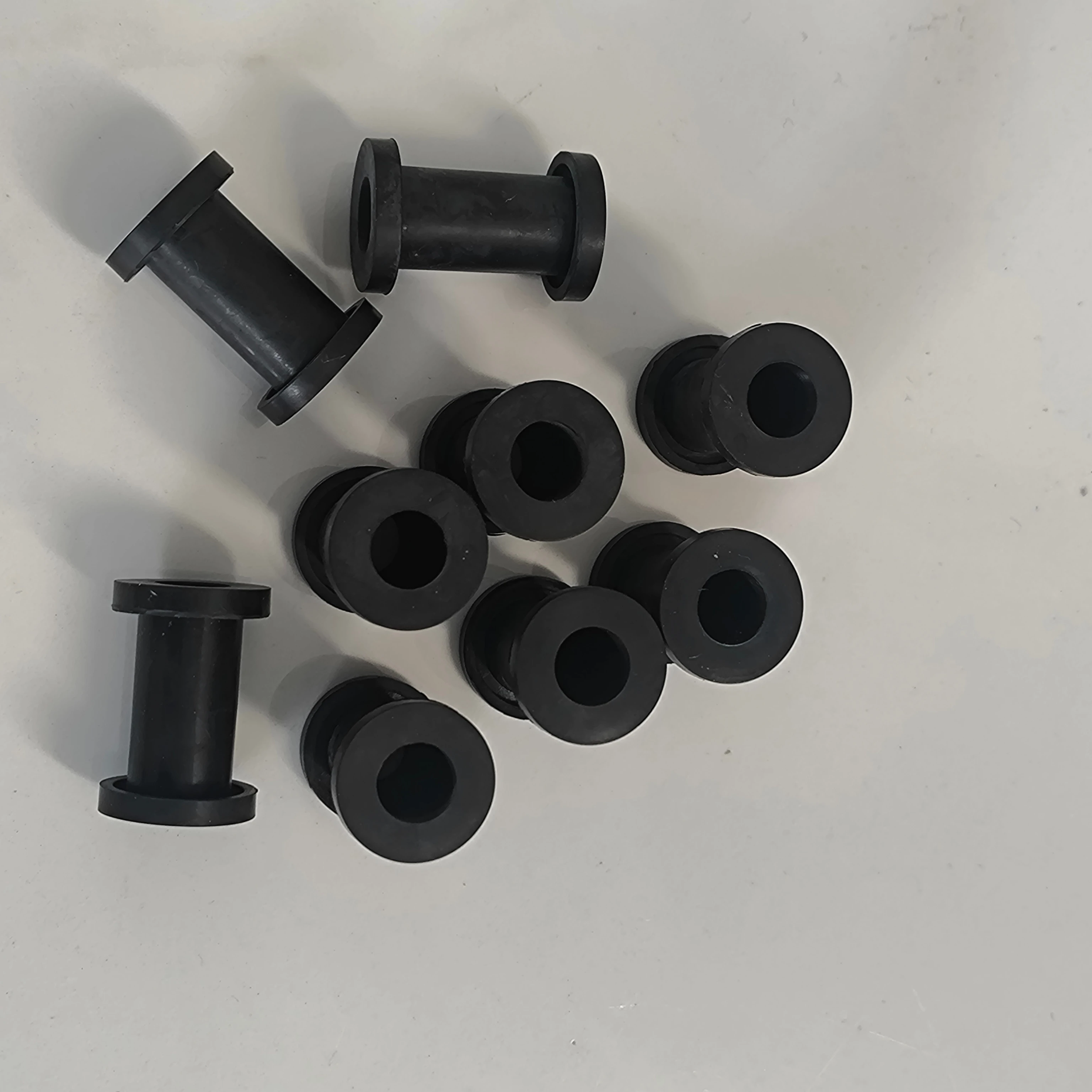
Understanding the Overmolding Process
Technical Foundation of Multi-Material Integration
The overmolding process represents a sophisticated manufacturing approach where one material is molded over another pre-existing component or substrate. This technique creates a permanent bond between different materials, typically combining rigid plastics with flexible elastomers or rubbers. The process begins with the injection of a base material into a mold cavity, followed by the injection of a secondary material that encapsulates or bonds with the first component. Temperature control, pressure management, and material compatibility are critical factors that determine the success of the overmolding operation.
Modern overmolding equipment utilizes advanced injection molding machines with rotating platens or robotic transfer systems to move parts between different mold stations. The process requires precise timing and temperature coordination to ensure proper material adhesion without compromising the integrity of either component. Material selection plays a crucial role, as the secondary material must chemically bond with the substrate while maintaining its distinct properties and characteristics throughout the product's operational lifecycle.
Material Compatibility and Selection Criteria
Successful overmolding depends heavily on understanding material compatibility and chemical bonding mechanisms between different polymers and elastomers. Thermoplastic elastomers, silicone rubbers, and various polyurethanes are commonly used as overmolding materials due to their excellent adhesion properties and flexibility characteristics. The substrate material, often a rigid thermoplastic like ABS, polycarbonate, or nylon, must be carefully selected to ensure optimal bonding with the overmolded component.
Material engineers consider factors such as melting temperatures, chemical compatibility, thermal expansion coefficients, and long-term stability when developing overmolding solutions. Advanced testing methods, including peel strength tests and environmental stress evaluations, validate material combinations before full-scale production implementation. This comprehensive approach ensures that overmolded products maintain their performance characteristics across varied operating conditions and extended service life requirements.
Consumer Goods Applications and Benefits
Enhanced User Experience Through Ergonomic Design
Consumer product manufacturers leverage overmolding technology to create ergonomic designs that significantly improve user experience and product appeal. Soft-touch grips on hand tools, comfortable handles on kitchen appliances, and non-slip surfaces on electronic devices demonstrate how overmolding enhances functionality while maintaining aesthetic appeal. The process allows designers to incorporate multiple textures, colors, and material properties into a single component, eliminating the need for secondary assembly operations.
Overmolding enables the creation of products with superior grip characteristics, vibration dampening properties, and enhanced tactile feedback. Sports equipment, automotive components, and household appliances benefit from this technology by offering improved user comfort and reduced fatigue during extended use. The seamless integration of materials also eliminates potential failure points that might occur in traditionally assembled products, resulting in increased reliability and customer satisfaction.
Cost-Effective Manufacturing and Assembly Reduction
The economic advantages of overmolding in consumer goods manufacturing extend beyond initial production costs to encompass reduced assembly time, lower labor requirements, and improved product quality consistency. Traditional multi-component assemblies often require adhesives, mechanical fasteners, or complex joining processes that increase manufacturing complexity and potential quality issues. Overmolding eliminates these concerns by creating a monolithic structure that combines multiple materials in a single manufacturing step.
Production efficiency improvements through overmolding result in faster cycle times, reduced inventory requirements, and streamlined quality control processes. Manufacturers can eliminate secondary operations such as painting, pad printing, or mechanical assembly, reducing overall production costs while improving product consistency. The reduced part count also simplifies supply chain management and reduces the risk of component shortages or quality variations from multiple suppliers.
Medical Device Applications and Regulatory Compliance
Biocompatibility and Safety Considerations
Medical device manufacturing demands the highest standards of biocompatibility, sterility, and patient safety, making overmolding an ideal solution for creating complex medical components with integrated functionality. The process allows manufacturers to combine biocompatible substrates with medical-grade elastomers, creating devices that meet stringent FDA and ISO regulatory requirements. Surgical instruments, diagnostic equipment housings, and patient monitoring devices benefit from overmolding technology through improved functionality and patient comfort.
Material selection for medical overmolding applications requires extensive validation and testing to ensure compliance with USP Class VI, ISO 10993, and other relevant biocompatibility standards. Silicone elastomers, thermoplastic polyurethanes, and specialized medical-grade materials undergo rigorous evaluation for cytotoxicity, sensitization, and implantation responses. The overmolding process itself must be validated to ensure that no contamination or material degradation occurs during manufacturing, maintaining the integrity of biocompatible properties throughout the product lifecycle.
Precision and Repeatability in Critical Applications
Medical device applications require exceptional precision and repeatability, characteristics that overmolding processes can deliver through advanced process control and monitoring systems. Dimensional tolerances, material distribution consistency, and bond strength uniformity are critical factors that determine the success of medical overmolding applications. Process validation protocols ensure that every manufactured component meets specification requirements and maintains consistent performance across production batches.
Advanced quality management systems incorporate real-time monitoring of injection pressures, temperatures, and cycle times to maintain process stability and product consistency. Statistical process control methods identify potential variations before they impact product quality, ensuring that medical devices maintain their critical performance characteristics. Traceability systems track material lots, process parameters, and quality data throughout the manufacturing process, enabling comprehensive documentation for regulatory compliance and post-market surveillance requirements.
Design Flexibility and Innovation Opportunities
Complex Geometries and Multi-Functional Integration
Overmolding technology opens new possibilities for product designers by enabling the creation of complex geometries and multi-functional components that would be impossible or impractical with traditional manufacturing methods. The process allows for the integration of flexible sealing elements, vibration dampening features, and decorative elements into rigid structural components. This design freedom enables engineers to optimize product performance while reducing overall system complexity and manufacturing costs.
Advanced overmolding techniques support the creation of products with integrated electrical conductivity, electromagnetic shielding, or specialized surface properties. Conductive elastomers can be overmolded onto plastic substrates to create touch-sensitive surfaces or EMI shielding components. Similarly, materials with specific optical, thermal, or chemical resistance properties can be strategically placed using overmolding technology to enhance product functionality without compromising structural integrity.
Customization and Brand Differentiation
Market differentiation through product customization becomes more achievable with overmolding technology, allowing manufacturers to create unique product variants without significant tooling modifications. Color combinations, texture variations, and material property differences can be incorporated into product designs to meet specific market requirements or customer preferences. This flexibility enables rapid response to market trends and customer feedback without extensive development cycles or tooling investments.
Brand identity integration through overmolding allows manufacturers to incorporate logos, textures, and distinctive design elements directly into product structures. This approach eliminates the need for secondary labeling or decorating operations while ensuring that brand elements remain integral to the product throughout its service life. The permanent nature of overmolded features provides superior durability compared to applied labels or surface treatments that may degrade over time.
Quality Control and Manufacturing Excellence
Process Monitoring and Validation
Quality control in overmolding operations requires sophisticated monitoring systems that track multiple process variables simultaneously to ensure consistent product quality and performance. Temperature control across multiple heating zones, injection pressure profiles, and cooling rates must be precisely managed to achieve optimal material bonding and dimensional accuracy. Real-time data collection systems enable immediate detection of process variations that could impact product quality or performance characteristics.
Validation protocols for overmolding processes include comprehensive testing of bond strength, dimensional accuracy, and material properties across representative production samples. These protocols ensure that manufacturing processes remain within established control limits and continue to produce products that meet specification requirements. Regular process audits and capability studies verify ongoing manufacturing excellence and identify opportunities for continuous improvement in quality and efficiency.
Testing and Performance Verification
Comprehensive testing programs for overmolded products encompass mechanical property evaluation, environmental stress testing, and long-term performance validation to ensure product reliability and customer satisfaction. Bond strength testing, including peel and shear strength measurements, verifies the integrity of material interfaces under various loading conditions. Environmental testing exposes products to temperature extremes, humidity variations, and chemical exposure scenarios that simulate real-world operating conditions.
Performance verification protocols include accelerated aging tests, fatigue evaluations, and functionality assessments that predict product behavior throughout its intended service life. These testing programs provide confidence in product reliability while identifying potential improvement opportunities in material selection or process optimization. Comprehensive documentation of testing results supports regulatory compliance requirements and provides valuable data for continuous product development and enhancement initiatives.
Environmental Impact and Sustainability
Material Efficiency and Waste Reduction
Overmolding technology contributes to environmental sustainability through improved material efficiency and reduced manufacturing waste compared to traditional assembly methods. The process eliminates the need for adhesives, mechanical fasteners, and secondary joining materials that may not be recyclable or may complicate end-of-life product disposal. Single-step manufacturing reduces energy consumption and transportation requirements associated with multi-component assembly operations.
Material utilization efficiency in overmolding processes minimizes waste generation through precise material placement and reduced trimming requirements. Advanced runner systems and hot runner technology further reduce material waste while improving cycle times and energy efficiency. These improvements contribute to overall manufacturing sustainability while reducing production costs and environmental impact throughout the product lifecycle.
Recyclability and End-of-Life Considerations
Environmental responsibility in overmolding applications requires careful consideration of material compatibility and recyclability to support circular economy principles. Material selection strategies prioritize recyclable thermoplastics and elastomers that can be separated and processed at end-of-life. Design for disassembly principles guide product development to facilitate material recovery and recycling operations.
Sustainable overmolding practices include the use of bio-based materials, recycled content incorporation, and manufacturing process optimization to reduce energy consumption and carbon footprint. Life cycle assessment methodologies evaluate environmental impact across material extraction, manufacturing, use, and disposal phases to identify improvement opportunities. These comprehensive approaches ensure that overmolding technology contributes to sustainable manufacturing goals while maintaining product performance and quality requirements.
Industry Trends and Future Developments
Advanced Materials and Technology Integration
Emerging trends in overmolding technology focus on advanced material systems that incorporate smart materials, conductive elements, and responsive polymers into traditional overmolding processes. These innovations enable the creation of products with integrated sensing capabilities, self-healing properties, and adaptive functionality. Nanotechnology integration enhances material properties while maintaining processing compatibility with existing overmolding equipment and techniques.
Digital manufacturing technologies, including Industry 4.0 principles and IoT connectivity, transform overmolding operations through real-time process optimization, predictive maintenance, and quality assurance automation. Machine learning algorithms analyze process data to optimize parameters and predict potential quality issues before they impact production. These technological advances improve manufacturing efficiency while reducing costs and enhancing product quality consistency.
Market Growth and Application Expansion
Market expansion for overmolding technology continues across diverse industries as manufacturers recognize the benefits of integrated design and manufacturing efficiency. Automotive applications increasingly utilize overmolding for interior components, electronic housings, and structural elements that require multiple material properties. Electronics manufacturers adopt overmolding solutions for device housings, cable assemblies, and user interface components that demand durability and aesthetic appeal.
Healthcare industry adoption of overmolding technology accelerates as medical device complexity increases and regulatory requirements demand higher performance standards. Pharmaceutical packaging applications benefit from overmolding through improved tamper resistance, child safety features, and integrated identification elements. These expanding applications drive continued innovation in materials, processes, and equipment design to meet evolving market requirements and performance expectations.
FAQ
What materials are commonly used in overmolding processes
Common overmolding materials include thermoplastic elastomers such as TPU and TPE, silicone rubbers, and various polyurethane formulations. The substrate materials typically consist of rigid thermoplastics like ABS, polycarbonate, nylon, or polypropylene. Material selection depends on the specific application requirements, including mechanical properties, chemical compatibility, and environmental resistance. Medical applications often require USP Class VI or ISO 10993 certified materials, while consumer products may prioritize cost-effectiveness and aesthetic properties.
How does overmolding compare to traditional assembly methods in terms of cost
Overmolding typically offers cost advantages over traditional assembly methods through reduced labor requirements, eliminated secondary operations, and improved production efficiency. While initial tooling costs may be higher, the elimination of adhesives, mechanical fasteners, and assembly labor often results in lower overall production costs. The single-step manufacturing process reduces inventory requirements and simplifies quality control, further contributing to cost savings. However, the economic benefits depend on production volumes, part complexity, and specific application requirements.
What quality control measures are essential for overmolding operations
Essential quality control measures for overmolding include real-time monitoring of injection temperatures, pressures, and cycle times to ensure consistent processing conditions. Bond strength testing through peel and shear tests validates material adhesion quality, while dimensional inspection ensures part accuracy and consistency. Material traceability systems track raw material lots and process parameters for comprehensive documentation. Regular process capability studies and statistical process control methods identify potential variations before they impact product quality, ensuring consistent performance across production batches.
Can overmolding be used with recycled or sustainable materials
Yes, overmolding processes can incorporate recycled materials and sustainable alternatives, though careful evaluation of material properties and compatibility is essential. Recycled thermoplastics can serve as substrate materials when their mechanical properties meet application requirements. Bio-based elastomers and thermoplastic elastomers offer sustainable alternatives to traditional petroleum-based materials. However, material degradation from recycling processes may affect bond strength and long-term performance, requiring thorough testing and validation. Sustainable material selection must balance environmental benefits with performance requirements and regulatory compliance, particularly in medical and safety-critical applications.
Table of Contents
- Understanding the Overmolding Process
- Consumer Goods Applications and Benefits
- Medical Device Applications and Regulatory Compliance
- Design Flexibility and Innovation Opportunities
- Quality Control and Manufacturing Excellence
- Environmental Impact and Sustainability
- Industry Trends and Future Developments
- FAQ