
 EN
EN




Manufacturing companies constantly seek innovative methods to reduce production costs while maintaining product quality and performance standards. Insert molding has emerged as a transformative manufacturing process that combines multiple materials into a single component during the injection molding cycle. This advanced technique eliminates the need for secondary assembly operations by integrating metal inserts, electronics, or other components directly into plastic parts. The process offers significant advantages in terms of cost reduction, improved product reliability, and enhanced manufacturing efficiency across various industries including automotive, electronics, medical devices, and consumer goods.
Understanding the Insert Molding Process
Fundamental Principles of Insert Molding
Insert molding represents a sophisticated manufacturing technique where pre-formed components are placed into an injection mold cavity before plastic material injection occurs. The molten plastic flows around these inserts, creating a permanent mechanical and sometimes chemical bond between dissimilar materials. This process requires precise coordination between insert placement, mold design, and injection parameters to achieve optimal results. The insert molding technique enables manufacturers to create complex assemblies that would otherwise require multiple manufacturing steps and assembly operations.
The success of insert molding depends heavily on proper insert design, material compatibility, and thermal considerations during the molding cycle. Engineers must carefully evaluate the thermal expansion coefficients of both the insert material and the plastic to prevent stress concentrations or part failure. Additionally, the insert geometry must facilitate proper plastic flow and minimize air entrapment that could compromise the bond integrity or create cosmetic defects in the finished product.
Material Compatibility and Selection Criteria
Successful insert molding requires careful consideration of material properties to ensure optimal bonding and performance characteristics. Common insert materials include various metals such as brass, steel, aluminum, and specialized alloys that offer specific properties like conductivity, strength, or corrosion resistance. The plastic materials used in insert molding must exhibit appropriate flow characteristics, thermal stability, and chemical compatibility with the insert materials to create durable assemblies.
Material selection significantly impacts the overall cost-effectiveness of the insert molding process. Engineers must balance performance requirements with material costs, processing complexity, and long-term durability considerations. The thermal properties of both materials must be compatible to prevent differential expansion issues that could lead to stress cracking or bond failure over the product lifecycle.
Cost Reduction Benefits Through Insert Molding
Elimination of Secondary Assembly Operations
One of the most significant cost advantages of insert molding stems from the elimination or reduction of secondary assembly operations traditionally required to combine different materials and components. Conventional manufacturing approaches often involve multiple steps including component fabrication, surface preparation, adhesive application, mechanical fastening, and quality inspection at each stage. Insert molding consolidates these operations into a single manufacturing step, dramatically reducing labor costs, handling time, and potential quality issues associated with multi-step assembly processes.
The consolidation of manufacturing steps through insert molding also reduces work-in-progress inventory, storage requirements, and material handling equipment needs. This streamlined approach enables manufacturers to achieve faster production cycles, reduced floor space requirements, and improved overall equipment effectiveness. The elimination of assembly operations also reduces the potential for human error and quality variations that can occur during manual assembly processes.
Reduced Material Waste and Scrap Rates
Insert molding typically generates less material waste compared to traditional assembly methods that may require adhesives, fasteners, or joining materials. The process eliminates the need for consumable assembly materials such as screws, clips, adhesives, or welding consumables that add to the overall material cost. Additionally, the precision nature of insert molding operations typically results in lower scrap rates and improved first-pass yield compared to multi-step assembly processes where errors can compound throughout the manufacturing sequence.
The reduced scrap rates associated with insert molding contribute to improved material utilization efficiency and lower overall production costs. When properly implemented, insert molding processes can achieve remarkably consistent quality levels that minimize the need for rework or component rejection. This consistency translates directly into cost savings through improved material yield and reduced quality-related expenses.
Production Efficiency Improvements
Streamlined Manufacturing Workflows
Insert molding significantly streamlines manufacturing workflows by consolidating multiple production steps into a single, integrated process. Traditional manufacturing approaches often require separate facilities, equipment, and personnel for component fabrication, surface treatment, assembly, and quality control. Insert molding enables manufacturers to produce finished assemblies directly from raw materials, eliminating intermediate steps and reducing overall production lead times.
The streamlined workflow associated with insert molding also reduces the complexity of production planning and scheduling. Manufacturers can achieve more predictable production cycles and improved delivery performance when dealing with fewer manufacturing variables and dependencies. This simplified approach often results in reduced overhead costs and improved resource utilization across the manufacturing organization.
Enhanced Product Quality and Reliability
Insert molding typically produces superior product quality compared to assembled alternatives due to the intimate bonding achieved between materials during the molding process. The molecular-level integration that occurs during insert molding creates stronger, more durable connections than mechanical fasteners or adhesive bonds. This enhanced reliability translates into reduced warranty costs, improved customer satisfaction, and potential premium pricing opportunities for manufacturers.
The consistent quality achievable through insert molding processes also enables manufacturers to implement more aggressive quality assurance strategies, potentially reducing inspection requirements and associated costs. The predictable nature of the molding process allows for statistical process control implementation that can further improve quality consistency while reducing quality-related expenses.
Industry Applications and Case Studies
Automotive Industry Applications
The automotive industry has extensively adopted insert molding for various applications including electrical connectors, sensor housings, and structural components. Insert molding enables automotive manufacturers to create lightweight, durable assemblies that meet stringent performance and safety requirements while reducing overall production costs. Common applications include overmolded electrical connectors that eliminate the need for separate sealing operations and reduce assembly complexity.
Automotive insert molding applications often involve specialized materials designed to withstand harsh operating environments including extreme temperatures, chemical exposure, and mechanical stress. The cost benefits of insert molding in automotive applications are particularly pronounced due to the high production volumes and stringent quality requirements typical of this industry. Manufacturers can achieve significant cost reductions while improving product performance and reliability through strategic insert molding implementation.
Electronics and Consumer Goods Manufacturing
Electronics manufacturers utilize insert molding extensively for creating housings, connectors, and protective enclosures that integrate metal components with plastic structures. This approach enables the production of sophisticated electronic assemblies that would be difficult or expensive to achieve through traditional assembly methods. Insert molding is particularly valuable in electronics applications where electromagnetic shielding, thermal management, or precise dimensional requirements are critical.
Consumer goods manufacturers leverage insert molding to create products with enhanced functionality and aesthetic appeal while maintaining competitive pricing. The process enables the integration of metal hardware, decorative elements, or functional components directly into plastic housings, reducing assembly requirements and improving product durability. This approach is particularly beneficial for high-volume consumer products where cost optimization is critical for market competitiveness.
Implementation Considerations and Best Practices
Mold Design and Tooling Requirements
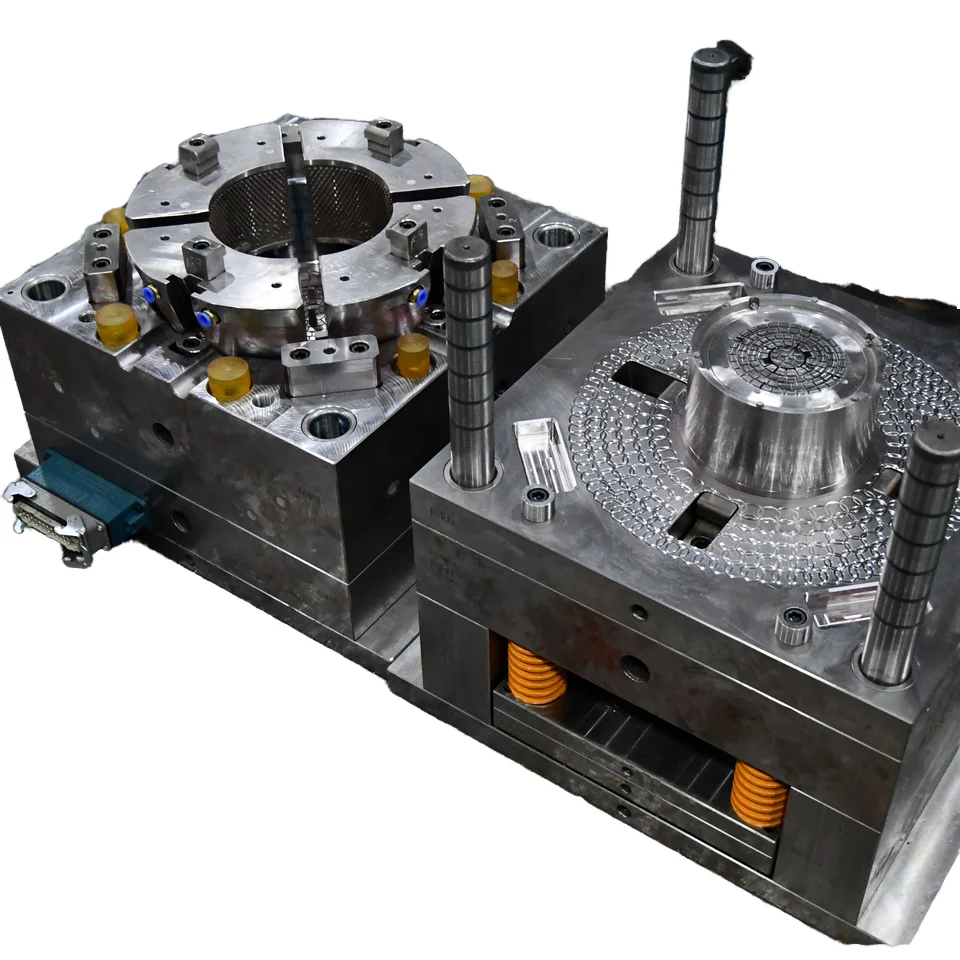
Successful insert molding implementation requires specialized mold designs that accommodate insert placement while maintaining optimal plastic flow characteristics. The mold design must incorporate features for precise insert positioning, adequate venting, and proper cooling to ensure consistent part quality. Insert retention mechanisms within the mold must securely hold components during the injection process while allowing for easy part removal after molding completion.
Tooling costs for insert molding applications are typically higher than conventional injection molding due to the increased complexity of mold design and insert handling systems. However, these initial investments are often offset by the elimination of secondary tooling requirements and assembly equipment costs. The long-term cost benefits of insert molding typically justify the additional upfront tooling investment, particularly for high-volume production applications.
Process Control and Quality Assurance
Insert molding requires sophisticated process control systems to ensure consistent insert placement, optimal injection parameters, and proper cooling cycles. Quality assurance protocols must address both the individual insert components and the final molded assembly to ensure all performance requirements are met. This typically involves incoming inspection of inserts, process monitoring during molding, and comprehensive testing of finished parts.
The implementation of robust quality assurance systems for insert molding processes often requires additional investment in inspection equipment and personnel training. However, the improved quality consistency achievable through proper process control typically results in reduced quality costs and improved customer satisfaction over the long term. Manufacturers must balance quality assurance costs with the potential risks associated with product failures or quality issues.
Economic Analysis and Return on Investment
Cost-Benefit Analysis Framework
Evaluating the economic benefits of insert molding requires comprehensive analysis of both direct and indirect cost factors including material costs, labor expenses, equipment requirements, and quality-related costs. Direct cost comparisons should include raw material expenses, tooling investments, processing costs, and assembly labor requirements. Indirect benefits such as reduced inventory carrying costs, improved production flexibility, and enhanced product quality must also be quantified to accurately assess the total economic impact.
The return on investment for insert molding implementations typically improves with production volume due to the fixed nature of tooling costs and the variable savings achieved through eliminated assembly operations. Manufacturers should carefully evaluate their production volumes, product mix, and market requirements when considering insert molding adoption. The economic benefits are generally most pronounced for high-volume applications where the cost savings per unit can be maximized.
Long-term Financial Impact
The long-term financial impact of insert molding extends beyond immediate production cost savings to include strategic advantages such as improved product differentiation, enhanced customer satisfaction, and potential market expansion opportunities. The superior quality and performance characteristics achievable through insert molding can enable premium pricing strategies that further improve profitability. Additionally, the manufacturing flexibility provided by insert molding capabilities can support new product development initiatives and market responsiveness.
Manufacturers implementing insert molding often experience improved competitive positioning due to their ability to offer superior products at competitive prices. This market advantage can translate into increased market share, customer loyalty, and long-term revenue growth that extends well beyond the initial cost savings achieved through process implementation. The strategic value of insert molding capabilities should be considered alongside immediate cost benefits when evaluating implementation decisions.
FAQ
What types of inserts can be used in insert molding processes
Insert molding can accommodate a wide variety of components including metal threaded inserts, electrical contacts, sensors, decorative elements, and structural reinforcements. The most common insert materials include brass, steel, aluminum, and various alloys, though specialized materials like ceramics or electronic components can also be successfully integrated. The key requirement is that the insert material must be compatible with the molding temperatures and pressures while maintaining dimensional stability throughout the process.
How does insert molding compare to overmolding in terms of cost effectiveness
Insert molding typically offers greater cost effectiveness than overmolding for applications requiring the integration of rigid components like metal inserts or electronic elements. While overmolding excels at combining different plastic materials, insert molding provides superior bonding strength and dimensional precision when incorporating dissimilar materials. The choice between processes depends on specific application requirements, production volumes, and performance criteria, with insert molding generally preferred for structural applications requiring maximum strength and reliability.
What are the minimum production volumes needed to justify insert molding implementation
The minimum production volume for cost-effective insert molding implementation varies depending on part complexity, tooling requirements, and alternative manufacturing costs. Generally, volumes exceeding 10,000 pieces annually can justify the additional tooling investment, though this threshold may be lower for complex assemblies with high assembly costs or higher for simple applications with minimal assembly requirements. Manufacturers should conduct detailed cost analysis considering their specific application requirements and production scenarios.
Can insert molding be used with recycled or sustainable materials
Insert molding is compatible with many recycled and sustainable plastic materials, provided they meet the processing requirements and performance specifications of the application. Bio-based plastics, recycled thermoplastics, and other sustainable materials can often be successfully used in insert molding applications. The key considerations include material flow characteristics, thermal stability, and compatibility with insert materials. Sustainable material selection can enhance the environmental benefits of insert molding while maintaining cost-effectiveness and performance requirements.