
 EN
EN



Insert molding represents a critical manufacturing process that combines multiple materials into a single component, creating products with enhanced functionality and durability. This advanced technique involves placing pre-formed inserts into injection molds before plastic resin injection, resulting in components that integrate metal, ceramic, or other materials seamlessly with thermoplastic substrates. Modern manufacturing demands increasingly sophisticated solutions, and insert molding delivers the precision and performance characteristics essential for high-performance applications across automotive, aerospace, medical device, and electronics industries.
Understanding Insert Molding Fundamentals
Core Process Mechanics
The insert molding process begins with precise insert placement within specially designed mold cavities. These inserts, typically manufactured from metals like brass, steel, or aluminum, are positioned using automated systems or manual placement depending on production volume and complexity requirements. The injection molding machine then injects molten thermoplastic material around the insert, creating a mechanical and sometimes chemical bond that produces a unified component with superior strength characteristics.
Temperature control during insert molding operations requires careful consideration of thermal expansion coefficients between insert materials and plastic substrates. Different materials expand and contract at varying rates, potentially creating stress concentrations that compromise product integrity. Successful insert molding implementations account for these thermal dynamics through precise mold design, material selection, and process parameter optimization that ensures consistent dimensional accuracy and mechanical performance.
Material Compatibility Considerations
Material compatibility forms the foundation of effective insert molding applications, determining both immediate manufacturing success and long-term product reliability. Engineers must evaluate thermal expansion coefficients, chemical compatibility, and mechanical property relationships between insert materials and selected thermoplastics. Incompatible material combinations can result in stress cracking, delamination, or premature component failure under operational conditions.
Surface treatment of inserts plays a crucial role in achieving optimal adhesion between dissimilar materials. Common surface preparation techniques include sandblasting, chemical etching, primer application, or specialized coating processes that enhance mechanical interlocking between insert surfaces and injected plastic. These treatments significantly improve bond strength and ensure reliable performance throughout product service life cycles.
Design Optimization Strategies
Insert Geometry and Placement
Strategic insert geometry design directly influences both manufacturing efficiency and final product performance characteristics. Optimal insert shapes incorporate features that promote secure positioning during molding operations while facilitating uniform plastic flow around insert surfaces. Sharp corners or abrupt geometry transitions can create stress concentrations that compromise structural integrity, necessitating careful consideration of fillet radii and transition zones.
Insert placement within mold cavities requires precise positioning to maintain consistent wall thickness around embedded components. Uneven plastic distribution can result in sink marks, warpage, or differential cooling rates that affect dimensional stability. Advanced insert molding applications utilize sophisticated positioning systems and mold designs that ensure optimal plastic flow patterns and uniform material distribution.
Mold Design Considerations
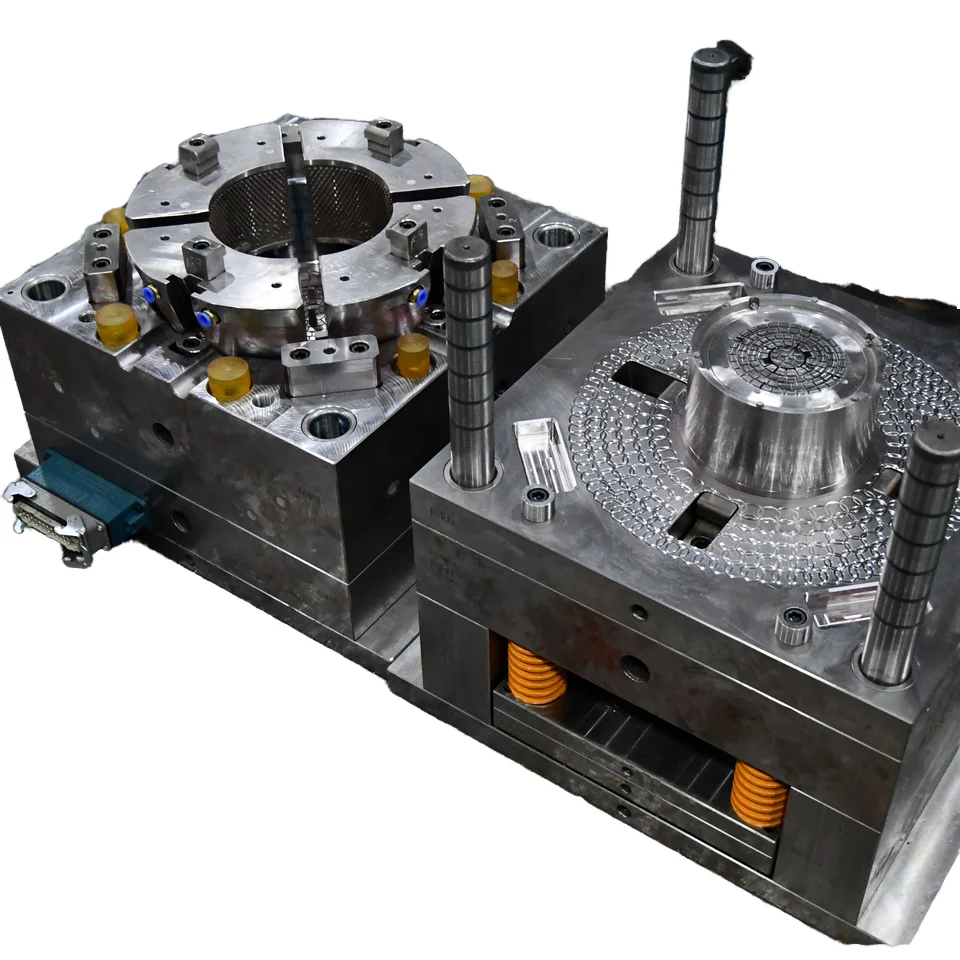
Mold design for insert molding applications demands specialized expertise in managing complex material interactions and process dynamics. Effective mold designs incorporate precise insert positioning mechanisms, optimized gate locations, and carefully engineered cooling systems that control thermal gradients throughout the molding cycle. These design elements work collectively to ensure consistent insert placement, minimize residual stress development, and maintain dimensional accuracy across production runs.
Venting requirements for insert molding operations typically exceed those of conventional injection molding due to reduced plastic flow cross-sections around embedded inserts. Inadequate venting can result in trapped air, incomplete filling, or surface defects that compromise both appearance and functionality. Advanced mold designs incorporate strategic venting locations and geometries that facilitate complete cavity filling while maintaining optimal cycle times and product quality standards.
Material Selection Criteria
Thermoplastic Performance Requirements
Thermoplastic selection for insert molding applications requires comprehensive evaluation of mechanical properties, thermal characteristics, and chemical resistance requirements specific to intended operating environments. High-performance applications often demand engineering thermoplastics with superior strength-to-weight ratios, dimensional stability, and resistance to environmental stress cracking. Common materials include polyamides, polyoxymethylene, polyphenylene oxide, and various filled thermoplastic compounds.
Processing characteristics of selected thermoplastics significantly impact insert molding success rates and production efficiency. Materials with narrow processing windows or high viscosity levels may require specialized equipment modifications or process parameter adjustments to achieve acceptable quality standards. Shrinkage characteristics must align with insert dimensions and geometry to prevent excessive stress development or dimensional deviation in finished components.
Insert Material Properties
Insert material selection encompasses mechanical properties, thermal conductivity, and corrosion resistance requirements that align with specific application demands. Metallic inserts typically provide superior strength and electrical conductivity, while ceramic inserts offer excellent thermal and chemical resistance properties. Material selection must account for galvanic corrosion potential, thermal cycling effects, and long-term environmental exposure conditions.
Surface finish requirements for insert materials depend on functional and aesthetic specifications of final products. Smooth surface finishes may facilitate plastic bonding and improve appearance, while textured surfaces can enhance mechanical interlocking between materials. Insert molding processes can accommodate various surface treatments and finishes, enabling customization for specific performance requirements and visual specifications.
Quality Control and Testing Protocols
Process Monitoring Systems
Comprehensive quality control systems for insert molding operations incorporate real-time process monitoring, statistical process control, and automated inspection technologies. Modern manufacturing environments utilize sensor networks that continuously monitor injection pressure, temperature profiles, and cycle timing to detect process variations before they impact product quality. These monitoring systems enable proactive adjustments that maintain consistent production standards and minimize waste generation.
Advanced quality control protocols include dimensional inspection systems, bond strength testing, and accelerated aging evaluations that validate product performance under simulated service conditions. Coordinate measuring machines, optical inspection systems, and mechanical testing equipment provide quantitative data supporting process optimization and product validation activities. Regular calibration and maintenance of quality control equipment ensures measurement accuracy and regulatory compliance.
Performance Validation Methods
Performance validation for insert molding applications requires comprehensive testing protocols that evaluate mechanical properties, environmental resistance, and long-term durability characteristics. Standard testing methods include tensile strength evaluation, impact resistance assessment, and thermal cycling studies that simulate operational stress conditions. These validation procedures provide essential data supporting product certification and regulatory approval processes.
Specialized testing protocols for insert molding applications focus on interfacial bond strength, delamination resistance, and stress distribution analysis. Finite element modeling and physical testing provide complementary data sets that optimize design parameters and process conditions. Accelerated life testing protocols compress extended service exposures into manageable timeframes, enabling rapid product development cycles while maintaining reliability standards.
Manufacturing Efficiency and Cost Optimization
Production Scaling Considerations
Scaling insert molding operations from prototype to full production requires careful consideration of automation requirements, quality control systems, and capacity planning strategies. High-volume applications benefit from automated insert placement systems that ensure consistent positioning accuracy while minimizing labor costs and cycle times. Investment in specialized equipment must align with projected production volumes and quality requirements to optimize return on investment calculations.
Production efficiency optimization for insert molding operations encompasses material handling systems, preventive maintenance programs, and operator training initiatives. Streamlined material flow reduces handling costs and contamination risks, while systematic maintenance programs minimize unexpected downtime and equipment failures. Comprehensive operator training ensures consistent process execution and quality standards across production shifts and personnel changes.
Cost Reduction Strategies
Cost optimization in insert molding applications requires holistic evaluation of material costs, processing efficiency, and quality-related expenses. Material consolidation strategies can reduce inventory requirements and purchasing costs while simplifying supply chain management. Process optimization initiatives focus on cycle time reduction, yield improvement, and energy efficiency enhancement that collectively reduce per-unit manufacturing costs.
Value engineering approaches for insert molding projects examine design alternatives, material substitutions, and process modifications that maintain performance requirements while reducing overall costs. Collaborative partnerships with suppliers enable cost reduction opportunities through volume purchasing agreements, technical support services, and continuous improvement initiatives. These strategic relationships provide competitive advantages in dynamic market environments.
Applications Across Industries
Automotive and Transportation
Automotive applications represent significant growth opportunities for insert molding technologies, driven by lightweighting initiatives, electrification trends, and safety enhancement requirements. Insert molding enables integration of metal reinforcements, electrical contacts, and sensor components within plastic housings, creating multifunctional components that reduce assembly complexity and manufacturing costs. Common applications include connector housings, switch assemblies, and structural reinforcement components.
Electric vehicle development creates new insert molding opportunities for battery management systems, charging components, and thermal management applications. These specialized applications demand materials with excellent electrical insulation properties, thermal stability, and chemical resistance to electrolytes and cleaning agents. Insert molding provides cost-effective solutions for integrating metallic heat sinks, electrical contacts, and sensor elements within protective plastic enclosures.
Medical Device Manufacturing
Medical device applications for insert molding require compliance with stringent regulatory standards, biocompatibility requirements, and sterility maintenance protocols. Insert molding enables integration of metallic components within plastic medical devices while maintaining smooth surfaces that facilitate cleaning and sterilization procedures. Common applications include surgical instruments, diagnostic equipment housings, and implantable device components that require precise dimensional control and material compatibility.
Biocompatible insert molding materials must demonstrate compliance with ISO 10993 standards and FDA regulations governing medical device materials. Material selection encompasses cytotoxicity evaluation, sensitization testing, and implantation studies that validate safety for patient contact applications. Advanced insert molding techniques enable miniaturization of medical devices while maintaining structural integrity and functional performance requirements.
FAQ
What factors determine insert molding success rates
Insert molding success depends primarily on material compatibility, proper insert positioning, and optimized process parameters. Critical factors include thermal expansion matching between materials, adequate surface preparation of inserts, precise mold design with proper venting, and careful control of injection pressure and temperature profiles. Regular process monitoring and quality control procedures ensure consistent results and identify potential issues before they impact production quality.
How does insert molding compare to alternative assembly methods
Insert molding offers significant advantages over mechanical fastening or adhesive bonding methods, including reduced assembly labor, elimination of secondary operations, and improved component integration. The process creates stronger mechanical bonds than adhesives while eliminating the stress concentrations associated with mechanical fasteners. Insert molding also enables complex geometries and tight tolerances that would be difficult or impossible to achieve with alternative assembly approaches.
What quality control measures ensure consistent insert molding performance
Effective quality control for insert molding includes real-time process monitoring, dimensional inspection systems, and comprehensive material testing protocols. Key measures involve continuous monitoring of injection parameters, automated inspection of insert placement accuracy, periodic testing of bond strength characteristics, and statistical process control methods. Regular equipment calibration, operator training, and preventive maintenance programs support consistent quality achievement across production runs.
Which industries benefit most from insert molding applications
Industries with demanding performance requirements and complex component integration needs benefit most from insert molding technologies. Primary sectors include automotive manufacturing for lightweight structural components, medical device production for biocompatible assemblies, aerospace applications requiring high strength-to-weight ratios, and electronics manufacturing for connector housings and switch assemblies. These industries value the cost reduction, performance enhancement, and design flexibility that insert molding provides.