plastic blow molding
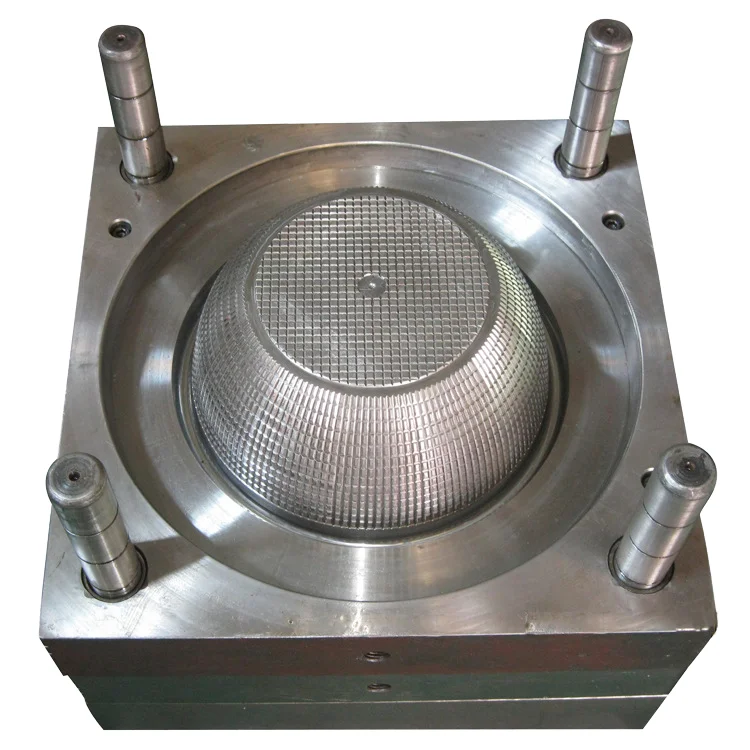
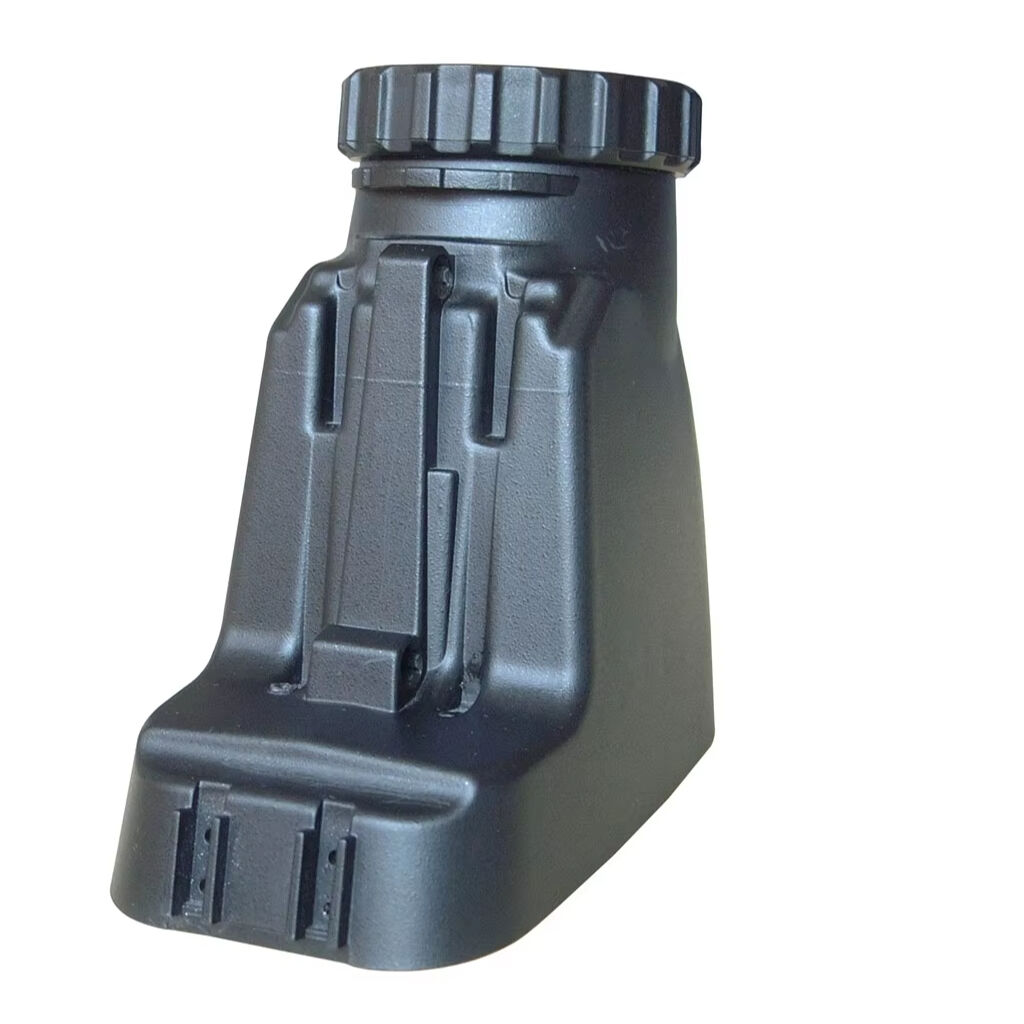
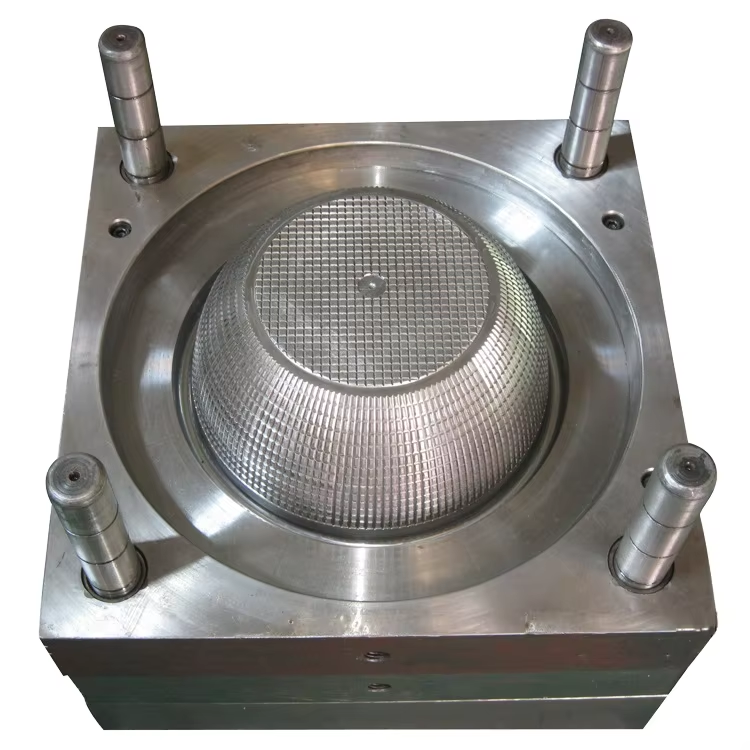
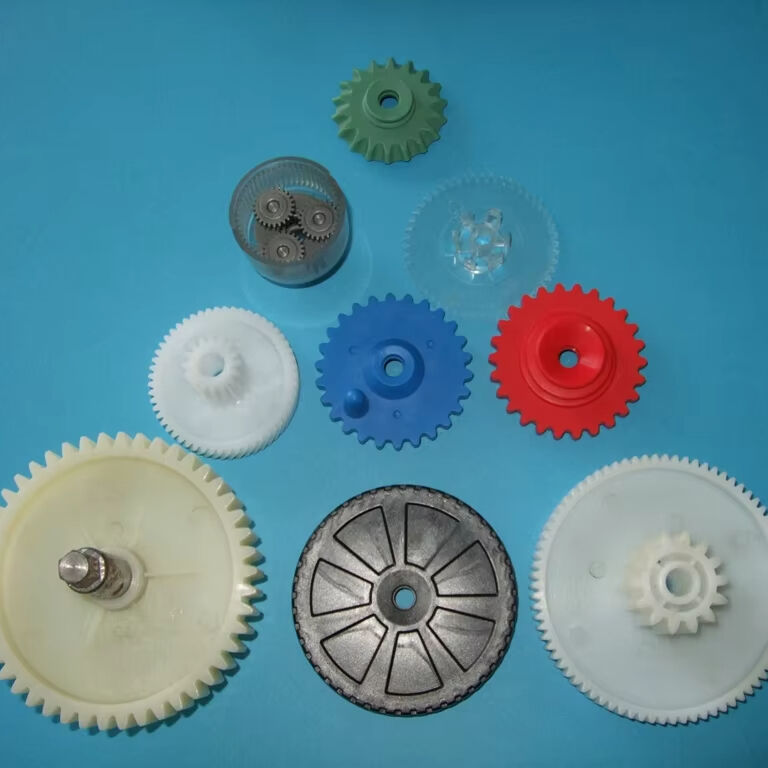
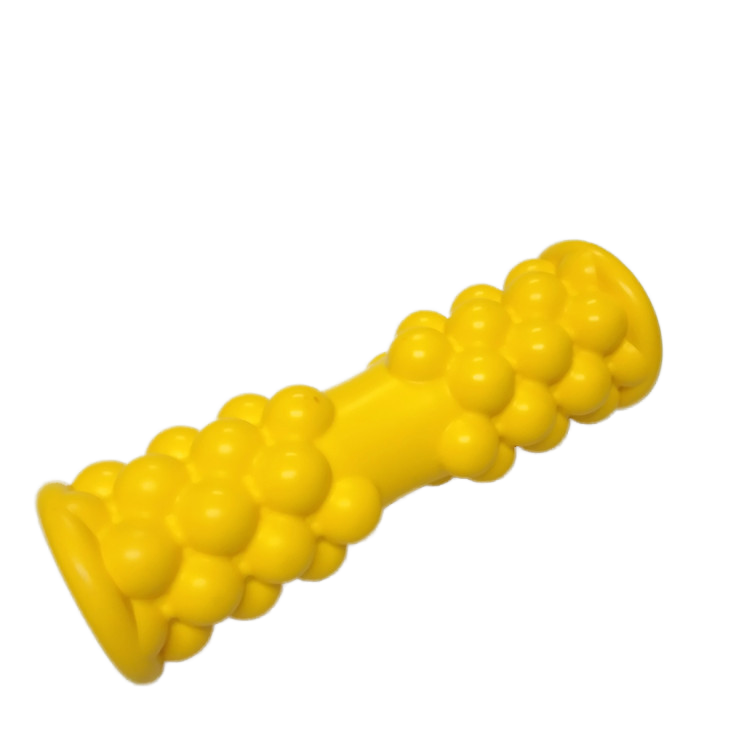
Plastic blow molding is a sophisticated manufacturing process that transforms plastic materials into hollow products through a combination of heat and air pressure. This versatile technique begins with melting plastic pellets into a parison or preform, which is then inflated with compressed air until it conforms to the shape of a mold cavity. The process is analogous to glass blowing but automated for industrial efficiency. The technology accommodates various polymer types, including polyethylene, polypropylene, and PET, making it ideal for producing containers, bottles, and industrial components. The process involves three main variations: extrusion blow molding, injection blow molding, and stretch blow molding, each suited to different applications and production volumes. Modern blow molding machines incorporate advanced controls for temperature, pressure, and timing, ensuring consistent product quality and minimal waste. This manufacturing method has revolutionized packaging solutions across industries, from beverage containers to automotive parts, offering cost-effective production of complex hollow shapes that would be difficult or impossible to achieve through other methods. The technology continues to evolve with innovations in automation, material science, and sustainability considerations.

 EN
EN