Thin-Wall Blow Molding: Advanced Packaging Solutions for Sustainable Manufacturing

Get a Free Quote

Our representative will contact you soon.
Email
Mobile&WhatsApp
Name
Company Name
Attachment
Please upload at least an attachment
Up to 3 files,more 30mb,suppor jpg、jpeg、png、pdf、doc、docx、xls、xlsx、csv、txt
Message
0/1000

thin-wall blow molding

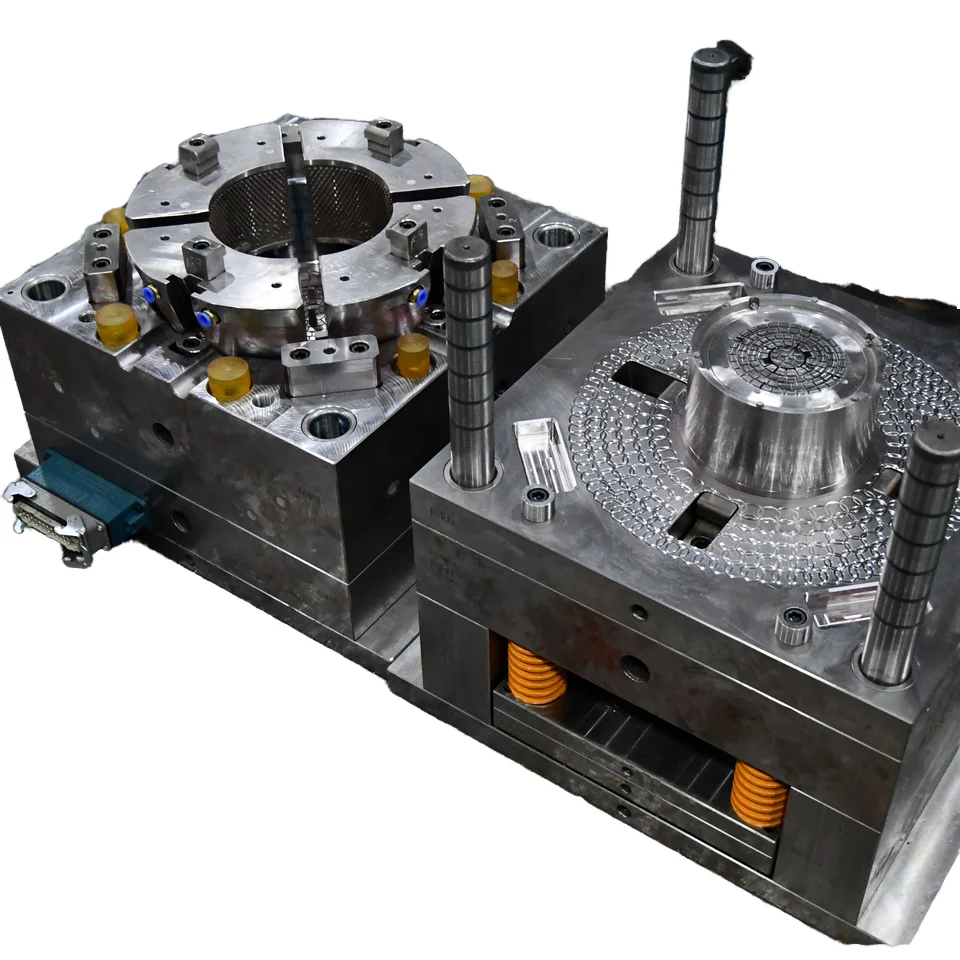
Thin-wall blow molding is an advanced manufacturing process that revolutionizes the production of lightweight plastic containers and packaging solutions. This innovative technique combines the principles of traditional blow molding with specialized engineering to create containers with exceptionally thin walls while maintaining structural integrity. The process involves heating plastic resin to its molten state, forming it into a parison, and then using compressed air to expand it against the mold cavity walls. What sets thin-wall blow molding apart is its ability to achieve wall thicknesses as low as 0.3mm while ensuring uniform material distribution. The technology employs precise temperature control systems and advanced cooling mechanisms to optimize material flow and prevent defects. This manufacturing method is particularly valuable in producing containers for beverages, personal care products, and household chemicals. The process enables high-volume production with shorter cycle times, making it cost-effective for large-scale manufacturing operations. Additionally, the technique incorporates sophisticated wall thickness control systems and automated quality monitoring to ensure consistent product quality. The versatility of thin-wall blow molding allows for complex geometries and designs, including handles, special closures, and various surface textures, while maintaining the lightweight characteristics that modern packaging demands.


New Product Recommendations

Thin-wall blow molding offers numerous compelling advantages that make it an optimal choice for modern packaging solutions. First and foremost, the technology delivers significant material savings, reducing raw material costs by up to 30% compared to conventional blow molding methods. This reduction in material usage not only decreases production costs but also aligns with sustainable manufacturing practices by minimizing plastic consumption. The process enables faster production cycles, typically achieving 20-40% higher output rates than traditional blow molding. This increased efficiency translates to improved productivity and lower per-unit costs. The lightweight nature of thin-wall containers provides substantial benefits in transportation and handling, reducing shipping costs and carbon footprint. The technology offers exceptional design flexibility, allowing manufacturers to create complex shapes and incorporate functional features while maintaining structural integrity. Quality consistency is another major advantage, as the process utilizes advanced control systems that ensure uniform wall thickness and product specifications. The reduced material usage results in faster cooling times, contributing to shorter cycle times and increased production efficiency. These containers also offer improved drop resistance despite their lighter weight, thanks to optimized material distribution and advanced polymer formulations. The process supports the use of recycled materials and enables the production of fully recyclable containers, meeting growing environmental requirements. Additionally, thin-wall blow molded products typically require less storage space, reducing warehouse costs and improving logistics efficiency. The technology also allows for excellent surface finish quality and precise detail reproduction, enhancing product aesthetics and brand appeal.

Latest News

How to Select the Best Injection Mold for Industrial Needs?

31

Oct

How to Select the Best Injection Mold for Industrial Needs?

Understanding the Critical Role of Injection Molds in Modern Manufacturing The manufacturing industry relies heavily on injection molding technology to produce high-quality plastic components efficiently and cost-effectively. Selecting the right inje...
View More
What Makes Plastic Products Essential in Daily Life?

03

Nov

What Makes Plastic Products Essential in Daily Life?

The Modern World's Reliance on Versatile Plastic Materials In today's fast-paced world, plastic products have become an integral part of our daily existence. From the moment we wake up until we go to bed, these versatile materials surround us in coun...
View More
Can Plastic Products Enhance Sustainability in Manufacturing?

03

Nov

Can Plastic Products Enhance Sustainability in Manufacturing?

The Evolution of Sustainable Manufacturing Through Advanced Plastics The manufacturing industry stands at a critical crossroads where environmental responsibility meets industrial innovation. Sustainable plastic manufacturing has emerged as a transfo...
View More
What Are the Key Advantages of Modern Plastic Products?

03

Nov

What Are the Key Advantages of Modern Plastic Products?

The Evolution of Engineered Plastics in Modern Industry Over the past several decades, plastic products have revolutionized nearly every aspect of our daily lives. From innovative packaging solutions to durable construction materials, the versatility...
View More

Get a Free Quote

Our representative will contact you soon.
Email
Mobile&WhatsApp
Name
Company Name
Attachment
Please upload at least an attachment
Up to 3 files,more 30mb,suppor jpg、jpeg、png、pdf、doc、docx、xls、xlsx、csv、txt
Message
0/1000

thin-wall blow molding

Superior Material Efficiency and Sustainability

Superior Material Efficiency and Sustainability

Thin-wall blow molding stands at the forefront of sustainable packaging solutions through its exceptional material efficiency. The technology achieves remarkable material savings by producing containers with walls up to 50% thinner than conventional alternatives while maintaining necessary strength requirements. This significant reduction in material usage directly translates to environmental benefits, including reduced plastic consumption and lower carbon emissions during production and transportation. The process optimizes material distribution through advanced control systems, ensuring that every gram of plastic is utilized effectively. This efficiency extends to the entire supply chain, as lighter packages require less energy for transportation and handling. The technology supports the use of recycled materials and produces containers that are fully recyclable, contributing to circular economy initiatives. The reduced material usage also means less waste during production, with scrap rates typically below 2%. The process incorporates advanced material recovery systems that can reprocess production waste, further enhancing its sustainability credentials.
Enhanced Production Efficiency and Cost Effectiveness

Enhanced Production Efficiency and Cost Effectiveness

The economic advantages of thin-wall blow molding are particularly evident in its production efficiency metrics. The process achieves remarkable cycle times, typically 30-40% faster than traditional blow molding methods, enabling higher production volumes with existing equipment. This increased efficiency is achieved through optimized cooling systems that reduce solidification time, advanced material flow control that ensures consistent wall thickness, and automated handling systems that minimize downtime. The technology's precision control systems maintain tight tolerances while operating at high speeds, resulting in exceptionally low defect rates. The combination of faster cycles and reduced material usage leads to significant cost savings, with some manufacturers reporting overall production cost reductions of up to 25%. The process requires less energy per unit produced, contributing to lower operating costs and improved sustainability metrics.
Versatile Design Capabilities and Product Performance

Versatile Design Capabilities and Product Performance

Thin-wall blow molding excels in delivering design flexibility while maintaining exceptional product performance. The technology enables the creation of complex container geometries, including ergonomic handles, specialized closure systems, and textured surfaces, all while maintaining the benefits of reduced wall thickness. Advanced process control systems ensure uniform material distribution in critical areas, allowing for strategic reinforcement where needed while keeping overall weight to a minimum. The technology supports the production of containers with excellent clarity and gloss, enhancing product presentation and shelf appeal. Despite their lighter weight, these containers demonstrate remarkable drop resistance and stack strength, meeting or exceeding industry performance standards. The process allows for the incorporation of various functional features such as grip points, pour spouts, and tamper-evident closures without compromising the thin-wall structure.

Get a Free Quote

Our representative will contact you soon.
Email
Mobile&WhatsApp
Name
Company Name
Attachment
Please upload at least an attachment
Up to 3 files,more 30mb,suppor jpg、jpeg、png、pdf、doc、docx、xls、xlsx、csv、txt、stp、step、igs、x_t、dxf、prt、sldprt、sat、rar、zip
Message
0/1000