plastic 3d printing
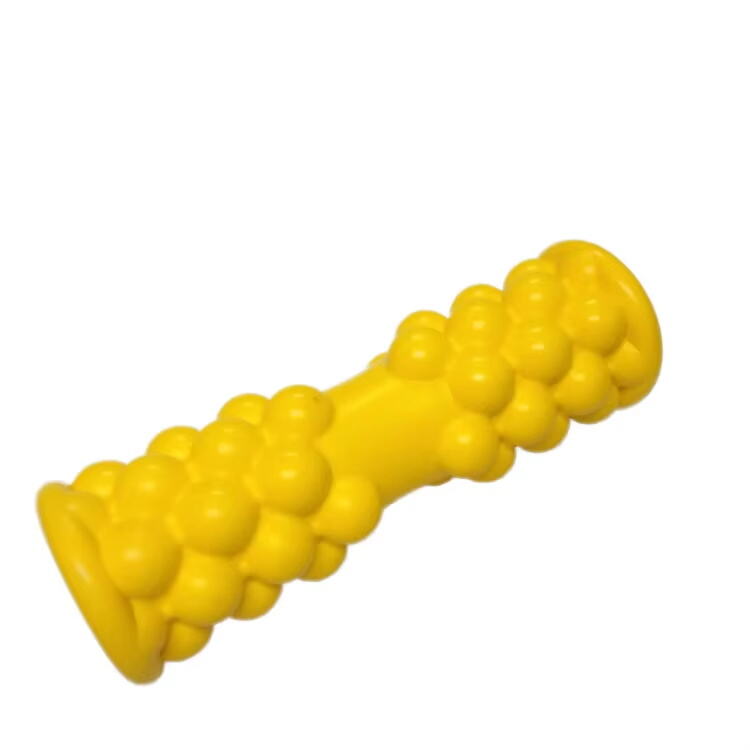
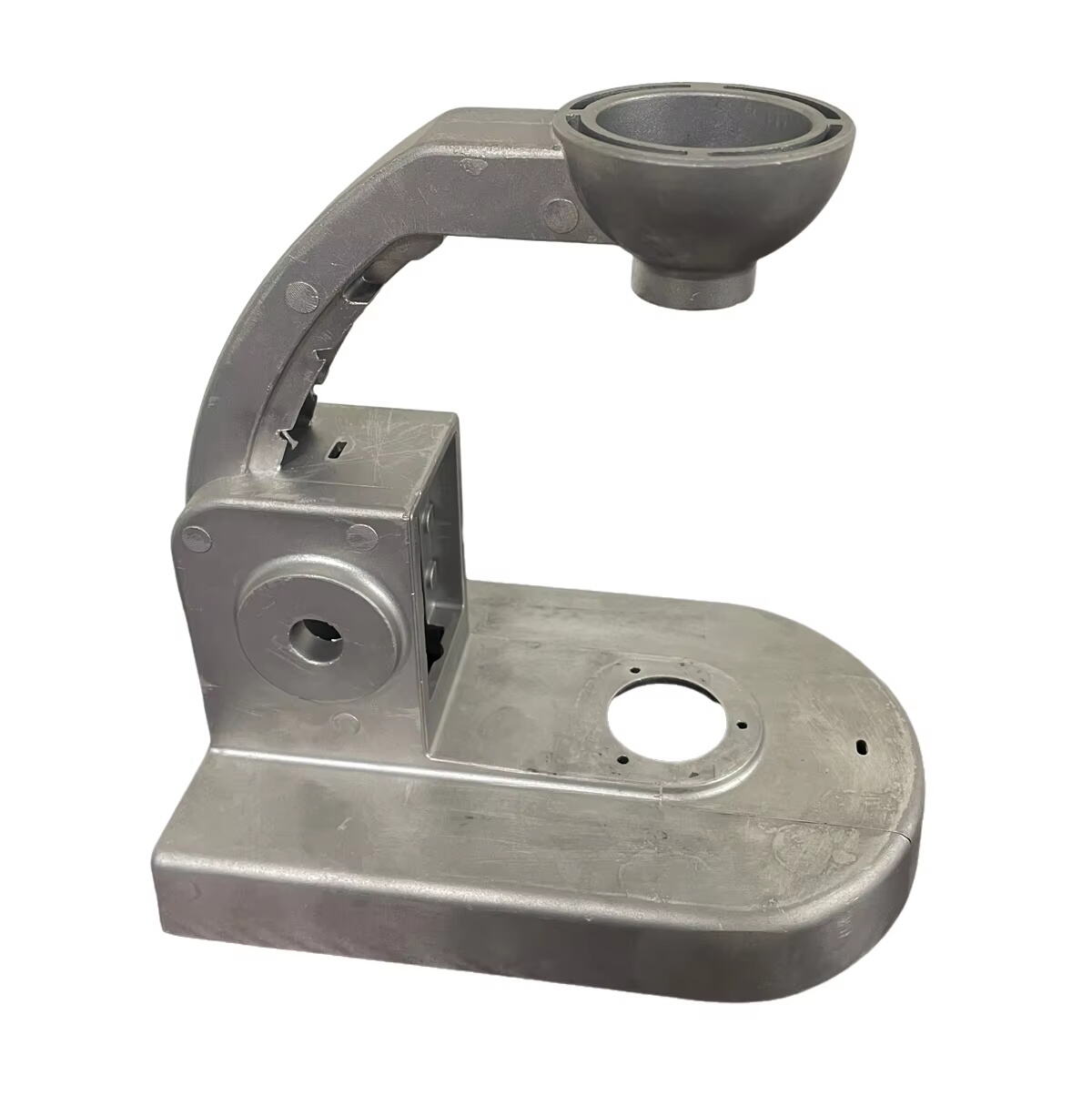
Plastic 3D printing, also known as additive manufacturing, represents a revolutionary approach to creating three-dimensional objects from digital designs. This technology builds objects layer by layer using various plastic materials, primarily thermoplastics that can be melted and solidified repeatedly. The process begins with a digital 3D model, which is sliced into thin horizontal layers by specialized software. The printer then deposits molten plastic according to these layers, building the object from the bottom up. Modern plastic 3D printers offer remarkable precision, capable of creating intricate geometries and complex internal structures that would be impossible with traditional manufacturing methods. The technology supports a wide range of plastics, including PLA, ABS, PETG, and nylon, each offering different properties suitable for various applications. From rapid prototyping in industrial design to creating custom medical devices, plastic 3D printing has found applications across numerous sectors. The technology excels in producing small to medium-sized objects with high detail and consistency, making it ideal for both professional and consumer use. The ability to quickly iterate designs and produce custom parts on demand has transformed how companies approach product development and manufacturing.

 EN
EN