
 EN
EN



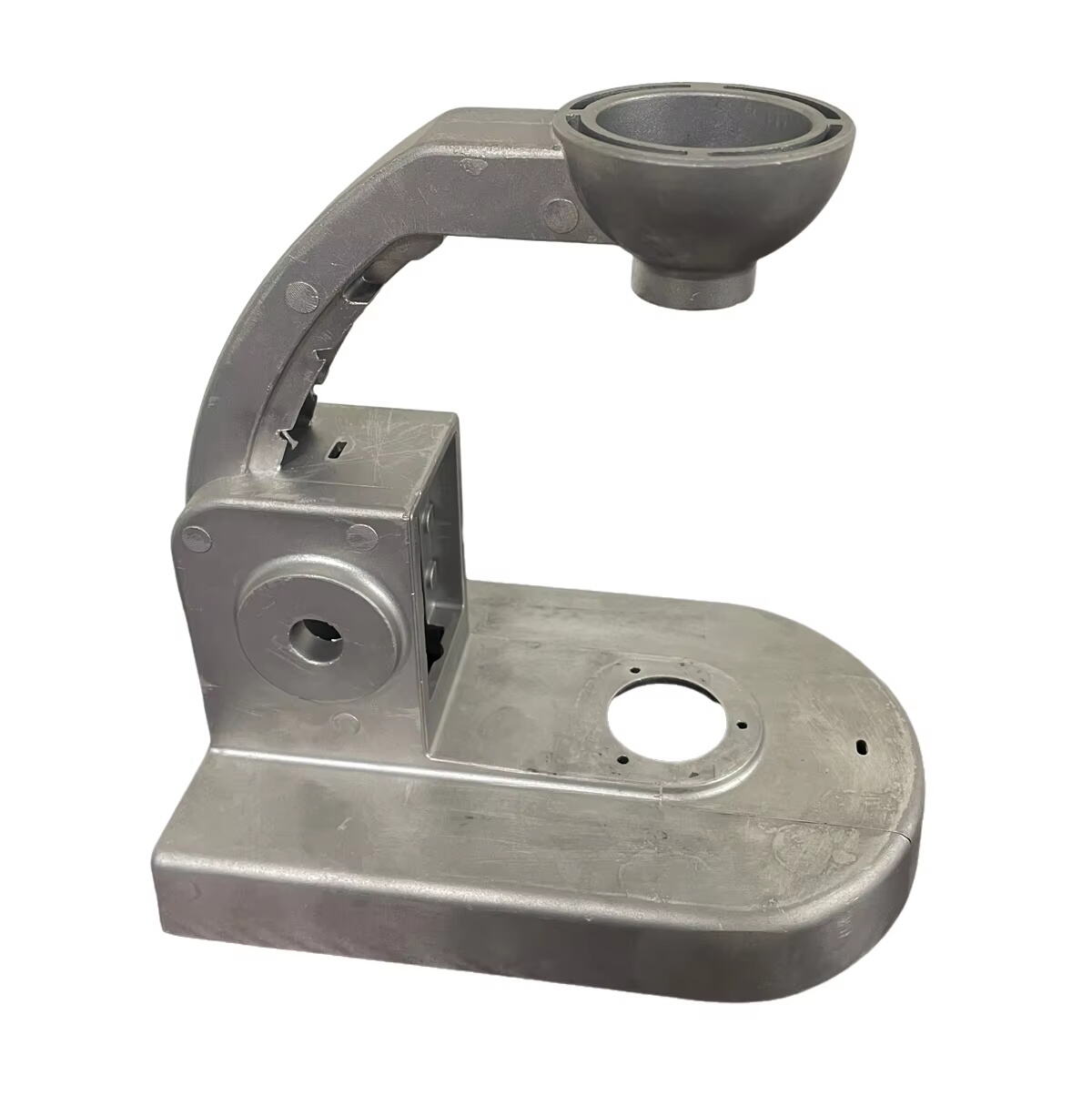
In modern manufacturing, few processes have proven as versatile, reliable, and cost-effective as stamping. From the structural panels of passenger vehicles to precision brackets used in heavy industrial machinery, stamping delivers consistent, high-volume output with tight dimensional tolerances that other fabrication methods struggle to match. As manufacturers face increasing pressure to reduce per-unit costs while maintaining quality standards, the case for stamping becomes stronger with every production cycle. Understanding why this process is so widely adopted across automotive and industrial sectors requires a closer look at what it actually delivers in practice.
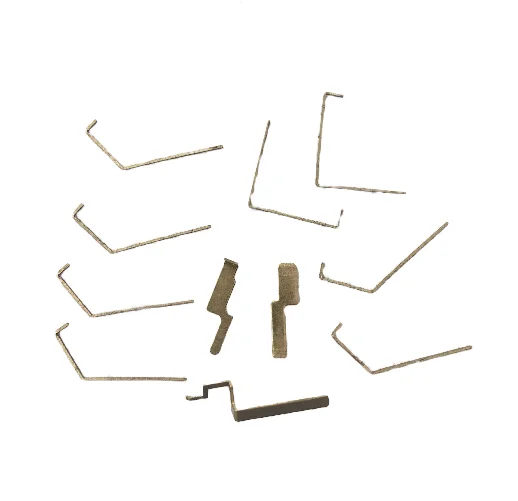
The decision to use stamping is rarely made in isolation. It reflects a broader manufacturing strategy that prioritizes repeatability, material efficiency, and scalability. Whether a facility is producing thousands of identical components per day or running shorter specialized runs for industrial equipment, stamping offers a process architecture that adapts to both demands. This article explores the core reasons why stamping remains the preferred choice for automotive and industrial applications, and what makes it so well-suited to the performance requirements of these sectors.
The Fundamental Value of Stamping in High-Volume Manufacturing
Precision at Scale
One of the most compelling reasons to choose stamping is its ability to produce geometrically precise parts at extremely high volumes without sacrificing consistency. Once a die is engineered and validated, every subsequent part produced from that die carries the same dimensional profile. This level of repeatability is critical in automotive manufacturing, where components must fit together within fractions of a millimeter across thousands of assemblies. Stamping achieves this without requiring manual adjustment between cycles, which dramatically reduces the risk of human error.
In industrial applications, this same precision translates into reliable interchangeability. Parts produced through stamping can be swapped across assemblies without custom fitting or rework, which simplifies maintenance and reduces downtime. The consistency of stamped components also makes quality inspection more efficient, since deviations from spec are easier to detect and trace back to tooling rather than operator variability. For procurement teams and production engineers alike, this predictability is a significant operational advantage.
Progressive die stamping, in particular, allows multiple forming operations to be completed in a single pass through the press. This means complex geometries, including bends, holes, embossments, and cutouts, can all be formed in one continuous sequence. The result is a finished or near-finished part that requires minimal secondary processing, which keeps cycle times short and throughput high. Stamping at this level of integration is difficult to replicate with alternative processes at comparable cost.
Material Efficiency and Cost Control
Stamping is inherently material-efficient. The process works with sheet metal coils or blanks, and modern die design minimizes scrap by nesting part profiles closely together. In high-volume runs, even small improvements in material utilization translate into significant cost savings. This is especially relevant in automotive manufacturing, where steel and aluminum represent major input costs and any reduction in waste directly improves margin.
Beyond raw material savings, stamping reduces the need for extensive machining or secondary operations. Many stamped parts arrive at assembly ready to use, with surfaces, edges, and features already formed to specification. This reduces labor input, shortens lead times, and lowers the total cost per part compared to processes that require multiple handling steps. For industrial buyers sourcing components in large quantities, the economics of stamping are difficult to argue against.
Tooling investment is the primary upfront cost in stamping, and it is often cited as a barrier for low-volume applications. However, for automotive and industrial programs with sustained demand, that tooling cost amortizes quickly across the production run. The longer the program life, the more favorable the cost-per-part calculation becomes. This makes stamping particularly well-suited to platform-based automotive programs and long-cycle industrial equipment lines where component demand is predictable and sustained.
Why Stamping Fits the Demands of Automotive Manufacturing
Structural Integrity and Lightweight Design
Automotive manufacturers operate under strict requirements for both structural performance and weight reduction. Stamping supports both objectives simultaneously. Advanced high-strength steels and aluminum alloys can be formed through stamping into complex structural shapes that deliver high strength-to-weight ratios. Body panels, door inners, floor pans, pillars, and reinforcement brackets are all routinely produced through stamping because the process can handle these materials while maintaining the geometric precision required for crash performance and assembly fit.
The ability to form thin-gauge, high-strength materials without compromising part integrity is a key reason why stamping has remained central to automotive body-in-white construction. As vehicle platforms shift toward lighter architectures to meet fuel economy and emissions targets, stamping continues to evolve alongside material science. Hot stamping, for example, allows ultra-high-strength boron steel to be formed into complex shapes that would crack under cold forming conditions, enabling structural components with exceptional stiffness at reduced weight.
This adaptability to new materials and forming techniques means that stamping is not a legacy process being phased out by newer technologies. It is an active area of engineering development, with ongoing advances in die design, press technology, and material handling that continue to expand what is achievable. Automotive engineers who understand stamping capabilities can design components that take full advantage of these advances, resulting in better parts at lower cost.
Integration with Automotive Supply Chain Requirements
Automotive supply chains operate on tight delivery schedules with zero tolerance for dimensional variation. Stamping aligns naturally with these requirements because the process is inherently repeatable and traceable. Each production run can be validated against a master sample, and statistical process control methods integrate smoothly with stamping operations to catch drift before it becomes a quality issue. This makes stamping suppliers reliable partners in just-in-time delivery environments.
Stamping also supports the modular assembly strategies that dominate modern automotive production. Sub-assemblies built from stamped components can be pre-validated before reaching the main assembly line, reducing the risk of fit issues downstream. The dimensional consistency of stamped parts makes this kind of pre-assembly validation straightforward and reliable. For OEMs managing complex global supply chains, this reliability is a core reason why stamping remains the default choice for metal component sourcing.
Furthermore, stamping facilities can be configured to produce a wide range of part sizes and complexities within the same production environment. A single supplier with progressive die, transfer die, and blanking capabilities can serve multiple vehicle programs simultaneously, simplifying supplier management for automotive procurement teams. This consolidation potential adds another layer of value to stamping as a supply chain strategy.
Industrial Applications Where Stamping Delivers Distinct Advantages
Durability Requirements in Heavy Industrial Environments
Industrial equipment operates in demanding environments where components must withstand mechanical stress, vibration, thermal cycling, and exposure to contaminants. Stamping produces parts with work-hardened surfaces and consistent wall thicknesses that contribute to long service life under these conditions. The forming process itself improves the mechanical properties of the metal in many cases, resulting in parts that are stronger than the base material alone.
For applications such as agricultural machinery, construction equipment, material handling systems, and industrial enclosures, stamping provides the combination of strength, dimensional accuracy, and surface quality needed to meet performance specifications. Parts produced through stamping can be finished with coatings, platings, or heat treatments to further enhance their resistance to wear and corrosion, making them suitable for the harshest operating conditions.
The ability to produce complex three-dimensional forms from flat sheet stock also means that stamping can create integrated features, such as mounting flanges, stiffening ribs, and locating features, that would require separate machining operations if produced by other methods. This integration reduces assembly complexity and improves the structural performance of the finished component. Industrial designers who leverage stamping capabilities can achieve more functional parts with fewer total components in the assembly.
Flexibility Across Industrial Component Categories
Stamping is not limited to a single category of industrial component. It is used to produce electrical enclosures, motor housings, heat exchanger plates, conveyor components, fastener blanks, and structural frames across a wide range of industries. This breadth of application reflects the fundamental versatility of the stamping process, which can be adapted to different materials, thicknesses, geometries, and surface requirements with relatively straightforward tooling changes.
For industrial buyers, this versatility means that a single stamping supplier can often serve multiple component needs within the same facility. Consolidating sourcing to a capable stamping partner reduces administrative overhead, simplifies logistics, and creates opportunities for collaborative design optimization. When a supplier understands the full range of a buyer's stamping requirements, they can identify opportunities to share tooling, optimize material usage, and streamline scheduling in ways that benefit both parties.
The scalability of stamping also matters in industrial contexts where demand can fluctuate. Press capacity can be allocated dynamically across programs, and tooling can be stored and reactivated when demand returns. This makes stamping a more flexible long-term manufacturing strategy than processes that require dedicated equipment for each part family. Industrial manufacturers who build stamping into their supply chain architecture gain a degree of production flexibility that supports business resilience.
Quality, Consistency, and Process Control in Stamping Operations
Tooling Engineering as a Quality Foundation
The quality of a stamped part is largely determined by the quality of the tooling used to produce it. Well-engineered dies, maintained to tight tolerances and inspected regularly, produce parts that consistently meet specification over millions of cycles. This is why investment in tooling engineering is central to any serious stamping operation. The upfront cost of precision tooling is justified by the downstream savings in scrap, rework, and inspection that result from consistent part quality.
Modern stamping tooling incorporates sensors, in-die monitoring systems, and automated ejection mechanisms that provide real-time feedback on process conditions. These systems can detect tool wear, material variation, and press force anomalies before they result in out-of-spec parts. For automotive and industrial customers with strict quality requirements, this level of process intelligence is a significant advantage over less instrumented forming methods.
Tooling maintenance programs also play a critical role in sustaining stamping quality over time. Regular inspection, sharpening, and reconditioning of die components extend tool life and maintain part quality across long production runs. Suppliers who invest in structured tooling maintenance programs deliver more consistent quality and lower total cost of ownership for their customers. When evaluating stamping suppliers, the maturity of their tooling management practices is a reliable indicator of the quality they will deliver.
Surface Quality and Secondary Processing Compatibility
Stamped parts typically emerge from the press with clean, well-defined surfaces that are compatible with a wide range of secondary processes. Painting, powder coating, electroplating, anodizing, and welding all work effectively on properly stamped surfaces. This compatibility simplifies the downstream processing of stamped components and reduces the risk of adhesion or bonding failures that can occur with surfaces produced by other methods.
In automotive applications, surface quality is particularly important for visible panels and components that will be painted or coated. Stamping can produce Class A surfaces on outer body panels when the tooling and process parameters are properly controlled. This eliminates the need for extensive surface preparation before painting, which saves time and cost in the finishing process. For industrial components where surface appearance is less critical, stamping still delivers surfaces that are clean, consistent, and ready for functional coatings.
The edge quality of stamped parts is also relevant to downstream processing. Properly designed blanking and trimming operations produce edges that are clean and burr-free, reducing the risk of injury during handling and improving the quality of welded or assembled joints. Edge quality is a function of die clearance, sharpness, and press speed, all of which are controllable parameters in a well-managed stamping operation. Buyers who specify edge quality requirements can expect consistent compliance from capable stamping suppliers.
FAQ
What types of metals are most commonly used in stamping for automotive and industrial parts?
The most commonly used materials in stamping include cold-rolled steel, hot-rolled steel, advanced high-strength steel, stainless steel, aluminum alloys, and copper alloys. The choice of material depends on the mechanical requirements, weight targets, corrosion resistance needs, and cost constraints of the specific application. Automotive structural components often use advanced high-strength steels, while industrial enclosures and brackets may use standard cold-rolled steel or aluminum depending on the operating environment.
How does stamping compare to other metal forming processes for high-volume production?
For high-volume production of sheet metal components, stamping is generally more cost-effective than machining, casting, or forging when part geometry is compatible with the process. Stamping offers faster cycle times, lower per-part costs at volume, and better material utilization than machining. Compared to casting, stamping produces parts with better surface finish and tighter tolerances for thin-walled geometries. The primary limitation of stamping is that it is best suited to parts that can be formed from sheet or coil stock, so it is not appropriate for all geometries.
What is the typical lead time for stamping tooling development?
Tooling lead times for stamping vary depending on the complexity of the die and the capabilities of the tooling supplier. Simple single-operation dies may be completed in four to six weeks, while complex progressive dies for automotive components can take twelve to twenty weeks or more. Early engagement between the part designer and the stamping supplier during the design phase can reduce tooling lead time by identifying and resolving formability issues before the die is cut. Design for manufacturability reviews are a standard part of the tooling development process for experienced stamping suppliers.
Can stamping be used for low-volume or prototype production?
Stamping is most economical at medium to high volumes where tooling costs can be amortized across a large number of parts. For low-volume or prototype applications, soft tooling made from aluminum or kirksite can reduce upfront tooling investment while still producing representative parts for validation. Some suppliers also offer laser-cut blanks and press brake forming as bridge solutions for very low volumes before hard tooling is committed. As volumes increase, transitioning to hard production tooling delivers the full cost and quality benefits that stamping is known for.
Table of Contents
- The Fundamental Value of Stamping in High-Volume Manufacturing
- Why Stamping Fits the Demands of Automotive Manufacturing
- Industrial Applications Where Stamping Delivers Distinct Advantages
- Quality, Consistency, and Process Control in Stamping Operations
-
FAQ
- What types of metals are most commonly used in stamping for automotive and industrial parts?
- How does stamping compare to other metal forming processes for high-volume production?
- What is the typical lead time for stamping tooling development?
- Can stamping be used for low-volume or prototype production?