
 EN
EN




Choosing the right plastic molding process for your application is one of the most consequential decisions in product development and manufacturing. The wrong choice can lead to excessive tooling costs, poor part quality, missed production timelines, and materials that simply do not perform under real-world conditions. Whether you are designing a consumer household product, an industrial component, or a precision enclosure, understanding how to evaluate your options systematically will save you significant time and money before a single mold is ever cut.
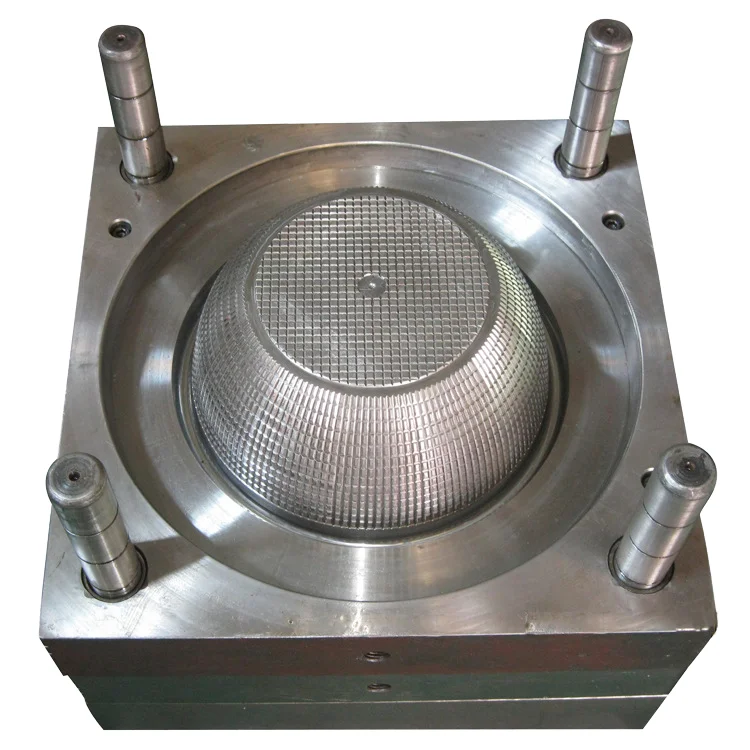
The landscape of plastic molding is broad, encompassing injection molding, blow molding, rotational molding, compression molding, and more. Each method carries its own strengths, limitations, cost structures, and ideal use cases. This guide walks you through the key selection criteria so you can match the right plastic molding approach to your specific application requirements, production volume, material needs, and budget constraints with confidence.
Understanding the Major Plastic Molding Processes
Injection Molding and Its Dominance in High-Volume Production
Injection molding is the most widely used form of plastic molding in industrial and consumer manufacturing. The process involves injecting molten plastic material under high pressure into a precision-machined mold cavity, where it cools and solidifies into the desired shape. It is exceptionally well-suited for high-volume production runs where part consistency, tight tolerances, and complex geometries are required.
The upfront tooling investment for injection plastic molding is relatively high, but the per-unit cost drops dramatically as production volumes increase. This makes it the preferred choice for manufacturers producing thousands or millions of identical parts. Applications range from automotive interior components and medical device housings to kitchen appliances and electronic enclosures.
Material flexibility is another major advantage. Injection plastic molding supports a wide range of thermoplastics including ABS, polypropylene, polycarbonate, nylon, and PVC, allowing engineers to select materials based on mechanical, thermal, and chemical performance requirements. Surface finish options are also extensive, from high-gloss polished finishes to textured or matte surfaces depending on the application.
Blow Molding, Rotational Molding, and Other Alternatives
Blow molding is a plastic molding method primarily used for hollow parts such as bottles, containers, and tanks. The process inflates a heated plastic parison inside a mold to form the desired shape. It is cost-effective for hollow geometries but is not suitable for solid or structurally complex parts that require tight dimensional tolerances.
Rotational molding, sometimes called rotomolding, is another form of plastic molding used for large, hollow products such as storage tanks, playground equipment, and marine components. It uses low tooling costs and is ideal for low-to-medium production volumes, but cycle times are longer and dimensional precision is lower compared to injection molding.
Compression molding and transfer molding are additional plastic molding techniques used primarily for thermoset materials and rubber compounds. These methods are common in electrical components, automotive seals, and aerospace parts where heat resistance and structural rigidity are critical. Understanding which process category fits your part geometry and material type is the essential first step in the selection process.
Key Factors to Evaluate When Selecting a Plastic Molding Method
Part Geometry, Complexity, and Dimensional Tolerance
Part geometry is one of the most decisive factors in choosing a plastic molding process. Injection molding excels at producing parts with complex internal features, undercuts, thin walls, and fine surface details. If your design includes snap-fit joints, integrated bosses, ribs, or multi-material overmolding requirements, injection plastic molding is almost always the right answer.
Dimensional tolerance requirements also drive the decision. Applications in medical devices, electronics, and precision mechanical assemblies demand tight tolerances that only high-pressure injection plastic molding can reliably deliver. Processes like rotational molding or thermoforming are not capable of holding the same level of dimensional accuracy and are better suited for applications where slight variation is acceptable.
Wall thickness uniformity is another geometry-related consideration. Injection plastic molding requires careful design for uniform wall thickness to prevent sink marks, warping, and voids. If your part has highly variable wall sections, the mold design and gating strategy must be engineered accordingly to ensure consistent fill and cooling across the entire cavity.
Production Volume and Cost Economics
Production volume is arguably the single most important economic variable in plastic molding selection. Injection molding requires significant upfront tooling investment, often ranging from several thousand to tens of thousands of dollars depending on mold complexity, cavity count, and steel grade. This investment is only justified when amortized across a sufficiently large production run.
For low-volume or prototype applications, alternative plastic molding approaches such as soft tooling with aluminum molds, urethane casting, or 3D-printed bridge tooling may offer a more economical path to market. These options reduce initial investment but come with trade-offs in cycle time, surface finish quality, and material options.
As volumes scale into the tens of thousands and beyond, the economics of injection plastic molding become increasingly compelling. Multi-cavity molds, hot runner systems, and automated part handling can further reduce per-unit costs and improve throughput. Understanding your projected lifetime volume before committing to a tooling strategy is essential to making a financially sound decision.
Material Selection and Its Impact on the Molding Process
Matching Material Properties to Application Requirements
Material selection and plastic molding process selection are deeply interconnected. The material you choose must be compatible with the molding process, and the process must be capable of processing that material at the required temperatures, pressures, and cycle times. Thermoplastics such as ABS, PP, PC, and nylon are the most commonly processed materials in injection plastic molding due to their broad processing windows and excellent mechanical properties.
For applications requiring chemical resistance, food-grade compliance, or UV stability, material selection becomes even more critical. Polypropylene is widely used in household and food-contact applications due to its chemical inertness and low cost. Polycarbonate is preferred where optical clarity and impact resistance are needed. Each material behaves differently during the plastic molding process, affecting shrinkage rates, flow behavior, and post-mold dimensional stability.
Specialty materials such as glass-filled nylon, flame-retardant ABS, or medical-grade polycarbonate introduce additional processing considerations. These materials may require higher melt temperatures, specialized screw and barrel configurations, or controlled drying protocols before plastic molding to prevent degradation and ensure consistent part quality. Working with an experienced molder who understands material behavior is critical when processing engineered resins.
Surface Finish Requirements and Mold Steel Selection
The desired surface finish of the final part directly influences mold design and steel selection in plastic molding. High-gloss finishes require polished mold cavities machined from premium steel grades such as S136 or H13, which can be polished to mirror-like surfaces without pitting or orange peel texture. This is particularly important for consumer-facing products where aesthetics are a key purchase driver.
Textured finishes, on the other hand, are applied through chemical etching or EDM texturing of the mold surface. These finishes hide minor surface defects, improve grip, and reduce the visibility of parting lines in the final plastic molding. The choice between polished and textured finishes should be made early in the design process, as it affects mold cost, lead time, and part ejection strategy.
Mold steel grade selection also affects tool longevity and maintenance requirements. Softer aluminum tooling is suitable for short production runs but wears quickly under high-volume conditions. Hardened steel molds are the standard for long-run injection plastic molding applications, offering dimensional stability and resistance to wear, corrosion, and thermal fatigue over millions of cycles.
Application-Specific Considerations for Plastic Molding Selection
Household and Consumer Product Applications
Household products represent one of the largest application segments for plastic molding. Items such as storage containers, appliance housings, furniture components, and kitchenware are almost universally produced through injection molding due to the combination of design flexibility, surface finish quality, and cost efficiency at scale. Consumer products often require both functional performance and visual appeal, making the ability to achieve tight tolerances and high-quality surface finishes especially important.
For household plastic molding applications, material selection typically centers on polypropylene and ABS due to their balance of toughness, processability, and cost. Colorability is also a key factor, as consumer products often require consistent, vibrant colors that remain stable over the product's service life. Pigment dispersion and color matching are integral parts of the plastic molding process for consumer goods manufacturers.
Durability requirements for household applications vary widely. A storage bin requires impact resistance and stiffness, while a flexible lid hinge requires fatigue resistance and elasticity. Selecting the right plastic molding material and process for each specific household component ensures that the product meets consumer expectations for longevity, safety, and usability without unnecessary cost premiums.
Industrial and Technical Component Applications
Industrial applications place more demanding requirements on plastic molding than most consumer products. Components used in machinery, electrical systems, fluid handling, and structural assemblies must meet precise dimensional specifications, withstand mechanical stress, and often perform reliably across a wide temperature range. Engineering-grade thermoplastics such as glass-filled nylon, POM, and PEEK are commonly used in these contexts.
In industrial plastic molding, mold design must account for the higher shrinkage rates and anisotropic behavior of filled materials. Gate location, runner design, and cooling channel layout all have a more pronounced effect on final part dimensions and mechanical performance when processing reinforced resins. Simulation tools such as mold flow analysis are frequently used to optimize these parameters before cutting steel.
Regulatory compliance is another dimension of industrial plastic molding selection. Applications in food processing, medical devices, or electrical equipment may require materials certified to specific standards such as FDA, UL, or RoHS. Ensuring that both the material and the molding process meet applicable regulatory requirements is a non-negotiable part of the selection process for these industries.
FAQ
What is the most important factor when choosing a plastic molding process?
Production volume and part geometry are typically the two most decisive factors. High-volume applications with complex geometries almost always point toward injection plastic molding, while low-volume or large hollow parts may be better served by rotational or blow molding. Evaluating both factors together gives you the clearest path to the right process selection.
How does material choice affect the plastic molding process?
Material choice directly affects processing temperature, mold design, cycle time, and final part performance. Different thermoplastics have different flow characteristics, shrinkage rates, and thermal sensitivities that must be accounted for in the plastic molding tool design and machine settings. Selecting a material without considering its processing requirements can lead to defects, dimensional inconsistencies, and increased scrap rates.
When should I consider soft tooling instead of hardened steel molds for plastic molding?
Soft tooling, typically aluminum molds, is worth considering when your production volume is low, you are in a prototyping or bridge production phase, or you need to validate a design before committing to a full hardened steel tool. Soft tooling reduces upfront investment and lead time for plastic molding, but it wears faster and is not suitable for high-volume or abrasive-material applications.
Can the same plastic molding process work for both household and industrial applications?
Yes, injection plastic molding is used across both household and industrial applications, but the material selection, mold design, and quality standards differ significantly between the two. Household applications typically prioritize aesthetics, color consistency, and cost efficiency, while industrial applications emphasize dimensional precision, mechanical performance, and regulatory compliance. The process is the same, but the engineering requirements and material choices are tailored to each application context.
Table of Contents
- Understanding the Major Plastic Molding Processes
- Key Factors to Evaluate When Selecting a Plastic Molding Method
- Material Selection and Its Impact on the Molding Process
- Application-Specific Considerations for Plastic Molding Selection
-
FAQ
- What is the most important factor when choosing a plastic molding process?
- How does material choice affect the plastic molding process?
- When should I consider soft tooling instead of hardened steel molds for plastic molding?
- Can the same plastic molding process work for both household and industrial applications?