
 EN
EN




In today's industrial landscape, the demand for reliable sealing solutions has never been higher. Manufacturers across diverse sectors require components that can withstand extreme conditions while maintaining exceptional performance standards. Rubber molding has emerged as the preferred manufacturing method for creating high-quality seals and gaskets that meet these stringent requirements. This versatile process combines advanced material science with precision engineering to deliver products that excel in demanding applications ranging from automotive systems to industrial machinery.
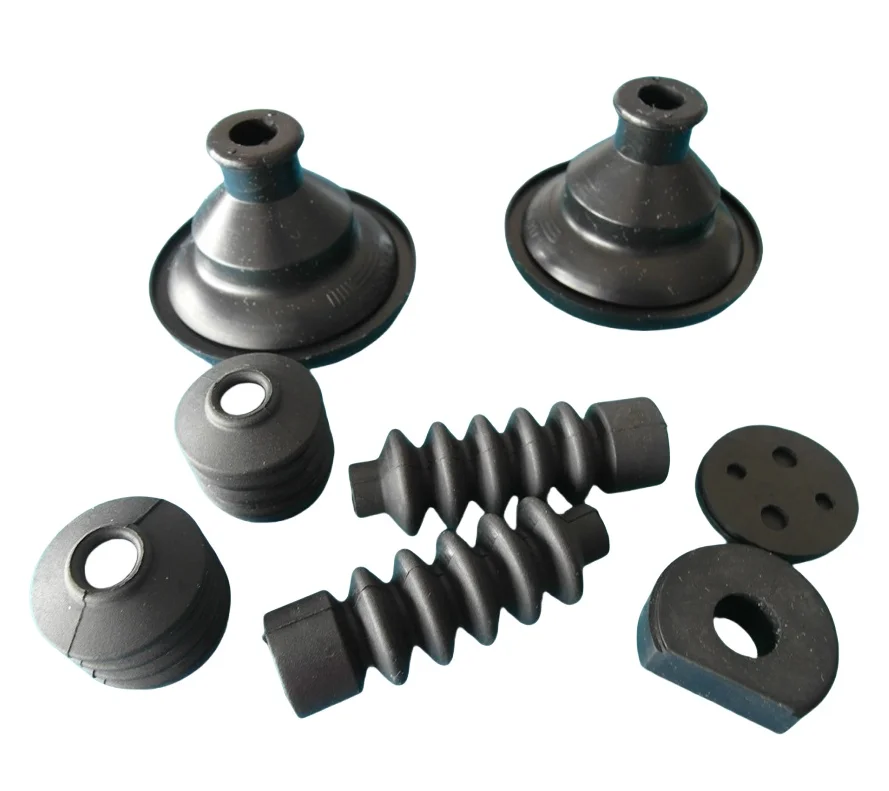
Understanding the Fundamentals of Rubber Molding Technology
Core Principles Behind Rubber Molding Processes
Rubber molding represents a sophisticated manufacturing technique that transforms raw elastomeric materials into precisely engineered components. The process begins with careful selection of appropriate rubber compounds, each formulated to meet specific performance criteria. Temperature control plays a crucial role throughout the molding cycle, as rubber compounds require precise heating to achieve optimal cross-linking without degradation. Modern rubber molding facilities utilize computer-controlled systems to monitor every aspect of the production process, ensuring consistent quality and dimensional accuracy.
The chemistry behind rubber molding involves complex polymer chains that form three-dimensional networks when properly cured. This molecular structure gives molded rubber components their characteristic elasticity and resilience. Different rubber formulations exhibit varying degrees of hardness, chemical resistance, and temperature tolerance, making material selection critical for successful applications. Professional rubber molding operations employ trained technicians who understand these material properties and can optimize processing parameters accordingly.
Advanced Equipment and Tooling Systems
Contemporary rubber molding operations rely on state-of-the-art injection molding machines capable of maintaining precise pressure and temperature conditions throughout the molding cycle. These sophisticated systems feature programmable controllers that can store multiple processing recipes for different rubber compounds and part geometries. Mold design represents another critical aspect of successful rubber molding, with engineers utilizing computer-aided design software to create tooling that ensures uniform material flow and consistent part quality.
Quality control systems integrated into modern rubber molding facilities include real-time monitoring of key process variables such as cure time, temperature profiles, and injection pressure. Advanced facilities may incorporate automated inspection systems that verify dimensional accuracy and surface finish quality for every molded component. This comprehensive approach to process control ensures that rubber molding operations can consistently produce seals and gaskets that meet or exceed customer specifications.
Material Science Advantages in Seal and Gasket Applications
Superior Chemical Resistance Properties
One of the primary reasons rubber molding excels in seal and gasket applications lies in the exceptional chemical resistance properties of properly formulated rubber compounds. Unlike many alternative materials, molded rubber components can withstand exposure to aggressive chemicals, petroleum products, and industrial solvents without experiencing significant degradation. This chemical stability stems from the cross-linked polymer structure created during the rubber molding process, which prevents chemical penetration and maintains seal integrity over extended service periods.
Specialized rubber formulations developed for specific chemical environments can provide targeted resistance to particular substances. For instance, nitrile rubber compounds excel in petroleum-based applications, while fluorocarbon elastomers offer superior performance in highly aggressive chemical environments. The rubber molding process allows manufacturers to incorporate specific additives and fillers that enhance chemical resistance without compromising other essential properties such as flexibility and durability.
Temperature Performance and Thermal Stability
Temperature extremes pose significant challenges for sealing applications, making the thermal properties of rubber molding particularly valuable. Properly formulated rubber compounds can maintain their sealing effectiveness across temperature ranges extending from cryogenic conditions to high-temperature industrial processes. The cross-linking achieved during rubber molding creates a stable polymer network that resists thermal degradation and maintains dimensional stability under varying temperature conditions.
Advanced rubber molding techniques can produce seals and gaskets with tailored thermal expansion coefficients that complement the materials they contact. This thermal compatibility prevents gap formation or excessive compression that could compromise sealing performance. Additionally, the rubber molding process allows for the incorporation of thermally conductive or insulating fillers, depending on specific application requirements, providing designers with additional flexibility in thermal management strategies.
Manufacturing Precision and Dimensional Accuracy Benefits
Tight Tolerance Capabilities
Modern rubber molding operations can achieve remarkably tight dimensional tolerances that are essential for effective sealing applications. Advanced injection molding systems combined with precision tooling enable manufacturers to produce seals and gaskets with dimensional variations measured in thousandths of an inch. This level of precision ensures consistent sealing performance across large production runs and eliminates the need for extensive post-processing operations that could compromise component quality.
The ability to maintain tight tolerances throughout the rubber molding process stems from careful control of material shrinkage and thermal expansion during cooling. Experienced mold designers account for these factors when creating tooling, incorporating compensation features that ensure final part dimensions meet specification requirements. Statistical process control methods employed in professional rubber molding facilities provide continuous feedback on dimensional accuracy, enabling immediate adjustments when variations exceed acceptable limits.
Complex Geometry Manufacturing Capabilities
Rubber molding excels in producing complex geometries that would be difficult or impossible to achieve through alternative manufacturing methods. Multi-cavity molds can simultaneously produce multiple seal configurations, while advanced tooling designs enable the creation of intricate internal passages and complex cross-sectional profiles. This geometric flexibility allows engineers to optimize seal designs for specific applications without being constrained by manufacturing limitations.
The flowability of rubber compounds during the molding process enables complete filling of intricate mold cavities, ensuring that even complex geometries are reproduced with high fidelity. Advanced rubber molding techniques can incorporate multiple durometer materials within a single component, creating seals with varying stiffness characteristics in different regions. This capability opens new possibilities for innovative seal designs that provide enhanced performance through strategic material property distribution.
Cost-Effectiveness and Production Efficiency Considerations
High-Volume Production Economics
Rubber molding offers significant economic advantages for high-volume seal and gasket production due to its inherent process efficiency and minimal material waste. Once properly set up, rubber molding operations can run continuously with minimal operator intervention, producing hundreds or thousands of components per hour depending on part complexity. The automated nature of modern rubber molding systems reduces labor costs while maintaining consistent quality standards throughout extended production runs.
Material utilization rates in rubber molding typically exceed 95%, as excess material from runners and sprues can be reground and reincorporated into future batches. This efficient material usage, combined with the relatively low cost of rubber compounds compared to many alternative materials, results in favorable piece-part costs for large-volume applications. Additionally, the durability of properly maintained rubber molding tooling allows for production of millions of components before refurbishment becomes necessary.
Rapid Prototyping and Design Iteration Benefits
The rubber molding process facilitates rapid prototyping and design iteration cycles that accelerate product development timelines. Modern tooling techniques, including 3D printing of prototype molds and rapid machining of production tooling, enable designers to evaluate multiple seal configurations quickly and cost-effectively. This iterative approach allows for optimization of seal geometry and material selection before committing to large-scale production tooling investments.
Computer simulation software specifically designed for rubber molding applications enables engineers to predict material flow, cure characteristics, and final part properties before physical tooling is constructed. These predictive capabilities reduce the number of design iterations required and minimize the risk of costly tooling modifications during the development process. The combination of simulation tools and rapid prototyping techniques makes rubber molding an ideal choice for custom seal and gasket applications where design optimization is critical.
Quality Assurance and Testing Methodologies
Comprehensive Material Testing Protocols
Professional rubber molding operations implement comprehensive testing protocols that verify material properties and component performance throughout the production process. Raw material testing ensures that incoming rubber compounds meet specification requirements for key properties such as hardness, tensile strength, and elongation. In-process testing monitors cure characteristics and dimensional accuracy, while finished component testing validates performance under simulated service conditions.
Advanced testing methodologies employed in rubber molding facilities include accelerated aging studies that predict long-term performance characteristics under various environmental conditions. These tests subject molded seals and gaskets to elevated temperatures, chemical exposure, and mechanical stress cycles that simulate years of actual service in compressed timeframes. Results from these studies guide material selection and processing parameter optimization for specific applications.
Statistical Process Control Implementation
Modern rubber molding operations utilize sophisticated statistical process control systems that continuously monitor key quality indicators and alert operators to potential issues before they result in defective components. These systems track parameters such as cure time, temperature profiles, and dimensional measurements, comparing actual values to predetermined control limits. When measurements approach specification boundaries, the system triggers corrective actions that maintain process stability and product quality.
Data collected through statistical process control systems provides valuable insights into process optimization opportunities and long-term performance trends. Analysis of this data enables continuous improvement initiatives that enhance product quality while reducing manufacturing costs. The systematic approach to quality management inherent in professional rubber molding operations ensures consistent performance and reliability in critical sealing applications.
Environmental Sustainability and Regulatory Compliance
Eco-Friendly Manufacturing Practices
Contemporary rubber molding operations increasingly emphasize environmental sustainability through implementation of eco-friendly manufacturing practices and material selection strategies. Many rubber compounds now incorporate renewable raw materials or recycled content without compromising performance characteristics. Advanced rubber molding facilities implement closed-loop material handling systems that minimize waste generation and maximize material utilization efficiency.
Energy efficiency represents another important aspect of sustainable rubber molding operations, with modern facilities utilizing variable-frequency drives, efficient heating systems, and heat recovery technologies to minimize energy consumption. Some operations have achieved carbon-neutral status through implementation of renewable energy sources and carbon offset programs. These sustainability initiatives not only reduce environmental impact but also provide cost savings that can be passed along to customers.
Regulatory Compliance and Certification Standards
Rubber molding operations serving critical industries must comply with stringent regulatory requirements and maintain various quality certifications. Aerospace applications require adherence to AS9100 quality standards, while automotive components must meet IATF 16949 requirements. Medical device applications demand compliance with ISO 13485 standards and FDA regulations for biocompatible materials and manufacturing processes.
Professional rubber molding facilities maintain detailed documentation systems that provide complete traceability for all materials and processing parameters used in component manufacture. This documentation capability is essential for regulatory compliance and enables rapid response to any quality issues that may arise in the field. Regular audits by certification bodies ensure continued compliance with applicable standards and provide customers with confidence in component quality and reliability.
FAQ
What types of rubber compounds are commonly used in molding seals and gaskets
The most commonly used rubber compounds for seal and gasket molding include nitrile (NBR) for oil resistance, EPDM for weather resistance, silicone for high-temperature applications, and fluorocarbon (FKM) for extreme chemical resistance. Each compound offers specific advantages depending on the intended application environment, with selection based on factors such as temperature range, chemical compatibility, and mechanical requirements. Professional rubber molding operations maintain inventories of multiple compound types to address diverse customer needs and application requirements.
How does rubber molding compare to other manufacturing methods for seals
Rubber molding offers superior precision, consistency, and cost-effectiveness compared to alternative manufacturing methods such as die cutting or machining from solid stock. The molding process enables production of complex geometries with tight tolerances while minimizing material waste and labor costs. Unlike cutting operations that are limited by material thickness and shape constraints, rubber molding can create intricate internal features and varying cross-sections that optimize sealing performance for specific applications.
What quality control measures ensure consistent seal performance
Quality control in rubber molding operations includes incoming material inspection, real-time process monitoring, dimensional verification, and performance testing under simulated service conditions. Statistical process control systems track key parameters throughout production, while automated inspection equipment verifies dimensional accuracy and surface quality. Comprehensive testing protocols evaluate properties such as compression set, chemical resistance, and temperature performance to ensure components meet specification requirements and provide reliable long-term service.
How long do rubber molded seals typically last in service
Service life for rubber molded seals varies significantly depending on application conditions, material selection, and design factors, but properly engineered components typically provide reliable service for five to twenty years or more. Accelerated aging tests and field experience data help predict performance under specific conditions, while proper material selection and design optimization can extend service life significantly. Regular maintenance and inspection programs help identify potential issues before seal failure occurs, maximizing equipment uptime and operational reliability.
Table of Contents
- Understanding the Fundamentals of Rubber Molding Technology
- Material Science Advantages in Seal and Gasket Applications
- Manufacturing Precision and Dimensional Accuracy Benefits
- Cost-Effectiveness and Production Efficiency Considerations
- Quality Assurance and Testing Methodologies
- Environmental Sustainability and Regulatory Compliance
- FAQ