
 EN
EN



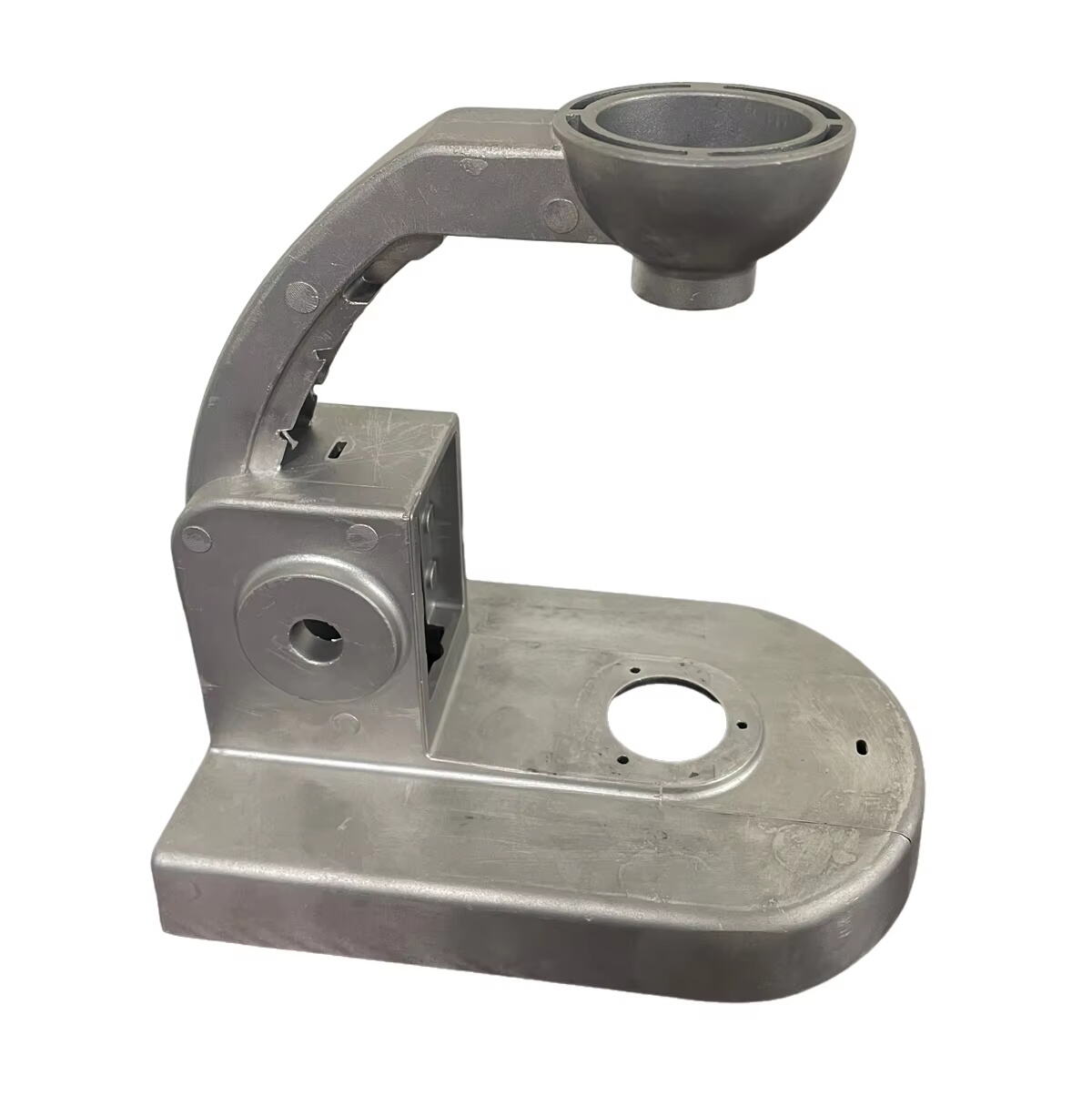
The manufacturing industry has witnessed remarkable advancements in polymer processing techniques, with overmolding emerging as a transformative technology that enhances product performance across multiple sectors. This sophisticated manufacturing process involves molding one material over another, creating multi-material components that deliver superior grip characteristics and enhanced functionality. Engineers and product designers increasingly rely on overmolding to develop innovative solutions that meet demanding performance requirements while maintaining cost-effectiveness in production.
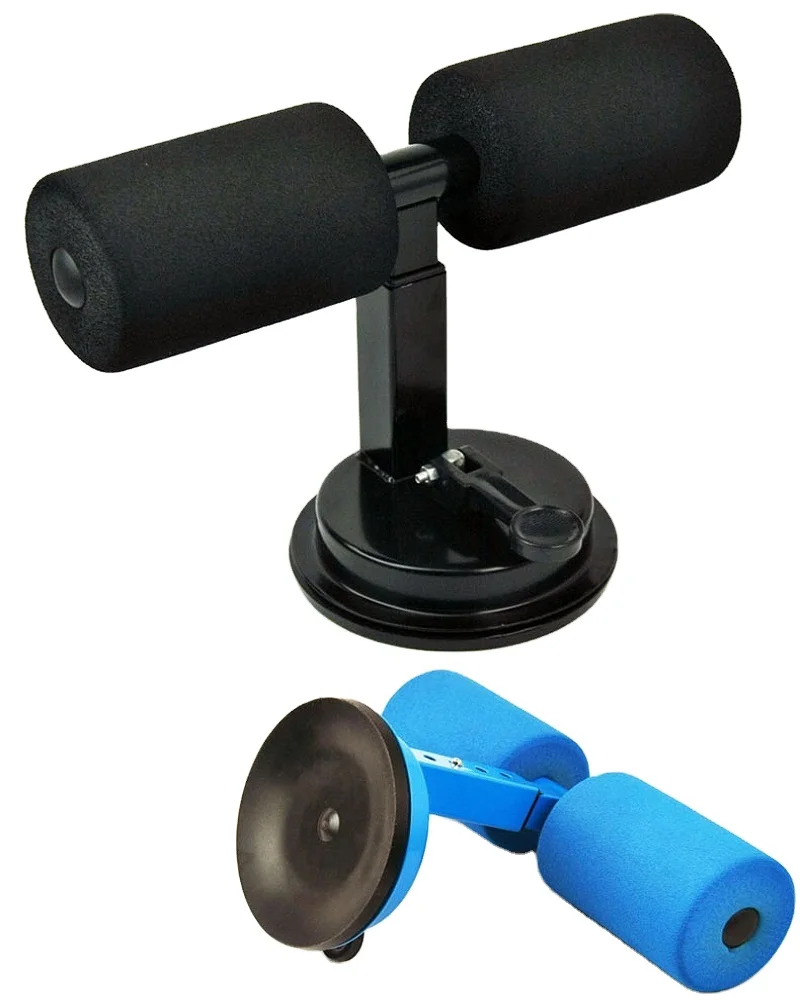
Modern consumer products and industrial components demand exceptional ergonomics and tactile performance that traditional single-material manufacturing cannot achieve. The overmolding process addresses these challenges by combining rigid substrates with soft elastomeric materials, creating products that offer both structural integrity and comfortable user interaction. This dual-material approach has revolutionized industries ranging from automotive and medical devices to consumer electronics and fitness equipment.
Understanding the Overmolding Manufacturing Process
Material Selection and Compatibility
Successful overmolding begins with careful material selection, ensuring chemical and thermal compatibility between the substrate and overmold materials. The primary substrate typically consists of rigid thermoplastics such as polypropylene, ABS, or nylon, providing structural strength and dimensional stability. The overmold material usually involves thermoplastic elastomers (TPEs) or liquid silicone rubber (LSR) that bond effectively with the substrate while delivering desired tactile properties.
Material compatibility extends beyond basic adhesion, encompassing thermal expansion coefficients, processing temperatures, and long-term aging characteristics. Engineers must evaluate how different polymer combinations perform under various environmental conditions, including temperature fluctuations, chemical exposure, and mechanical stress cycles. This comprehensive analysis ensures that overmolding applications maintain their performance integrity throughout the product lifecycle.
Processing Techniques and Equipment Requirements
The overmolding process utilizes specialized injection molding equipment capable of handling multiple materials sequentially or simultaneously. Two-shot molding machines represent the most advanced approach, allowing manufacturers to produce complex geometries with precise material placement in a single operation. These sophisticated systems feature rotating platens or core-back mechanisms that enable accurate positioning of substrates for overmold material injection.
Insert molding represents an alternative overmolding approach where pre-molded components are placed into molds before injecting the secondary material. This technique offers flexibility for complex shapes and allows manufacturers to incorporate metal inserts or electronic components within the overmolded structure. Processing parameters such as injection speed, pressure profiles, and cooling rates must be optimized to prevent material degradation and ensure proper bonding between layers.
Grip Enhancement Through Overmolding Technology
Surface Texture and Tactile Properties
Overmolding significantly improves grip performance by introducing carefully engineered surface textures and elastomeric properties that enhance user interaction. The soft overmold material conforms to hand contours, increasing contact area and friction coefficients compared to rigid plastic surfaces. Advanced texturing techniques, including laser etching and chemical etching, create microscopic surface features that further enhance grip characteristics under various environmental conditions.
The durometer selection of overmold materials plays a crucial role in optimizing grip performance for specific applications. Softer materials with Shore A hardness values between 30-60 provide excellent conformability and tactile feedback, while maintaining sufficient durability for repeated use. Material formulations can incorporate additives such as silicone oils or friction-enhancing compounds that modify surface properties without compromising structural integrity.
Ergonomic Design Integration
Effective overmolding extends beyond material selection to encompass comprehensive ergonomic design principles that optimize human-product interaction. Designers analyze hand anthropometry data and grip patterns to determine optimal overmold placement, thickness variations, and contour profiles. This data-driven approach ensures that overmolding applications provide maximum comfort and control across diverse user populations.
Strategic overmold placement creates distinct grip zones that guide proper hand positioning while preventing slippage during use. Raised ridges, recessed channels, and variable thickness profiles work together to create intuitive grip patterns that enhance user confidence and reduce fatigue during extended use. These ergonomic considerations become particularly important in applications involving repetitive motions or high-force requirements.
Functional Advantages of Multi-Material Construction
Mechanical Property Enhancement
Overmolding creates composite structures that combine the beneficial properties of different materials, resulting in components with enhanced mechanical performance compared to single-material alternatives. The rigid substrate provides structural strength and dimensional stability, while the elastomeric overmold contributes flexibility, impact resistance, and vibration damping. This synergistic combination enables designers to optimize component performance for specific load conditions and environmental requirements.
Impact resistance represents a particularly significant advantage of overmolding technology, as the soft outer layer absorbs and distributes impact energy before it reaches the rigid core. This protection mechanism extends product lifespan and reduces maintenance requirements in demanding applications. The overmold material also provides excellent chemical resistance, protecting the substrate from aggressive environments while maintaining surface properties.
Sealing and Environmental Protection
Advanced overmolding techniques create effective environmental seals that protect internal components from moisture, dust, and chemical contamination. The elastomeric overmold material naturally conforms to mating surfaces, creating compression seals without requiring additional gaskets or O-rings. This integrated sealing approach reduces component complexity while improving reliability in harsh operating environments.
The overmolding process enables manufacturers to achieve various IP (Ingress Protection) ratings by carefully controlling material flow and bond line integrity. Proper mold design ensures complete encapsulation of critical areas while maintaining accessibility for user interfaces. This environmental protection capability makes overmolding particularly valuable in outdoor equipment, marine applications, and industrial machinery where exposure to harsh conditions is inevitable.
Industry Applications and Performance Benefits
Automotive and Transportation
The automotive industry extensively utilizes overmolding technology to enhance interior and exterior component performance, particularly in applications requiring superior grip and tactile feedback. Steering wheels, gear shifters, and door handles benefit significantly from overmolding, providing drivers with improved control and comfort during operation. The process allows manufacturers to integrate heating elements, sensors, and other electronic components while maintaining smooth exterior surfaces.
Automotive overmolding applications must withstand extreme temperature variations, UV exposure, and chemical contact with cleaning agents and automotive fluids. Advanced material formulations incorporate UV stabilizers, antioxidants, and flame retardants to ensure long-term performance under these demanding conditions. The ability to combine multiple functions in single components reduces assembly complexity and weight while improving overall vehicle quality.
Medical Device Innovation
Medical device manufacturers leverage overmolding to create instruments and equipment that meet stringent safety, comfort, and functionality requirements. Surgical instruments benefit from overmolded grips that provide secure handling even when wet, reducing the risk of slippage during critical procedures. The process enables integration of antimicrobial additives directly into the overmold material, creating inherently hygienic surfaces without post-processing treatments.
Biocompatibility considerations are paramount in medical overmolding applications, requiring materials that meet FDA and ISO standards for human contact. Specialized TPE formulations offer excellent chemical resistance to sterilization processes while maintaining flexibility and grip properties throughout repeated sterilization cycles. The ability to create smooth, crevice-free surfaces through overmolding reduces bacterial harboring and simplifies cleaning protocols.
Design Optimization Strategies
Material Interface Engineering
Successful overmolding requires careful attention to the interface between substrate and overmold materials, as this bond line determines overall component integrity and performance. Surface preparation techniques, including plasma treatment or chemical priming, enhance adhesion by increasing surface energy and creating mechanical interlocking. The substrate surface geometry also influences bond strength, with undercuts and mechanical features providing superior retention compared to smooth surfaces.
Thermal considerations during processing affect interface quality, as excessive heat can degrade substrate materials or create residual stresses that compromise long-term durability. Processing parameters must be optimized to achieve proper flow and wetting while maintaining material properties. Gate placement and runner design influence how overmold material flows around the substrate, affecting both aesthetic appearance and functional performance.
Thickness Control and Wall Design
Overmold thickness directly impacts both grip performance and manufacturing feasibility, requiring careful balance between functional requirements and processing constraints. Thicker sections provide better cushioning and grip enhancement but may lead to longer cycle times and potential sink marks. Minimum thickness requirements ensure adequate material flow while preventing incomplete filling or poor surface finish.
Wall thickness transitions must be gradual to prevent stress concentrations and ensure uniform material distribution during injection. Sharp thickness changes can create weak points that fail under mechanical loading or temperature cycling. Advanced simulation software helps designers optimize wall thickness profiles while predicting potential manufacturing issues before tooling fabrication begins.
Quality Control and Testing Methodologies
Bond Strength Evaluation
Comprehensive quality control for overmolding applications includes rigorous testing of the material interface to ensure adequate bond strength under various loading conditions. Peel tests, lap shear tests, and tensile tests provide quantitative data on adhesion performance while identifying potential failure modes. These mechanical tests must simulate actual service conditions, including temperature extremes, moisture exposure, and cyclic loading patterns.
Non-destructive testing methods, such as ultrasonic inspection or thermal imaging, enable quality assessment without damaging production components. These techniques can identify delamination, voids, or incomplete bonding that might not be visible through visual inspection alone. Implementing comprehensive testing protocols ensures consistent overmolding quality while building confidence in product reliability.
Performance Validation Under Service Conditions
Real-world performance validation requires testing overmolded components under conditions that simulate actual use environments and loading patterns. Accelerated aging tests expose components to elevated temperatures, humidity, and UV radiation to predict long-term performance characteristics. Cyclic testing evaluates fatigue resistance under repeated loading while monitoring for changes in grip properties or structural integrity.
Environmental testing encompasses exposure to chemicals, temperature cycling, and mechanical stress to verify that overmolding performance remains stable throughout the product lifecycle. These comprehensive validation programs provide data necessary for warranty determinations and regulatory approvals while identifying potential improvement opportunities for future designs.
Future Developments in Overmolding Technology
Advanced Material Systems
Ongoing research in polymer science continues to expand overmolding capabilities through development of new material systems with enhanced properties and processing characteristics. Bio-based elastomers offer sustainable alternatives to petroleum-derived materials while maintaining performance requirements for demanding applications. Smart materials that change properties in response to environmental stimuli open new possibilities for adaptive grip systems and self-healing surfaces.
Nanocomposite materials incorporate reinforcing particles at the nanoscale level, providing enhanced mechanical properties, electrical conductivity, or antimicrobial functionality without significantly increasing material density. These advanced formulations enable overmolding applications in emerging technologies such as flexible electronics, wearable devices, and Internet of Things sensors.
Process Innovation and Automation
Manufacturing technology advancement focuses on improving overmolding process efficiency, consistency, and capability through automation and advanced control systems. Real-time monitoring systems track critical process parameters and automatically adjust settings to maintain optimal conditions throughout production runs. Machine learning algorithms analyze historical data to predict optimal processing windows and prevent defects before they occur.
Additive manufacturing technologies are beginning to integrate with overmolding processes, enabling rapid prototyping of complex geometries and customized components. This hybrid approach allows manufacturers to produce small quantities of specialized parts economically while maintaining the superior properties achieved through overmolding technology.
FAQ
What materials are commonly used in overmolding applications?
Common substrate materials include polypropylene, ABS, nylon, and polycarbonate, which provide structural strength and dimensional stability. Overmold materials typically consist of thermoplastic elastomers (TPEs), liquid silicone rubber (LSR), or polyurethane, selected based on desired grip characteristics, chemical resistance, and processing requirements. Material compatibility testing ensures proper adhesion and long-term performance under service conditions.
How does overmolding compare to other grip enhancement methods?
Overmolding offers superior performance compared to adhesive-applied grips, mechanical attachments, or surface coatings because it creates permanent chemical bonds between materials. This integrated approach eliminates potential failure points associated with separate grip elements while enabling complex geometries and precise material placement. The process also allows incorporation of multiple functions, such as sealing and vibration damping, in single manufacturing operations.
What design considerations are most important for successful overmolding?
Critical design considerations include material selection and compatibility, substrate surface preparation, wall thickness optimization, and gate placement for proper material flow. Interface geometry must provide adequate mechanical retention while enabling complete material encapsulation. Processing parameters require careful optimization to prevent substrate degradation while ensuring proper overmold material cure and adhesion.
How does overmolding impact manufacturing costs and lead times?
While overmolding requires more complex tooling and processing equipment compared to single-material molding, it often reduces overall manufacturing costs by eliminating secondary assembly operations and improving component integration. Cycle times may be longer due to multiple material injections, but the elimination of post-molding grip application processes typically results in net time savings. The technology enables higher-value products with enhanced performance characteristics that justify premium pricing in competitive markets.
Table of Contents
- Understanding the Overmolding Manufacturing Process
- Grip Enhancement Through Overmolding Technology
- Functional Advantages of Multi-Material Construction
- Industry Applications and Performance Benefits
- Design Optimization Strategies
- Quality Control and Testing Methodologies
- Future Developments in Overmolding Technology
- FAQ