
 EN
EN



Smart devices have transformed the way people live, work, and communicate, and at the heart of every one of these innovations lies a carefully engineered set of electronic parts. From the microprocessors that execute millions of calculations per second to the tiny sensors that detect motion, temperature, and touch, electronic parts are the foundational building blocks that give smart devices their intelligence and functionality. Without these components working in precise coordination, the seamless experiences consumers expect from modern technology simply would not exist.
Understanding what makes electronic parts so essential in smart devices requires looking beyond the surface of any finished product. Every smart device — whether it is a wearable fitness tracker, a connected home appliance, or a rechargeable personal care tool — depends on a layered architecture of electronic parts that manage power, process data, enable communication, and deliver a responsive user experience. The quality, precision, and integration of these components directly determine how well a device performs, how long it lasts, and how reliably it serves its intended purpose in daily life.
The Role of Electronic Parts in Defining Device Intelligence
Processing and Control Components
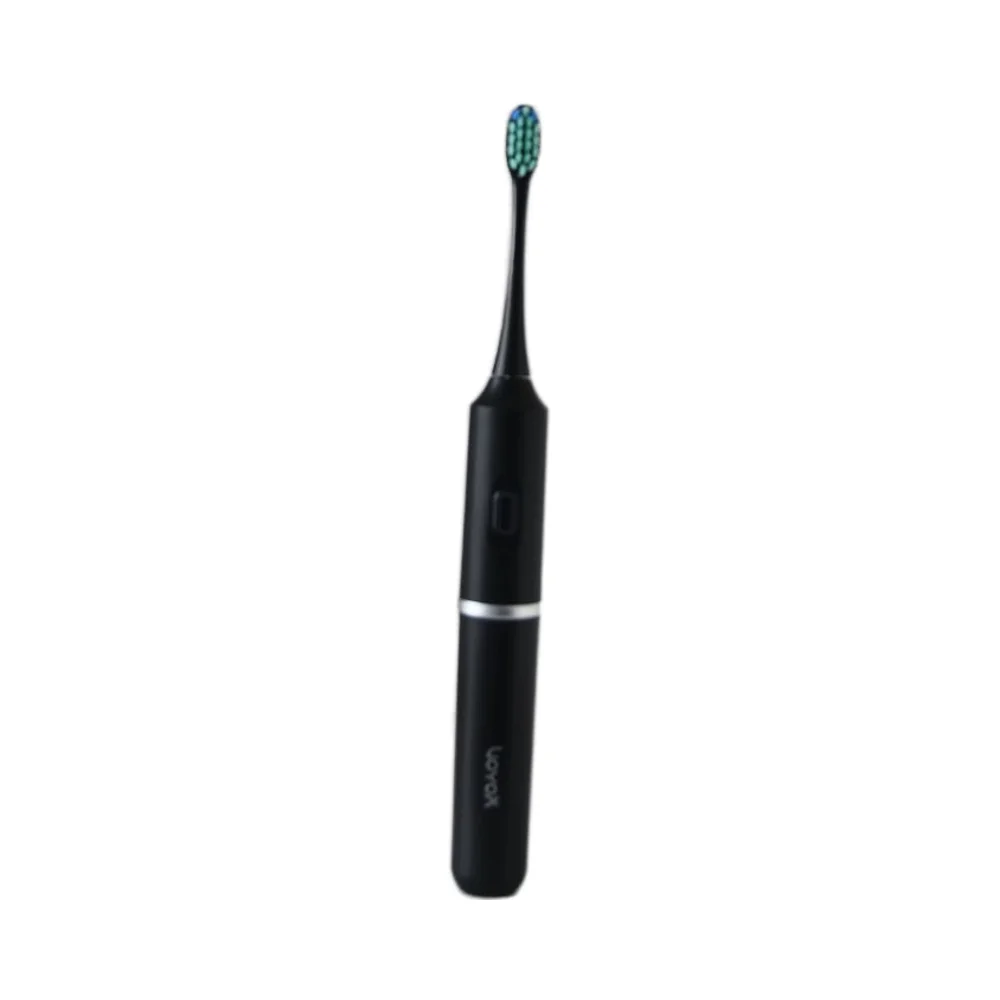
At the core of any smart device is a processing unit — a microcontroller or microprocessor that interprets inputs, executes programmed logic, and coordinates outputs. These electronic parts are responsible for the decision-making capability that distinguishes a smart device from a conventional one. In a sonic electric toothbrush with an LED display, for example, the microcontroller manages brushing modes, monitors motor speed, and controls the visual feedback shown to the user.
The sophistication of these processing electronic parts has grown dramatically over the past decade. Modern microcontrollers are compact, energy-efficient, and capable of handling multiple tasks simultaneously. This allows manufacturers to pack advanced functionality into small form factors without compromising battery life or thermal performance. The result is a generation of smart devices that feel intuitive and responsive because their core electronic parts are engineered to react in real time.
Control logic embedded in these electronic parts also enables programmable behavior, meaning devices can be updated, customized, or improved through firmware changes. This adaptability is a key reason why electronic parts are not just functional necessities but strategic assets in product development. They allow a single hardware platform to support multiple product variants or evolving user needs over time.
Sensor and Input Electronic Parts
Sensors represent one of the most critical categories of electronic parts in smart devices. They serve as the interface between the physical world and the device's digital processing layer. Pressure sensors, accelerometers, capacitive touch sensors, and optical detectors all fall into this category, and each one enables a specific type of awareness or interaction that makes a device feel genuinely smart.
In household smart devices, sensor-based electronic parts allow the product to respond to user behavior rather than requiring manual input at every step. A device that automatically adjusts its operating mode based on detected usage patterns relies entirely on the accuracy and sensitivity of its sensor components. The precision of these electronic parts directly affects how natural and effortless the user experience feels.
Sensor electronic parts also play a safety role in many applications. Overcurrent detection, temperature monitoring, and pressure regulation are all functions handled by specialized sensors that protect both the device and the user. In rechargeable devices with Type-C charging interfaces, for instance, sensor-driven protection circuits are essential electronic parts that prevent overcharging and thermal damage.
Power Management and Energy Efficiency Through Electronic Parts
Battery and Charging Circuit Components
Power management is one of the most demanding engineering challenges in smart device design, and it is addressed almost entirely through specialized electronic parts. Battery management integrated circuits, charging controllers, and voltage regulators work together to ensure that energy is stored, delivered, and consumed as efficiently as possible. These electronic parts determine how quickly a device charges, how long it runs on a single charge, and how gracefully it handles power fluctuations.
In devices that use Type-C charging — a standard now common across consumer electronics — the charging circuit electronic parts must support fast charging protocols while maintaining strict safety tolerances. The components involved include current-limiting resistors, protection MOSFETs, and charge management ICs, all of which must be selected and calibrated with precision. A failure in any of these electronic parts can result in reduced battery life, slow charging, or in worst cases, safety hazards.
The trend toward longer battery life in portable smart devices has pushed manufacturers to invest heavily in more efficient power management electronic parts. Lower quiescent current draw, smarter sleep-mode logic, and adaptive power scaling are all capabilities enabled by advances in these components. For consumers, the benefit is a device that stays ready to use without constant recharging — a quality that directly reflects the engineering quality of its electronic parts.
Energy Regulation and Load Distribution
Beyond the battery itself, smart devices rely on a network of electronic parts to distribute power cleanly across all subsystems. Voltage regulators ensure that sensitive components like displays and microcontrollers receive stable, noise-free power even as load conditions change. Without these electronic parts, fluctuations in supply voltage could cause erratic behavior, data corruption, or premature component failure.
Load switches and power sequencing electronic parts manage the order in which subsystems are powered on and off, which is critical for preventing inrush current damage and ensuring reliable startup behavior. In devices with multiple operating modes — such as a toothbrush that switches between standard and sensitive brushing settings — these electronic parts coordinate the transition smoothly without interrupting the user experience.
Efficient energy regulation also contributes to the thermal performance of a smart device. When electronic parts convert or regulate power with high efficiency, less energy is lost as heat. This keeps the device comfortable to hold, extends the lifespan of internal components, and reduces the risk of thermal-related failures. It is a clear example of how the quality of electronic parts has a cascading effect on overall product reliability.
Display and Output Electronic Parts in Smart Devices
LED and Visual Feedback Components
Visual output is one of the most direct ways a smart device communicates with its user, and this communication is made possible by display-related electronic parts. LED indicators, segment displays, and full-color screens all rely on driver circuits, current-limiting components, and control logic to produce accurate, readable output. In a device like a sonic toothbrush with an LED display, these electronic parts translate internal status data — battery level, brushing mode, timer progress — into clear visual signals.
The design of display electronic parts involves balancing brightness, power consumption, and visibility across different lighting conditions. LED driver ICs regulate the current flowing through each LED element to maintain consistent brightness without wasting energy. These electronic parts must also be compatible with the device's overall power budget, ensuring that the display does not drain the battery disproportionately during normal use.
As smart devices become more feature-rich, the complexity of their display electronic parts increases accordingly. Multi-segment displays require multiplexing logic, while more advanced screens need dedicated display controllers with frame buffers and refresh management. Each layer of complexity adds to the engineering value embedded in the electronic parts that make visual feedback possible.
Motor Drive and Actuator Electronic Parts
In devices that produce physical output — vibration, rotation, or linear motion — motor drive electronic parts are essential. These components convert electrical signals from the microcontroller into the mechanical energy that drives the device's core function. In a sonic electric toothbrush, the motor driver circuit controls the frequency and amplitude of the brush head's oscillation, which directly determines cleaning effectiveness.
Motor driver electronic parts must handle relatively high current loads compared to logic-level components, which means they require careful thermal and electrical design. H-bridge circuits, gate drivers, and current sense resistors are all electronic parts that work together to deliver precise, controlled motor performance. The accuracy of this control affects not just performance but also the acoustic profile of the device — a well-tuned motor driver produces a consistent, smooth sound rather than irregular noise.
Actuator electronic parts also enable haptic feedback in many smart devices, providing tactile confirmation of user inputs. This type of feedback relies on the same motor drive principles but is optimized for short, precise bursts of vibration rather than continuous rotation. The electronic parts involved must respond quickly and accurately to control signals, making their quality and specification critical to the overall user experience.
Integration and Miniaturization of Electronic Parts in Modern Smart Devices
System-on-Chip and Compact Component Design
One of the defining trends in smart device development is the integration of multiple functions into single, compact electronic parts. System-on-chip solutions combine processing, memory, wireless communication, and peripheral interfaces into a single package, dramatically reducing the board space required and simplifying the overall design. This level of integration is what allows modern smart devices to be small, lightweight, and feature-rich simultaneously.
The miniaturization of electronic parts has also enabled new product categories that were not previously feasible. Wearables, compact personal care devices, and portable diagnostic tools all exist because advances in component packaging have made it possible to fit sophisticated functionality into very small enclosures. The engineering challenge is not just making electronic parts smaller but ensuring they maintain performance, reliability, and thermal stability at reduced scale.
For manufacturers, the availability of highly integrated electronic parts simplifies the bill of materials, reduces assembly complexity, and can lower production costs. However, it also places greater importance on component selection and supplier quality, since a single integrated part now carries more functional responsibility than several discrete components would have in an earlier design generation.
PCB Layout and Component Interaction
The physical arrangement of electronic parts on a printed circuit board has a significant impact on device performance. Signal integrity, electromagnetic compatibility, and thermal management are all influenced by how components are positioned relative to each other. Engineers must consider the interaction between electronic parts at the layout stage to prevent issues like noise coupling, ground bounce, or localized heat buildup.
In smart devices with wireless connectivity, the placement of antenna-related electronic parts is especially critical. Nearby metal components and high-frequency switching circuits can interfere with radio performance if not carefully managed. This requires a deep understanding of how different electronic parts interact at the electromagnetic level, which is a specialized area of PCB design expertise.
The quality of solder joints, component tolerances, and PCB material also affects how reliably electronic parts perform over the product's lifetime. Thermal cycling, mechanical stress from daily use, and exposure to moisture all challenge the durability of these connections. Manufacturers who invest in high-quality electronic parts and rigorous assembly processes produce devices that maintain their performance characteristics far longer than those built to minimum specifications.
FAQ
Why are electronic parts so critical to the performance of smart devices?
Electronic parts are the functional foundation of every smart device. They handle processing, power management, sensing, output, and communication — all of which must work together seamlessly for the device to deliver its intended experience. The quality and precision of these components directly determine how well the device performs, how reliably it operates over time, and how efficiently it uses energy.
How do electronic parts in rechargeable devices ensure safe charging?
Rechargeable smart devices rely on dedicated battery management electronic parts that monitor voltage, current, and temperature during the charging process. These components enforce safe operating limits, prevent overcharging, and protect against short circuits. In devices with Type-C charging interfaces, the charging circuit electronic parts also negotiate power delivery parameters with the charger to optimize charging speed without exceeding safe thresholds.
What role do electronic parts play in the user interface of smart devices?
User interface elements like LED displays, touch inputs, and haptic feedback are all driven by specific electronic parts. Display driver ICs control visual output, capacitive sensing components detect touch, and motor driver circuits produce vibration feedback. Together, these electronic parts create the interactive layer that makes a smart device feel responsive and intuitive to use.
How does the miniaturization of electronic parts benefit smart device design?
Miniaturized electronic parts allow manufacturers to build compact, lightweight devices without sacrificing functionality. Advances in component packaging and system-on-chip integration mean that more features can be embedded in smaller enclosures, enabling product categories like wearables and portable personal care devices. This miniaturization also simplifies assembly and can reduce production costs, making advanced smart device features more accessible across a wider range of consumer products.