
 EN
EN



Selecting the appropriate die casting solution for your industrial applications requires careful consideration of multiple technical factors that directly impact product performance, manufacturing efficiency, and long-term durability. The die casting process has revolutionized modern manufacturing by enabling the production of complex metal components with exceptional dimensional accuracy and surface finish quality. Understanding the fundamental principles of die casting selection ensures optimal results across diverse industrial sectors, from automotive and aerospace to electronics and construction equipment manufacturing.
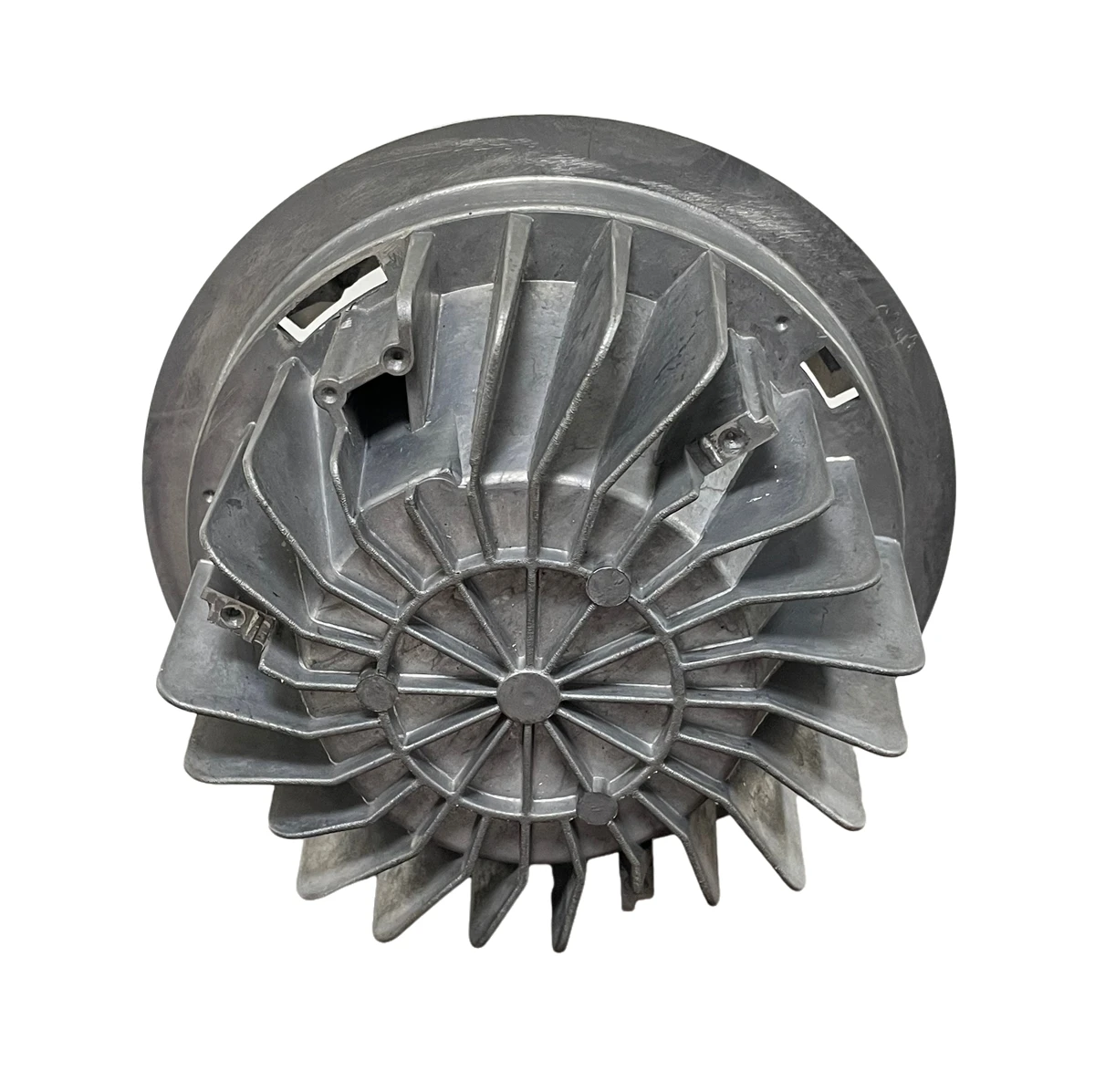
Modern die casting technologies offer unprecedented versatility in material selection, geometric complexity, and production volume capabilities. Engineers and procurement professionals must evaluate numerous variables including alloy composition, part geometry requirements, surface finish specifications, and production volume targets. The selection process becomes increasingly critical as applications demand higher performance standards and tighter tolerances in today's competitive manufacturing environment.
Material Selection Fundamentals for Die Casting Applications
Aluminum Alloy Properties and Performance Characteristics
Aluminum alloys dominate the die casting industry due to their exceptional strength-to-weight ratio, corrosion resistance, and thermal conductivity properties. The most commonly utilized aluminum die casting alloys include A380, ADC12, and A383, each offering distinct advantages for specific application requirements. ADC12 aluminum alloy demonstrates superior fluidity during the die casting process, making it ideal for complex geometries with thin wall sections and intricate internal features.
The mechanical properties of aluminum die casting alloys vary significantly based on composition and heat treatment procedures. Tensile strength typically ranges from 280 to 350 MPa, while yield strength values fall between 140 to 280 MPa depending on the specific alloy and processing parameters. These mechanical characteristics make aluminum die casting suitable for structural components in automotive, aerospace, and industrial machinery applications where weight reduction and strength requirements are paramount.
Corrosion resistance represents another critical advantage of aluminum die casting materials. The natural oxide layer formation on aluminum surfaces provides inherent protection against environmental degradation, particularly important for outdoor applications and marine environments. Additionally, aluminum die casting components can be enhanced through various surface treatment processes including anodizing, powder coating, and chemical conversion coatings to further improve corrosion resistance and aesthetic appeal.
Zinc Alloy Applications and Selection Criteria
Zinc die casting alloys offer unique advantages for applications requiring superior dimensional stability, excellent surface finish quality, and enhanced machinability characteristics. Common zinc die casting alloys include Zamak 3, Zamak 5, and Zamak 7, each formulated to address specific performance requirements and manufacturing constraints. The lower melting temperature of zinc alloys compared to aluminum reduces energy consumption and enables longer die life in high-volume production scenarios.
The exceptional dimensional accuracy achievable with zinc die casting makes it particularly suitable for precision components in electronic devices, hardware applications, and decorative elements. Zinc die casting typically achieves tolerances of ±0.05mm or better, significantly tighter than many alternative manufacturing processes. This precision capability reduces or eliminates secondary machining operations, resulting in lower overall production costs and improved manufacturing efficiency.
Surface finish quality represents a significant advantage of zinc die casting technology. The smooth surface texture achieved directly from the die casting process often eliminates the need for extensive finishing operations. Zinc die casting components readily accept various plating and coating processes, including chrome plating, nickel plating, and powder coating, enabling superior aesthetic and functional surface treatments for consumer products and architectural applications.
Geometric Considerations and Design Optimization
Wall Thickness Requirements and Structural Integrity
Wall thickness design represents one of the most critical factors in successful die casting implementation. Minimum wall thickness varies by material, with aluminum die casting typically requiring 2.0-3.0mm minimum thickness, while zinc die casting can achieve thinner walls of 1.5-2.0mm. Maintaining uniform wall thickness throughout the component prevents internal defects such as shrinkage porosity and ensures consistent mechanical properties across the entire part.
Draft angles must be incorporated into all vertical surfaces to facilitate part ejection from the die cavity. Recommended draft angles range from 1-3 degrees depending on surface finish requirements and part depth. Interior surfaces typically require greater draft angles than exterior surfaces due to shrinkage effects during solidification. Proper draft angle implementation prevents surface damage during ejection and extends die life significantly.
Fillet radii at all internal corners improve material flow during filling and reduce stress concentrations in the finished component. Minimum fillet radii should be at least 25% of the adjacent wall thickness to ensure adequate material flow and prevent sharp corners that can initiate crack formation. Generous fillet radii also facilitate easier machining operations when secondary processing is required for threaded features or precision surfaces.
Complex Geometry Capabilities and Limitations
Modern die casting processes enable the production of highly complex geometries including internal passages, undercuts, and integrated features that would be difficult or impossible to achieve through other manufacturing methods. Multi-slide die casting technology allows the formation of complex undercuts and side actions, expanding design possibilities for intricate components. However, each additional complexity increases tooling costs and may impact cycle times and production efficiency.
Coring capabilities in die casting enable the creation of internal cavities, cooling passages, and weight reduction features. Core complexity is limited by ejection requirements and structural integrity considerations. Sand cores can be utilized for extremely complex internal geometries, though this adds process complexity and cost considerations that must be evaluated against alternative manufacturing approaches.
Integration of multiple functions into single die casting components offers significant cost and assembly advantages. Features such as mounting bosses, snap fits, and gasket grooves can be incorporated directly into the die casting geometry, eliminating secondary operations and reducing assembly complexity. However, functional integration must be balanced against manufacturability constraints and quality control requirements to ensure consistent production results.
Quality Standards and Performance Requirements
Surface Finish Specifications and Aesthetic Considerations
Surface finish quality in die casting applications varies dramatically based on die condition, process parameters, and material characteristics. As-cast surface finishes typically range from 1.6 to 6.3 Ra (roughness average), with zinc die casting generally achieving smoother finishes than aluminum due to superior filling characteristics and lower processing temperatures. Die surface treatments and maintenance procedures significantly influence achievable surface quality and consistency.
Cosmetic applications require exceptional surface quality with minimal visible defects such as flow lines, sink marks, or parting line flash. Die casting processes must be optimized through careful gate design, filling speed control, and die temperature management to achieve cosmetic quality standards. Post-casting operations including shot blasting, tumbling, and chemical etching can further enhance surface appearance and texture uniformity.
Functional surface requirements focus on dimensional accuracy, wear resistance, and coating adhesion properties rather than aesthetic appearance. Die casting surfaces intended for subsequent machining operations require sufficient stock allowance and consistent hardness characteristics. Bearing surfaces and sealing interfaces demand exceptional dimensional control and surface integrity to ensure proper function and service life performance.
Dimensional Tolerance Capabilities and Measurement Standards
Die casting processes typically achieve dimensional tolerances of ±0.1mm to ±0.3mm depending on part size, geometry complexity, and material characteristics. Smaller components and shorter dimensions generally maintain tighter tolerances than larger parts due to reduced thermal shrinkage effects and improved process control capabilities. Critical dimensions may require secondary machining operations to achieve tolerances tighter than ±0.05mm consistently.
Geometric tolerances including flatness, concentricity, and perpendicularity must be carefully specified based on die casting process capabilities. Die wear and thermal cycling effects can gradually impact dimensional consistency over production runs, requiring periodic adjustment and maintenance procedures. Statistical process control methods help monitor dimensional trends and predict maintenance requirements to maintain quality standards.
Measurement and inspection procedures for die casting components must account for material properties and thermal effects during quality verification. Coordinate measuring machines provide accurate dimensional verification for complex geometries, while functional gages offer rapid production inspection capabilities. Temperature stabilization periods may be required before measurement to ensure consistent and repeatable dimensional results.
Production Volume and Economic Considerations
Tooling Investment Analysis and Amortization
Die casting tooling represents a significant upfront investment that must be amortized over the anticipated production volume. Tool costs vary dramatically based on part complexity, size, and precision requirements, typically ranging from $50,000 to $500,000 or more for large, complex automotive components. Economic analysis must consider tool life expectations, maintenance costs, and potential design modifications that may require tool revisions.
Production volume requirements significantly influence die casting economics and process selection. High-volume applications benefit from automated systems, multi-cavity tooling, and optimized cycle times that reduce per-part costs substantially. Low-volume applications may require different economic models including prototype tooling, simplified designs, or alternative manufacturing processes to achieve cost-effectiveness.
Tool life expectations vary by material and application, with aluminum die casting tools typically producing 100,000 to 1,000,000 shots depending on alloy corrosiveness and operating conditions. Zinc die casting tools generally achieve longer life due to lower operating temperatures and reduced thermal cycling stress. Preventive maintenance programs and proper operating procedures maximize tool life and ensure consistent production quality throughout the production run.
Cycle Time Optimization and Production Efficiency
Die casting cycle times depend on part size, wall thickness, and cooling requirements, typically ranging from 30 seconds to several minutes per cycle. Thick sections require longer solidification times, while complex geometries may necessitate slower fill speeds to prevent defects. Cycle time optimization balances production rate requirements against quality considerations and tool life preservation.
Automation integration significantly improves production efficiency and consistency in high-volume die casting operations. Robotic systems handle part extraction, trimming, and quality inspection functions while reducing labor costs and improving workplace safety. Advanced automation systems can achieve cycle time reductions of 20-40% compared to manual operations while maintaining superior quality consistency.
Secondary operations integration within the die casting production line reduces handling costs and improves overall efficiency. In-line trimming, drilling, and finishing operations eliminate separate manufacturing steps and reduce inventory requirements. However, integrated operations must be carefully balanced against flexibility requirements and potential bottleneck creation in the production system.
Application-Specific Selection Guidelines
Automotive Industry Requirements and Standards
Automotive die casting applications demand exceptional quality standards, rigorous testing procedures, and long-term reliability performance. Components must withstand extreme temperature variations, vibration exposure, and corrosive environments while maintaining dimensional stability and structural integrity. Automotive OEM specifications typically require extensive validation testing including thermal cycling, salt spray exposure, and mechanical property verification.
Weight reduction initiatives in automotive manufacturing drive increased adoption of aluminum die casting for engine components, transmission housings, and structural elements. Die casting enables thin-wall construction with integrated features that reduce part count and assembly complexity. Advanced high-pressure die casting processes achieve mechanical properties approaching those of wrought aluminum alloys while maintaining the geometric flexibility advantages of casting technology.
Safety-critical automotive applications require enhanced quality assurance procedures including statistical process control, non-destructive testing, and full traceability documentation. Die casting processes must demonstrate capability studies and process validation to meet automotive quality standards such as ISO/TS 16949. Failure mode and effects analysis procedures ensure potential quality issues are identified and prevented through robust process design and control systems.
Electronics and Consumer Product Applications
Electronics applications utilize die casting for electromagnetic shielding, heat dissipation, and structural housing components. Zinc die casting offers excellent electrical conductivity properties for shielding applications while providing superior dimensional accuracy for connector interfaces and mounting features. Thermal management requirements in modern electronics drive innovative die casting designs incorporating cooling fins, heat pipes, and thermal interface optimization.
Consumer product die casting emphasizes aesthetic quality, surface finish excellence, and cost optimization. Cosmetic applications require defect-free surfaces suitable for decorative plating, painting, or anodizing treatments. Die casting enables complex styling features and integrated functionality that enhance product appeal while reducing manufacturing complexity and assembly costs.
Miniaturization trends in electronics manufacturing challenge die casting capabilities through reduced wall thickness requirements, tighter tolerances, and increased feature density. Advanced die casting processes including vacuum-assisted filling and precise temperature control enable production of miniature components with exceptional quality and consistency. Material selection becomes critical for thin-wall applications where strength-to-weight ratios and dimensional stability are paramount.
FAQ
What factors should be prioritized when selecting die casting materials for high-stress applications?
High-stress applications require careful evaluation of mechanical properties including tensile strength, yield strength, and fatigue resistance characteristics. Aluminum alloys such as A380 and ADC12 offer excellent strength-to-weight ratios suitable for structural components, while proper heat treatment can enhance mechanical properties significantly. Consider operating temperature ranges, corrosion exposure, and loading conditions to select appropriate alloy compositions and processing parameters that ensure long-term reliability and performance.
How does part geometry complexity affect die casting feasibility and cost considerations?
Complex geometries increase tooling costs due to additional slides, cores, and precision machining requirements in die construction. Manufacturing complexity also affects cycle times, quality control procedures, and potential defect risks that must be managed through process optimization. However, die casting's ability to integrate multiple features and eliminate assembly operations often provides overall cost advantages despite higher initial tooling investments. Design optimization focusing on manufacturability can significantly reduce complexity while maintaining functional requirements.
What quality control measures are essential for ensuring consistent die casting production?
Effective quality control in die casting requires statistical process control monitoring of critical dimensions, mechanical properties verification through regular testing, and visual inspection procedures for surface defects. Process parameters including metal temperature, injection pressure, and cycle timing must be continuously monitored and controlled within established limits. Regular die maintenance, cleaning, and inspection procedures prevent quality degradation and ensure consistent production results throughout the tool life cycle.
How can production volume requirements influence die casting process selection and economics?
High-volume production justifies investment in multi-cavity tooling, automation systems, and optimized die designs that reduce per-part costs through improved efficiency. Low-volume applications may benefit from simplified tooling approaches, prototype dies, or gravity casting alternatives that minimize upfront investment requirements. Break-even analysis should consider tooling costs, cycle times, labor requirements, and material utilization efficiency to determine optimal production strategies for specific volume requirements and timeline constraints.
Table of Contents
- Material Selection Fundamentals for Die Casting Applications
- Geometric Considerations and Design Optimization
- Quality Standards and Performance Requirements
- Production Volume and Economic Considerations
- Application-Specific Selection Guidelines
-
FAQ
- What factors should be prioritized when selecting die casting materials for high-stress applications?
- How does part geometry complexity affect die casting feasibility and cost considerations?
- What quality control measures are essential for ensuring consistent die casting production?
- How can production volume requirements influence die casting process selection and economics?