
 EN
EN


Weather resistance stands as one of the most critical performance characteristics for rubber materials used in outdoor applications. Among synthetic elastomers, epdm rubber has established itself as the premier choice for applications requiring exceptional durability against environmental elements. This synthetic rubber compound demonstrates remarkable stability when exposed to ultraviolet radiation, ozone, extreme temperatures, and moisture cycles that typically degrade conventional rubber materials over time.
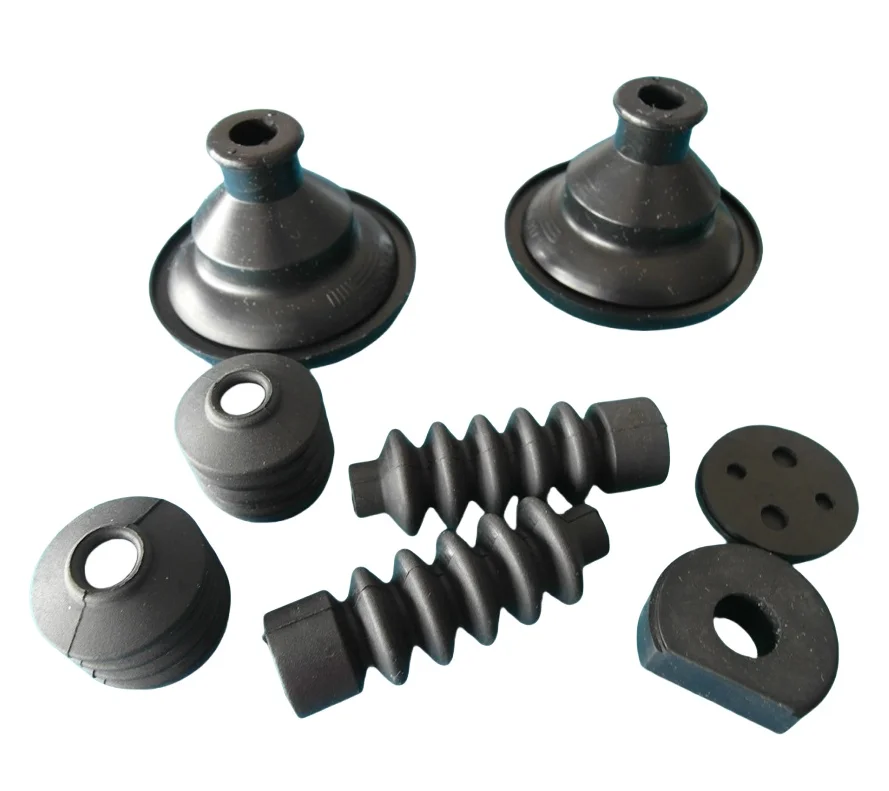
The unique molecular structure of epdm rubber contributes significantly to its outstanding weather resistance properties. Unlike natural rubber or other synthetic alternatives, this elastomer maintains its physical properties across a wide temperature range while resisting oxidation and chemical breakdown. Industrial applications ranging from automotive sealing systems to construction weatherproofing rely heavily on these protective characteristics to ensure long-term performance and reliability.
Understanding the specific mechanisms behind epdm rubber weather resistance enables engineers and procurement specialists to make informed decisions about material selection. The comprehensive evaluation of this elastomer's performance characteristics reveals why it continues to dominate markets requiring superior environmental protection and longevity.
Chemical Composition and Molecular Structure
Terpolymer Foundation
The exceptional weather resistance of epdm rubber originates from its unique terpolymer structure, composed of ethylene, propylene, and a small amount of diene monomer. This molecular arrangement creates a saturated polymer backbone that lacks the double bonds typically found in natural rubber and other synthetic elastomers. The absence of these reactive sites significantly reduces the material's susceptibility to ozone attack and UV degradation.
The ethylene content in epdm rubber typically ranges from 45% to 85%, with higher ethylene levels providing increased crystallinity and improved mechanical properties. The propylene component contributes to the elastomer's flexibility and low-temperature performance, while the diene monomer enables sulfur vulcanization during the curing process. This balanced composition creates a rubber compound with optimal weather resistance characteristics.
Manufacturing processes can adjust the ratio of these components to optimize specific performance attributes for different applications. The precise control over molecular weight distribution and branching patterns allows producers to tailor epdm rubber formulations for enhanced UV stability, improved ozone resistance, or extended temperature performance ranges.
Cross-Linking Mechanisms
The vulcanization process in epdm rubber creates three-dimensional cross-linked networks that enhance the material's structural integrity and weather resistance. Sulfur vulcanization forms the primary cross-linking mechanism, creating stable bonds that resist thermal degradation and environmental stress. These cross-links prevent polymer chain movement that could lead to material failure under weathering conditions.
Alternative curing systems, including peroxide vulcanization, offer enhanced heat resistance and compression set properties for demanding applications. Peroxide-cured epdm rubber demonstrates superior aging characteristics and maintains elasticity over extended exposure periods. The choice of curing system directly impacts the final weather resistance performance of the elastomer.
Specialized cross-linking agents and accelerators can further enhance the weather resistance properties of epdm rubber. These additives promote uniform curing throughout the material thickness while optimizing the cross-link density for maximum environmental protection. The resulting polymer network exhibits exceptional stability against oxidative degradation and UV-induced molecular changes.
UV Radiation Resistance Mechanisms
Absorption and Energy Dissipation
The molecular structure of epdm rubber provides inherent protection against ultraviolet radiation through multiple defense mechanisms. The saturated polymer backbone lacks chromophoric groups that typically absorb UV energy and initiate photodegradation reactions. This structural advantage allows epdm rubber to maintain its physical properties even after prolonged solar exposure.
When UV photons do interact with the polymer matrix, the energy dissipation occurs through non-destructive pathways that prevent chain scission or cross-linking reactions. The flexible molecular structure allows absorbed energy to be released as heat without causing permanent molecular damage. This mechanism enables long-term UV stability that exceeds the performance of most other elastomers.
Carbon black fillers commonly incorporated into epdm rubber formulations provide additional UV protection through light absorption and screening effects. These reinforcing fillers create a protective barrier that prevents UV penetration into the bulk material while simultaneously improving mechanical properties. The combination of inherent molecular stability and protective fillers results in exceptional UV resistance.
Antioxidant and Stabilizer Systems
Advanced antioxidant packages specifically designed for epdm rubber applications provide enhanced protection against photo-oxidation processes. Primary antioxidants intercept free radicals generated by UV exposure, preventing chain propagation reactions that could lead to material degradation. Secondary antioxidants decompose peroxide compounds that form during oxidation processes.
Hindered amine light stabilizers represent advanced additives that provide long-term UV protection through radical scavenging mechanisms. These stabilizers regenerate during the protection process, offering extended service life compared to conventional antioxidants. The incorporation of HALS into epdm rubber formulations significantly extends the material's outdoor weathering performance.
UV absorbers complement antioxidant systems by converting harmful UV radiation into harmless thermal energy. These additives effectively screen out damaging wavelengths while allowing visible light transmission. The synergistic effect of multiple protective additives creates comprehensive UV protection that maintains epdm rubber integrity over decades of outdoor exposure.
Ozone Resistance Properties
Chemical Inertness to Ozone Attack
The saturated polymer backbone of epdm rubber provides exceptional resistance to ozone-induced cracking, a common failure mode for many elastomers exposed to atmospheric conditions. Ozone molecules cannot readily attack the stable carbon-carbon bonds in the polymer chain, preventing the formation of cracks and surface deterioration that plague unsaturated rubbers. This chemical inertness makes epdm rubber ideal for applications requiring long-term ozone exposure resistance.
Standard ozone resistance testing demonstrates that epdm rubber maintains its physical integrity even when exposed to high ozone concentrations under stress. The material shows no visible cracking or surface degradation after extended exposure periods that would cause significant damage to natural rubber or styrene-butadiene compounds. This performance advantage translates directly into extended service life for outdoor applications.
The absence of reactive double bonds eliminates the primary mechanism for ozone attack, while the flexible polymer structure accommodates minor molecular rearrangements without creating stress concentrations. This combination of chemical stability and mechanical flexibility provides comprehensive protection against ozone-induced degradation across various environmental conditions.
Environmental Testing Standards
Industry standard ozone resistance testing protocols evaluate epdm rubber performance under controlled laboratory conditions that simulate accelerated aging scenarios. ASTM D1149 testing exposes stretched rubber specimens to specific ozone concentrations while monitoring crack formation and propagation. Epdm rubber consistently demonstrates superior performance compared to other elastomer types in these standardized evaluations.
Real-world ozone exposure varies significantly based on geographical location, altitude, and industrial activity levels. Urban environments typically exhibit higher ozone concentrations than rural areas, while high-altitude locations experience increased UV intensity and ozone exposure. Epdm rubber formulations can be optimized for specific environmental conditions to maximize ozone resistance performance.
Long-term field testing validates laboratory results and provides valuable performance data for specific applications. These studies demonstrate that properly formulated epdm rubber maintains its ozone resistance properties over service lives exceeding twenty years in demanding outdoor environments. The correlation between laboratory testing and field performance enables accurate service life predictions for critical applications.
Temperature Performance Characteristics
Low-Temperature Flexibility
The molecular design of epdm rubber enables exceptional low-temperature performance that maintains flexibility and sealing effectiveness in harsh winter conditions. The glass transition temperature of properly formulated epdm rubber typically ranges from -40°C to -60°C, allowing the material to remain flexible at temperatures that would cause other elastomers to become brittle and crack.
Plasticizer systems specifically designed for epdm rubber applications enhance low-temperature performance while maintaining long-term stability. These additives reduce intermolecular forces between polymer chains, allowing continued molecular motion at reduced temperatures. The selection of appropriate plasticizers ensures that low-temperature flexibility improvements do not compromise other weather resistance properties.
Cold weather applications benefit significantly from the consistent performance characteristics of epdm rubber across its operating temperature range. Sealing applications maintain their effectiveness without requiring seasonal adjustments or replacements, while flexible components continue to function properly despite thermal cycling. This temperature stability reduces maintenance requirements and extends component service life.
High-Temperature Stability
Thermal aging resistance represents another key advantage of epdm rubber in weather-exposed applications. The stable polymer backbone resists thermal degradation mechanisms that cause hardening, cracking, and property loss in other elastomer types. Continuous operating temperatures up to 150°C are achievable with properly formulated compounds, while short-term exposure to higher temperatures can be accommodated without permanent damage.
Heat-resistant antioxidant systems prevent thermal oxidation reactions that would otherwise degrade the polymer matrix at elevated temperatures. These specialized additive packages maintain their effectiveness over extended exposure periods, providing consistent thermal protection throughout the material's service life. The combination of inherent thermal stability and protective additives results in exceptional high-temperature performance.
Thermal cycling between extreme temperatures tests the durability of epdm rubber under realistic service conditions. The material demonstrates minimal property changes after thousands of thermal cycles, maintaining its dimensional stability and mechanical properties. This thermal cycling resistance makes epdm rubber suitable for applications experiencing daily temperature variations or seasonal extremes.
Moisture and Chemical Resistance
Water Vapor Permeability
The hydrophobic nature of epdm rubber provides excellent resistance to moisture absorption and water vapor transmission. This characteristic prevents the material from swelling or degrading when exposed to high humidity conditions or direct water contact. The low moisture permeability makes epdm rubber ideal for weatherproofing applications where water intrusion prevention is critical.
Comparative testing demonstrates that epdm rubber exhibits significantly lower water absorption rates than many other elastomers, maintaining its dimensional stability and mechanical properties even during prolonged water immersion. This moisture resistance contributes to the material's overall weather resistance by preventing water-induced degradation mechanisms such as hydrolysis or freeze-thaw damage.
The molecular structure of epdm rubber lacks polar groups that would attract water molecules, resulting in minimal moisture uptake under normal service conditions. This hydrophobic characteristic, combined with appropriate surface treatments, creates effective barriers against moisture penetration that could compromise material performance or system integrity.
Chemical Environment Compatibility
Environmental exposure often involves contact with various chemicals beyond water vapor, including atmospheric pollutants, cleaning agents, and industrial chemicals. Epdm rubber demonstrates broad chemical resistance that enhances its weather resistance performance in contaminated environments. The stable polymer backbone resists attack from acids, bases, and polar solvents commonly encountered in outdoor applications.
Compatibility testing with specific chemicals anticipated in service environments ensures optimal material selection for demanding applications. Epdm rubber formulations can be modified to enhance resistance to particular chemical exposures while maintaining overall weather resistance properties. This customization capability allows optimization for specific environmental challenges.
Long-term chemical exposure studies validate the stability of epdm rubber in complex chemical environments that combine multiple degradation mechanisms. These comprehensive evaluations demonstrate that the material maintains its protective properties even when subjected to simultaneous chemical, thermal, and UV exposure conditions typical of harsh outdoor environments.
Application-Specific Formulation Strategies
Automotive Weather Sealing
Automotive applications place unique demands on weather-resistant elastomers, requiring materials that perform reliably across global climate variations while maintaining cost-effectiveness. Epdm rubber formulations for automotive weather sealing optimize compression set resistance, UV stability, and temperature performance to ensure long-term sealing effectiveness. These specialized compounds resist degradation from automotive fluids while maintaining flexibility over the vehicle's service life.
Door and window sealing systems utilize epdm rubber compounds engineered for specific performance requirements including noise reduction, water exclusion, and thermal insulation. The material's weather resistance properties ensure consistent sealing performance despite exposure to temperature extremes, UV radiation, and atmospheric pollutants. Advanced formulations incorporate flame-retardant additives to meet automotive safety standards.
Hood and trunk seals require enhanced heat resistance due to proximity to engine components, while maintaining weather resistance for external exposure. Specialized epdm rubber compounds balance thermal stability with flexibility to accommodate thermal expansion while preventing water and dust intrusion. These applications demonstrate the versatility of epdm rubber across diverse automotive sealing requirements.
Construction and Roofing Applications
Building envelope applications demand exceptional weather resistance combined with long-term durability to protect structural investments over decades of service. Epdm rubber roofing membranes leverage the material's UV resistance and thermal stability to provide reliable waterproofing in challenging climatic conditions. These systems maintain their integrity despite daily thermal cycling and seasonal temperature variations.
Window and curtain wall glazing applications utilize epdm rubber profiles that combine weather resistance with structural support capabilities. The material's dimensional stability prevents air and water infiltration while accommodating building movement and thermal expansion. Specialized formulations address fire safety requirements while maintaining essential weather resistance properties.
Expansion joint sealing systems rely on epdm rubber's ability to maintain sealing effectiveness while accommodating structural movement. The material's weather resistance ensures that sealing performance does not degrade over time due to environmental exposure. These critical applications demonstrate the importance of long-term weather stability in infrastructure protection.
Performance Testing and Quality Assurance
Accelerated Aging Protocols
Comprehensive testing protocols evaluate epdm rubber weather resistance through accelerated aging methods that simulate extended environmental exposure in compressed timeframes. Xenon arc weathering tests expose specimens to controlled UV radiation, temperature cycling, and moisture conditions while monitoring property changes over time. These standardized procedures provide quantitative data for comparing weather resistance performance across different formulations.
Salt spray testing evaluates corrosion resistance and performance in marine environments where salt exposure accelerates material degradation. Epdm rubber demonstrates excellent resistance to salt-induced degradation, maintaining its flexibility and sealing properties even after extended exposure to harsh marine conditions. This performance characteristic expands application possibilities for coastal and marine installations.
Thermal aging tests at elevated temperatures accelerate oxidation reactions and thermal degradation mechanisms to predict long-term performance. Epdm rubber specimens maintain their physical properties better than most elastomers during these accelerated aging protocols, validating the material's superior weather resistance characteristics. The correlation between accelerated testing and real-world performance enables accurate service life predictions.
Quality Control Standards
Manufacturing quality control procedures ensure consistent weather resistance performance across production batches through rigorous testing of raw materials and finished products. Incoming material verification includes analysis of polymer molecular weight, antioxidant content, and curing system components to maintain formulation integrity. These quality measures prevent variations that could compromise weather resistance performance.
In-process monitoring during epdm rubber manufacturing tracks cure state development, mixing uniformity, and processing conditions that affect final material properties. Statistical process control methods identify variations before they impact product quality, ensuring consistent weather resistance performance. These manufacturing controls maintain the high standards required for critical weather sealing applications.
Final product testing validates weather resistance properties through standardized test methods that correlate with field performance requirements. Certificate of compliance documentation provides assurance that materials meet specified weather resistance criteria. This quality assurance framework enables confident specification of epdm rubber for demanding outdoor applications.
FAQ
What makes epdm rubber more weather resistant than other elastomers
The saturated polymer backbone of epdm rubber lacks the double bonds that make other elastomers vulnerable to ozone attack and UV degradation. This molecular structure, combined with its terpolymer composition of ethylene, propylene, and diene monomers, provides inherent stability against environmental stressors. The material maintains its properties across wide temperature ranges while resisting oxidation and chemical breakdown that affects natural rubber and other synthetic alternatives.
How long can epdm rubber withstand outdoor weathering conditions
Properly formulated epdm rubber can maintain its weather resistance properties for 20-30 years or more in typical outdoor applications. The actual service life depends on specific environmental conditions, formulation quality, and application requirements. Accelerated aging tests and field studies validate these extended service life projections, making epdm rubber a cost-effective choice for long-term outdoor applications requiring reliable weather protection.
Can epdm rubber performance be customized for specific weather conditions
Yes, epdm rubber formulations can be optimized for specific environmental challenges through careful selection of polymer grades, antioxidant systems, and protective additives. Arctic applications may emphasize low-temperature flexibility, while desert environments require enhanced UV and thermal resistance. Manufacturing processes allow precise control over molecular structure and additive packages to meet demanding weather resistance specifications for specialized applications.
What testing methods verify epdm rubber weather resistance properties
Standard testing protocols including ASTM D1149 for ozone resistance, ASTM G155 for xenon arc weathering, and ASTM D573 for thermal aging evaluate different aspects of weather resistance performance. These standardized methods provide quantitative data for material comparison and service life prediction. Real-world exposure testing complements laboratory methods by validating performance under actual environmental conditions over extended time periods.