
 EN
EN



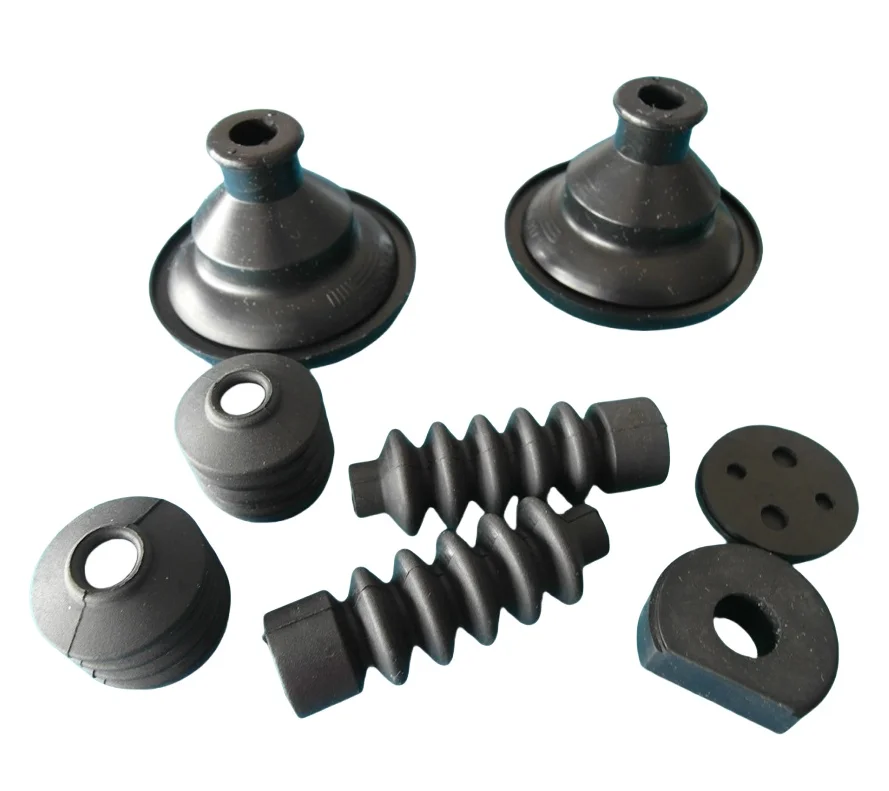
Selecting the right epdm rubber for industrial applications requires careful consideration of multiple performance factors, environmental conditions, and operational requirements. EPDM (Ethylene Propylene Diene Monomer) rubber stands out as one of the most versatile synthetic elastomers in industrial manufacturing, offering exceptional resistance to weathering, ozone, and temperature extremes. The selection process involves analyzing specific application demands, compatibility requirements, and long-term performance expectations to ensure optimal functionality and cost-effectiveness.
Industrial engineers and procurement specialists must evaluate numerous technical specifications when choosing epdm rubber compounds, including durometer hardness, tensile strength, compression set resistance, and chemical compatibility. The selection methodology encompasses understanding the operational environment, anticipated stress loads, temperature ranges, and exposure to chemicals or UV radiation. Making informed decisions about EPDM rubber selection directly impacts equipment reliability, maintenance schedules, and overall operational efficiency across diverse industrial sectors.
Understanding EPDM Rubber Properties for Industrial Selection
Chemical Composition and Molecular Structure
The fundamental properties of epdm rubber stem from its terpolymer structure, consisting of ethylene, propylene, and a diene monomer. This molecular configuration provides excellent resistance to polar solvents, acids, and alkalis while maintaining flexibility across wide temperature ranges. The absence of double bonds in the main polymer chain contributes to outstanding ozone and weather resistance, making EPDM rubber particularly suitable for outdoor industrial applications and long-term exposure conditions.
Understanding the chemical composition helps engineers predict how epdm rubber will perform under specific industrial conditions. The polymer's saturated backbone structure provides inherent stability against oxidative degradation, while the diene content allows for sulfur vulcanization, creating crosslinks that determine final mechanical properties. Different diene types, such as ENB (ethylidene norbornene) or DCPD (dicyclopentadiene), influence cure characteristics and processing requirements during manufacturing.
The ethylene-to-propylene ratio significantly affects the crystallinity and low-temperature flexibility of epdm rubber compounds. Higher ethylene content increases tensile strength and hardness but may reduce flexibility at low temperatures. Industrial applications requiring operation in cold environments typically benefit from formulations with higher propylene content, while applications demanding superior mechanical strength may utilize higher ethylene ratios.
Temperature Performance Characteristics
Temperature resistance represents one of the most critical selection factors for epdm rubber in industrial applications. Standard EPDM formulations maintain elasticity and sealing properties from -40°C to +150°C, with specialized compounds extending this range to -50°C to +180°C. Understanding temperature cycling effects, thermal aging characteristics, and heat deflection properties enables proper material selection for specific operational environments.
Industrial processes involving steam, hot water, or elevated ambient temperatures require epdm rubber compounds with enhanced thermal stability. Heat aging tests demonstrate how material properties change over extended exposure periods, providing data for predicting service life and maintenance intervals. Applications in automotive cooling systems, HVAC installations, and industrial heating equipment depend on EPDM's ability to maintain sealing integrity under continuous thermal stress.
Low-temperature performance becomes crucial for outdoor installations, refrigeration systems, and cold climate applications. The glass transition temperature of epdm rubber determines the lower service limit, beyond which the material becomes brittle and loses sealing effectiveness. Plasticizers and polymer modifications can improve low-temperature flexibility, but may compromise other performance characteristics, requiring careful balance in compound selection.
Application-Specific Selection Criteria
Environmental Exposure Requirements
Environmental conditions significantly influence epdm rubber selection decisions, particularly regarding UV exposure, ozone concentration, and moisture levels. EPDM's excellent weather resistance makes it ideal for outdoor applications, but specific formulations optimize performance for particular environmental challenges. Antioxidants, UV stabilizers, and carbon black loading levels must align with expected exposure conditions to ensure adequate service life.
Industrial facilities located in high-ozone environments, such as urban areas or regions with significant electrical equipment, benefit from epdm rubber compounds with enhanced ozone resistance. The material's inherent resistance to ozone cracking eliminates the need for protective coatings in most applications, reducing maintenance requirements and improving reliability. However, extreme ozone exposure may require specialized antiozonant packages to maintain long-term performance.
Moisture and humidity considerations affect epdm rubber selection in applications involving water contact, steam exposure, or high-humidity environments. While EPDM demonstrates excellent water resistance, prolonged immersion may cause slight swelling, affecting dimensional stability in precision applications. Food-grade and potable water applications require NSF-certified EPDM compounds that meet specific purity and extraction requirements.
Chemical Compatibility Assessment
Chemical resistance properties guide epdm rubber selection for applications involving contact with acids, bases, alcohols, and other industrial chemicals. EPDM shows excellent resistance to polar solvents and aqueous solutions but demonstrates poor compatibility with hydrocarbon oils, fuels, and aromatic solvents. Chemical compatibility charts provide initial guidance, but specific immersion testing may be necessary for critical applications.
Industrial cleaning chemicals, hydraulic fluids, and process chemicals require careful evaluation of epdm rubber compatibility to prevent premature failure or contamination. Concentration levels, temperature effects, and exposure duration influence material selection decisions. Some applications may require barrier coatings or alternative elastomers despite EPDM's other advantageous properties.
pH levels in industrial processes affect epdm rubber performance, particularly in water treatment, chemical processing, and pharmaceutical applications. While EPDM generally resists both acidic and basic conditions, extreme pH levels or specific chemical combinations may cause degradation or property changes. Regular monitoring and periodic replacement schedules help maintain system integrity in challenging chemical environments.
Mechanical Property Evaluation
Hardness and Durometer Selection
Durometer hardness represents a fundamental selection parameter for epdm rubber components, directly affecting sealing force, compression resistance, and installation characteristics. Shore A hardness typically ranges from 30 to 90 for EPDM compounds, with softer materials providing better conformability and harder materials offering superior extrusion resistance. Application requirements dictate the optimal hardness balance between sealing effectiveness and mechanical durability.
Dynamic applications involving reciprocating motion or pressure cycling require epdm rubber compounds with specific hardness characteristics to minimize wear and maintain sealing integrity. Softer compounds may provide better initial sealing but could experience accelerated wear under dynamic conditions. Harder compounds offer improved wear resistance but may require higher installation forces or more precise surface finishes for effective sealing.
Temperature effects on hardness must be considered when selecting epdm rubber for applications with varying thermal conditions. Cold temperatures increase apparent hardness, while elevated temperatures reduce hardness and may affect compression set resistance. Applications spanning wide temperature ranges may require compromise hardness selections or specialized compound formulations to maintain consistent performance.
Tensile and Compression Properties
Tensile strength and elongation characteristics determine the ability of epdm rubber components to withstand installation stresses and operational loads. High-strength applications may require reinforced compounds with carbon black or silica fillers to achieve adequate tensile properties. However, increased filler loading can affect flexibility and low-temperature performance, requiring careful optimization for specific applications.
Compression set resistance becomes critical for epdm rubber seals, gaskets, and cushioning applications subjected to sustained compression loads. Poor compression set recovery leads to seal leakage, reduced cushioning effectiveness, and premature component replacement. Testing protocols evaluate compression set under various temperature and time conditions to predict long-term performance in specific applications.
Tear resistance properties influence epdm rubber performance in applications involving sharp edges, mechanical stress concentrators, or installation procedures that could initiate tears. Die C tear strength testing provides comparative data for material selection, while nick propagation tests evaluate resistance to tear growth from existing defects. Applications with high tear risk may require specialized EPDM formulations with enhanced tear resistance.
Manufacturing and Processing Considerations
Vulcanization System Selection
The choice between sulfur and peroxide vulcanization systems significantly affects the properties and performance characteristics of epdm rubber products. Sulfur-cured EPDM typically offers better tear resistance and lower cost but may have limited heat resistance and potential for sulfur bloom. Peroxide-cured systems provide superior heat resistance, compression set performance, and electrical properties, making them suitable for demanding industrial applications.
Processing requirements and manufacturing capabilities influence vulcanization system selection for epdm rubber components. Sulfur systems generally process more easily with conventional rubber processing equipment and shorter cure times. Peroxide systems may require modified processing conditions, specialized tooling, and longer cure cycles, but offer superior performance characteristics for critical applications.
Compression molding, transfer molding, and extrusion processes require different epdm rubber compound characteristics for optimal processing and final product quality. Flow properties, cure kinetics, and mold release characteristics must align with the intended manufacturing process. Custom compound development may be necessary to optimize processing efficiency while maintaining required performance properties.
Quality Standards and Certifications
Industry standards and regulatory requirements guide epdm rubber selection for specific applications, particularly in food processing, pharmaceutical, automotive, and aerospace industries. ASTM, SAE, FDA, USP, and other standards define minimum property requirements, testing protocols, and certification procedures for various applications. Compliance with relevant standards ensures product quality and regulatory acceptance.
Quality control procedures during epdm rubber manufacturing affect material consistency and performance reliability. Incoming material inspection, process monitoring, and final product testing ensure compliance with specifications and standards. Statistical process control methods help identify potential quality issues before they affect product performance in industrial applications.
Traceability requirements in critical applications mandate documentation of epdm rubber material sources, processing conditions, and quality test results. Batch tracking systems enable rapid identification and isolation of potential quality issues, minimizing impact on industrial operations. Supplier qualification programs ensure consistent material quality and reliable supply chain performance.
Cost-Benefit Analysis and Selection Implementation
Total Cost of Ownership Evaluation
Economic considerations extend beyond initial material cost when selecting epdm rubber for industrial applications. Service life expectations, maintenance requirements, replacement frequency, and downtime costs significantly impact total cost of ownership. Premium EPDM compounds with superior performance characteristics may justify higher initial costs through reduced maintenance and longer service intervals.
Life cycle cost analysis compares different epdm rubber options based on projected performance over the intended service period. Factors including installation labor, inventory costs, emergency replacement availability, and production impact must be considered. Applications with high replacement costs or difficult access may benefit from premium EPDM compounds despite higher material costs.
Risk assessment considerations include the consequences of epdm rubber component failure, availability of backup systems, and potential safety implications. Critical applications may require redundant sealing systems, enhanced material specifications, or accelerated replacement schedules to minimize failure risks. Cost-benefit analysis should include both direct costs and potential failure consequences.
Supplier Selection and Quality Assurance
Supplier evaluation criteria for epdm rubber materials include technical capability, quality systems, delivery reliability, and customer support services. Established suppliers with comprehensive quality certifications and technical support capabilities provide greater assurance of consistent material quality and application success. Supplier audits and qualification programs verify manufacturing capabilities and quality systems.
Technical support availability becomes crucial when implementing epdm rubber solutions in challenging applications or when developing custom formulations. Suppliers with application engineering expertise, laboratory testing capabilities, and field support services provide valuable assistance during material selection and implementation phases. Long-term partnerships with qualified suppliers enhance material performance and reduce application risks.
Supply chain reliability considerations include geographic location, production capacity, raw material sourcing, and business continuity planning. Multiple supplier qualification provides supply security and competitive leverage, while single-source strategies may offer better technical support and pricing advantages. Epdm rubber supply chain decisions should balance cost, quality, and reliability requirements specific to each application.
FAQ
What are the key properties to consider when selecting EPDM rubber for outdoor applications?
For outdoor applications, prioritize epdm rubber compounds with excellent UV resistance, ozone resistance, and weather aging properties. Look for materials with appropriate antioxidant and UV stabilizer packages, typically including carbon black for additional protection. Temperature range requirements, expected service life, and specific environmental exposures such as industrial pollution or coastal salt air should guide the selection process.
How does temperature range affect EPDM rubber compound selection?
Temperature range directly influences epdm rubber polymer selection and compound formulation. For high-temperature applications above 150°C, choose peroxide-cured EPDM with specialized antioxidants. For low-temperature applications below -40°C, select compounds with higher propylene content and appropriate plasticizers. Consider thermal cycling effects and heat aging requirements when evaluating temperature performance specifications.
What chemical compatibility factors are most critical for industrial EPDM rubber selection?
Chemical compatibility assessment should focus on specific chemicals, concentrations, temperatures, and exposure durations expected in the application. Epdm rubber shows excellent resistance to polar solvents, acids, and bases but poor resistance to hydrocarbon oils and aromatic solvents. Conduct immersion testing for critical applications and consider chemical interactions, pH effects, and potential for compound migration or extraction.
How do I determine the appropriate hardness for EPDM rubber sealing applications?
Hardness selection for epdm rubber seals depends on sealing pressure, surface finish, dynamic requirements, and temperature conditions. Softer compounds (50-70 Shore A) provide better conformability for rough surfaces or low-pressure applications, while harder compounds (70-90 Shore A) offer superior extrusion resistance for high-pressure or dynamic applications. Consider compression set requirements and temperature effects on hardness when making final selections.
Table of Contents
- Understanding EPDM Rubber Properties for Industrial Selection
- Application-Specific Selection Criteria
- Mechanical Property Evaluation
- Manufacturing and Processing Considerations
- Cost-Benefit Analysis and Selection Implementation
-
FAQ
- What are the key properties to consider when selecting EPDM rubber for outdoor applications?
- How does temperature range affect EPDM rubber compound selection?
- What chemical compatibility factors are most critical for industrial EPDM rubber selection?
- How do I determine the appropriate hardness for EPDM rubber sealing applications?