
 EN
EN


Leak prevention remains one of the most critical challenges in industrial systems, from hydraulic machinery to chemical processing equipment. At the heart of effective sealing solutions lies the seal ring, a precision-engineered component designed to create reliable barriers between fluid-containing spaces and the external environment. Understanding how a seal ring improves leak prevention performance requires examining the mechanical principles, material interactions, and design considerations that enable these components to maintain system integrity under demanding operational conditions. This article explores the specific mechanisms through which seal rings achieve superior leak prevention, addressing the physical forces, compression dynamics, and surface interactions that make them indispensable in modern industrial applications.
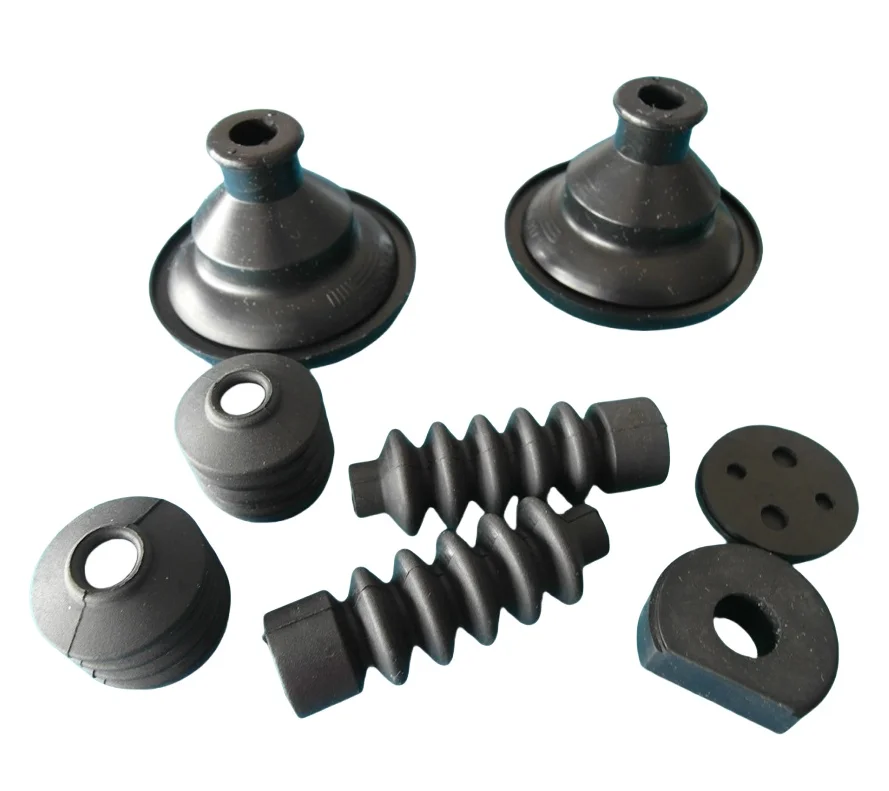
The performance of a seal ring in leak prevention extends far beyond simple physical obstruction. These components function through a complex interplay of material elasticity, controlled deformation, and interfacial pressure management that adapts to operational variables including temperature fluctuations, pressure changes, and surface imperfections. Whether installed in rotating shafts, static flanges, or dynamic piston assemblies, a properly selected and installed seal ring transforms potential leak paths into secure containment zones. The following sections detail the fundamental mechanisms, performance-enhancing characteristics, and operational factors that determine how effectively a seal ring prevents leakage across diverse industrial applications.
Fundamental Sealing Mechanisms in Seal Ring Operation
Compression-Based Sealing Action
The primary mechanism through which a seal ring improves leak prevention performance is controlled radial and axial compression. When installed in a gland or groove, the seal ring undergoes precise deformation that generates continuous contact pressure against mating surfaces. This compression creates a mechanical barrier that closes microscopic gaps and surface irregularities that would otherwise provide leak paths. The effectiveness of this sealing action depends on achieving optimal compression levels—insufficient compression allows fluid passage, while excessive compression can cause material extrusion or premature wear. Engineers calculate compression ratios based on material hardness, fluid pressure, and groove geometry to ensure the seal ring maintains appropriate contact force throughout its service life.
The compression characteristics of a seal ring are fundamentally linked to its cross-sectional geometry and material modulus. O-rings, for example, utilize their circular cross-section to distribute compression forces evenly around the sealing perimeter, creating consistent interfacial pressure. When system pressure increases, the fluid acts on the seal ring's internal surface, further enhancing contact pressure through a phenomenon known as pressure energization. This self-reinforcing behavior allows the seal ring to automatically adjust its sealing force in response to changing operational conditions, maintaining leak prevention effectiveness across variable pressure environments without requiring external adjustments.
Interfacial Pressure Distribution
Leak prevention performance directly correlates with how a seal ring distributes contact pressure across sealing interfaces. Finite element analysis reveals that properly designed seal rings create pressure peaks at critical sealing points while maintaining sufficient pressure across the entire contact width. This distribution pattern ensures that even if minor surface defects exist on mating components, the seal ring's elevated contact pressure zones bridge these imperfections. The pressure distribution also prevents fluid from finding preferential flow paths along the interface, which commonly occurs with rigid sealing methods that cannot conform to surface variations.
The contact pressure generated by a seal ring must exceed the sealed fluid pressure by a specific margin to ensure reliable leak prevention. Industry standards typically recommend contact pressures at least 1.5 to 2 times greater than maximum system pressure for static applications, with higher ratios required for dynamic sealing situations. This pressure differential creates a hydraulic resistance gradient that opposes fluid migration along the sealing interface. Advanced seal ring designs incorporate features such as asymmetric cross-sections or multiple sealing lips that create sequential pressure barriers, providing redundant leak prevention capability even if one sealing zone experiences temporary compromise.
Material Compliance and Surface Conformity
Unlike rigid sealing methods, a seal ring improves leak prevention through exceptional material compliance that allows intimate conformity to mating surface topographies. Elastomeric seal rings can accommodate surface finishes ranging from precision-ground to moderately rough without compromising sealing effectiveness. This adaptability stems from the viscoelastic properties of seal ring materials, which enable microscale deformation that fills surface valleys and conforms to peaks. The result is a continuous sealing contact that eliminates potential leak paths created by surface texture, scratches, or minor machining imperfections that are inevitable in manufactured components.
The compliance characteristics of a seal ring also provide critical leak prevention advantages during thermal expansion and mechanical deflection. As system temperatures vary, sealed components expand or contract at rates determined by their respective thermal expansion coefficients. A seal ring accommodates these dimensional changes through elastic deformation, maintaining sealing contact throughout thermal cycles that would cause rigid seals to lose interfacial pressure. Similarly, when components experience mechanical deflection under load, the seal ring's compliance allows it to follow surface movements while preserving the pressure distribution necessary for leak prevention. This dynamic accommodation capability makes seal rings particularly effective in applications involving vibration, thermal cycling, or pressure pulsations.
Performance-Enhancing Design Features
Cross-Sectional Geometry Optimization
The cross-sectional profile of a seal ring profoundly influences its leak prevention performance through effects on compression behavior, pressure energization, and extrusion resistance. Standard circular cross-sections provide balanced performance for general applications, while specialized profiles address specific operational challenges. X-ring profiles, featuring four sealing lips instead of two, reduce friction while maintaining superior leak prevention through increased sealing contact points. Square and rectangular cross-sections offer higher extrusion resistance in high-pressure applications, though they sacrifice some adaptability to surface irregularities compared to round profiles.
Engineers select seal ring cross-sectional dimensions based on gland depth, groove width, and expected compression percentages. Larger cross-sections provide greater sealing force and better accommodation of surface defects, enhancing leak prevention in applications with rough finishes or significant surface variations. However, oversized seal rings may generate excessive friction in dynamic applications or require installation forces that risk damage during assembly. The optimal cross-section balances these competing requirements, ensuring the seal ring achieves target compression levels while remaining compatible with installation constraints and dynamic operating conditions. Modern seal ring designs increasingly employ finite element modeling to optimize cross-sectional geometry for specific application requirements, maximizing leak prevention performance while minimizing undesirable side effects.
Material Selection and Compound Formulation
Material composition directly determines how effectively a seal ring prevents leaks across different chemical environments, temperature ranges, and pressure conditions. Nitrile rubber seal rings excel in petroleum-based fluid applications, offering excellent resistance to mineral oils and hydraulic fluids while maintaining good mechanical properties across moderate temperature ranges. Fluorocarbon seal rings provide superior chemical resistance and high-temperature performance, making them ideal for aggressive chemical environments or elevated temperature applications where hydrocarbon-based elastomers would degrade rapidly.
The hardness specification of a seal ring material significantly impacts leak prevention performance through its influence on compression characteristics and extrusion resistance. Softer seal rings, typically 60 to 70 Shore A durometer, conform more readily to surface imperfections and require lower installation forces, enhancing leak prevention in low-pressure static applications. Harder seal rings, ranging from 80 to 95 Shore A, resist extrusion under high pressure and provide longer service life in dynamic applications, though they require more precise surface finishes to achieve comparable leak prevention effectiveness. Specialized compounds incorporate reinforcing fillers, plasticizers, and crosslinking agents that fine-tune properties such as compression set resistance, low-temperature flexibility, and fluid compatibility, enabling seal rings to maintain consistent leak prevention performance throughout extended service intervals.
Surface Finish and Coatings
While often overlooked, the surface characteristics of a seal ring itself contribute significantly to leak prevention performance. Molded seal rings inherently possess surface textures determined by mold cavity finishes, which can trap microscopic air pockets or fluid films that compromise initial sealing effectiveness. Premium seal rings undergo secondary operations such as tumbling or surface buffing that create smoother external finishes, reducing friction during installation and improving initial sealing contact. These surface treatments also remove flash, parting lines, and other molding artifacts that could create microscopic leak paths.
Advanced seal rings incorporate specialized surface coatings that enhance leak prevention through multiple mechanisms. PTFE coatings reduce friction coefficients by up to 50 percent, minimizing seal ring distortion during installation and allowing more uniform compression around the sealing perimeter. Hydrophilic coatings absorb moisture to create lubricious surfaces during initial operation, reducing installation damage and improving early-life leak prevention performance. Some high-performance seal rings feature bonded fabric reinforcements on their outer diameter that prevent extrusion into clearance gaps while maintaining the inner diameter's compliance for effective sealing. These surface enhancements transform the seal ring from a simple elastomeric component into a sophisticated engineered system optimized for specific leak prevention challenges.
Operational Factors Affecting Leak Prevention Effectiveness
Installation Quality and Groove Design
Even the most advanced seal ring cannot deliver optimal leak prevention performance if improperly installed or housed in inadequately designed grooves. Installation damage represents a leading cause of seal ring failure, with nicks, cuts, or twists creating immediate leak paths that bypass the component's sealing mechanisms. Proper installation procedures specify lubrication protocols, temperature conditioning, and stretch limitations that preserve seal ring integrity during assembly. Specialized installation tools such as mandrels, installation cones, and compression fixtures minimize handling stress and ensure the seal ring seats correctly in its groove without distortion or damage.
Groove geometry exerts profound influence on seal ring leak prevention capability through its control of compression percentages, squeeze ratios, and extrusion gaps. Industry standards provide detailed specifications for groove depth, width, corner radii, and surface finish that optimize seal ring performance for specific application types. Static seal ring grooves typically target 15 to 30 percent compression to ensure adequate sealing force without excessive stress, while dynamic applications may specify lower compression percentages to reduce friction and wear. The clearance gap between groove sides and mating surfaces must be carefully controlled—excessive clearance allows seal ring extrusion under pressure, while insufficient clearance prevents proper compression and compromises leak prevention effectiveness.
Pressure and Temperature Effects
System pressure influences seal ring leak prevention performance through both beneficial and detrimental mechanisms. As discussed earlier, moderate pressure increases enhance sealing through pressure energization, where fluid pressure acts on the seal ring to increase contact force. However, excessive pressure can overwhelm the seal ring's structural integrity, causing extrusion into clearance gaps or compression set that permanently reduces sealing effectiveness. The critical pressure threshold varies with seal ring hardness, clearance gap dimensions, and temperature, requiring careful application analysis to ensure the selected seal ring maintains leak prevention capability at maximum operating pressures.
Temperature affects seal ring leak prevention through multiple pathways including material property changes, dimensional variations, and chemical degradation. As temperature increases, most elastomeric seal rings experience reduced modulus and hardness, decreasing extrusion resistance while potentially improving surface conformity. Conversely, low temperatures increase stiffness and may cause glass transition effects that severely compromise sealing compliance. Thermal expansion mismatches between seal rings and metallic housing components create stress concentrations that can reduce sealing contact pressure or cause seal ring buckling. Long-term thermal exposure accelerates chemical aging processes that harden seal rings, reduce compression set resistance, and ultimately degrade leak prevention effectiveness. Proper material selection accounts for the complete operational temperature range, ensuring the seal ring maintains appropriate mechanical properties throughout all anticipated thermal conditions.
Dynamic Motion and Wear Considerations
When seal rings operate in dynamic applications involving reciprocating, oscillating, or rotating motion, friction and wear become critical factors in sustained leak prevention performance. The relative motion between seal ring and mating surface generates frictional heat and causes progressive material removal that eventually compromises sealing contact. Effective lubrication regimes minimize wear by maintaining fluid films that separate surfaces while preserving sufficient boundary contact for leak prevention. Seal ring materials formulated for dynamic service incorporate internal lubricants, anti-wear additives, and reinforcing fillers that extend service life while maintaining consistent sealing effectiveness.
Surface velocity and stroke length significantly influence seal ring wear rates and leak prevention longevity. Higher velocities generate increased frictional heating that accelerates material degradation, while longer strokes expose larger seal ring surface areas to wear mechanisms. Dynamic seal ring applications require careful attention to surface finish specifications on mating components—excessive roughness causes abrasive wear that rapidly degrades the seal ring, while excessive smoothness may prevent adequate lubrication film development. The optimal surface finish typically ranges from 0.2 to 0.8 micrometers Ra for dynamic seal ring applications, providing sufficient texture for fluid retention while minimizing abrasive effects. Regular inspection protocols monitor seal ring wear progression, enabling predictive maintenance strategies that replace seal rings before leak prevention capability deteriorates to unacceptable levels.
Application-Specific Leak Prevention Strategies
Static Sealing Applications
In static sealing applications where no relative motion occurs between sealed surfaces, seal rings achieve leak prevention through pure compression and material compliance mechanisms. Static seal ring installations commonly appear in flanged connections, threaded closures, and face seal configurations where dimensional stability and long-term compression set resistance determine performance. These applications permit higher compression percentages than dynamic installations, typically 20 to 30 percent, generating elevated contact pressures that ensure robust leak prevention even with moderate surface finish quality. The absence of friction wear allows softer seal ring materials that provide superior surface conformity and accommodation of assembly tolerances.
Static seal ring applications benefit from material selections optimized for compression set resistance rather than friction performance. Fluorocarbon and perfluoroelastomer seal rings excel in static high-temperature applications, maintaining sealing effectiveness for years despite continuous thermal exposure. Silicone seal rings provide exceptional low-temperature flexibility for static cold-service applications, preserving compliance at temperatures approaching -50 degrees Celsius where hydrocarbon elastomers become brittle. Static seal ring installations should incorporate anti-extrusion backup rings when pressure differentials exceed material limits, preventing seal ring damage while maintaining leak prevention capability. Regular retorquing schedules for bolted flange assemblies compensate for compression set and thermal relaxation, ensuring static seal rings maintain adequate sealing force throughout extended service intervals.
Dynamic Sealing Environments
Dynamic seal ring applications introduce friction, wear, and lubrication requirements that fundamentally alter leak prevention strategies. Reciprocating rod and piston seals utilize seal ring designs with optimized friction characteristics that balance sealing effectiveness against actuator efficiency and heat generation. These applications typically specify moderate compression percentages of 10 to 18 percent that provide adequate sealing force while minimizing frictional resistance. Dynamic seal rings often incorporate specialized geometries such as asymmetric cross-sections or multiple sealing lips that maintain leak prevention effectiveness despite progressive wear that would compromise simpler designs.
Rotary seal ring applications present unique leak prevention challenges due to centrifugal forces, shaft runout, and continuous frictional contact. Lip-type rotary seal rings maintain contact pressure through integrated spring energizers or material memory effects that compensate for wear and thermal expansion. Mechanical face seal rings achieve leak prevention in rotating equipment through precision-lapped flat surfaces that maintain microscopic clearances rather than elastomeric compression. These sophisticated seal ring systems require careful attention to installation procedures, lubrication quality, and operational parameters to achieve their designed leak prevention performance. Dynamic seal ring applications benefit from condition monitoring systems that track parameters such as leakage rates, temperature rise, and torque increases that signal developing seal ring degradation before catastrophic failure occurs.
Extreme Condition Applications
Extreme operational conditions including cryogenic temperatures, elevated pressures, aggressive chemicals, or high temperatures demand specialized seal ring solutions that maintain leak prevention under circumstances that would destroy conventional designs. Cryogenic seal rings utilize perfluoroelastomer or spring-energized PTFE designs that preserve flexibility and compression capability at liquid gas temperatures. High-pressure seal rings incorporate backup rings, specialized groove geometries, and harder compounds that resist extrusion while maintaining sealing contact. Chemical processing applications specify seal ring materials based on comprehensive compatibility testing that evaluates swelling, hardness changes, and mechanical property retention after exposure to specific process fluids.
Extreme condition seal ring applications often employ redundant sealing strategies that combine multiple seal rings in series or tandem configurations. Tandem seal ring arrangements place two seal rings in the same gland, providing backup leak prevention capability if the primary seal ring experiences localized damage or degradation. Series seal ring installations separate multiple seal rings with intermediate chambers that can be pressurized, vented, or monitored to detect primary seal ring failure before external leakage occurs. These sophisticated sealing systems transform simple seal ring technology into complex engineered solutions capable of maintaining leak prevention performance under the most demanding industrial conditions. Proper implementation requires detailed engineering analysis, precise installation procedures, and comprehensive maintenance protocols that preserve the interdependent functions of multiple sealing components.
FAQ
What is the primary mechanism by which a seal ring prevents leaks?
A seal ring prevents leaks primarily through controlled compression that creates continuous contact pressure against mating surfaces, forming a mechanical barrier that closes microscopic gaps and surface irregularities. This compression-based sealing action is enhanced by the seal ring's material compliance, which allows it to conform intimately to surface topographies and accommodate dimensional changes from thermal expansion or mechanical deflection. The combination of adequate contact pressure and surface conformity eliminates potential leak paths while adapting to operational variables such as pressure fluctuations and temperature cycling.
How does seal ring material selection affect leak prevention performance?
Material selection directly determines a seal ring's chemical compatibility, temperature capability, compression set resistance, and mechanical properties—all of which fundamentally influence leak prevention effectiveness. Nitrile rubber seal rings offer excellent performance in petroleum-based fluids and moderate temperatures, while fluorocarbon materials provide superior chemical resistance and high-temperature capability. Material hardness affects the balance between surface conformity and extrusion resistance, with softer compounds conforming better to imperfect surfaces but showing less resistance to high-pressure extrusion. Proper material selection ensures the seal ring maintains appropriate mechanical properties and chemical stability throughout its entire operational envelope.
Why is proper installation critical for seal ring leak prevention?
Proper installation is critical because even minor damage during assembly—such as nicks, cuts, or twists—creates immediate leak paths that bypass the seal ring's designed sealing mechanisms. Installation procedures that specify appropriate lubrication, temperature conditioning, and specialized tooling minimize handling stress and ensure correct seating without distortion. Additionally, groove design parameters including depth, width, and surface finish must be properly specified to achieve target compression percentages and extrusion gap control. Poor installation or inadequate groove design can reduce leak prevention effectiveness by 80 percent or more regardless of seal ring quality.
How do pressure and temperature changes impact seal ring sealing effectiveness?
Pressure increases initially enhance seal ring leak prevention through pressure energization, where system pressure acts on the seal ring to increase contact force against sealing surfaces. However, excessive pressure can cause extrusion into clearance gaps or permanent compression set that degrades long-term performance. Temperature affects seal ring properties including hardness, modulus, and dimensional stability—higher temperatures generally reduce stiffness while potentially improving conformity, whereas low temperatures increase stiffness and may cause glass transition effects that severely compromise sealing. Thermal expansion mismatches between seal rings and metallic components also create stress concentrations that can reduce contact pressure or cause buckling, requiring careful material selection and design analysis to maintain leak prevention across the full operational temperature range.