
 EN
EN



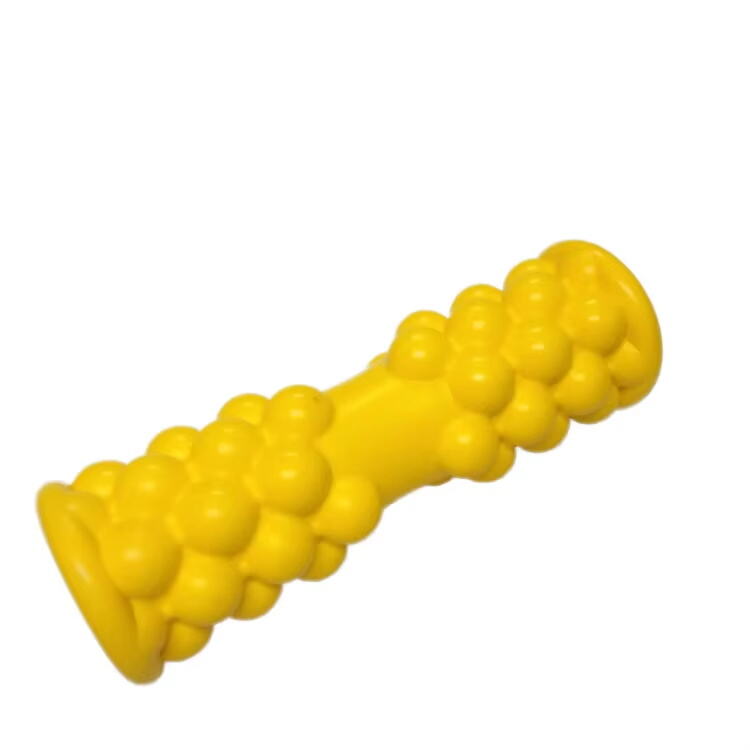
The answer is a definitive yes – plastic injection mold technology can significantly reduce manufacturing costs when implemented strategically in production environments. This cost reduction capability stems from the fundamental economics of the injection molding process, which transforms high-volume production from a series of individual manufacturing steps into a streamlined, automated system. While the initial investment in tooling may appear substantial, the long-term financial benefits become apparent through reduced per-unit costs, minimized labor requirements, and enhanced production efficiency that can deliver savings of 30-70% compared to alternative manufacturing methods.
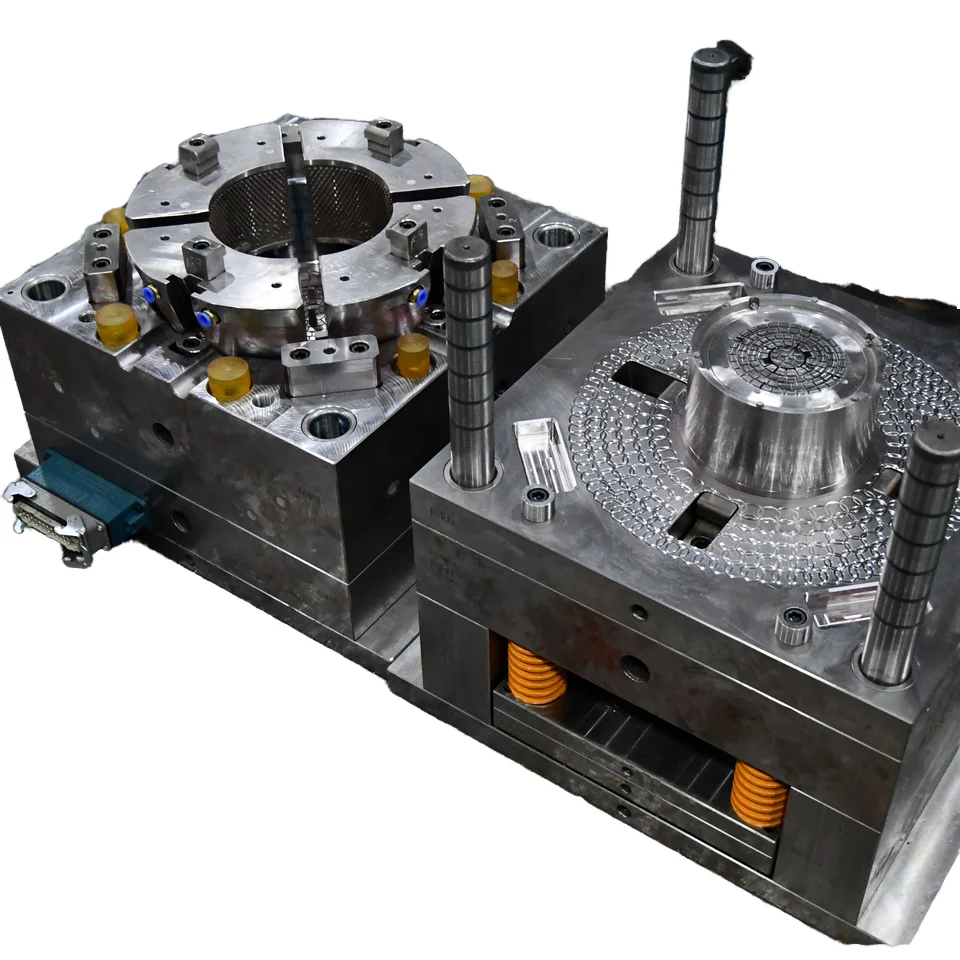
Understanding the cost-reduction mechanisms of plastic injection mold systems requires examining both immediate operational savings and longer-term economic advantages. These molds enable manufacturers to achieve remarkable economies of scale by producing thousands or millions of identical parts with consistent quality and minimal material waste. The precision engineering inherent in modern injection mold design eliminates many secondary operations, reduces scrap rates, and enables lights-out manufacturing capabilities that dramatically lower labor costs while maintaining production continuity.
Economics of Scale Through High-Volume Production
Per-Unit Cost Reduction Mechanics
The plastic injection mold process fundamentally alters the economics of manufacturing by distributing fixed tooling costs across large production volumes. When a manufacturer produces 10,000 parts using a plastic injection mold, the tooling cost per part becomes a fraction of what it would be for smaller quantities. This economic principle becomes even more pronounced at volumes of 100,000 or one million parts, where the tooling cost per unit approaches negligible levels.
Material utilization efficiency represents another critical factor in cost reduction. A well-designed plastic injection mold can achieve material utilization rates of 95-98%, meaning virtually all raw plastic material becomes part of the finished product. This efficiency contrasts sharply with subtractive manufacturing methods that often waste 40-60% of raw materials as chips or offcuts.
Cycle time optimization further enhances the cost-reduction potential of plastic injection mold systems. Modern molds can produce complex parts in cycle times ranging from 15 seconds to several minutes, depending on part complexity and wall thickness. This rapid production capability enables manufacturers to amortize equipment costs quickly while meeting demanding delivery schedules.
Labor Cost Minimization Strategies
Automated production capabilities inherent in plastic injection mold operations significantly reduce labor requirements compared to manual assembly or machining processes. Once the mold is properly set up and the process parameters are validated, the injection molding machine can operate with minimal human intervention for extended periods. This automation capability enables manufacturers to reallocate skilled labor to higher-value activities while reducing direct labor costs per part.
The consistency and repeatability of the plastic injection mold process also eliminate many quality control labor requirements. Parts produced from the same mold under controlled conditions exhibit minimal variation, reducing inspection time and eliminating rework operations that add cost without value. This quality consistency enables manufacturers to implement statistical process control methods that further reduce quality-related labor costs.
Material Efficiency and Waste Reduction Benefits
Precision Material Usage
The controlled nature of the plastic injection mold process enables precise material usage that minimizes waste and reduces raw material costs. Unlike machining operations that remove material to create the desired shape, injection molding adds material only where needed, creating the final part geometry directly. This additive approach eliminates material waste associated with cutting, drilling, or grinding operations.
Runner system design optimization in modern plastic injection mold configurations further enhances material efficiency. Hot runner systems eliminate material waste in the feeding channels, while cold runner systems enable complete recycling of runner material back into the production process. These design innovations can reduce material waste to less than 2% of total plastic consumption.
Multi-cavity mold designs multiply material efficiency benefits by producing multiple parts in each injection cycle. A plastic injection mold with four or eight cavities can quadruple or octuple production rates while maintaining the same material efficiency per part. This multiplication effect dramatically improves the overall cost structure of high-volume production runs.
Scrap Rate Minimization
Process control capabilities in plastic injection mold operations enable manufacturers to maintain extremely low scrap rates compared to other manufacturing methods. Once process parameters are optimized and validated, the injection molding process produces parts with consistent dimensions and properties, minimizing defects that lead to scrap generation.
In-mold quality control features built into modern plastic injection mold designs further reduce scrap rates. These features include sensors for monitoring cavity pressure, temperature distribution, and fill patterns that enable real-time process adjustments to prevent defective parts from being produced. This proactive quality control approach prevents costly scrap generation rather than detecting defects after production.
Elimination of Secondary Operations
Integrated Feature Manufacturing
A properly designed plastic injection mold can incorporate multiple features directly into the molding process, eliminating secondary operations that add cost and time to manufacturing. Threads, undercuts, living hinges, and complex geometries can be molded directly rather than machined or assembled afterward. This integration capability reduces part counts, eliminates assembly operations, and minimizes handling costs.
Surface finishing capabilities of modern plastic injection mold technology often eliminate painting, texturing, or other finishing operations. The mold surface can impart desired textures, patterns, or finishes directly onto the plastic part during the molding process. This direct finishing capability reduces processing steps and associated labor costs while maintaining consistent surface quality across all parts.
Insert molding capabilities enable plastic injection mold systems to combine multiple materials or components in a single operation. Metal inserts, electronic components, or other materials can be placed in the mold cavity before injection, creating a finished assembly without separate joining operations. This integration eliminates fasteners, adhesives, and assembly labor while often improving the strength and reliability of the final product.
Quality Consistency Advantages
The controlled environment of plastic injection mold production ensures consistent part quality that reduces inspection requirements and eliminates rework operations. Once process parameters are validated, each part produced from the mold exhibits nearly identical dimensions and properties, reducing quality control costs and ensuring predictable performance in the final application.
Dimensional accuracy capabilities of precision plastic injection mold systems often eliminate machining operations that would be required with other manufacturing methods. Parts can be molded to tolerances as tight as ±0.001 inches in critical dimensions, meeting requirements that previously required secondary machining operations.
Long-Term Financial Impact Analysis
Return on Investment Calculations
The financial benefits of plastic injection mold implementation become most apparent when analyzed over the complete product lifecycle. While initial tooling investments may require significant capital, the cumulative savings from reduced per-unit costs, eliminated secondary operations, and minimized labor requirements typically generate positive returns within 12-24 months for medium to high-volume applications.
Cash flow improvements from plastic injection mold adoption often exceed simple cost reduction calculations. The ability to produce large quantities quickly enables manufacturers to respond rapidly to market demands, reduce inventory carrying costs, and improve customer satisfaction through shorter lead times. These operational improvements generate additional financial benefits beyond direct manufacturing cost savings.
Total cost of ownership analysis reveals that plastic injection mold systems often provide 5-10 year operational lifecycles with proper maintenance, spreading the initial investment across millions of parts. This longevity, combined with consistent quality output and minimal operating costs, creates compelling economic justification for mold investment in appropriate applications.
Scalability and Growth Benefits
Production scalability advantages of plastic injection mold systems enable manufacturers to accommodate business growth without proportional increases in manufacturing infrastructure. Adding production capacity often requires only additional molding machines rather than complete process redesign, enabling efficient scaling to meet increased demand.
The standardization capabilities inherent in plastic injection mold production facilitate global manufacturing strategies that further reduce costs. Identical molds can be deployed at multiple manufacturing locations, ensuring consistent quality while taking advantage of regional labor and material cost differences. This geographic flexibility enhances the overall cost-reduction potential of injection molding strategies.
FAQ
What initial investment should I expect for a plastic injection mold project?
Initial investment for a plastic injection mold varies significantly based on part complexity, mold size, and cavity count, typically ranging from $5,000 for simple single-cavity molds to $100,000 or more for complex multi-cavity tooling. However, this investment is generally recovered within 12-24 months through per-unit cost savings, especially for production volumes exceeding 10,000 parts annually.
How does part complexity affect the cost-reduction potential of injection molding?
More complex parts actually tend to show greater cost reduction benefits with plastic injection mold production because the process can create intricate geometries, multiple features, and precise details in a single operation that would require multiple manufacturing steps using other methods. While complex molds cost more initially, they eliminate numerous secondary operations and assembly steps that significantly reduce overall manufacturing costs.
What production volume threshold makes plastic injection mold cost-effective?
The cost-effectiveness threshold for plastic injection mold implementation typically begins around 1,000-5,000 parts annually, depending on part complexity and current manufacturing costs. However, the most significant cost advantages emerge at volumes above 10,000 parts per year, where the economies of scale fully offset tooling investments and maximize per-unit savings.
Can injection molding reduce costs for small batch production runs?
Small batch production can benefit from plastic injection mold cost reduction through prototype molds, aluminum tooling, or family mold approaches that produce multiple part variants in a single tool. While the per-unit savings may be smaller than high-volume applications, these strategies still typically offer 20-40% cost reduction compared to machining or 3D printing for quantities above 100-500 parts.
Table of Contents
- Economics of Scale Through High-Volume Production
- Material Efficiency and Waste Reduction Benefits
- Elimination of Secondary Operations
- Long-Term Financial Impact Analysis
-
FAQ
- What initial investment should I expect for a plastic injection mold project?
- How does part complexity affect the cost-reduction potential of injection molding?
- What production volume threshold makes plastic injection mold cost-effective?
- Can injection molding reduce costs for small batch production runs?