
 EN
EN



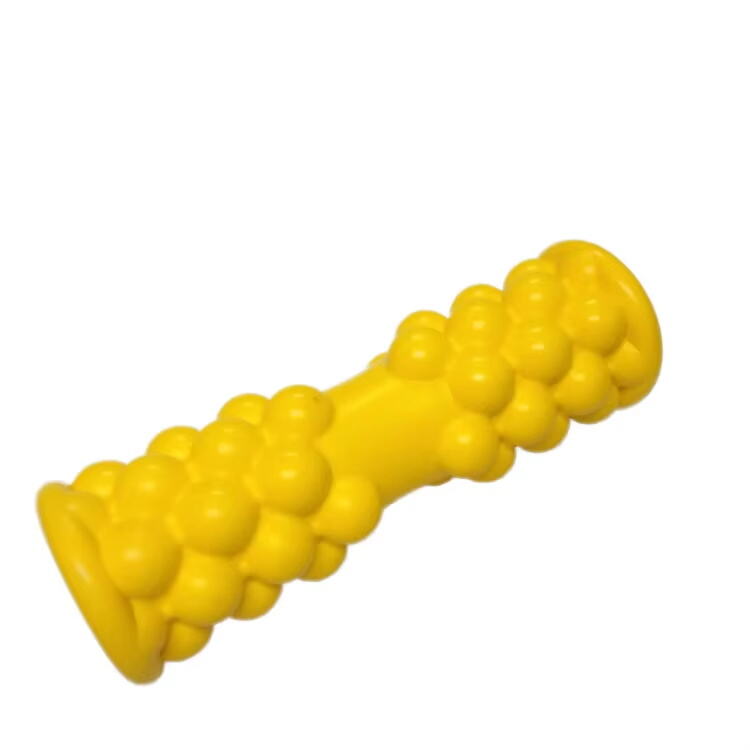
Manufacturing industries across the globe are constantly seeking innovative methods to enhance production efficiency while maintaining cost-effectiveness and quality standards. Among the various manufacturing processes available, plastic extrusion has emerged as a cornerstone technology that transforms raw polymer materials into finished products through continuous processing methods. This versatile manufacturing technique offers unprecedented opportunities for companies looking to scale their operations and achieve remarkable efficiency gains in high-volume production scenarios.
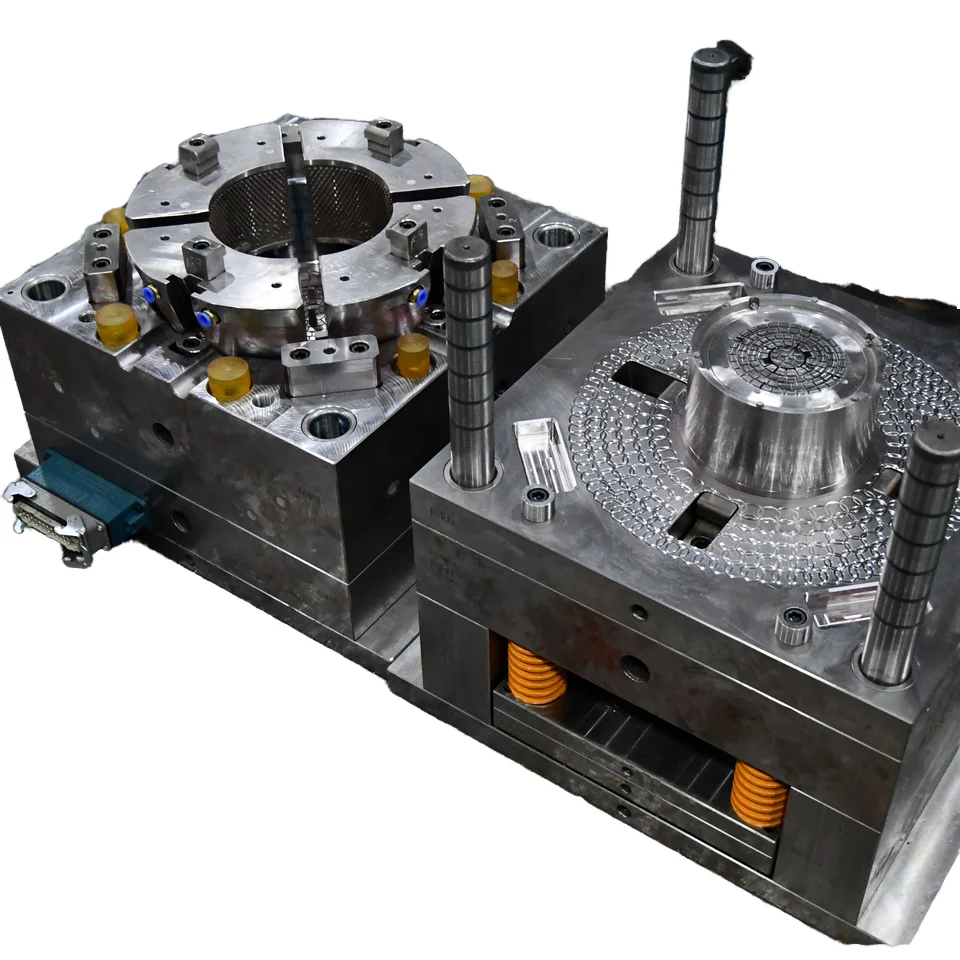
The growing demand for polymer-based products in industries ranging from automotive to consumer electronics has necessitated advanced manufacturing solutions that can deliver consistent results at massive scales. Modern production facilities are increasingly turning to sophisticated extrusion technologies to meet these challenges while optimizing their operational parameters. Understanding how these processes can be leveraged effectively requires a comprehensive examination of the underlying principles, technological advantages, and strategic implementation considerations that drive successful large-volume manufacturing operations.
Understanding the Fundamentals of Extrusion Technology
Core Principles and Mechanisms
The fundamental operation of plastic extrusion involves feeding polymer materials through a heated barrel where they undergo melting and homogenization before being forced through a specially designed die to create the desired cross-sectional profile. This continuous process enables manufacturers to produce consistent products with minimal variation while maintaining high throughput rates. The extruder screw plays a crucial role in this transformation, providing the mechanical energy necessary to melt, mix, and convey the material forward through the processing zones.
Temperature control throughout the extrusion process represents a critical factor that directly impacts product quality and processing efficiency. Multiple heating zones along the barrel allow precise thermal management, ensuring optimal melt viscosity and flow characteristics. Advanced control systems monitor and adjust these parameters in real-time, maintaining consistent processing conditions that are essential for achieving repeatable results in high-volume production environments.
The die design and configuration determine the final product geometry and surface finish characteristics. Modern extrusion dies incorporate sophisticated flow channel geometries that promote uniform material distribution while minimizing pressure drops and residence time variations. These engineering considerations become increasingly important when scaling up production volumes, as even minor inconsistencies can compound into significant quality issues over extended production runs.
Material Selection and Processing Considerations
Successful plastic extrusion operations depend heavily on proper material selection and preparation protocols that ensure consistent feedstock characteristics throughout the production process. Different polymer types exhibit varying thermal and rheological properties that must be carefully matched to the specific processing requirements and end-use applications. Understanding these material behaviors enables manufacturers to optimize processing parameters and achieve superior product performance while maximizing production efficiency.
Additive systems and compounding strategies play essential roles in enhancing material properties and processing characteristics during extrusion operations. Stabilizers, colorants, fillers, and reinforcing agents must be properly dispersed throughout the polymer matrix to achieve uniform properties in the finished products. Advanced mixing technologies and pre-compounding techniques help ensure consistent additive distribution while minimizing processing complications that could impact production efficiency.
Moisture control represents another critical aspect of material preparation that significantly affects extrusion performance and product quality. Hygroscopic polymers require careful drying protocols to prevent hydrolytic degradation and surface defects during processing. Implementing proper material handling and storage systems becomes increasingly important in high-volume operations where material turnover rates are substantial and contamination risks must be minimized.
Efficiency Advantages in High-Volume Manufacturing
Continuous Processing Benefits
The continuous nature of plastic extrusion provides inherent advantages over batch processing methods when dealing with large production volumes. Unlike intermittent manufacturing processes that require frequent startup and shutdown cycles, extrusion lines can operate continuously for extended periods with minimal interruptions. This operational characteristic translates directly into higher equipment utilization rates and reduced per-unit production costs, making it an attractive option for manufacturers seeking to maximize their return on investment.
Energy efficiency improvements become particularly pronounced in continuous extrusion operations due to the elimination of repeated heating and cooling cycles associated with batch processing. Once the system reaches steady-state operating conditions, energy consumption stabilizes at optimal levels while maintaining consistent processing temperatures throughout the production run. This thermal stability contributes to both cost savings and improved product consistency, factors that become increasingly important as production volumes scale upward.
Material waste reduction represents another significant advantage of continuous extrusion processing in high-volume applications. The steady-state nature of the process minimizes startup waste and eliminates the need for purging operations between batches. Advanced recycling systems can reprocess off-specification material directly back into the production stream, further reducing material costs and environmental impact while maintaining production efficiency.
Scalability and Throughput Optimization
Modern extrusion equipment designs incorporate advanced features that enable seamless scaling from pilot-scale operations to full production volumes without compromising product quality or processing efficiency. Modular system architectures allow manufacturers to incrementally increase capacity by adding parallel processing lines or upgrading individual components as demand grows. This flexibility provides significant advantages in managing capital investment while maintaining the ability to respond quickly to market opportunities.
Throughput optimization strategies in high-volume extrusion operations focus on maximizing material output while maintaining strict quality standards and minimizing processing variations. Advanced screw designs, optimized barrel geometries, and enhanced cooling systems work together to increase processing rates while ensuring adequate mixing and temperature control. These technological improvements enable manufacturers to achieve higher production rates without sacrificing product consistency or introducing quality defects.
Process monitoring and control technologies play crucial roles in maintaining optimal performance during high-volume production runs. Real-time data collection and analysis systems provide immediate feedback on critical processing parameters, enabling rapid adjustments to maintain target specifications. Predictive maintenance algorithms help identify potential equipment issues before they impact production, minimizing unplanned downtime and ensuring consistent output rates.
Quality Control and Process Optimization
Advanced Monitoring Systems
Implementation of sophisticated monitoring and control systems represents a fundamental requirement for achieving consistent quality in high-volume plastic extrusion operations. Modern manufacturing facilities employ comprehensive sensor networks that continuously track critical processing parameters including temperature profiles, pressure variations, screw speed, and material flow rates. These real-time monitoring capabilities enable immediate detection of process deviations and facilitate rapid corrective actions to maintain product specifications within tight tolerance ranges.
Statistical process control methodologies provide powerful tools for analyzing production data and identifying trends that might indicate developing quality issues or optimization opportunities. Advanced analytics platforms can process vast amounts of production data to establish baseline performance metrics and detect subtle variations that might not be apparent through traditional monitoring approaches. This data-driven approach to quality management becomes increasingly valuable as production volumes increase and the cost of quality failures escalates.
Automated feedback control systems integrate monitoring data with process adjustments to maintain optimal operating conditions throughout extended production runs. These closed-loop control strategies can respond to process variations much faster than manual interventions, reducing the likelihood of producing off-specification material while maintaining consistent throughput rates. Machine learning algorithms continue to improve these control systems by identifying complex relationships between processing parameters and product quality characteristics.
Dimensional Accuracy and Surface Quality
Achieving precise dimensional control in high-volume extrusion operations requires careful attention to die design, cooling system performance, and downstream processing equipment. Thermal expansion and contraction effects can significantly impact product dimensions, particularly in large-scale operations where temperature variations may be more pronounced. Advanced cooling strategies that provide uniform heat removal help minimize dimensional variations while maintaining high production rates.
Surface quality considerations become increasingly critical as production volumes increase, since surface defects can impact both aesthetic appeal and functional performance of finished products. Proper die design, material flow optimization, and temperature control work together to minimize surface irregularities and achieve consistent finish characteristics. Regular maintenance procedures and cleaning protocols help ensure that equipment condition remains optimal throughout extended production campaigns.
Downstream processing equipment must be properly integrated with the extrusion line to maintain product quality while accommodating high throughput requirements. Tension control systems, cutting operations, and winding mechanisms must operate in precise coordination to prevent product deformation or surface damage. Advanced process control systems help synchronize these operations while maintaining consistent product handling throughout the production sequence.
Economic Impact and Cost Analysis
Capital Investment Considerations
The economic viability of implementing plastic extrusion technology for high-volume manufacturing depends on careful analysis of capital investment requirements versus projected operational benefits and cost savings. Modern extrusion equipment represents a significant initial investment, but the potential for improved efficiency and reduced per-unit production costs can provide attractive returns when properly implemented. Understanding the total cost of ownership, including equipment, installation, training, and ongoing maintenance, enables manufacturers to make informed decisions about technology investments.
Equipment financing options and phased implementation strategies can help manage capital requirements while enabling manufacturers to begin realizing efficiency benefits from extrusion technology. Leasing arrangements, equipment financing programs, and modular system designs provide flexibility in managing initial investment levels while maintaining access to advanced manufacturing capabilities. These financial strategies become particularly important for companies seeking to scale their operations rapidly in response to market opportunities.
Return on investment calculations for high-volume extrusion operations must consider both direct cost savings and indirect benefits such as improved product quality, reduced waste, and enhanced production flexibility. Energy efficiency improvements, labor cost reductions, and material waste minimization contribute to ongoing operational savings that continue throughout the equipment lifecycle. These cumulative benefits often justify higher initial investments in advanced extrusion technology.
Operational Cost Optimization
Labor cost considerations play a significant role in the overall economics of high-volume plastic extrusion operations, as modern automated systems can dramatically reduce staffing requirements compared to traditional manufacturing approaches. Continuous processing eliminates many manual handling operations while advanced control systems reduce the need for constant operator intervention. This automation capability enables manufacturers to achieve consistent production output with minimal labor costs, particularly important in high-wage manufacturing environments.
Energy consumption optimization strategies focus on maximizing thermal efficiency while minimizing electrical power requirements during extrusion processing. Heat recovery systems, improved insulation designs, and variable-frequency drives help reduce energy costs while maintaining optimal processing conditions. These efficiency improvements become increasingly significant as production volumes increase and energy costs represent a larger portion of total manufacturing expenses.
Material utilization efficiency improvements through reduced waste generation and enhanced recycling capabilities contribute substantially to operational cost reductions in high-volume operations. Advanced process control systems minimize off-specification production while inline recycling systems can immediately reprocess trim and startup material. These waste reduction strategies not only lower material costs but also reduce disposal expenses and environmental compliance burdens.
Implementation Strategies for Large-Scale Operations
System Design and Integration
Successful implementation of plastic extrusion technology in high-volume manufacturing environments requires comprehensive system design that integrates processing equipment with material handling, quality control, and downstream operations. Modular equipment designs provide flexibility for future expansion while ensuring that initial installations can meet immediate production requirements. Proper planning of utility requirements, floor space allocation, and material flow patterns helps optimize facility layouts for maximum operational efficiency.
Integration with existing manufacturing systems and enterprise resource planning platforms enables seamless coordination between extrusion operations and other production activities. Real-time data sharing between processing equipment and management systems provides visibility into production status, quality metrics, and equipment performance. This connectivity facilitates better production planning, inventory management, and maintenance scheduling while supporting continuous improvement initiatives.
Automation and robotics integration can further enhance efficiency and consistency in high-volume extrusion operations by eliminating manual handling operations and reducing the potential for human error. Automated material feeding systems, robotic product handling, and integrated packaging equipment work together to create fully integrated production lines capable of operating with minimal human intervention. These automation capabilities become increasingly important as production volumes increase and labor availability becomes constrained.
Training and Workforce Development
Effective workforce training programs represent critical success factors for implementing advanced plastic extrusion technology in high-volume manufacturing operations. Operating personnel must understand both the fundamental principles of extrusion processing and the specific operational procedures required for their equipment. Comprehensive training programs that combine theoretical knowledge with hands-on experience help ensure that operators can maintain optimal processing conditions while troubleshooting common issues that may arise during production.
Maintenance training requirements become increasingly important as equipment complexity increases and the cost of unplanned downtime escalates in high-volume operations. Skilled maintenance personnel must understand mechanical systems, electrical controls, and process technology to effectively maintain modern extrusion equipment. Preventive maintenance programs and condition monitoring systems help extend equipment life while minimizing production interruptions.
Continuous improvement methodologies and lean manufacturing principles provide frameworks for ongoing optimization of extrusion operations in high-volume environments. Training programs that emphasize problem-solving skills, data analysis techniques, and process improvement methodologies enable manufacturing teams to identify optimization opportunities and implement effective solutions. This capability becomes increasingly valuable as production scales increase and small improvements can generate significant cumulative benefits.
Frequently Asked Questions
What are the primary factors that determine extrusion efficiency in high-volume production?
Extrusion efficiency in high-volume production depends on several interconnected factors including equipment design optimization, material preparation quality, process parameter control, and system integration effectiveness. Modern extruders with advanced screw designs and precise temperature control systems can achieve higher throughput rates while maintaining consistent product quality. Proper material drying, consistent feedstock characteristics, and optimal processing temperatures contribute significantly to overall efficiency. Additionally, downstream equipment integration, automated handling systems, and real-time process monitoring help maximize production rates while minimizing waste and quality variations.
How does plastic extrusion compare to injection molding for large volume manufacturing?
Plastic extrusion offers distinct advantages over injection molding for certain types of large-volume manufacturing applications, particularly those involving continuous profiles, films, or simple geometric shapes. Extrusion provides continuous processing capabilities that eliminate the cycle time limitations inherent in injection molding, resulting in higher material throughput rates for suitable products. However, injection molding remains superior for complex three-dimensional parts and applications requiring precise dimensional control. The choice between technologies depends on product geometry, volume requirements, tolerance specifications, and economic considerations including tooling costs and production rates.
What maintenance requirements are associated with high-volume extrusion operations?
High-volume extrusion operations require comprehensive maintenance programs that address both preventive and predictive maintenance strategies to ensure consistent performance and minimize unplanned downtime. Regular maintenance tasks include screw and barrel wear monitoring, heating element inspection, temperature sensor calibration, and drive system maintenance. Advanced condition monitoring systems track equipment performance parameters and can predict potential failures before they occur. Proper maintenance scheduling, spare parts inventory management, and trained maintenance personnel are essential for maintaining optimal equipment availability in high-volume production environments.
How can manufacturers optimize energy consumption in large-scale extrusion processes?
Energy consumption optimization in large-scale extrusion processes involves multiple strategies including equipment design improvements, process parameter optimization, and heat recovery system implementation. Modern extruders incorporate energy-efficient drive systems, improved barrel insulation, and optimized heating profiles that minimize power consumption while maintaining processing quality. Heat recovery systems can capture waste heat from cooling operations and redirect it to material drying or facility heating applications. Variable frequency drives on motor systems, power factor correction equipment, and energy monitoring systems help identify and eliminate inefficiencies while reducing overall energy costs in high-volume operations.
Table of Contents
- Understanding the Fundamentals of Extrusion Technology
- Efficiency Advantages in High-Volume Manufacturing
- Quality Control and Process Optimization
- Economic Impact and Cost Analysis
- Implementation Strategies for Large-Scale Operations
-
Frequently Asked Questions
- What are the primary factors that determine extrusion efficiency in high-volume production?
- How does plastic extrusion compare to injection molding for large volume manufacturing?
- What maintenance requirements are associated with high-volume extrusion operations?
- How can manufacturers optimize energy consumption in large-scale extrusion processes?