
 EN
EN



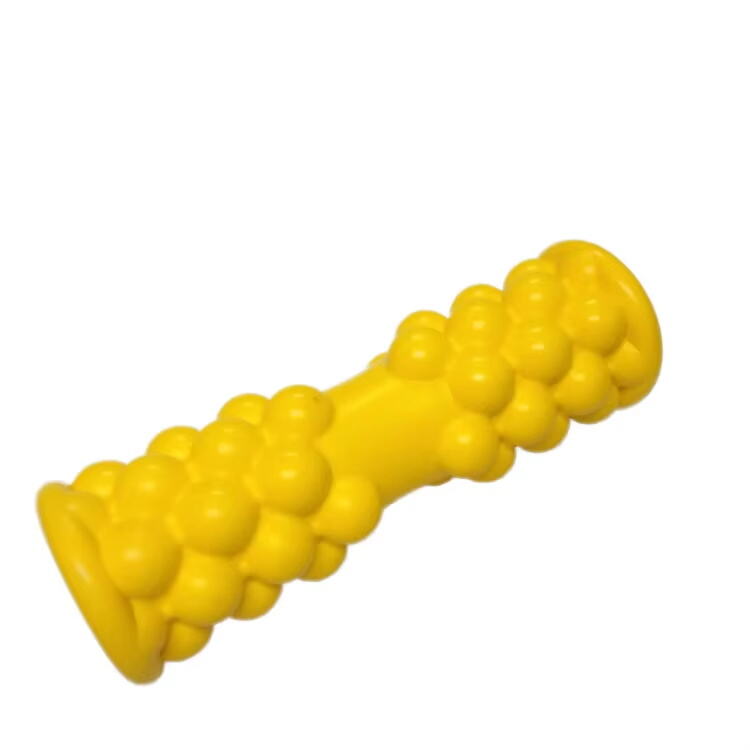
Manufacturing industries constantly seek innovative solutions to enhance production efficiency and reduce operational costs. Among the various manufacturing processes available today, injection molding has emerged as a cornerstone technology for mass production across numerous sectors. This advanced manufacturing technique offers unprecedented precision, speed, and cost-effectiveness when producing large quantities of identical components. The integration of sophisticated injection mold systems has revolutionized how manufacturers approach high-volume production, enabling them to meet growing market demands while maintaining exceptional quality standards.
The automotive, electronics, medical device, and consumer goods industries have particularly benefited from the efficiency gains achieved through modern injection molding technologies. Companies utilizing advanced injection mold systems report significant improvements in production throughput, material utilization rates, and overall manufacturing efficiency. These improvements translate directly into competitive advantages, allowing businesses to respond more rapidly to market changes while maintaining profitability in increasingly challenging economic environments.
Understanding Injection Molding Technology in Modern Manufacturing
Core Principles of Injection Molding Processes
Injection molding operates on fundamental principles that have been refined over decades of technological advancement. The process begins with heating thermoplastic materials to their melting point, creating a homogeneous molten state suitable for injection. This molten plastic is then forced under high pressure into precisely engineered mold cavities, where it cools and solidifies into the desired component shape. The entire cycle, from injection to part ejection, can be completed in seconds to minutes depending on part complexity and material properties.
Modern injection molding machines incorporate sophisticated control systems that monitor and adjust critical parameters throughout the production cycle. Temperature control systems maintain optimal processing conditions, while pressure monitoring ensures consistent fill patterns and part quality. These automated systems reduce human error, minimize material waste, and enable continuous production with minimal supervision. The precision achievable through contemporary injection molding technology allows manufacturers to produce components with tolerances measured in thousandths of inches.
Material Considerations and Selection Criteria
Material selection plays a crucial role in determining the efficiency and success of injection molding operations. Different thermoplastic materials exhibit varying flow characteristics, shrinkage rates, and processing requirements that directly impact production efficiency. Engineering plastics such as ABS, polycarbonate, and nylon offer excellent mechanical properties and processing characteristics, making them ideal choices for demanding applications. The compatibility between selected materials and mold design significantly influences cycle times, part quality, and overall production efficiency.
Advanced material formulations continue to expand the possibilities for injection molding applications. Reinforced plastics, bio-based polymers, and specialty compounds enable manufacturers to produce components with enhanced properties while maintaining processing efficiency. Material suppliers work closely with manufacturers to develop optimized formulations that balance performance requirements with processing characteristics, ensuring maximum efficiency throughout the production cycle.
Efficiency Benefits of Injection Mold Systems in Mass Production
Cycle Time Optimization and Throughput Enhancement
One of the most significant advantages of injection molding in mass production lies in its ability to achieve extremely short cycle times while maintaining consistent quality. Modern injection mold systems can complete production cycles in as little as 15-30 seconds for simple components, enabling manufacturers to produce thousands of parts per day from a single machine. This rapid cycling capability stems from optimized cooling systems, efficient material flow patterns, and precisely controlled processing parameters that minimize the time required for each production cycle.
Advanced cooling system designs incorporate conformal cooling channels that follow the contours of molded parts, ensuring uniform heat removal and minimizing cooling time. These systems can reduce cycle times by 20-40% compared to conventional straight-line cooling approaches. Additionally, hot runner systems eliminate the need to process and recycle runner material, further reducing cycle times and improving material utilization efficiency. The cumulative effect of these optimization strategies results in dramatic improvements in overall production throughput.
Labor Efficiency and Automation Integration
Injection molding systems offer exceptional labor efficiency through high levels of automation and minimal manual intervention requirements. Once properly set up and calibrated, an injection mold can operate continuously with minimal supervision, allowing a single operator to oversee multiple machines simultaneously. Automated part handling systems, including robotic removal and packaging equipment, further reduce labor requirements while improving production consistency and safety.
Integration with Industry 4.0 technologies enables real-time monitoring and predictive maintenance capabilities that maximize uptime and efficiency. Sensors throughout the injection molding system collect data on temperature, pressure, cycle times, and part quality, allowing for immediate adjustments and early detection of potential issues. This proactive approach to production management significantly reduces unplanned downtime and maintains optimal efficiency levels throughout extended production runs.
Quality Control and Consistency in High-Volume Production
Precision and Repeatability Advantages
Injection molding technology delivers unmatched precision and repeatability in mass production environments, ensuring that every component meets exact specifications regardless of production volume. The controlled environment within injection mold cavities eliminates many variables that affect part quality in other manufacturing processes. Precise temperature control, consistent pressure application, and uniform material flow patterns result in parts with minimal dimensional variation and excellent surface finish quality.
Statistical process control methods integrated into modern injection molding systems provide real-time feedback on part quality and process stability. These systems automatically adjust processing parameters to maintain optimal conditions, preventing quality drift that might occur during extended production runs. The ability to produce millions of identical components with consistent quality represents a significant competitive advantage in markets where reliability and precision are critical success factors.
Defect Reduction and Waste Minimization
Advanced injection mold systems incorporate multiple features designed to minimize defects and reduce material waste throughout the production process. Sophisticated venting systems prevent air traps and gas burns, while optimized gate designs ensure complete cavity filling without flow-related defects. Real-time monitoring systems detect and correct processing variations before they result in defective parts, maintaining high first-pass yield rates even during high-speed production.
Material waste reduction represents another significant efficiency benefit of modern injection molding systems. Hot runner technology eliminates runner waste entirely, while optimized part and gate designs minimize material usage without compromising part performance. Closed-loop recycling systems allow manufacturers to reprocess and reuse trimmed material and occasional defective parts, further reducing material costs and environmental impact. These waste reduction strategies contribute directly to improved profitability and sustainability in mass production operations.
Cost Effectiveness and Return on Investment Analysis
Initial Investment Versus Long-Term Savings
While injection mold systems require substantial initial capital investment, the long-term cost benefits in mass production scenarios are compelling. High-quality injection molds can produce millions of parts over their operational lifetime, spreading the initial tooling cost across enormous production volumes. The per-part cost advantage becomes increasingly significant as production volumes increase, making injection molding the most economical choice for high-volume manufacturing applications.
Detailed cost analysis reveals that injection molding typically achieves break-even points within the first 10,000 to 50,000 parts produced, depending on part complexity and material costs. Beyond the break-even point, every additional part produced contributes directly to profit margins, as the primary costs become material and energy consumption. This economic model makes injection molding particularly attractive for products with long production lifecycles and stable demand patterns.
Operational Cost Optimization Strategies
Modern injection mold systems offer numerous opportunities for operational cost optimization through energy efficiency improvements, material utilization optimization, and maintenance cost reduction. Energy-efficient heating systems, optimized hydraulic circuits, and intelligent control systems significantly reduce power consumption compared to older injection molding technologies. Some manufacturers report energy cost reductions of 30-50% when upgrading to modern, efficiently designed injection molding equipment.
Preventive maintenance programs specifically designed for injection molding systems help minimize unexpected downtime and extend equipment life. Regular maintenance schedules, combined with condition monitoring technologies, allow manufacturers to optimize maintenance intervals and reduce overall maintenance costs. The reliability and longevity of well-maintained injection mold systems contribute significantly to their overall cost-effectiveness in mass production applications.
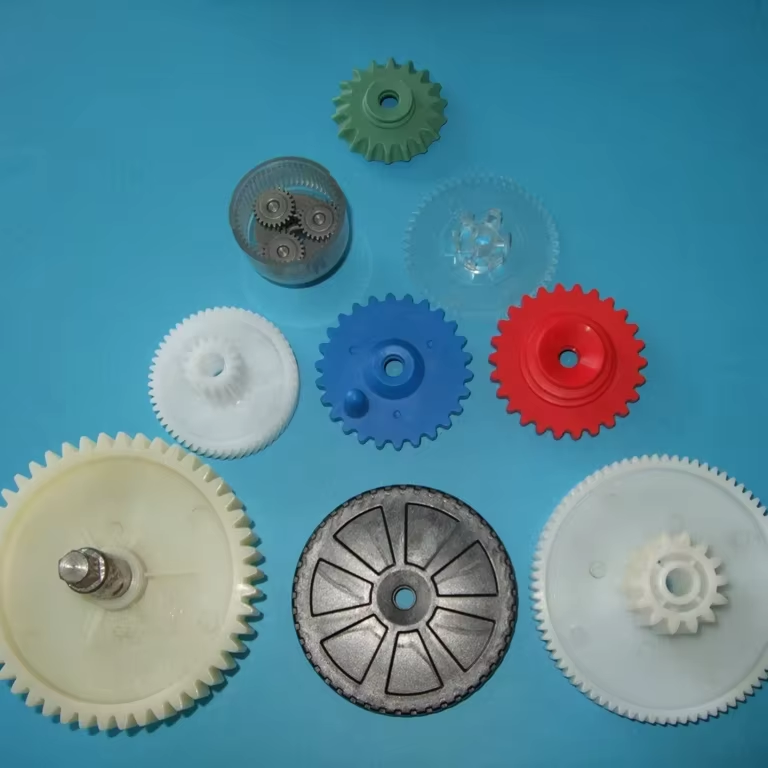
Industry Applications and Case Study Examples
Automotive Industry Success Stories
The automotive industry represents one of the most demanding applications for injection molding technology, requiring high-volume production of precision components with strict quality requirements. Major automotive manufacturers have achieved remarkable efficiency improvements through strategic implementation of advanced injection mold systems. Interior components such as dashboard panels, door handles, and trim pieces are routinely produced in volumes exceeding millions of parts annually, demonstrating the scalability and efficiency of modern injection molding technology.
Leading automotive suppliers report production efficiency improvements of 25-40% after implementing optimized injection mold systems with advanced cooling and automation features. These improvements translate directly into reduced per-part costs and improved delivery performance, enabling automotive manufacturers to meet increasingly demanding production schedules while maintaining competitive pricing. The ability to produce complex, multi-functional components in single operations further enhances efficiency by eliminating secondary assembly operations.
Electronics and Consumer Goods Manufacturing
Electronics manufacturers rely heavily on injection molding for producing housings, connectors, and internal components that require precise dimensions and excellent surface finish. The miniaturization trend in electronics has pushed injection molding technology to new levels of precision and efficiency. Micro-molding applications can produce components weighing less than a gram with tolerances measured in microns, demonstrating the versatility and capability of modern injection mold systems.
Consumer goods manufacturers benefit from injection molding's ability to incorporate complex features, textures, and multi-material constructions in single operations. This capability reduces assembly requirements and improves product quality while maintaining high production efficiency. The flexibility to modify products through mold changes or inserts enables manufacturers to respond quickly to market trends and consumer preferences without major capital investments.
Future Trends and Technological Developments
Smart Manufacturing Integration
The evolution of injection molding technology continues toward increased intelligence and connectivity through Industry 4.0 implementation. Smart injection mold systems incorporate advanced sensors, artificial intelligence, and machine learning algorithms that optimize processing parameters in real-time. These systems learn from historical production data to predict optimal settings for new materials or part designs, reducing setup time and improving first-run efficiency.
Digital twin technology enables virtual optimization of injection molding processes before physical production begins, reducing development time and improving process efficiency. Cloud-based monitoring systems allow manufacturers to oversee multiple production facilities remotely, sharing best practices and optimization strategies across global operations. These technological advances promise to further improve the efficiency and competitiveness of injection molding in mass production applications.
Sustainable Manufacturing Initiatives
Environmental sustainability considerations are driving innovations in injection molding technology, with manufacturers increasingly focused on reducing energy consumption, material waste, and carbon footprint. New generation injection molding machines incorporate energy recovery systems, optimized heating technologies, and intelligent power management features that significantly reduce energy consumption while maintaining production efficiency.
Bio-based and recycled materials are becoming increasingly viable options for injection molding applications, supported by advances in material science and processing technology. Closed-loop manufacturing systems that incorporate on-site recycling and material recovery capabilities enable manufacturers to achieve near-zero waste production while maintaining efficiency and quality standards. These sustainable manufacturing approaches align with corporate responsibility goals while providing competitive advantages in environmentally conscious markets.
FAQ
What factors determine the efficiency of an injection mold system in mass production
The efficiency of an injection mold system in mass production depends on several critical factors including cycle time optimization, material flow characteristics, cooling system design, and automation level. Proper mold design with optimized gate placement and runner systems ensures efficient material flow and uniform cooling. Advanced cooling technologies such as conformal cooling channels can reduce cycle times by 20-40%. Additionally, the integration of hot runner systems eliminates runner waste and reduces cycle times, while automated part handling systems minimize manual intervention and improve consistency.
How does injection molding compare to other manufacturing processes for high-volume production
Injection molding offers superior efficiency for high-volume production compared to alternative manufacturing processes such as machining, thermoforming, or blow molding. The key advantages include faster cycle times, higher precision, better material utilization, and greater design flexibility. While initial tooling costs are higher, the per-part cost decreases dramatically with volume, making injection molding the most economical choice for quantities exceeding 10,000 parts. The process also enables complex part geometries and multi-material constructions that would be difficult or impossible with other manufacturing methods.
What maintenance requirements are necessary to maintain efficiency in injection mold operations
Maintaining peak efficiency in injection mold operations requires a comprehensive preventive maintenance program that includes regular cleaning, lubrication, and inspection of critical components. Mold maintenance should include periodic cleaning of cooling channels, inspection of wear surfaces, and replacement of consumable components such as ejector pins and guide pins. Machine maintenance involves hydraulic system servicing, heating element inspection, and control system calibration. Proper maintenance scheduling based on production cycles rather than time intervals helps optimize uptime and prevent unexpected failures that could impact production efficiency.
How can manufacturers optimize material usage and reduce waste in injection molding operations
Material optimization in injection molding involves several strategies including hot runner system implementation, optimized part and gate design, and closed-loop recycling systems. Hot runner technology eliminates runner waste entirely, while optimized gate designs minimize material usage without compromising part quality. Real-time process monitoring helps maintain optimal processing conditions that reduce defect rates and material waste. Additionally, implementing material drying systems prevents moisture-related defects, and using regrind systems allows for recycling of runners and defective parts back into the production process, achieving material utilization rates exceeding 98%.
Table of Contents
- Understanding Injection Molding Technology in Modern Manufacturing
- Efficiency Benefits of Injection Mold Systems in Mass Production
- Quality Control and Consistency in High-Volume Production
- Cost Effectiveness and Return on Investment Analysis
- Industry Applications and Case Study Examples
- Future Trends and Technological Developments
-
FAQ
- What factors determine the efficiency of an injection mold system in mass production
- How does injection molding compare to other manufacturing processes for high-volume production
- What maintenance requirements are necessary to maintain efficiency in injection mold operations
- How can manufacturers optimize material usage and reduce waste in injection molding operations