
 EN
EN



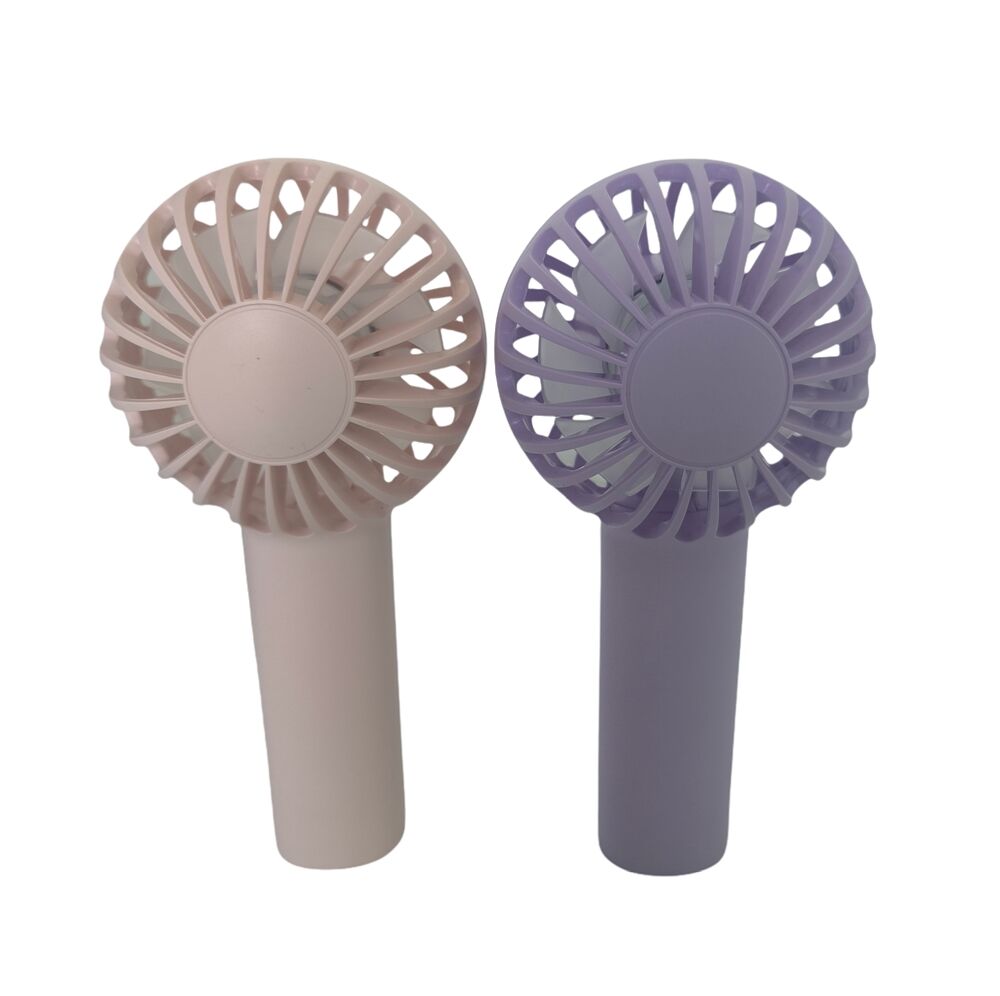
Manufacturing industries worldwide are constantly seeking production methods that deliver consistent quality, high efficiency, and cost-effectiveness. Plastic extrusion stands out as one of the most reliable processes for continuous production, offering unparalleled advantages for creating uniform plastic products at scale. This manufacturing technique transforms raw plastic materials into finished products through a continuous melting and shaping process, making it essential for industries ranging from construction to automotive applications.
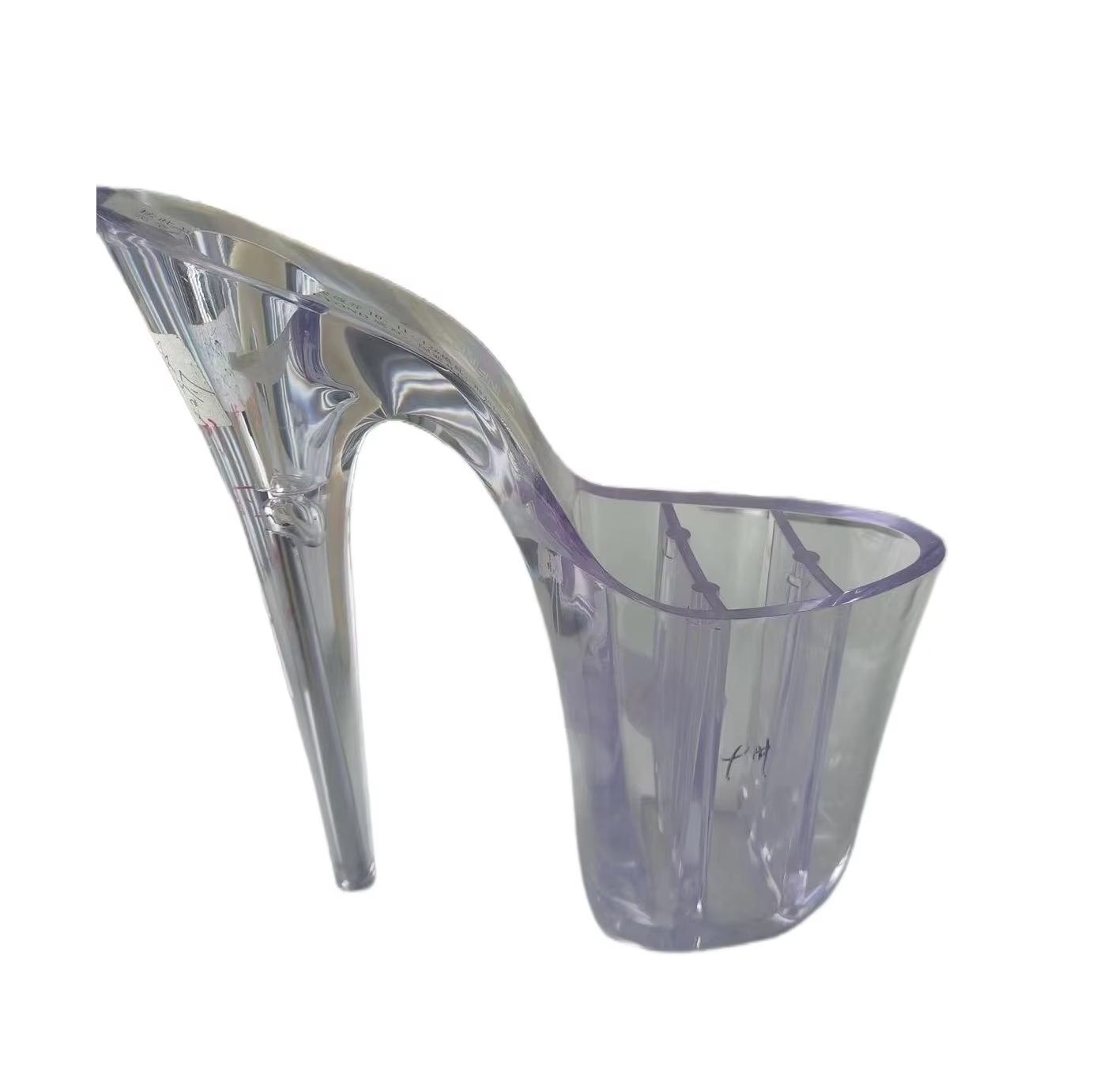
The continuous nature of plastic extrusion makes it particularly valuable for manufacturers who need to produce large volumes of consistent products without interruption. Unlike batch processing methods, this technique allows for seamless operation over extended periods, resulting in significant cost savings and improved production efficiency. Understanding the fundamental principles and benefits of plastic extrusion helps manufacturers make informed decisions about their production strategies.
Understanding the Plastic Extrusion Process
Basic Mechanics of Extrusion
The plastic extrusion process begins with feeding raw plastic pellets or powder into a heated barrel containing a rotating screw. As the material moves through the barrel, it undergoes controlled heating and mixing, gradually transforming from solid pellets into a molten state. The screw mechanism provides both the mechanical energy and precise material transport necessary for consistent melting and homogenization.
Temperature control zones along the barrel ensure optimal melting conditions for different plastic materials. These zones are carefully calibrated to match the specific thermal properties of the polymer being processed, preventing degradation while ensuring complete melting. The molten plastic is then forced through a specially designed die that shapes the material into the desired profile or form.
Die Design and Material Shaping
The die represents the critical component that determines the final product shape in plastic extrusion operations. Custom dies can be manufactured to create virtually any cross-sectional profile, from simple tubes and sheets to complex architectural profiles with intricate internal structures. The die design must account for material flow characteristics, cooling requirements, and dimensional tolerances to ensure consistent product quality.
Material flow within the die is carefully engineered to eliminate flow lines, maintain uniform wall thickness, and prevent defects such as weld lines or dimensional variations. Advanced die designs incorporate features like adjustable lips, internal mandrels, and specialized cooling channels to optimize the shaping process. This precision engineering enables manufacturers to achieve tight tolerances and excellent surface finish in their extruded products.
Advantages of Continuous Production
Uninterrupted Manufacturing Flow
One of the most significant benefits of plastic extrusion is its ability to maintain continuous production without the start-stop cycles inherent in batch processing. This continuous operation eliminates the time and energy losses associated with heating and cooling cycles, resulting in substantially higher overall equipment effectiveness. Manufacturers can run extrusion lines for days or weeks without interruption, producing thousands of linear feet or square meters of finished product.
The continuous nature also provides excellent material utilization rates, as there is minimal waste generation compared to other manufacturing processes. Startup and shutdown waste is limited to short transition periods, and steady-state operation maintains consistent material properties throughout the production run. This efficiency translates directly into lower per-unit production costs and improved profitability for manufacturers.
Consistent Quality Control
Continuous plastic extrusion enables superior quality control through real-time monitoring and adjustment capabilities. Advanced process control systems continuously monitor temperature, pressure, line speed, and dimensional parameters, making automatic adjustments to maintain product specifications. This level of control ensures that each foot of extruded product meets the same quality standards as every other foot produced.
Statistical process control becomes highly effective in continuous extrusion operations, as the large volume of consistent data enables precise trend analysis and predictive quality management. Operators can identify and correct minor variations before they result in out-of-specification products, minimizing waste and ensuring customer satisfaction. The ability to maintain such tight quality control over extended production runs makes plastic extrusion ideal for applications requiring stringent performance specifications.
Economic Benefits for Manufacturers
Cost Efficiency Through Scale
The economics of plastic extrusion become increasingly favorable as production volumes increase, making it the preferred choice for high-volume applications. Fixed costs such as equipment, tooling, and setup are distributed across large production quantities, significantly reducing the per-unit cost contribution of these factors. Labor costs per unit are also minimized since one operator can typically manage the entire extrusion line during steady-state operation.
Energy efficiency represents another major economic advantage of continuous plastic extrusion. Once the system reaches operating temperature, the energy required to maintain that temperature is relatively low compared to processes that require repeated heating and cooling cycles. The continuous nature of the process also allows for heat recovery systems that capture waste heat and redirect it to preheat incoming materials, further improving energy efficiency.
Reduced Inventory and Storage Requirements
Continuous production capability enables just-in-time manufacturing strategies that significantly reduce inventory carrying costs. Manufacturers can coordinate production schedules with customer demand patterns, producing exactly what is needed when it is needed. This approach minimizes the capital tied up in finished goods inventory while reducing storage space requirements and associated handling costs.
The ability to quickly switch between different products or specifications on the same extrusion line adds further flexibility to inventory management. Modern extrusion systems can accommodate die changes and material transitions in relatively short timeframes, allowing manufacturers to respond rapidly to changing market demands without maintaining large inventories of different product variants.
Applications Across Industries
Construction and Building Materials
The construction industry relies heavily on plastic extrusion for producing essential building components such as window profiles, siding, roofing materials, and pipe systems. These applications benefit tremendously from the continuous production capabilities of plastic extrusion, as construction projects often require large quantities of uniform materials with consistent properties. The ability to produce long lengths without joints or seams is particularly valuable for applications where structural integrity and weather resistance are critical.
Architectural profiles for windows and doors exemplify the precision achievable through continuous plastic extrusion. These components must maintain exact dimensional tolerances over hundreds of feet of production to ensure proper fit and function in building assemblies. The continuous process enables manufacturers to achieve these tight tolerances while maintaining the surface finish and structural properties required for long-term performance in demanding outdoor environments.
Automotive and Transportation
Automotive manufacturers utilize plastic extrusion for producing weather seals, trim components, fuel lines, and various under-hood applications. The continuous production capability is essential for meeting the high-volume demands of automotive assembly lines while maintaining the consistent quality required for safety-critical applications. Extruded automotive components must meet stringent specifications for dimensional accuracy, material properties, and long-term durability.
The ability to incorporate multiple materials or colors in a single extrusion pass makes this process particularly valuable for automotive applications. Co-extrusion techniques enable the production of complex sealing systems that combine different durometer materials for optimal sealing performance, while maintaining the efficiency advantages of continuous production. This capability reduces assembly complexity and improves overall vehicle quality.
Technical Considerations and Process Optimization
Material Selection and Compatibility
Successful plastic extrusion requires careful material selection based on the intended application and processing requirements. Different polymer types exhibit varying flow characteristics, thermal properties, and processing windows that must be matched to the extrusion equipment and process conditions. Understanding these material properties enables manufacturers to optimize their processes for maximum efficiency and product quality.
Additive packages play a crucial role in plastic extrusion performance, with stabilizers, processing aids, and colorants requiring careful consideration during material selection. These additives must be compatible with the base polymer and capable of withstanding the thermal and mechanical stresses encountered during the extrusion process. Proper additive selection ensures long-term product performance while maintaining processability during continuous production runs.
Process Control and Monitoring
Modern plastic extrusion operations rely on sophisticated control systems that monitor and adjust multiple process variables in real-time. Temperature profiling throughout the extruder barrel ensures optimal melting and prevents material degradation, while pressure monitoring provides insights into material flow characteristics and potential issues such as die fouling or material contamination.
Line speed control coordinates the extrusion rate with downstream operations such as cooling, sizing, and winding to maintain product quality and prevent process upsets. Advanced control algorithms can automatically adjust multiple parameters simultaneously to compensate for material variations or equipment changes, maintaining consistent product output even as conditions vary. This level of automation is essential for achieving the full benefits of continuous plastic extrusion production.
Future Developments in Extrusion Technology
Advanced Materials and Sustainability
The plastic extrusion industry is experiencing significant innovation in sustainable materials and processing techniques. Bio-based polymers and recycled content materials are becoming increasingly important for manufacturers seeking to reduce their environmental footprint while maintaining production efficiency. These materials often require modified processing conditions and specialized equipment configurations to achieve optimal results in continuous production environments.
Recycling and circular economy initiatives are driving developments in plastic extrusion technology that enable the processing of post-consumer and post-industrial waste streams. Advanced sorting and preparation techniques combined with modified extrusion processes allow manufacturers to incorporate significant recycled content while maintaining product performance standards. This capability supports sustainability goals while often providing cost advantages through reduced raw material expenses.
Industry 4.0 Integration
Smart manufacturing technologies are transforming plastic extrusion operations through enhanced connectivity, data analytics, and predictive maintenance capabilities. Internet of Things sensors throughout the extrusion line provide unprecedented visibility into process performance, enabling data-driven optimization and proactive maintenance scheduling. Machine learning algorithms can identify patterns in process data that human operators might miss, leading to continuous improvement in efficiency and quality.
Digital twin technology allows manufacturers to simulate and optimize their plastic extrusion processes before implementing changes on actual production equipment. This capability reduces the time and cost associated with process development while improving the likelihood of successful implementation. The integration of these advanced technologies with continuous production capabilities positions plastic extrusion as a key technology for future manufacturing competitiveness.
FAQ
What makes plastic extrusion more efficient than batch processing methods
Plastic extrusion eliminates the start-stop cycles inherent in batch processing, maintaining continuous operation that reduces energy consumption and increases throughput. The continuous nature allows for better material utilization, minimal waste generation, and consistent product quality throughout extended production runs. Additionally, labor costs per unit are significantly lower since one operator can manage the entire continuous process.
How does plastic extrusion maintain consistent quality over long production runs
Advanced process control systems continuously monitor critical parameters such as temperature, pressure, and line speed, making real-time adjustments to maintain product specifications. Statistical process control enables trend analysis and predictive quality management, allowing operators to correct minor variations before they affect product quality. The steady-state operation of continuous extrusion provides inherently more stable conditions compared to cyclical processes.
What types of products are best suited for plastic extrusion production
Plastic extrusion is ideal for products requiring uniform cross-sections over long lengths, such as pipes, tubes, profiles, sheets, and films. Construction materials like window profiles and siding, automotive components such as weather seals and trim, and packaging films are particularly well-suited to this process. Products requiring high volumes with consistent dimensional accuracy and material properties benefit most from continuous extrusion production.
Can plastic extrusion accommodate different materials and colors in the same production run
Modern extrusion systems support co-extrusion techniques that can combine multiple materials or colors in a single pass, creating complex multi-layer or multi-component products. Material transitions can be accomplished relatively quickly, allowing manufacturers to produce different specifications on the same line with minimal downtime. However, compatibility between materials and proper purging procedures are essential for maintaining quality during transitions.
Table of Contents
- Understanding the Plastic Extrusion Process
- Advantages of Continuous Production
- Economic Benefits for Manufacturers
- Applications Across Industries
- Technical Considerations and Process Optimization
- Future Developments in Extrusion Technology
-
FAQ
- What makes plastic extrusion more efficient than batch processing methods
- How does plastic extrusion maintain consistent quality over long production runs
- What types of products are best suited for plastic extrusion production
- Can plastic extrusion accommodate different materials and colors in the same production run