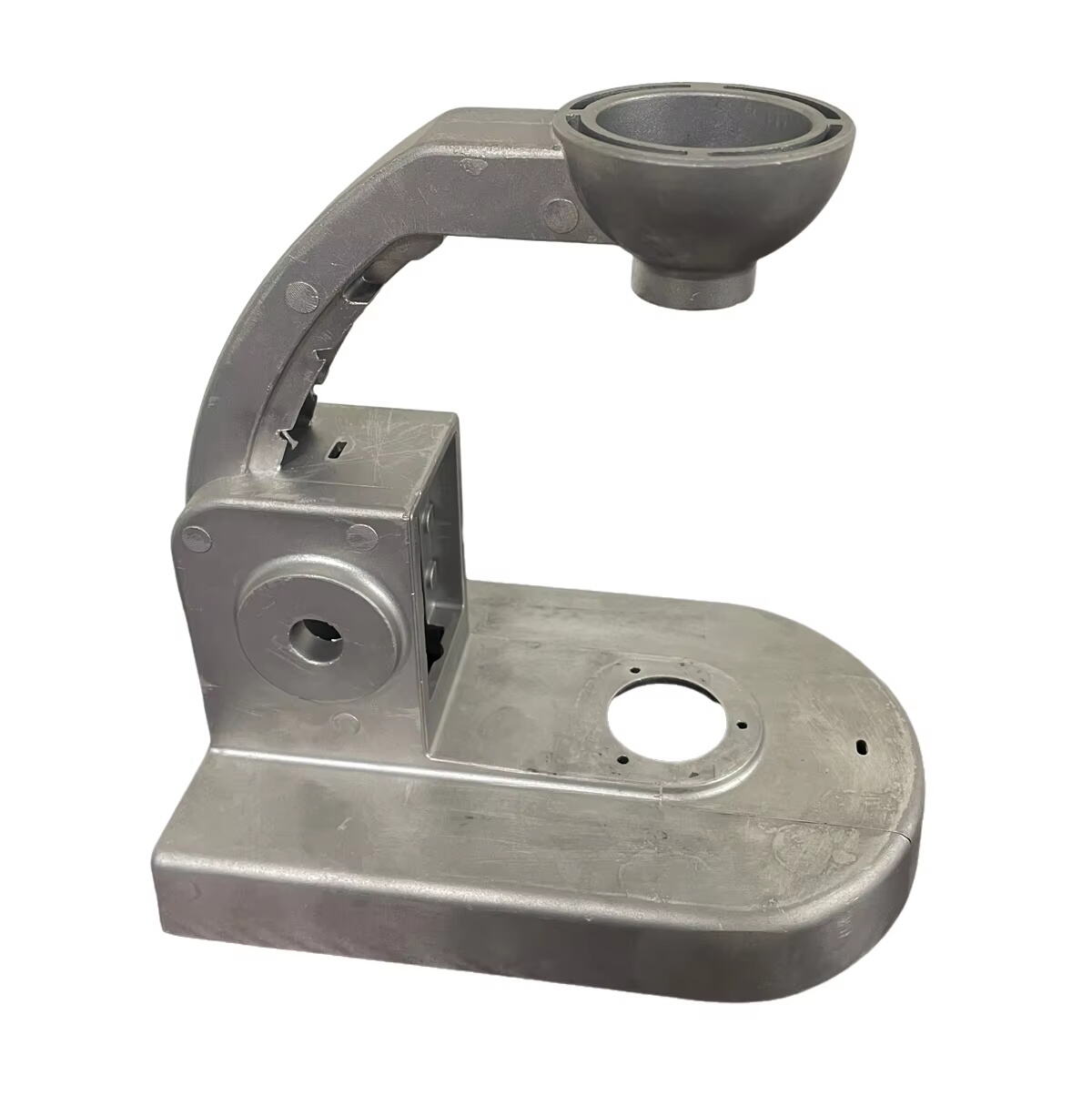
compression rubber molding
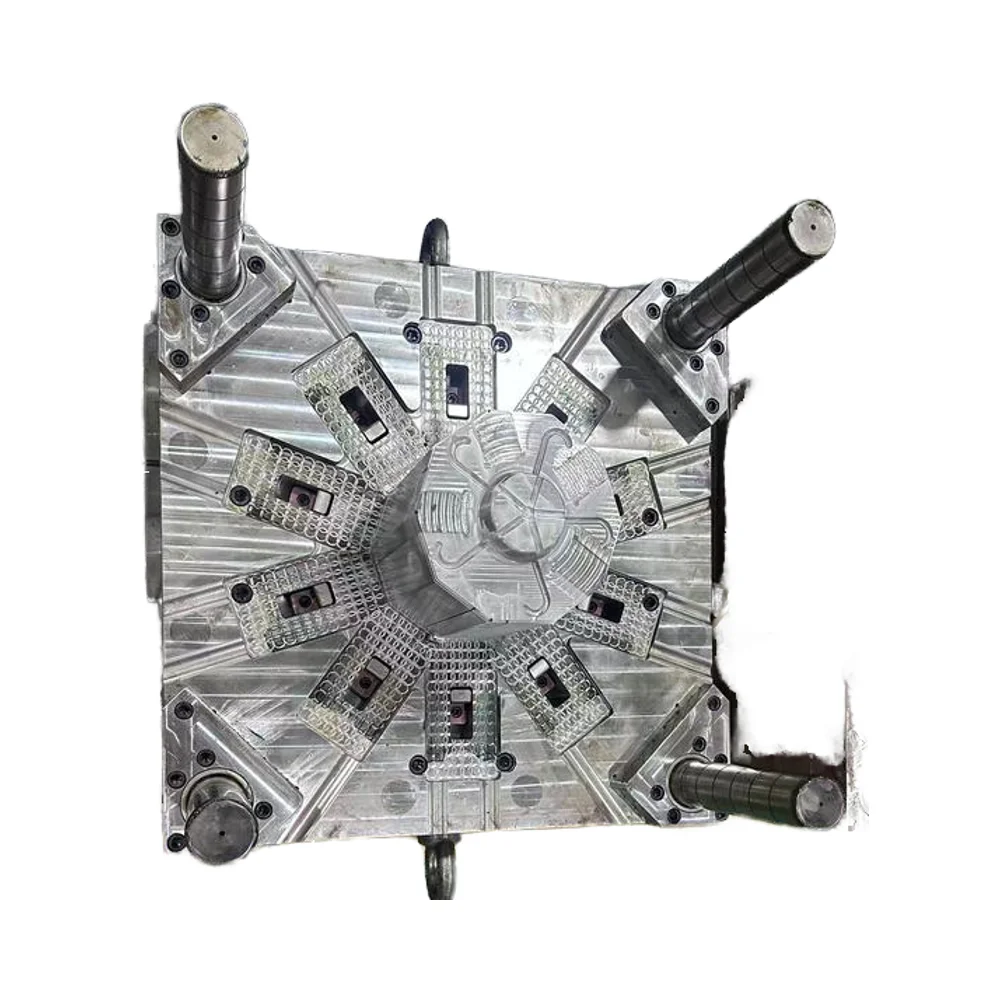
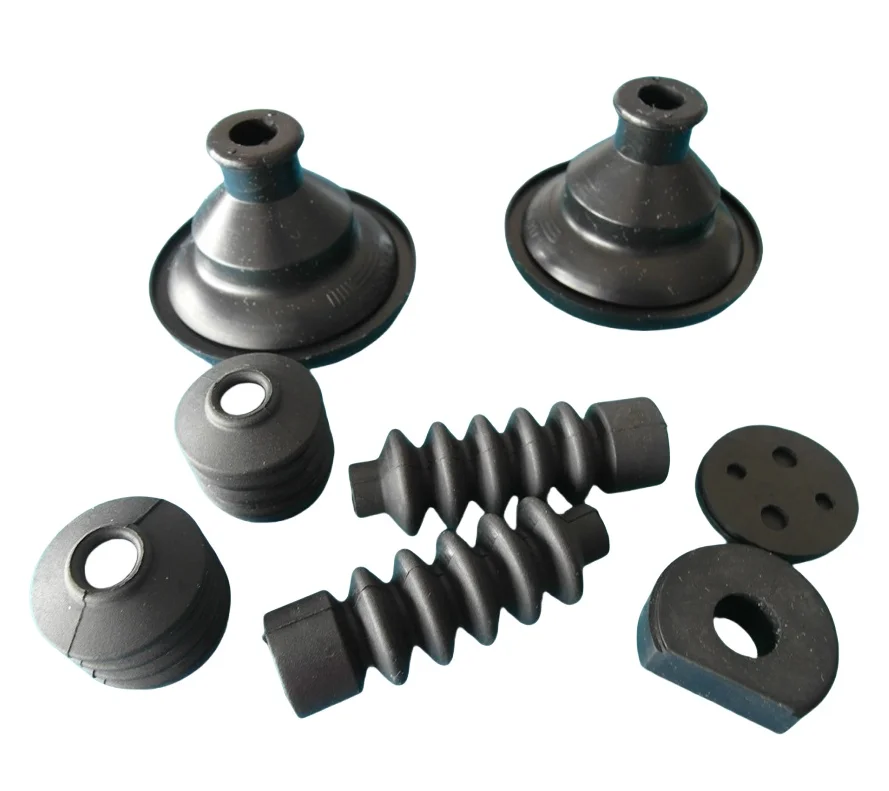
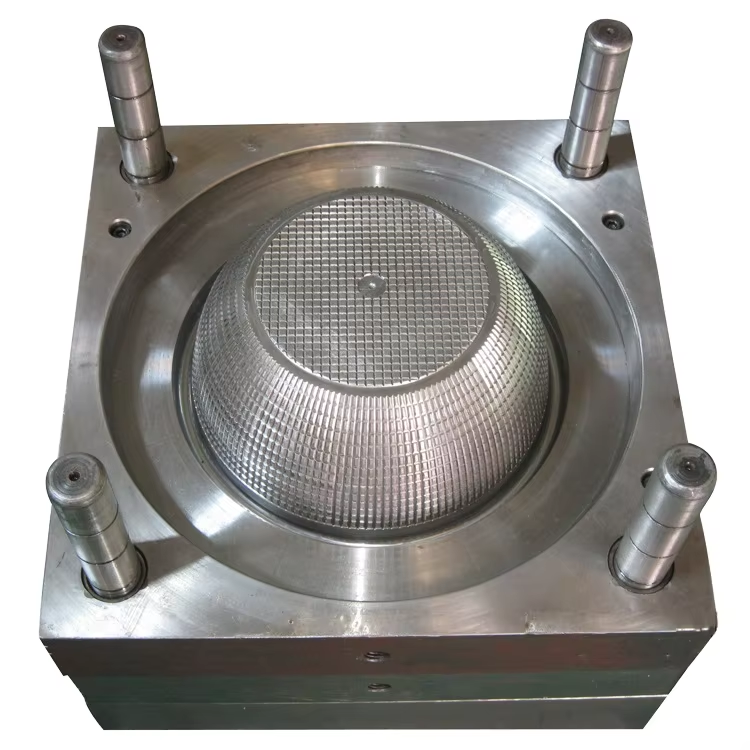
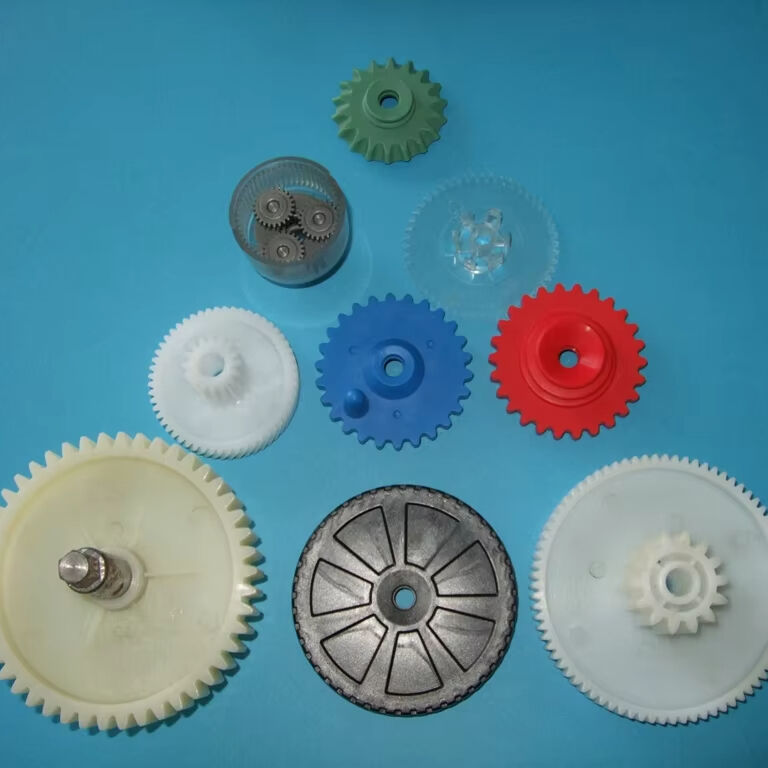
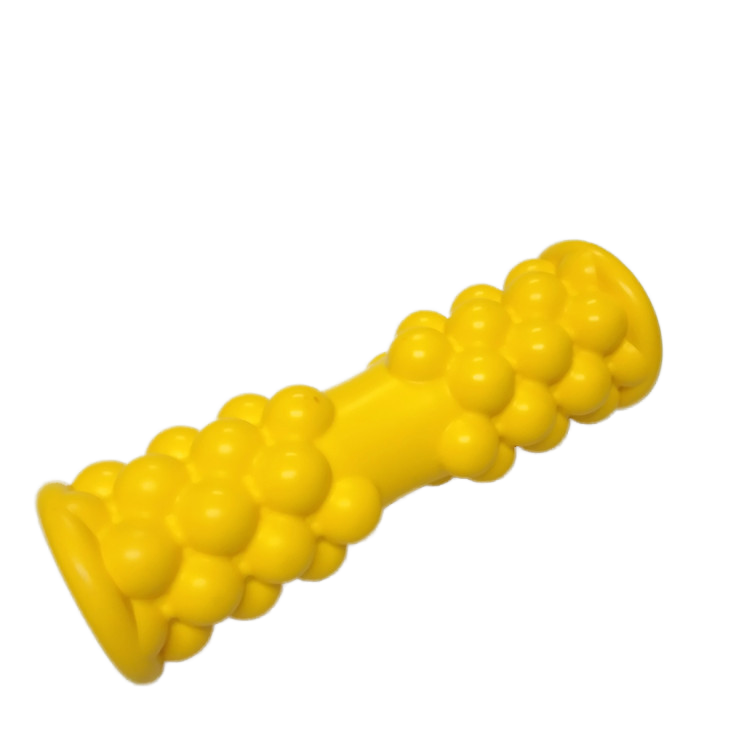
Compression rubber molding represents a fundamental manufacturing process that transforms raw rubber materials into precisely engineered components through the application of heat and pressure. This method involves placing uncured rubber into a heated mold cavity, where it's compressed between two halves of the mold under specific pressure and temperature conditions. The process enables the rubber to flow and fill the entire mold cavity, ensuring complete formation of the desired shape. During the compression cycle, the rubber undergoes a chemical reaction called vulcanization, which creates cross-links between polymer chains, resulting in a durable, elastic final product. The technology incorporates sophisticated temperature control systems and precise pressure regulation mechanisms to maintain consistency across production runs. Modern compression rubber molding equipment features advanced automation capabilities, allowing for high-volume production while maintaining strict quality standards. This manufacturing technique proves particularly valuable in producing complex rubber components with tight tolerances, excellent surface finish, and consistent material properties. The versatility of compression molding makes it suitable for various industries, including automotive, aerospace, construction, and medical devices, where high-quality rubber parts are essential for optimal performance and reliability.

 EN
EN