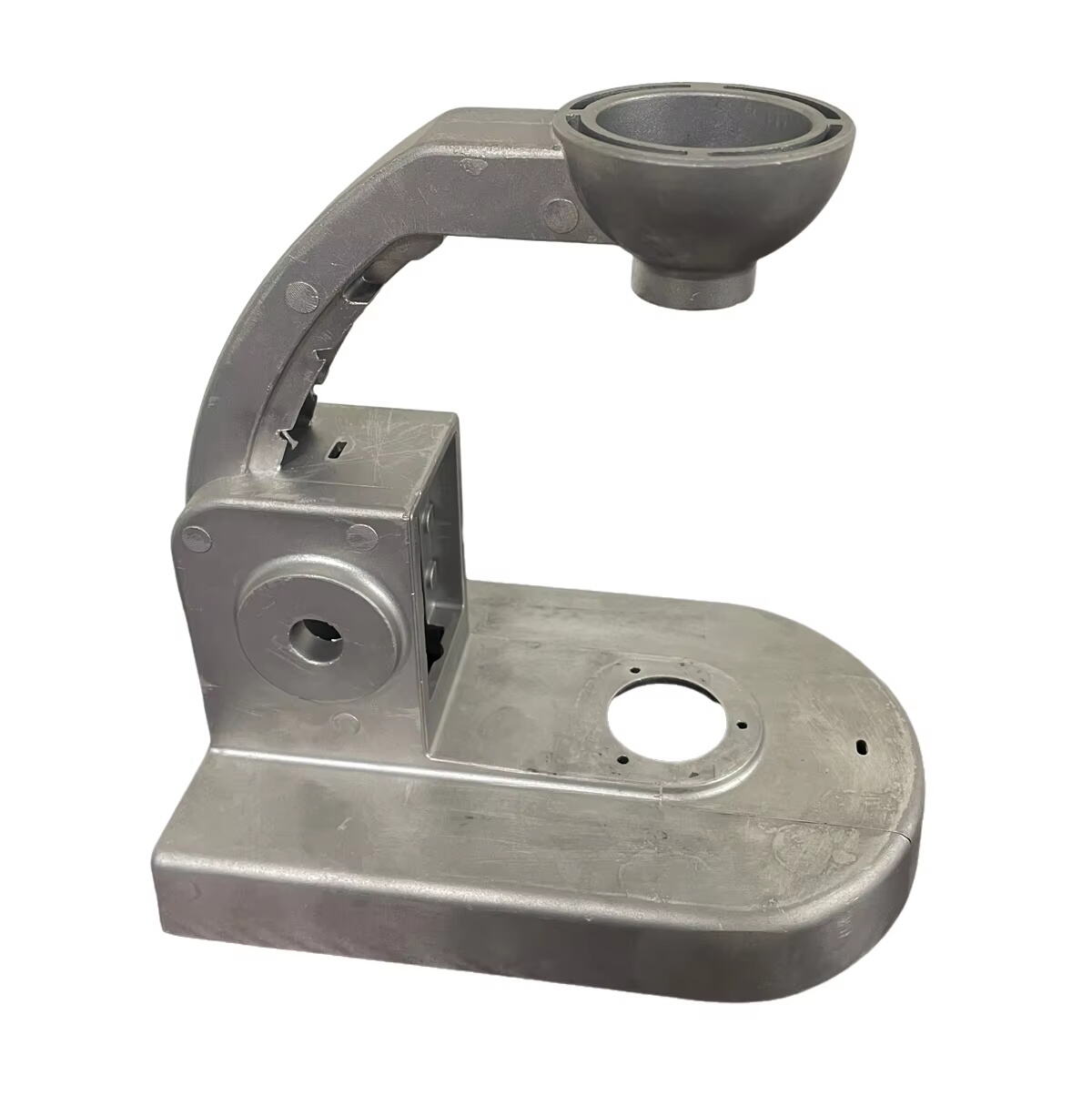
High-Performance Rubber Compression Molding Solutions: Precision Engineering for Quality Components

Get a Free Quote

Our representative will contact you soon.
Email
Mobile&WhatsApp
Name
Company Name
Attachment
Please upload at least an attachment
Up to 3 files,more 30mb,suppor jpg、jpeg、png、pdf、doc、docx、xls、xlsx、csv、txt
Message
0/1000

rubber compression molding

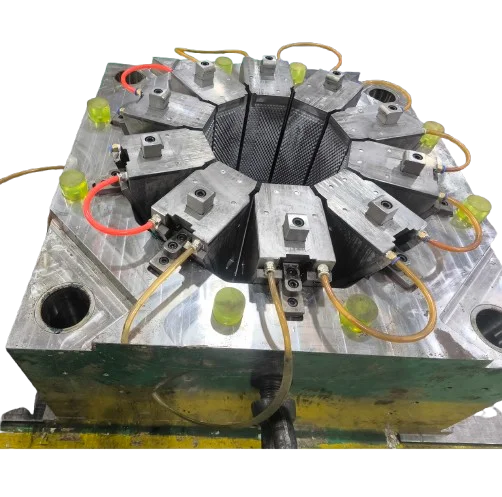
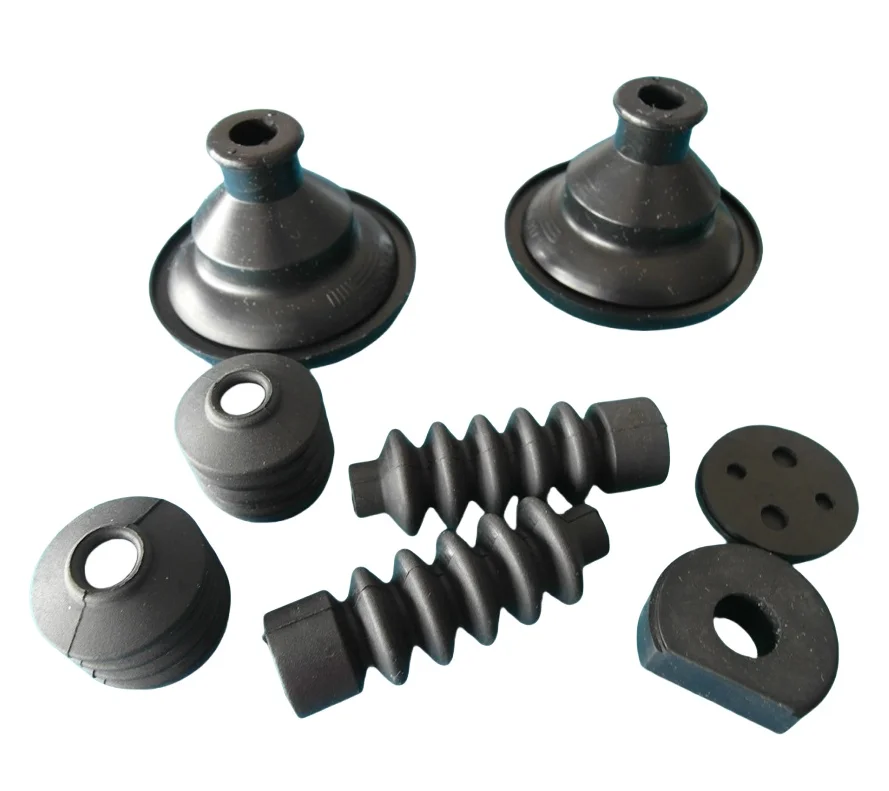
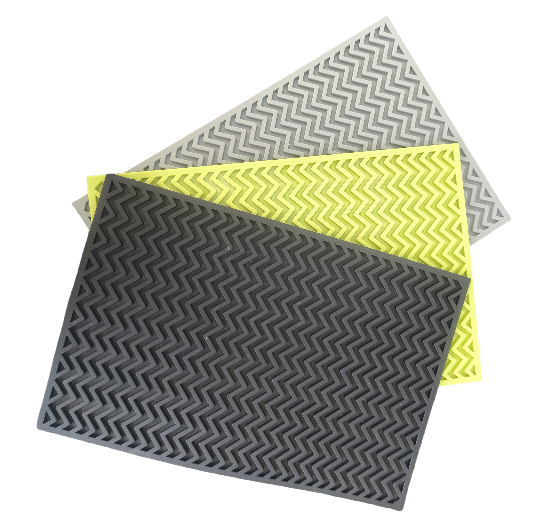
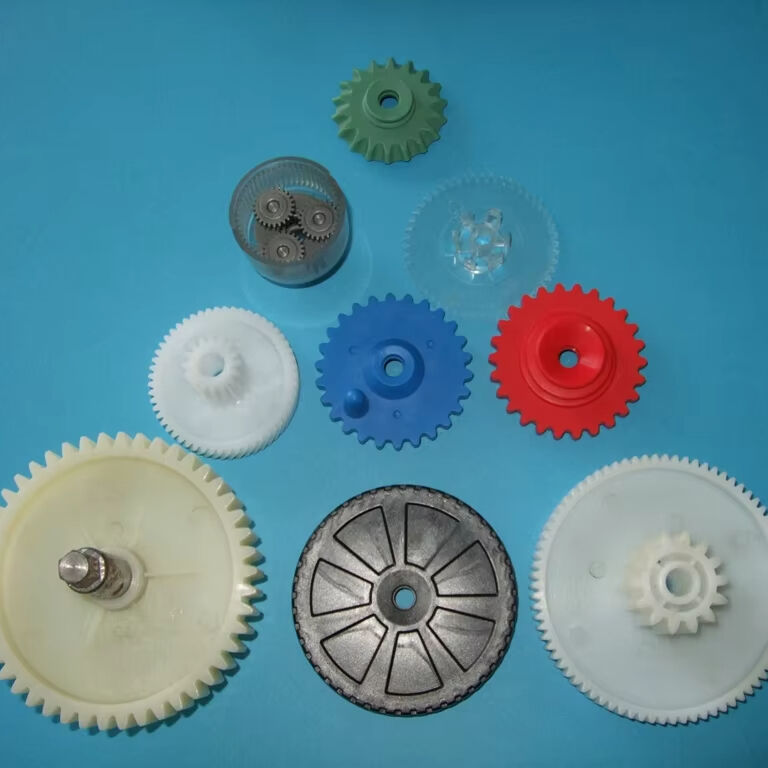
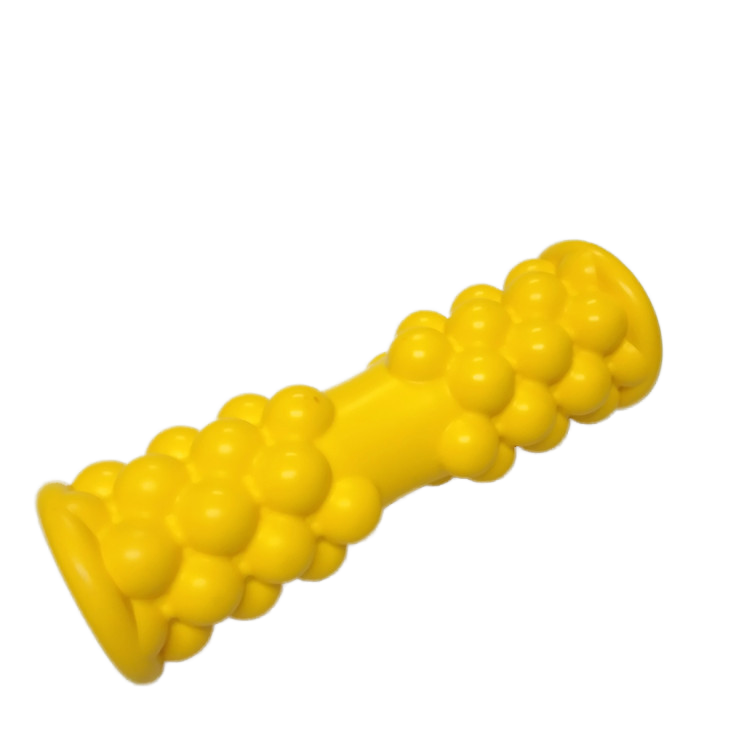
Rubber compression molding is a sophisticated manufacturing process that transforms raw rubber compounds into precisely engineered components through the application of heat and pressure. This time-tested method involves placing uncured rubber into a heated mold cavity, where it's compressed to take the shape of the mold while being vulcanized. The process begins with carefully measuring the rubber material, often in preform shapes, which is then positioned in the lower half of a heated mold. When the mold closes, the material is subjected to high pressure and temperature, typically ranging from 280 to 350 degrees Fahrenheit. During this phase, the rubber flows throughout the mold cavity, ensuring complete filling of all details and features. The heat triggers a chemical reaction known as vulcanization, which creates cross-links between polymer chains, resulting in a durable, elastic final product. This manufacturing technique is particularly valued in industries requiring high-precision rubber components, such as automotive parts, seals, gaskets, and industrial components. The process offers exceptional control over material properties and dimensional accuracy, making it ideal for producing complex geometries and parts with strict quality requirements.


Popular Products

Rubber compression molding offers numerous compelling advantages that make it a preferred choice for manufacturing rubber components. First, it provides exceptional cost-effectiveness for medium to high-volume production runs, as the tooling costs are generally lower compared to other rubber molding methods. The process delivers superior part consistency and quality, ensuring each component meets exact specifications. Material waste is minimized since the precise amount of rubber compound is measured before molding, leading to more sustainable and economical production. The technique allows for the creation of complex geometries and intricate details that would be difficult to achieve through other manufacturing methods. Additionally, compression molding produces parts with excellent structural integrity and mechanical properties due to the controlled vulcanization process. The method accommodates a wide range of rubber compounds, including natural and synthetic rubbers, allowing manufacturers to select the optimal material for specific applications. The process requires minimal post-processing, as parts typically emerge from the mold with clean surfaces and ready for use. Furthermore, the equipment used in compression molding is relatively straightforward to maintain and operate, resulting in reduced maintenance costs and improved production reliability. The technique also allows for the incorporation of inserts and reinforcements, expanding the possibilities for creating composite components with enhanced functionality.

Practical Tips

How to Select the Best Injection Mold for Industrial Needs?

31

Oct

How to Select the Best Injection Mold for Industrial Needs?

Understanding the Critical Role of Injection Molds in Modern Manufacturing The manufacturing industry relies heavily on injection molding technology to produce high-quality plastic components efficiently and cost-effectively. Selecting the right inje...
View More
What Makes Plastic Products Essential in Daily Life?

03

Nov

What Makes Plastic Products Essential in Daily Life?

The Modern World's Reliance on Versatile Plastic Materials In today's fast-paced world, plastic products have become an integral part of our daily existence. From the moment we wake up until we go to bed, these versatile materials surround us in coun...
View More
Can Plastic Products Enhance Sustainability in Manufacturing?

03

Nov

Can Plastic Products Enhance Sustainability in Manufacturing?

The Evolution of Sustainable Manufacturing Through Advanced Plastics The manufacturing industry stands at a critical crossroads where environmental responsibility meets industrial innovation. Sustainable plastic manufacturing has emerged as a transfo...
View More
What Are the Key Advantages of Modern Plastic Products?

03

Nov

What Are the Key Advantages of Modern Plastic Products?

The Evolution of Engineered Plastics in Modern Industry Over the past several decades, plastic products have revolutionized nearly every aspect of our daily lives. From innovative packaging solutions to durable construction materials, the versatility...
View More

Get a Free Quote

Our representative will contact you soon.
Email
Mobile&WhatsApp
Name
Company Name
Attachment
Please upload at least an attachment
Up to 3 files,more 30mb,suppor jpg、jpeg、png、pdf、doc、docx、xls、xlsx、csv、txt
Message
0/1000

rubber compression molding

Superior Quality Control and Consistency

Superior Quality Control and Consistency

Rubber compression molding stands out for its exceptional ability to maintain consistent quality across production runs. The process employs precise temperature and pressure controls, monitored through advanced sensing systems, ensuring each part meets exact specifications. The mold design incorporates strategic venting and flash control features, preventing common defects such as air traps and incomplete filling. Quality control is further enhanced by the ability to fine-tune processing parameters based on real-time feedback, allowing for immediate adjustments to maintain optimal production conditions. This level of control results in parts with consistent density, dimensional stability, and mechanical properties, crucial for applications where reliability is paramount.
Versatility in Material and Design Options

Versatility in Material and Design Options

The process demonstrates remarkable versatility in handling various rubber compounds and complex design requirements. Manufacturers can choose from an extensive range of rubber materials, including natural rubber, silicone, EPDM, and specialty compounds, each offering specific performance characteristics. The molding process accommodates intricate geometries, undercuts, and multiple cavity designs, enabling the production of sophisticated components. Design flexibility extends to the incorporation of texture patterns, logos, and functional features directly into the molded parts. This versatility makes compression molding suitable for diverse applications, from precision medical components to heavy-duty industrial parts.
Cost-Effective Production Solutions

Cost-Effective Production Solutions

Rubber compression molding provides significant cost advantages throughout the production lifecycle. The initial tooling investment is typically lower compared to injection molding, making it an attractive option for medium-volume production runs. The process minimizes material waste through precise material measurement and efficient mold filling, contributing to reduced production costs. Labor costs are managed effectively due to the relatively straightforward operation and maintenance requirements of compression molding equipment. The durability of compression molds ensures extended tool life, spreading tooling costs across longer production runs. Additionally, the minimal post-processing requirements reduce secondary operation costs, contributing to overall production efficiency.

Get a Free Quote

Our representative will contact you soon.
Email
Mobile&WhatsApp
Name
Company Name
Attachment
Please upload at least an attachment
Up to 3 files,more 30mb,suppor jpg、jpeg、png、pdf、doc、docx、xls、xlsx、csv、txt、stp、step、igs、x_t、dxf、prt、sldprt、sat、rar、zip
Message
0/1000