
 EN
EN




Każdy udany produkt zaczyna się od prototyp . Prototyp jest działającą lub wizualną reprezentacją koncepcji produktu, która pozwala inżynierom, projektantom i decydentom na testowanie pomysłów przed przystąpieniem do pełnowymiarowej produkcji. W konkurencyjnych środowiskach produkcji i rozwoju produktów budowa prototypu na wczesnym etapie procesu projektowego nie jest opcjonalna — jest to strategiczna konieczność bezpośrednio wpływająca na jakość, koszt i czas wprowadzenia produktu na rynek.
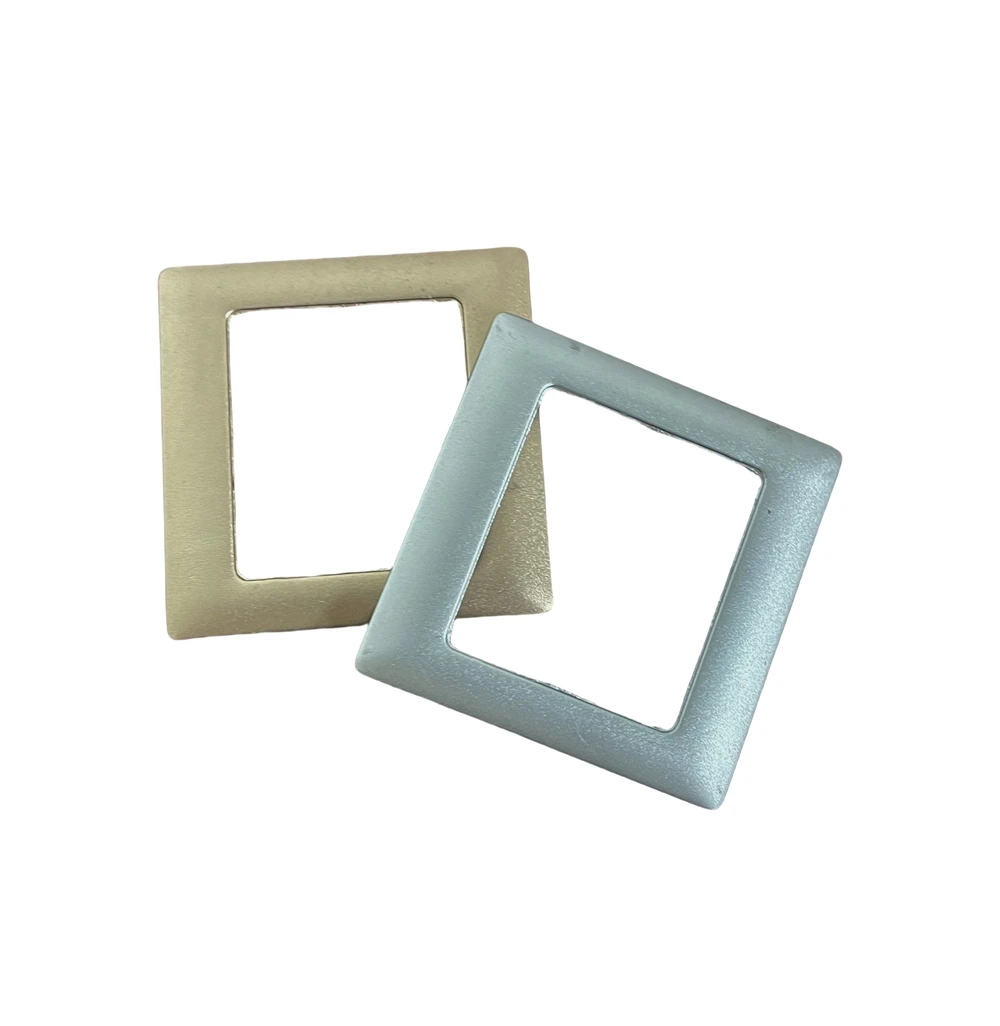
Zrozumienie, w jaki sposób prototyp poprawia projektowanie i innowacje, wymaga przyjrzenia się konkretnym rolom, jakie pełni w całym cyklu rozwoju. Prototyp stanowi most między koncepcją a gotowym produktem, umożliwiając zespołom weryfikację założeń, wykrywanie błędów oraz doskonalenie rozwiązań na podstawie rzeczywistych, fizycznych lub funkcjonalnych dowodów. W niniejszym artykule omawiane są kluczowe sposoby, w jakie prototyp przyczynia się do bardziej przejrzystego myślenia projektowego oraz skuteczniejszych strategii innowacyjnych w zakresie przemysłowego i B2B rozwoju produktów.
Rola prototypu w weryfikacji decyzji projektowych
Przekształcanie abstrakcyjnych koncepcji w testowalną rzeczywistość
Jednym z najważniejszych wkładów prototypu jest jego zdolność przekształcenia abstrakcyjnego pomysłu w coś namacalnego. Inżynierowie i projektanci często pracują z modelami cyfrowymi i rysunkami technicznymi, ale fizyczny prototyp ujawnia informacje, których żadna symulacja nie jest w stanie w pełni odtworzyć. Gdy prototyp istnieje w trzech wymiarach, zespoły mogą ocenić ergonomię, logikę montażu, rozkład masy oraz interakcję powierzchni w sposób, który ekran nie potrafi przekazać.
Prototyp stanowi również rzetelną podstawę do oceny, czy projekt spełnia założone specyfikacje. Bez prototypu założenia pozostają nietestowane. Dzięki prototypowi każdą główną deklarację projektową — dokładność wymiarową, zachowanie materiału, integralność konstrukcyjną — można ocenić w oparciu o rzeczywistą wydajność. Jest to szczególnie istotne w precyzyjnej produkcji, gdzie dopuszczalne odchylenia i jakość wykończenia powierzchni muszą zostać zweryfikowane przed inwestycją w narzędzia.
Zmniejszanie błędów projektowych przed produkcją
Błędy projektowe wykryte podczas masowej produkcji są kosztowne. Prototyp działa jak system wczesnego ostrzegania, ujawniając problemy w momencie, gdy ich usunięcie jest jeszcze tanie. Zespoły wykorzystujące prototyp we właściwym etapie rozwoju zgłaszają znacznie mniejszą liczbę zmian konstrukcyjnych w trakcie produkcji. Etap prototypowania to moment, w którym wykrywane są kolizje elementów, korygowane są kąty wyciągu oraz dostosowywane są grubości ścianek.
W zastosowaniach frezowania CNC i odlewania metalowego tworzenie prototypu z tego samego materiału, co końcowy produkt, zapewnia bezpośredni wgląd w obrabialność, zachowanie termiczne oraz wymagania dotyczące wykończenia powierzchni. Prototyp wykonany w ten sposób zapobiega kosztownym niespodziankom po ostatecznym wykonaniu narzędzi produkcyjnych. Dla zespołów pracujących z stopami aluminium, powłokami anodowymi lub złożonymi geometriami wczesna walidacja prototypu stanowi najskuteczniejszą dostępną strategię ograniczania ryzyka.
Jak prototyp przyspiesza proces innowacji
Tworzenie pętli zwrotnych napędzających lepsze pomysły
Innowacja nie przebiega w linii prostej. Opiera się na cyklach tworzenia, oceny i doskonalenia. Prototyp przyspiesza te cykle i czyni je bardziej produktywnymi. Gdy zespół buduje prototyp i dzieli się nim ze stakeholderami, klientami lub końcowymi użytkownikami, zebrane opinie są konkretne i możliwe do wdrożenia. Niejasne preferencje zamieniają się w konkretne wymagania. Teoretyczne obawy stają się obserwowalnymi problemami lub potwierdzonymi zaletami.
Każda kolejna iteracja prototypu zawiera wnioski wynikające z poprzedniej. Zespół, który przeprowadzi trzy lub cztery cykle prototypowania przed ostatecznym ustaleniem projektu, systematycznie tworzy lepszy produkt niż zespół pomijający ten proces. Prototyp nie jest jedynie obiektem testowym – stanowi narzędzie komunikacji, wyzwalacz decyzji oraz akcelerator innowacji połączony w jednej fizycznej formie. W kontekstach przemysłowych B2B szybkość nabywania wiedzy często decyduje o tym, który dostawca lub producent pierwszy wprowadzi na rynek lepsze rozwiązanie.
Wspieranie współpracy międzydziałowej dzięki wspólnemu odniesieniu
Prototyp tworzy wspólne punkty odniesienia, których różne działy mogą używać równocześnie. Zespoły inżynieryjne, zakupowe, marketingowe oraz zapewnienia jakości mogą jednocześnie analizować ten sam prototyp i przyczyniać się swoimi kompetencjami. Ta współpraca międzydziałowa pomaga uniknąć podejmowania decyzji w izolacji oraz zapewnia, że ulepszenia projektu odzwierciedlają pełny zakres wymagań biznesowych, a nie tylko preferencje inżynierów.
Obecność prototypu na spotkaniach sprawia, że dyskusje stają się bardziej skupione i produktywne. Abstrakcyjne nieporozumienia dotyczące geometrii, wymiarów lub wyboru materiałów są szybciej rozstrzygane, gdy wszyscy uczestnicy patrzą na ten sam fizyczny obiekt. Prototyp eliminuje niejednoznaczność w komunikacji technicznej – problem, który utrzymuje się w złożonych projektach rozwoju produktów. Zespoły, które wykorzystują prototyp jako swój główny punkt odniesienia, osiągają spójność szybciej i podejmują lepsze decyzje.
Zastosowanie prototypów w kontekstach CNC i przemysłowej produkcji
Dobór metod prototypowania zgodnych z zamierzeniem produkcyjnym
W przemysłowej produkcji rodzaj wybranego prototypu powinien odpowiadać metodzie produkcji końcowej części. Prototyp wykonany metodą frezowania CNC z aluminium stopowego o jakości produkcyjnej zapewnia znacznie bardziej wiarygodne dane niż model z tworzywa sztucznego wydrukowany techniką 3D, gdy końcowa aplikacja obejmuje obciążenia konstrukcyjne, cyklowanie termiczne lub obróbkę powierzchniową. Im bardziej prototyp odzwierciedla proces produkcyjny, tym bardziej przydatne i wiarygodne stają się wyniki jego walidacji.
Dla produktów takich jak panele przełączników, obudowy lub uchwyty konstrukcyjne, które będą poddawane anodowaniu lub innym obróbkom końcowym, prototyp powinien być wykonywany przy użyciu tych samych lub bardzo podobnych metod. Tylko wtedy prototyp pozwoli ocenić, jak powierzchnia będzie reagować na obróbkę, jak część będzie pasować do zespołu oraz czy przed końcową produkcją narzędzi są potrzebne jakieś korekty geometryczne. Tak wysoki stopień wierności procesu czyni prototyp znacznie bardziej wartościowym narzędziem projektowym i jakościowym.
Skracanie cykli rozwoju za pomocą technik szybkiego prototypowania
Metody szybkiego prototypowania — w tym frezowanie CNC pojedynczych części, miękkie formy i bezpośrednia produkcja metalowych elementów — pozwalają zespołom na wytworzenie prototypu w ciągu kilku dni zamiast tygodni. Ta przewaga czasowa zmienia sposób, w jaki zespoły zajmujące się rozwojem podejmują iteracje. Zamiast angażować się w jedną ścieżkę projektową, zespoły mogą stworzyć wiele wariantów prototypów i porównać ich wydajność obok siebie. Wynikiem jest szybsze osiągnięcie zoptymalizowanego projektu przy mniejszym ryzyku błędów wynikających z domysłów.
Szybki prototyp wspiera również wcześniejszą kwalifikację dostawców. Gdy prototyp jest udostępniany producentowi zewnętrznemu, obie strony mogą uzgodnić dopuszczalne odchylenia wymiarowe, powierzchnie oraz wymagania montażowe jeszcze przed rozpoczęciem produkcji. Dzięki temu zmniejsza się odsetek odrzuconych pierwszych sztuk i od samego początku buduje się zaufanie do procesu produkcyjnego. Prototyp staje się umownym i technicznym odniesieniem, które chroni zarówno kupującego, jak i dostawcę na etapie wzrostu objętości produkcji.
Często zadawane pytania
Jaka jest różnica między prototypem a końcową częścią produkcyjną?
Prototyp to wczesna wersja produktu wykorzystywana do testowania, walidacji i doskonalenia. Może się różnić od końcowej części produkcyjnej pod względem ilości, metody wykonania narzędzi lub drobnych specyfikacji. Końcowa część produkcyjna jest wytwarzana przy użyciu zweryfikowanych narzędzi i procesów zoptymalizowanych pod kątem masowej produkcji. Prototyp służy jako podstawa do informowania i poprawy końcowej części produkcyjnej przed dokonaniem tych inwestycji.
Ile iteracji prototypu jest zwykle wymaganych przed ostatecznym ustaleniem projektu?
Liczba iteracji prototypu zależy od złożoności produktu, wymagań dotyczących tolerancji oraz opinii interesariuszy. Proste elementy mogą wymagać jedynie jednej lub dwóch iteracji prototypu, podczas gdy złożone zespoły mogą przechodzić przez cztery lub więcej cykli. Celem nie jest minimalizacja liczby prototypów, lecz zapewnienie pełnej walidacji ostatecznego projektu. Każdy cykl prototypowania powinien przynosić mierzalne ulepszenia i zmniejszać pozostałe ryzyka projektowe.
Czy prototyp można wykorzystać do uzyskania akceptacji klienta przed rozpoczęciem produkcji?
Tak, prototyp jest powszechnie wykorzystywany w celu uzyskania formalnej akceptacji klienta przed rozpoczęciem produkcji narzędzi. W przemyśle B2B przegląd pierwszego prototypu (first-article) jest często wymaganym etapem procesu zatwierdzania jakości. Klienci sprawdzają prototyp pod kątem rysunków, specyfikacji oraz wymagań funkcjonalnych. Zatwierdzenie prototypu zapewnia obu stronom pewność, że części produkcyjne spełnią oczekiwania, oraz zmniejsza ryzyko kosztownych sporów po zakończeniu produkcji.