
 EN
EN


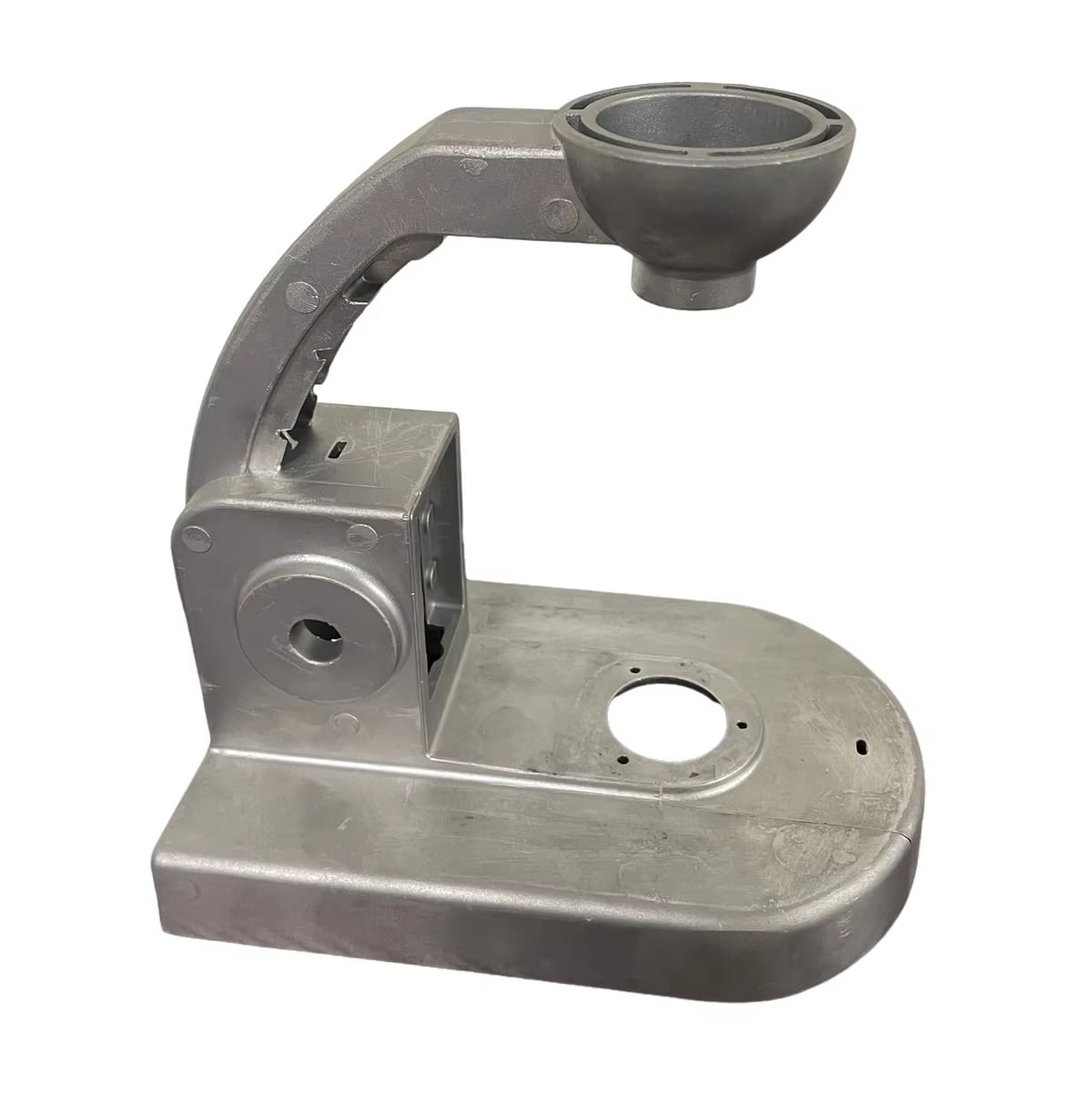
Building a prototype early in the product development cycle is one of the most strategically sound decisions an engineering or manufacturing team can make. A prototype gives teams a tangible, testable version of a concept before significant resources are committed to full-scale production. Rather than relying solely on digital designs or theoretical models, a physical prototype reveals real-world performance characteristics that no simulation can fully replicate. Teams that invest in early prototype creation consistently report fewer costly surprises later in the production pipeline.
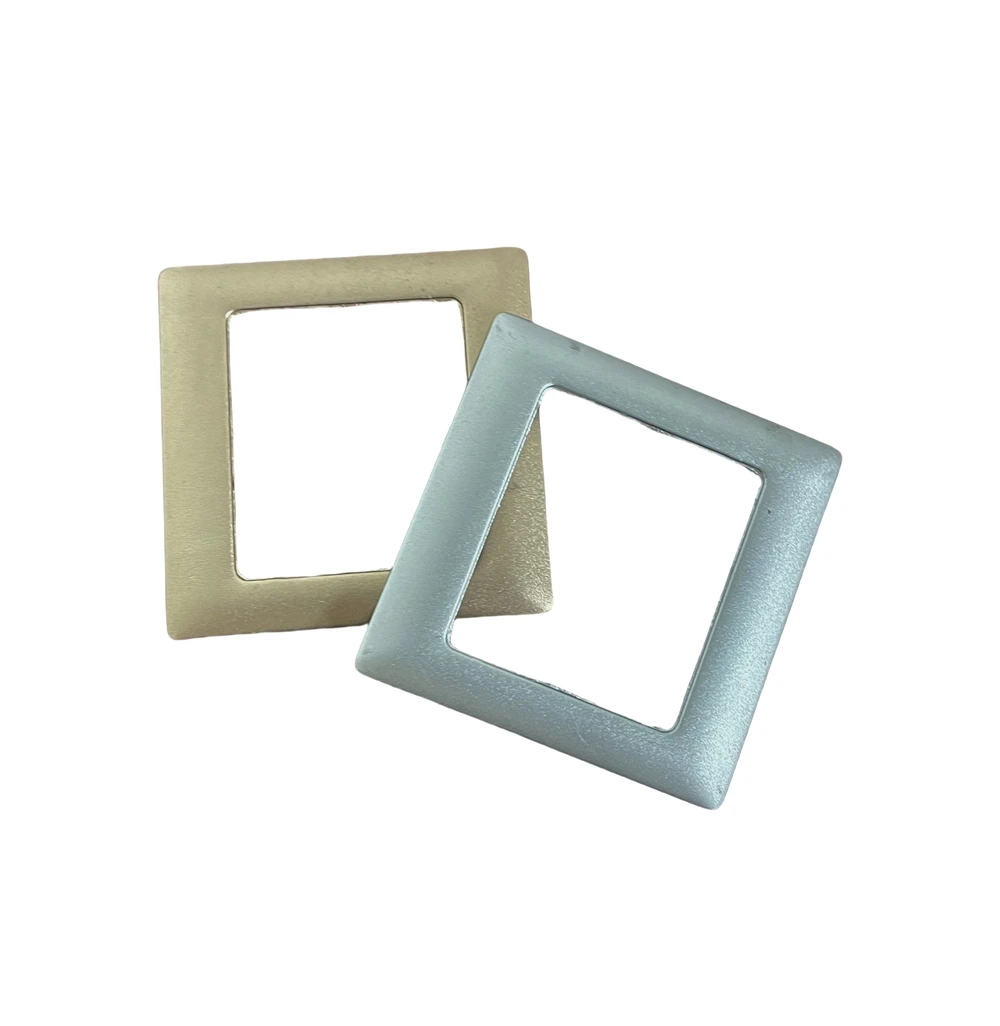
The benefits of an early prototype extend well beyond simply checking whether a product looks correct. A well-constructed prototype validates function, fit, and manufacturability at a stage when design changes are still relatively inexpensive. In B2B and industrial product development, where tooling, casting, and machining costs run high, a single prototype iteration caught before production can save tens of thousands of dollars. Understanding these benefits helps product teams and stakeholders make better decisions about when and how to invest in prototype creation.
Design Validation Through Early Prototype Testing
Catching Design Flaws Before Tooling Begins
One of the most immediate benefits of an early prototype is the ability to catch design flaws before expensive tooling is commissioned. When a prototype is built from an early-stage design, engineers can physically inspect tolerances, assembly sequences, and component interactions. A prototype reveals misaligned holes, insufficient wall thickness, or interference fits that a 3D model may not clearly expose. Identifying these problems at the prototype stage is dramatically cheaper than discovering them after a production mold or CNC fixture has been completed. Every design correction made at the prototype phase eliminates a potential production defect.
Prototype Feedback Drives Better Engineering Decisions
A prototype does more than expose problems — it actively generates actionable feedback. Engineers who work with a physical prototype gain intuitive understanding of how a part behaves under real conditions. This hands-on experience leads to design improvements that purely digital workflows often miss. A prototype allows cross-functional teams, including manufacturing, quality, and procurement, to weigh in on the design before changes become prohibitively expensive. The iterative loop between prototype creation and design refinement is what separates well-engineered products from those that require costly post-launch corrections.
Cost Reduction and Risk Management With a Prototype
How a Prototype Reduces Production Risk
Risk management is a central reason why early prototype development is standard practice in serious manufacturing environments. A prototype allows teams to validate that materials, finishes, and dimensions meet specification before any production investment is made. For example, when producing anodized aluminum switch panels or other precision machined parts, a prototype confirms that the surface treatment adheres correctly and that dimensional tolerances are achievable with available equipment. Without a prototype, teams are essentially committing production budgets to unverified assumptions. The prototype serves as a risk checkpoint that protects capital investment.
The Financial Logic Behind Prototype Investment
Some teams hesitate to invest in a prototype because of the upfront cost, but this logic typically reverses under scrutiny. A single prototype costs a fraction of what a production run costs, and the insights it delivers can prevent full-batch rework or complete redesign. In complex components like cast parts, molded products, or machined enclosures, a prototype provides dimensional verification and process confirmation that no other method can deliver as reliably. The cost of skipping a prototype is almost always higher than the cost of building one. Smart procurement and engineering teams treat the prototype as essential rather than optional.
Stakeholder Alignment and Faster Market Readiness
A Prototype Builds Shared Understanding
A prototype bridges the gap between a technical drawing and a shared human understanding of a product. When a prototype is placed in front of stakeholders — whether they are engineers, business decision-makers, or end customers — it creates immediate clarity. Non-technical stakeholders who struggle to interpret engineering drawings can evaluate a prototype intuitively and provide meaningful feedback. This alignment process reduces the risk of the final product missing key requirements. A prototype becomes a common reference object that keeps all parties speaking the same language throughout the development process.
Accelerating the Path From Prototype to Production
Counter-intuitively, teams that invest in a prototype often reach production readiness faster than those that skip it. This is because a prototype surfaces issues early, preventing the kind of late-stage redesign cycles that stall production timelines significantly. When the prototype passes validation, the team moves forward with high confidence that the production design is sound. Suppliers and manufacturers also benefit from a validated prototype because it reduces ambiguity in production briefs. A prototype-informed production order is cleaner, clearer, and less likely to result in non-conforming parts or costly rework cycles.
Prototype Quality Signals Supplier Capability
In B2B procurement, requesting a prototype from a supplier before committing to a production order is a standard due-diligence practice. The quality, accuracy, and finish of a prototype signals the supplier's capabilities and process discipline. A prototype that meets dimensional, aesthetic, and functional specifications demonstrates that the supplier understands the requirements and has the machinery and expertise to deliver consistently. Buyers who evaluate a prototype before placing bulk orders significantly reduce the risk of receiving non-conforming production batches. The prototype stage is therefore not only a design tool but also a supplier qualification mechanism.
FAQ
At what stage of development should a prototype be created?
A prototype should be created as early as there is a stable enough design to test. In most industrial and B2B contexts, this means after initial CAD modeling is complete but well before any tooling or production fixtures are ordered. An early-stage prototype may be rough, but it still delivers valuable design and process insights. Teams should not wait for a 'perfect' design before building a prototype — iterating through multiple prototype versions is often more efficient than trying to perfect a design on paper alone.
How many prototype iterations are typically needed?
The number of prototype iterations depends on design complexity, material requirements, and functional criticality. Simple components may require only one or two prototype cycles, while complex assemblies involving tight tolerances, special finishes, or multi-part interactions may require three or more iterations. Each prototype cycle should have a clear objective — whether it is dimensional validation, surface finish confirmation, or assembly fit testing. Defining clear success criteria for each prototype round prevents iteration from becoming an open-ended process and keeps development timelines on track.
Is a prototype necessary for custom CNC machined or cast parts?
Yes, a prototype is especially important for custom CNC machined, cast, or molded parts. These manufacturing methods involve significant tooling and setup investment, and design errors discovered after production begins are extremely costly to correct. A prototype for a custom CNC machined or anodized aluminum panel, for example, confirms that the machining strategy, dimensional tolerances, and surface treatment all meet requirements. Building a prototype before committing to production tooling is standard practice among experienced industrial buyers and provides essential risk protection for both the buyer and the supplier.