
 EN
EN



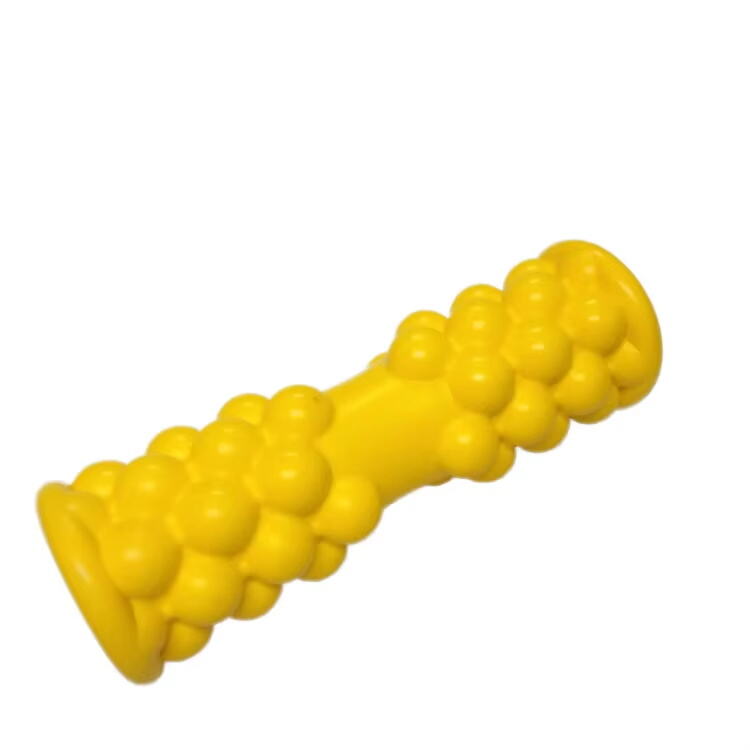
In demanding industrial and automotive environments, the integrity of a seal can determine whether a system performs reliably or fails under pressure. A rubber gasket is one of the most trusted sealing solutions across these sectors, valued for its ability to conform to irregular surfaces, absorb vibration, and maintain a leak-proof barrier under a wide range of operating conditions. Understanding why engineers and procurement specialists consistently choose this component over alternatives requires a closer look at the material science, functional advantages, and application realities that make it indispensable.
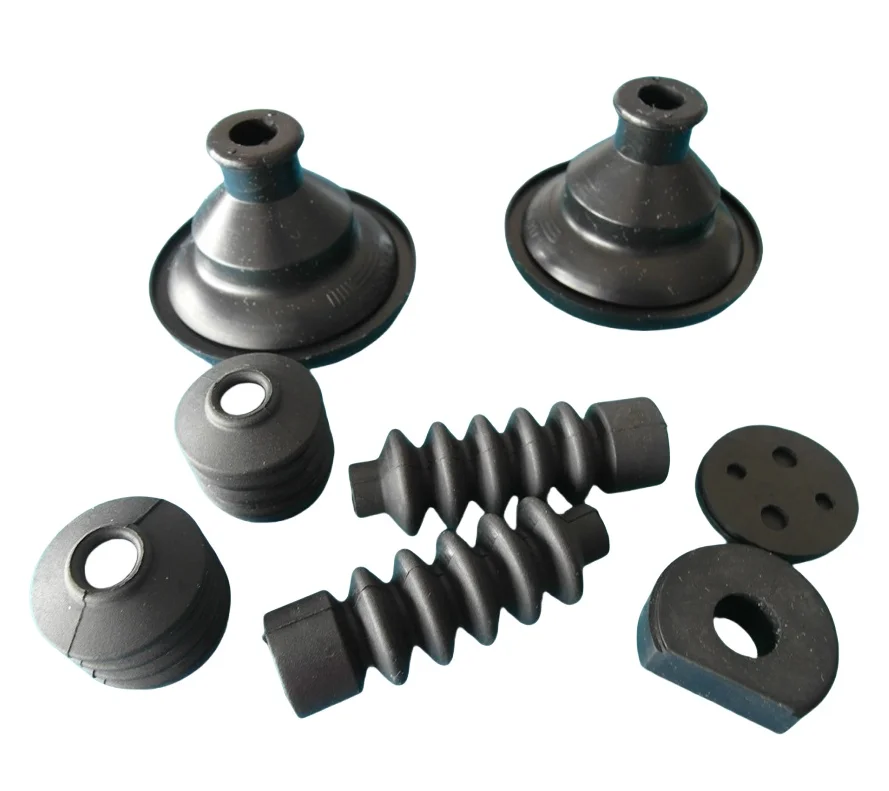
The choice of a rubber gasket is rarely accidental. It reflects a deliberate engineering decision based on the specific demands of the application — whether that involves exposure to fuels and oils in an automotive engine bay, high-pressure fluid systems in industrial pipelines, or electrical cable management in machinery housings. This article explores the core reasons why the rubber gasket remains the preferred sealing component in both industrial and automotive contexts, and what factors should guide your selection process.
The Material Advantages That Make a Rubber Gasket the Right Choice
Flexibility and Conformability Under Compression
One of the primary reasons engineers choose a rubber gasket is its inherent flexibility. Unlike rigid metallic or fiber-based seals, rubber compresses and conforms to the mating surfaces it is placed between. This conformability is critical in real-world assemblies where surface finishes are never perfectly smooth and flange faces may carry minor imperfections from machining or wear.
When a rubber gasket is compressed between two flanges or housing components, it fills microscopic gaps and irregularities that would otherwise allow fluid, gas, or contaminants to pass through. This self-adapting behavior means that even under variable torque conditions or thermal cycling, the seal remains effective. In automotive applications, where engine components expand and contract with temperature changes, this flexibility is not just a convenience — it is a functional necessity.
The degree of flexibility varies by rubber compound. Natural rubber offers excellent elasticity, while synthetic variants such as NBR (nitrile butadiene rubber) and EPDM (ethylene propylene diene monomer) are engineered to maintain their sealing properties across broader temperature and chemical exposure ranges. Selecting the right compound ensures the rubber gasket performs consistently throughout its service life.
Chemical and Environmental Resistance
Industrial and automotive environments expose sealing components to aggressive media — engine oils, hydraulic fluids, fuels, coolants, acids, and atmospheric ozone. A rubber gasket formulated from the appropriate compound resists degradation from these substances, maintaining its structural integrity and sealing performance over time.
NBR rubber gaskets are widely used in fuel systems and hydraulic applications because of their strong resistance to petroleum-based oils and fuels. EPDM rubber gaskets, on the other hand, excel in water and steam applications, as well as outdoor environments where UV and ozone exposure would rapidly degrade other materials. Silicone rubber gaskets offer exceptional thermal stability, making them suitable for high-temperature zones in both automotive and industrial equipment.
This chemical versatility is a key reason why the rubber gasket is specified across such a broad range of industries. Rather than requiring a completely different sealing technology for each application, engineers can select the appropriate rubber compound and achieve reliable performance without redesigning the assembly around the seal.
Why Rubber Gaskets Outperform Alternatives in Automotive Applications
Vibration Damping and Noise Reduction
Automotive assemblies are subject to continuous vibration from engine operation, road surfaces, and drivetrain dynamics. A rubber gasket does more than seal — it absorbs and dampens these vibrations, reducing the transmission of mechanical noise and protecting fasteners and mating components from fatigue caused by cyclic loading.
In engine valve covers, oil pans, intake manifolds, and transmission housings, the rubber gasket acts as a vibration isolator between metal components. This reduces the risk of fastener loosening over time and minimizes the acoustic signature of the assembly. For vehicle manufacturers focused on NVH (noise, vibration, and harshness) performance, the rubber gasket contributes directly to ride quality and perceived build quality.
This dual function — sealing and vibration management — is difficult to replicate with rigid gasket materials. A metal gasket, for example, may provide excellent sealing under high bolt loads but offers no meaningful vibration damping. The rubber gasket delivers both benefits within a single, cost-effective component.
Thermal Cycling Tolerance in Engine Environments
Automotive engines operate across a wide thermal range, from cold starts in sub-zero conditions to sustained high-temperature operation under load. A rubber gasket must maintain its sealing function throughout this entire range without hardening, cracking, or losing its compressive recovery.
Properly formulated rubber compounds retain their elasticity across these temperature extremes. Silicone rubber gaskets, for instance, remain flexible at temperatures well below freezing and continue to perform at elevated temperatures that would cause other elastomers to degrade. This thermal resilience ensures that the rubber gasket does not become a weak point in the assembly during the most demanding operating cycles.
For automotive engineers specifying sealing components, the thermal cycling tolerance of a rubber gasket reduces the risk of warranty claims and field failures. It also simplifies maintenance schedules, as a well-chosen rubber gasket can outlast multiple service intervals without requiring replacement.
Industrial Applications Where the Rubber Gasket Delivers Critical Value
Pipeline and Flange Sealing in Process Industries
In chemical processing, water treatment, oil and gas, and food and beverage manufacturing, pipeline integrity is non-negotiable. A rubber gasket installed between pipe flanges provides the primary barrier against leakage of process fluids, which may be hazardous, corrosive, or subject to strict regulatory control.
The rubber gasket used in these applications must be selected based on the specific fluid being handled, the operating pressure and temperature, and any regulatory requirements for material compatibility. EPDM rubber gaskets are commonly used in water and steam lines, while PTFE-encapsulated rubber gaskets are chosen for aggressive chemical service. The ability to tailor the rubber gasket to the exact process conditions is a significant advantage over one-size-fits-all sealing solutions.
Installation is also simplified by the compressibility of rubber. A rubber gasket does not require the extreme bolt loads needed to seat harder gasket materials, reducing the risk of flange damage and making assembly and disassembly more practical during maintenance operations.
Electrical and Cable Management Sealing
Beyond fluid sealing, the rubber gasket plays an important role in electrical enclosures, cable entry points, and wiring management systems. In industrial machinery, control panels, and automotive wiring harnesses, rubber grommets and gaskets protect cables from abrasion, seal entry points against moisture and dust ingress, and maintain the environmental protection rating of the enclosure.
A rubber gasket used in cable management applications must provide a reliable seal around the cable or conduit while remaining flexible enough to accommodate movement and vibration without damaging the cable insulation. The material must also resist the oils, solvents, and cleaning agents commonly found in industrial environments.
This application area highlights the versatility of the rubber gasket as a component. The same fundamental material properties — flexibility, chemical resistance, and conformability — that make it effective in fluid sealing also make it the preferred choice for protecting sensitive electrical infrastructure in harsh environments.
Key Factors to Consider When Selecting a Rubber Gasket
Matching Compound to Application Requirements
Choosing the right rubber gasket begins with a clear understanding of the operating environment. The fluid or gas being sealed, the temperature range, the pressure conditions, and the presence of UV, ozone, or chemical exposure all influence which rubber compound will deliver the best long-term performance.
NBR is the standard choice for oil and fuel resistance. EPDM is preferred for water, steam, and outdoor applications. Neoprene offers a balanced profile of oil and weather resistance. Silicone is selected for extreme temperature ranges. Specifying the wrong compound can lead to premature hardening, swelling, or chemical attack, all of which compromise the sealing function of the rubber gasket and can result in costly downtime or safety incidents.
Working with a supplier that offers custom compound selection and processing services — including cutting and mold processing — allows engineers to obtain a rubber gasket precisely matched to their application rather than accepting a generic off-the-shelf solution that may not fully meet their requirements.
Dimensional Precision and Custom Fabrication
A rubber gasket must fit the mating surfaces it is designed to seal. Dimensional accuracy — in terms of inner diameter, outer diameter, thickness, and cross-section profile — directly affects sealing performance. An oversized gasket may not compress correctly, while an undersized one may not cover the sealing surface adequately.
Custom fabrication options, including die cutting, water jet cutting, and compression or injection molding, allow the rubber gasket to be produced to exact dimensional specifications. This is particularly important in industrial applications where non-standard flange sizes or complex geometries require a bespoke sealing solution rather than a standard catalog item.
Investing in a precisely dimensioned rubber gasket reduces installation errors, improves sealing reliability, and extends service life. It also reduces the total cost of ownership by minimizing the risk of leaks, rework, and unplanned maintenance that result from poorly fitting seals.
FAQ
What is the most common rubber compound used for automotive rubber gaskets?
NBR (nitrile butadiene rubber) is the most widely used compound for automotive rubber gaskets in fuel and oil systems due to its strong resistance to petroleum-based fluids. Silicone rubber gaskets are preferred in high-temperature zones such as exhaust and turbocharger areas, while EPDM is used in cooling system applications where water and antifreeze resistance is required.
How long does a rubber gasket typically last in industrial service?
Service life depends on the compound selected, the operating conditions, and the quality of installation. A properly specified and installed rubber gasket in a moderate-duty industrial application can last several years without replacement. In more aggressive environments — high temperatures, chemical exposure, or high-pressure cycling — more frequent inspection and replacement intervals are recommended to maintain sealing integrity.
Can a rubber gasket be used for both static and dynamic sealing applications?
A rubber gasket is primarily designed for static sealing applications, where the mating surfaces do not move relative to each other during operation. For dynamic applications involving rotational or reciprocating motion, dedicated sealing components such as O-rings or lip seals are more appropriate. However, in applications with minor vibration or thermal movement, a rubber gasket can accommodate this motion without losing its sealing function.
What should I check when replacing a rubber gasket during maintenance?
When replacing a rubber gasket, inspect the mating surfaces for corrosion, scoring, or warping that could prevent a proper seal. Verify that the replacement rubber gasket matches the original in terms of compound, dimensions, and hardness. Clean the sealing surfaces thoroughly before installation, apply the correct bolt torque to achieve proper compression without over-compressing the gasket, and check for leaks after the system is returned to service.