
 EN
EN



In industrial sealing applications, selecting the right gasket material directly impacts equipment reliability, operational efficiency, and maintenance costs. Among the diverse range of sealing materials available today, rubber gaskets have emerged as one of the most versatile and dependable solutions across manufacturing, automotive, chemical processing, and infrastructure sectors. Understanding the specific advantages that rubber gasket technology offers helps procurement managers, design engineers, and maintenance teams make informed decisions that align with both performance requirements and budget constraints.
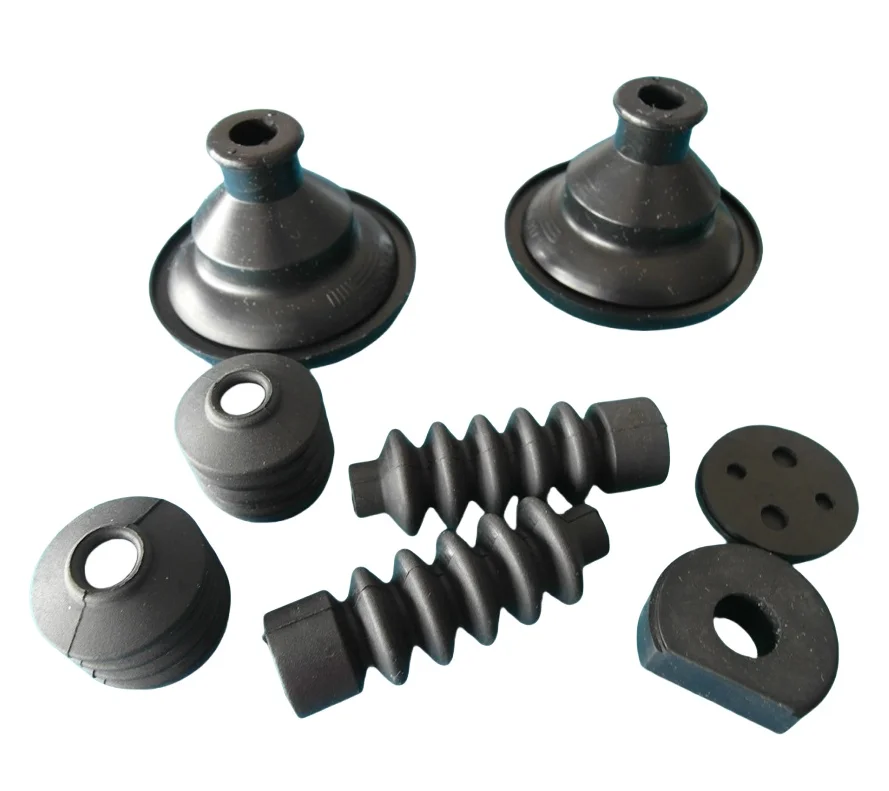
The key advantages of using rubber gaskets extend far beyond basic sealing functionality. These engineered components deliver exceptional compression set resistance, broad chemical compatibility, temperature flexibility, cost-effectiveness, and ease of installation that collectively address the practical challenges faced in demanding industrial environments. By examining each advantage through the lens of real-world application requirements, this article provides comprehensive insight into why rubber gaskets continue to dominate sealing solutions despite advances in alternative materials and why they represent a strategic choice for organizations prioritizing operational continuity and value optimization.
Superior Sealing Performance Across Variable Conditions
Exceptional Compression Set Resistance
One of the most critical advantages of rubber gaskets lies in their ability to maintain sealing integrity under sustained compression forces. Unlike rigid materials that may fracture or deform permanently, rubber compounds exhibit elastic memory that allows them to recover shape after compression cycles. This compression set resistance ensures that a rubber gasket maintains contact pressure against mating surfaces even when subjected to thermal cycling, mechanical vibration, or pressure fluctuations that characterize industrial operations.
Advanced rubber formulations such as EPDM, nitrile, and fluorocarbon elastomers demonstrate compression set values below fifteen percent even after prolonged exposure to elevated temperatures. This performance characteristic translates directly into extended service life and reduced maintenance intervals. When properly specified and installed, a high-quality rubber gasket can deliver reliable sealing for thousands of operating hours without requiring retorque or replacement, significantly reducing total cost of ownership compared to materials requiring frequent intervention.
The molecular structure of elastomeric materials enables them to distribute stress evenly across the sealing interface, accommodating surface imperfections and minor dimensional variations that would compromise rigid gasket materials. This conformability advantage becomes especially valuable in applications involving cast metal housings, machined flanges with surface finish variations, or assemblies where manufacturing tolerances create sealing challenges that demand adaptive material behavior.
Effective Response to Thermal Expansion
Industrial equipment experiences continuous thermal cycling during startup, operation, and shutdown phases, creating dimensional changes in metal components that challenge sealing integrity. Rubber gaskets accommodate these thermal expansion differentials through their inherent flexibility and controlled elastic modulus. When metal flanges expand with temperature increase, the rubber gasket compresses proportionally; when cooling occurs and metal contracts, the elastic recovery of the rubber gasket maintains sealing contact pressure without generating excessive stress on fasteners or housing components.
This thermal tracking capability distinguishes rubber gaskets from paper, cork, or composite materials that may harden, crack, or lose resilience when subjected to temperature swings. Specialized rubber compounds maintain their sealing effectiveness across temperature ranges spanning from cryogenic conditions below negative forty degrees Celsius to continuous service temperatures exceeding two hundred degrees Celsius, depending on the specific elastomer selected. This temperature versatility enables a single material platform to address diverse application requirements without necessitating frequent material substitutions.
Vibration Dampening and Noise Reduction
Beyond primary sealing functions, rubber gaskets contribute significant secondary benefits through their vibration absorption characteristics. The viscoelastic properties inherent in elastomeric materials dissipate mechanical energy that would otherwise transmit through rigid connections, reducing noise generation and minimizing fatigue stress on fasteners and adjacent components. This dampening effect proves particularly valuable in automotive applications, HVAC systems, and rotating equipment where vibration control directly impacts user experience and component longevity.
Equipment manufacturers increasingly specify rubber gaskets not solely for sealing performance but as integral components of noise, vibration, and harshness mitigation strategies. A properly designed rubber gasket installation can reduce transmitted vibration amplitude by thirty to fifty percent compared to metal-to-metal contact, extending bearing life, reducing acoustic emissions, and improving overall system refinement. These collateral advantages often justify rubber gasket selection even in applications where alternative sealing materials might achieve adequate sealing performance alone.
Broad Chemical Compatibility and Environmental Resistance
Customized Compound Selection for Specific Media
The rubber gasket family encompasses diverse elastomer formulations engineered to resist specific chemical environments, enabling precise material matching to application requirements. Nitrile rubber gaskets excel in petroleum-based fluid environments, providing excellent resistance to oils, fuels, and hydraulic fluids commonly encountered in automotive and industrial machinery. EPDM rubber gaskets offer superior resistance to water, steam, acids, alkalis, and oxygenated solvents, making them ideal for chemical processing, water treatment, and pharmaceutical manufacturing applications.
For more aggressive chemical environments, fluorocarbon and perfluoroelastomer rubber gaskets deliver exceptional resistance to concentrated acids, strong oxidizers, aromatic hydrocarbons, and chlorinated solvents at elevated temperatures. This material versatility allows design engineers to optimize gasket selection based on actual service conditions rather than compromising with general-purpose materials that may degrade prematurely. The ability to specify a rubber gasket compound tailored to specific chemical exposure profiles minimizes seal failure risk and extends maintenance intervals significantly.
Material compatibility extends beyond chemical resistance to include considerations such as extractables in food and pharmaceutical applications, electrical insulation properties in electronic assemblies, and flame resistance ratings in aerospace and transportation sectors. Modern rubber gasket manufacturers maintain extensive compound libraries with documented performance data across hundreds of chemical exposures, enabling confident material selection supported by empirical testing rather than theoretical predictions alone.
Weather and Ozone Resistance
Outdoor applications and environments with ozone exposure present unique degradation challenges that many gasket materials fail to address adequately. Rubber gaskets formulated with EPDM or chloroprene base polymers demonstrate exceptional resistance to ultraviolet radiation, ozone attack, and weathering effects that rapidly degrade natural rubber and some synthetic elastomers. This environmental stability enables rubber gaskets to maintain sealing integrity in outdoor enclosures, architectural glazing systems, marine equipment, and agricultural machinery where continuous exposure to atmospheric conditions occurs.
The ozone resistance of properly formulated rubber gaskets prevents surface cracking and hardening that compromises seal integrity over time. While natural rubber and standard nitrile compounds may exhibit visible cracking after months of ozone exposure, weather-resistant rubber gasket formulations maintain surface integrity and flexibility for years in the same conditions. This durability advantage reduces replacement frequency and associated labor costs while minimizing unplanned downtime from environmental degradation failures.
Resistance to Biological Growth and Contamination
In food processing, pharmaceutical manufacturing, and water treatment applications, resistance to microbial growth and biological contamination represents a critical material selection criterion. Specialized rubber gasket compounds incorporate antimicrobial additives and non-nutrient base polymers that resist bacterial colonization, fungal growth, and biofilm formation on gasket surfaces. These sanitary-grade elastomers meet stringent regulatory requirements including FDA compliance for food contact and USP Class VI certification for pharmaceutical applications.
The smooth, non-porous surface finish achievable with molded rubber gaskets facilitates effective cleaning and sanitization, preventing contamination harboring that can occur with fibrous or porous gasket materials. Combined with chemical resistance to aggressive cleaning agents and steam sterilization compatibility, sanitary rubber gaskets enable hygienic system design that maintains product purity while delivering reliable sealing performance throughout cleaning cycles and production runs.
Cost-Effectiveness and Operational Efficiency
Lower Material and Manufacturing Costs
Compared to high-performance alternatives such as PTFE, graphite, or metal gaskets, rubber gaskets typically offer significantly lower material costs while delivering adequate performance for the majority of industrial sealing applications. The raw material cost advantage of elastomers, combined with efficient manufacturing processes including compression molding, transfer molding, and die cutting, enables economical production of rubber gaskets across volume ranges from prototype quantities to mass production runs.
This cost efficiency extends throughout the supply chain, with rubber gaskets generally requiring less complex inventory management and offering greater design flexibility without incurring tooling penalties. For applications where exotic materials provide no measurable performance advantage, specifying rubber gaskets can reduce component costs by fifty to seventy-five percent while maintaining equivalent service life and reliability. This economic advantage becomes particularly significant in high-volume production environments where gasket costs multiply across thousands or millions of assemblies annually.
Reduced Installation Time and Labor
The conformability and forgiving nature of rubber gaskets simplify installation procedures compared to rigid gasket materials requiring precise alignment and controlled torque sequences. A rubber gasket accommodates minor misalignment, surface irregularities, and dimensional variations without specialized installation tools or extensive technician training. This ease of installation translates directly into reduced assembly time on production lines and shorter maintenance windows during equipment service intervals.
Many rubber gasket applications achieve effective sealing with hand-tight fastener torque, eliminating the need for calibrated torque wrenches and reducing the risk of over-compression that damages gaskets or distorts housing components. The ability to achieve reliable sealing without precise installation procedures reduces labor costs, minimizes installation errors, and accelerates production throughput. For field maintenance applications, the simplified installation requirements of rubber gaskets enable faster repairs with less specialized equipment, reducing equipment downtime and associated production losses.
Extended Service Life and Reduced Maintenance Frequency
When properly specified for application conditions, rubber gaskets deliver service life measured in years rather than months, significantly reducing maintenance frequency and associated costs. The elastic recovery characteristics of quality rubber compounds prevent the compression creep and permanent set that necessitate periodic retorquing of other gasket types. This dimensional stability eliminates routine maintenance interventions, allowing rubber gasket installations to operate throughout planned maintenance cycles without interim attention.
The extended service life of rubber gaskets reduces not only replacement part costs but also the substantial labor expenses associated with disassembly, cleaning, gasket replacement, and reassembly procedures. In applications involving flanged connections, valve bonnets, or access covers, each maintenance intervention typically requires multiple hours of technician time when accounting for system depressurization, component access, surface preparation, and operational restart procedures. By extending intervals between gasket replacements from annual to multi-year schedules, rubber gaskets deliver operational cost savings that far exceed their modest component cost.
Design Flexibility and Application Versatility
Wide Range of Hardness and Thickness Options
Rubber gaskets are available in durometer hardness ranging from soft Shore A 30 compounds for low-compression-force applications to firm Shore A 90 materials for high-pressure sealing requirements. This hardness spectrum enables precise tuning of gasket performance characteristics to match specific application demands, balancing sealing effectiveness, compression force requirements, and resilience across expected operating conditions. Softer rubber gaskets conform readily to imperfect surfaces and seal effectively under minimal bolt load, while harder compounds resist extrusion under high pressure and maintain dimensional stability in demanding service environments.
Thickness options spanning from thin 0.5-millimeter precision gaskets to robust 10-millimeter or thicker compression seals accommodate diverse gap-filling requirements and compression travel needs. This dimensional flexibility allows rubber gaskets to address applications ranging from precision electronic enclosures requiring minimal compression set to heavy industrial flanges demanding substantial compression travel to compensate for thermal expansion and surface irregularities. The ability to specify both hardness and thickness independently provides design engineers with precise control over sealing performance characteristics.
Complex Geometry Capabilities
Modern manufacturing processes enable production of rubber gaskets in virtually unlimited geometric configurations, from simple flat rings and rectangles to complex contoured profiles incorporating multiple sealing beads, integrated mounting features, and hybrid constructions combining rubber elements with metal reinforcement. Compression molding techniques produce three-dimensional rubber gasket profiles that conform to irregular mating surfaces, while precision die cutting and waterjet cutting create intricate two-dimensional patterns accommodating bolt holes, access ports, and irregular perimeters with tight dimensional tolerances.
This geometric flexibility allows rubber gaskets to integrate seamlessly into product designs without imposing restrictive design constraints. Engineers can optimize housing geometry for functional and aesthetic requirements while confident that rubber gasket solutions can adapt to resulting sealing interface configurations. The ability to incorporate multiple sealing surfaces, compression zones, and functional features within a single rubber gasket component often enables design simplification that reduces part count, assembly complexity, and manufacturing costs compared to alternative sealing approaches requiring multiple discrete components.
Hybrid and Composite Construction Options
Advanced rubber gasket designs increasingly incorporate hybrid constructions combining elastomeric elements with metal carriers, fabric reinforcement, or plastic inserts to enhance specific performance characteristics. Metal-cored rubber gaskets provide dimensional stability and bolt-load resistance while maintaining elastomeric sealing surfaces, addressing applications where pure rubber compounds might extrude or creep under sustained compression. Fabric-reinforced rubber gaskets offer enhanced tear resistance and dimensional stability for large-format gaskets subject to installation stresses.
These composite approaches expand the application envelope of rubber gasket technology into performance territories traditionally reserved for specialized gasket types, often at lower cost and with superior ease of installation. The ability to engineer rubber gaskets with tailored property combinations through strategic material integration provides design flexibility that addresses increasingly complex sealing challenges in modern equipment designs while maintaining the fundamental advantages that make rubber gaskets attractive for mainstream applications.
Environmental Sustainability and Regulatory Compliance
Recyclability and Environmental Impact
Growing environmental awareness and regulatory requirements increasingly influence material selection decisions, favoring options with reduced environmental footprints throughout their lifecycle. Rubber gaskets manufactured from thermoplastic elastomers offer end-of-life recyclability advantages, enabling recovered material reprocessing into new products rather than disposal in landfills. Even thermoset rubber gaskets demonstrate environmental advantages through their extended service life, which reduces material consumption and waste generation compared to shorter-lived alternatives requiring frequent replacement.
Manufacturing processes for rubber gaskets have evolved to minimize volatile organic compound emissions, reduce energy consumption, and eliminate hazardous additives that complicate disposal. Many rubber gasket compounds now utilize bio-based oils and sustainable fillers that reduce petroleum dependency while maintaining performance characteristics. These environmental improvements align with corporate sustainability initiatives and increasingly stringent environmental regulations without compromising the functional advantages that drive rubber gasket specification in industrial applications.
Regulatory Compliance Across Industries
Specialized rubber gasket formulations address industry-specific regulatory requirements including food contact approvals, drinking water certifications, pharmaceutical compliance standards, and automotive emissions regulations. Manufacturers maintain comprehensive documentation demonstrating compliance with relevant standards including FDA CFR Title 21, NSF/ANSI 61, USP Class VI, and EU Regulation 1935/2004, enabling confident specification in regulated applications without extensive additional testing or qualification efforts.
The mature regulatory status of established rubber gasket compounds provides specification certainty that emerging alternative materials often cannot match. Decades of field experience and documented compliance history reduce regulatory risk for equipment manufacturers and end users operating under strict quality management systems and regulatory oversight. This compliance heritage represents a significant but often underappreciated advantage of rubber gaskets in industries where material qualification processes impose substantial time and cost barriers to adopting alternative sealing technologies.
Safety and Toxicity Considerations
Modern rubber gasket formulations prioritize safety through elimination of toxic additives, control of extractables and leachables, and compliance with occupational health regulations. Low-toxicity, non-sensitizing compounds address workplace safety concerns while meeting stringent requirements for applications involving human contact or potential migration into products and environments. Specialized medical-grade and food-grade rubber gaskets undergo rigorous biocompatibility testing and extractables characterization to ensure they introduce no harmful substances into sensitive applications.
The safety profile of established rubber gasket materials benefits from extensive toxicological research and decades of safe use history across diverse applications. This track record provides confidence that properly specified rubber gaskets introduce minimal safety risk compared to alternative materials with less comprehensive evaluation or shorter application histories. For risk-averse industries including medical devices, food processing, and drinking water systems, the demonstrated safety profile of rubber gaskets represents a compelling advantage supporting continued specification despite availability of alternative sealing materials.
FAQ
What makes rubber gaskets more cost-effective than other gasket materials?
Rubber gaskets deliver cost-effectiveness through multiple mechanisms including lower raw material costs, efficient manufacturing processes, simplified installation procedures requiring less skilled labor, and extended service life that reduces replacement frequency. The total cost advantage becomes most apparent when considering lifecycle costs rather than initial purchase price alone, as rubber gaskets typically require minimal maintenance intervention while delivering reliable performance throughout planned equipment service intervals. Additionally, the conformability of rubber gaskets reduces surface preparation requirements and tolerates minor imperfections that would necessitate expensive machining or precision manufacturing with rigid gasket alternatives.
Can rubber gaskets withstand high-temperature applications?
Temperature capability depends entirely on the specific rubber compound selected, with different elastomers offering dramatically different thermal performance ranges. Standard nitrile and EPDM rubber gaskets reliably operate in continuous service temperatures up to 120-150 degrees Celsius, while specialized fluorocarbon and silicone compounds extend temperature capability to 200-230 degrees Celsius for continuous exposure. For extreme temperature applications exceeding these ranges, perfluoroelastomer rubber gaskets can withstand temperatures approaching 320 degrees Celsius. Proper compound selection based on actual operating temperatures ensures rubber gaskets deliver reliable sealing performance without premature degradation, though applications involving sustained exposure above 250 degrees Celsius may benefit from alternative gasket materials such as graphite or metal.
How do I select the right rubber gasket compound for my application?
Selecting the optimal rubber gasket compound requires systematic evaluation of multiple factors including chemical exposure, temperature range, pressure requirements, regulatory compliance needs, and environmental conditions. Begin by identifying all fluids, gases, and chemicals the gasket will contact, then consult chemical compatibility charts to determine which elastomers resist degradation from those substances. Next, confirm the compound's temperature rating encompasses both normal operating conditions and potential excursions during startup, shutdown, or upset conditions. Consider regulatory requirements such as food contact approval or drinking water certification if applicable, and evaluate environmental factors including ozone exposure, ultraviolet radiation, and weathering for outdoor applications. When multiple compounds meet basic requirements, optimize selection based on cost, availability, and any secondary performance characteristics such as compression set resistance or abrasion resistance that benefit your specific application.
What installation practices ensure optimal rubber gasket performance?
Achieving optimal rubber gasket performance begins with proper surface preparation, ensuring mating surfaces are clean, dry, and free from scratches, burrs, or corrosion that could compromise sealing. Inspect the rubber gasket for damage during handling and verify correct sizing before installation. Apply uniform compression across the gasket by tightening fasteners in a star or cross pattern rather than sequentially around the perimeter, preventing distortion and uneven loading. Follow manufacturer torque specifications when provided, though many rubber gasket applications achieve adequate sealing with hand-tight fastener torque due to the material's conformability. Avoid over-compression, which can cause gasket extrusion and premature failure. Allow adequate cure time for adhesive-mounted gaskets before pressurizing systems, and conduct initial system startup gradually to allow the rubber gasket to properly seat under operating conditions before reaching full service pressure and temperature.