
 EN
EN



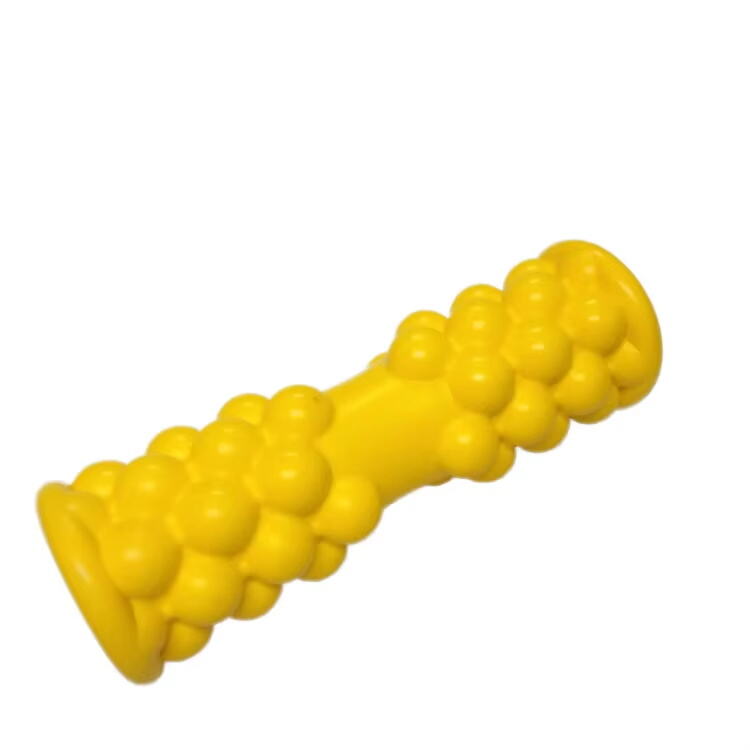
Manufacturing industries worldwide have embraced advanced production techniques to meet growing demands for precision components and cost-effective solutions. Among these innovative approaches, rubber molding stands out as a versatile manufacturing process that delivers exceptional quality while maintaining operational efficiency. This technology has revolutionized how manufacturers create rubber components across automotive, aerospace, medical, and consumer goods sectors. Understanding the comprehensive advantages of rubber molding technology helps businesses make informed decisions about their production strategies and component sourcing requirements.
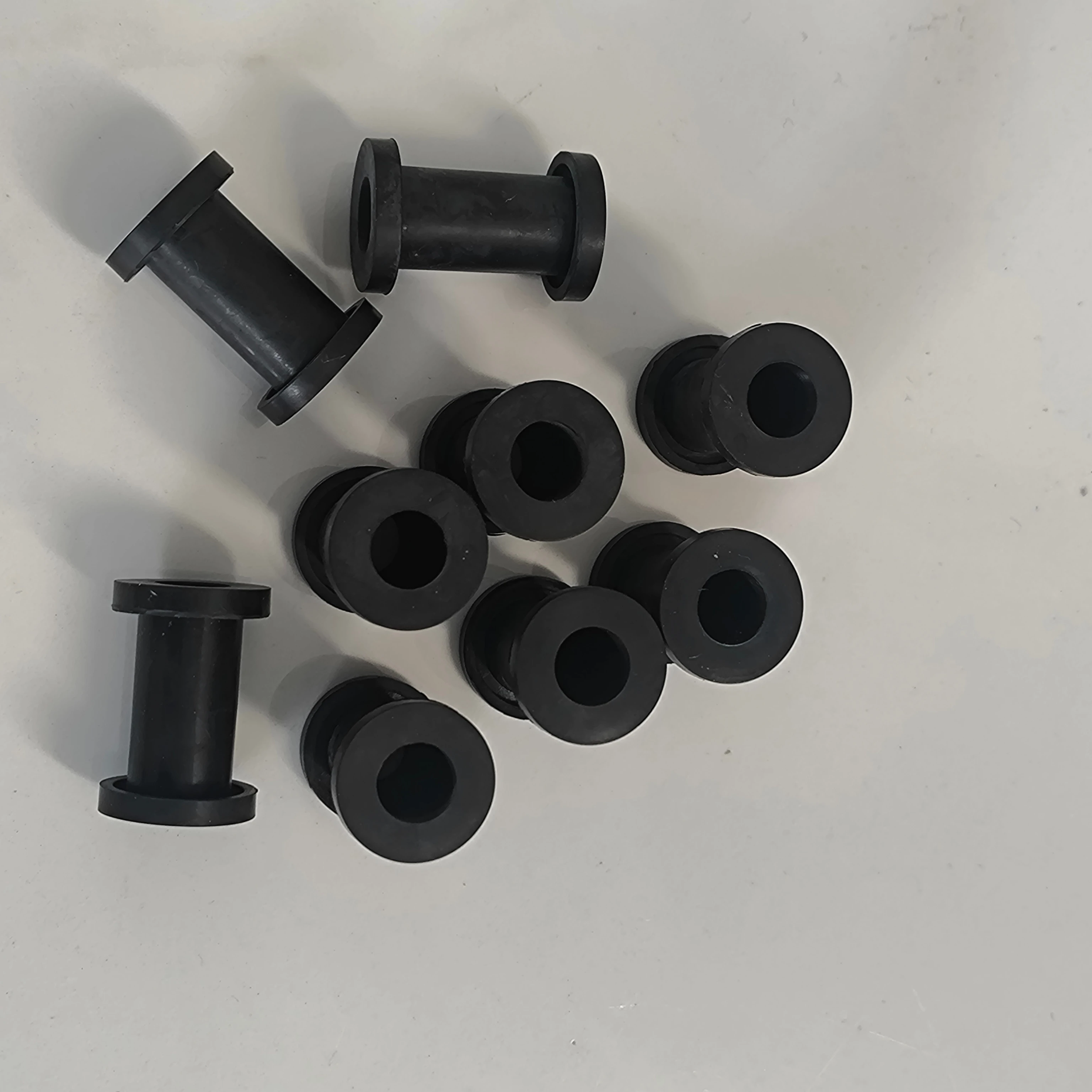
Enhanced Production Efficiency and Scalability
Streamlined Manufacturing Processes
Modern rubber molding techniques significantly reduce production time compared to traditional manufacturing methods. The automated nature of these processes eliminates many manual interventions, allowing for continuous operation cycles that maximize throughput. Manufacturers can produce hundreds or thousands of identical components within shorter timeframes, making rubber molding ideal for high-volume production requirements. The precision control systems integrated into contemporary molding equipment ensure consistent quality standards throughout extended production runs.
Advanced molding machinery incorporates sophisticated temperature and pressure monitoring systems that optimize cycle times without compromising component integrity. These technological improvements enable manufacturers to achieve faster cure rates while maintaining the desired material properties in finished products. The reduced setup times between different product runs further enhance overall equipment effectiveness, contributing to improved return on investment for manufacturing facilities.
Flexible Volume Management
Rubber molding technology accommodates diverse production volume requirements, from prototype development to mass production scenarios. Small-batch manufacturing becomes economically viable through efficient mold changeover procedures and reduced material waste. This flexibility allows companies to respond quickly to market demands and customer specifications without significant capital investments in specialized equipment.
The scalability advantages extend beyond simple volume adjustments to include product variation capabilities within the same production line. Manufacturers can efficiently switch between different component designs using modular mold systems, enabling rapid response to changing customer requirements. This adaptability proves particularly valuable in industries where product lifecycles are short and innovation cycles are accelerated.
Superior Material Properties and Performance
Enhanced Durability Characteristics
Components produced through rubber molding exhibit exceptional durability properties that exceed those achievable through alternative manufacturing methods. The controlled curing environment ensures complete cross-linking of polymer chains, resulting in superior tensile strength, tear resistance, and fatigue performance. These enhanced material characteristics translate directly into longer service life and reduced maintenance requirements for end-use applications.
The uniform heat distribution achieved during the molding process eliminates weak points commonly found in mechanically assembled rubber components. This consistency throughout the material structure provides reliable performance under demanding operating conditions, including extreme temperatures, chemical exposure, and mechanical stress. Industries such as aerospace and automotive particularly benefit from these enhanced durability characteristics in critical applications.
Precision Dimensional Control
Modern rubber molding technology delivers exceptional dimensional accuracy that meets stringent engineering tolerances required in precision applications. The controlled molding environment ensures minimal shrinkage variations and consistent wall thickness throughout complex geometries. This precision capability enables manufacturers to produce components that fit perfectly within assembly systems without requiring secondary machining operations.
Advanced mold design techniques incorporate compensation factors that account for material shrinkage characteristics, ensuring final dimensions match specification requirements precisely. The repeatability achieved through automated processing eliminates human error variables that can affect dimensional consistency in manual production methods. This precision control proves essential for applications requiring tight sealing interfaces or exact mechanical fits.
Cost Optimization and Economic Benefits
Reduced Material Waste
Efficient rubber molding processes minimize material consumption through precise cavity filling and controlled flash generation. Modern injection molding systems calculate exact material volumes required for each component, eliminating excess material usage that increases production costs. The closed-loop nature of these systems also enables recycling of runner materials and rejected components back into the production cycle.
Advanced process monitoring systems detect and correct variations in material flow patterns before they result in defective components, further reducing waste generation. The ability to maintain consistent processing conditions throughout production runs ensures optimal material utilization while maintaining quality standards. These waste reduction benefits compound over high-volume production scenarios, delivering significant cost savings to manufacturing operations.
Labor Cost Efficiency
Automated rubber molding systems require minimal direct labor involvement compared to traditional manufacturing approaches. Operators primarily monitor equipment performance and conduct quality inspections rather than performing repetitive manual tasks. This automation reduces labor costs while improving workplace safety by eliminating exposure to hazardous manual handling operations.
The consistency achieved through automated processing also reduces quality control requirements and rework activities that consume additional labor resources. Predictable process outcomes enable lean manufacturing approaches that optimize workforce allocation across multiple production lines. These labor efficiency improvements contribute substantially to overall manufacturing cost reductions while maintaining or improving product quality standards.
Design Flexibility and Innovation Capabilities
Complex Geometry Achievement
Rubber molding technology enables the creation of intricate component geometries that would be impossible or prohibitively expensive using alternative manufacturing methods. The fluid nature of uncured rubber compounds allows complete filling of detailed mold cavities, producing components with complex internal passages, undercuts, and varying wall thicknesses. This design freedom opens new possibilities for product innovation and functional integration.
Multi-cavity molds enable simultaneous production of different component variations within the same molding cycle, maximizing equipment utilization while accommodating diverse product requirements. The ability to incorporate multiple durometer materials within single components through specialized molding techniques further expands design possibilities. These capabilities support advanced product development initiatives that differentiate manufacturers in competitive markets.
Rapid Prototyping Integration
Modern rubber molding processes integrate seamlessly with rapid prototyping workflows, enabling faster product development cycles. Soft tooling options allow engineers to evaluate design concepts using production-representative materials without investing in expensive production molds. This capability accelerates innovation timelines while reducing development risks associated with new product introductions.
Computer-aided design tools interface directly with molding equipment, enabling rapid translation of design concepts into physical components for testing and validation. The ability to iterate designs quickly using actual production materials provides valuable insights that improve final product performance. This integration between design and manufacturing processes supports concurrent engineering approaches that compress overall development timelines.
Quality Assurance and Reliability Standards
Consistent Process Control
Rubber molding technology incorporates sophisticated process monitoring systems that ensure consistent quality output throughout production runs. Real-time measurement of critical parameters such as temperature, pressure, and cure time enables immediate detection and correction of process variations. This proactive quality management approach prevents defective components from reaching customers while maintaining efficient production flows.
Statistical process control integration provides detailed documentation of quality trends and process capability metrics that support continuous improvement initiatives. The data generated through these monitoring systems enables predictive maintenance scheduling that minimizes unplanned downtime while optimizing equipment performance. These quality assurance capabilities prove essential for industries with stringent regulatory requirements such as medical devices and aerospace applications.
Traceability and Documentation
Advanced rubber molding systems maintain comprehensive production records that provide complete traceability for manufactured components. Batch tracking capabilities link finished products to specific raw material lots, processing conditions, and quality test results. This documentation proves invaluable for regulatory compliance and customer quality audits while supporting root cause analysis of any field performance issues.
Automated data collection eliminates transcription errors common in manual record-keeping systems while ensuring complete documentation of all critical process parameters. The integration of quality management systems with production equipment provides seamless information flow that supports enterprise-wide quality initiatives. These traceability capabilities enable manufacturers to demonstrate product integrity and support warranty claims effectively.
Environmental and Sustainability Advantages
Energy Efficiency Improvements
Contemporary rubber molding equipment incorporates energy-efficient heating systems and insulation technologies that reduce overall power consumption compared to older manufacturing methods. Precise temperature control minimizes energy waste while maintaining optimal processing conditions for consistent product quality. These efficiency improvements contribute to reduced operating costs and smaller environmental footprints for manufacturing operations.
Advanced process optimization software calculates optimal cure cycles that minimize energy consumption while ensuring complete material crosslinking. The ability to process multiple components simultaneously within shared heating zones further improves energy utilization efficiency. These technological advances align with corporate sustainability initiatives while delivering measurable cost reductions in manufacturing operations.
Reduced Chemical Emissions
Modern rubber molding processes incorporate emission control systems that capture and treat volatile compounds released during curing operations. Closed-loop processing minimizes atmospheric releases while maintaining safe working environments for production personnel. These environmental protection measures exceed regulatory requirements while demonstrating corporate responsibility commitments to stakeholders.
The precision control achieved through automated processing reduces overcuring that can generate excessive volatile emissions while maintaining required material properties. Advanced ventilation systems ensure complete capture of process emissions for proper treatment before atmospheric release. These environmental benefits support green manufacturing initiatives while maintaining compliance with increasingly stringent environmental regulations.
FAQ
What types of rubber materials work best with molding technology
Rubber molding technology accommodates a wide range of elastomeric materials including natural rubber, synthetic rubbers, silicone compounds, and thermoplastic elastomers. Each material type offers specific performance characteristics suitable for different applications. Silicone rubbers provide excellent temperature resistance and biocompatibility, making them ideal for medical and food-grade applications. EPDM rubbers offer superior weather resistance for outdoor applications, while nitrile rubbers provide excellent oil and fuel resistance for automotive applications. The selection depends on the specific performance requirements of the final application.
How does rubber molding compare to other manufacturing methods in terms of cost
Rubber molding typically offers lower per-unit costs for medium to high-volume production compared to machining or assembly methods. While initial tooling costs may be higher, the automated nature of molding processes reduces labor costs and material waste significantly. The ability to produce complex geometries in single operations eliminates secondary processing steps that add costs in alternative manufacturing approaches. For high-volume applications, rubber molding provides the most economical solution while maintaining superior quality consistency.
What quality control measures ensure consistent product performance
Modern rubber molding operations employ multiple quality control measures including real-time process monitoring, automated inspection systems, and statistical process control methods. Temperature and pressure sensors continuously monitor molding conditions to ensure optimal processing parameters. Automated dimensional inspection systems verify component accuracy immediately after molding, while material testing confirms physical properties meet specification requirements. These integrated quality systems provide comprehensive assurance of product consistency and reliability.
Can rubber molding technology handle custom designs and prototypes
Yes, rubber molding technology readily accommodates custom designs through flexible tooling options and rapid prototyping capabilities. Soft tooling methods enable cost-effective prototype production using production-representative materials. Computer-aided design integration allows rapid translation of custom specifications into manufacturable components. The ability to produce small quantities economically makes rubber molding ideal for prototype development and low-volume custom applications while maintaining scalability for future production increases.