
 EN
EN



Selecting the right manufacturing process for packaging solutions requires careful consideration of multiple factors including cost efficiency, production volume, material properties, and end-use requirements. Blow molding stands as one of the most versatile and widely adopted manufacturing techniques for creating hollow plastic containers, bottles, and packaging components across various industries. This comprehensive manufacturing process offers exceptional design flexibility while maintaining cost-effectiveness for both small-scale prototyping and large-volume production runs. Understanding the intricacies of blow molding technology enables manufacturers and product designers to make informed decisions that optimize both performance and profitability in their packaging applications.
Understanding Blow Molding Fundamentals
Core Process Mechanics
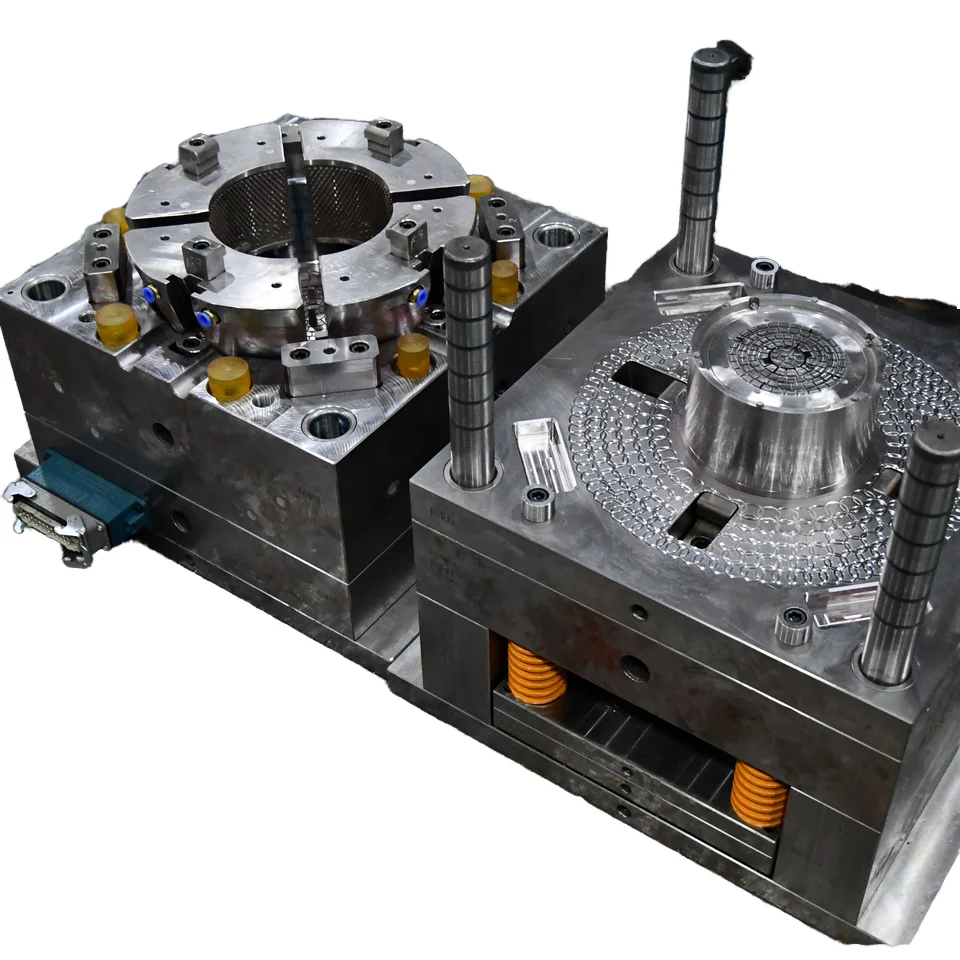
The blow molding process involves heating thermoplastic materials to their melting point and forming them into hollow shapes through controlled air pressure application. This manufacturing technique begins with creating a parison or preform, which serves as the initial plastic tube or bottle-shaped component. The heated plastic material is then placed within a specially designed mold cavity where compressed air inflates the material until it conforms to the internal mold surfaces. Temperature control throughout this process remains critical for achieving consistent wall thickness and optimal material properties in the finished packaging product.
Different variations of blow molding accommodate specific production requirements and material characteristics. Extrusion blow molding utilizes continuous plastic extrusion to create parisons that are subsequently inflated within closed molds. Injection blow molding combines injection molding techniques with blow molding to achieve superior dimensional accuracy and surface finish quality. Stretch blow molding incorporates biaxial stretching during the inflation process, resulting in enhanced material strength and clarity particularly beneficial for beverage container applications.
Material Compatibility and Selection
Thermoplastic materials compatible with blow molding processes include polyethylene terephthalate, high-density polyethylene, polypropylene, and various specialty polymers designed for specific packaging requirements. Each material offers distinct advantages regarding chemical resistance, barrier properties, transparency, and mechanical strength characteristics. Polyethylene variants provide excellent chemical resistance and impact strength, making them ideal for household product containers and industrial packaging applications. PET materials deliver superior clarity and gas barrier properties essential for food and beverage packaging where product preservation remains paramount.
Material selection directly influences processing parameters including heating temperatures, cooling rates, and pressure requirements during the molding cycle. Advanced polymer formulations incorporate additives such as UV stabilizers, antioxidants, and colorants that enhance product performance while maintaining processability through blow molding equipment. Understanding material behavior during heating and forming stages enables manufacturers to optimize processing conditions for consistent quality outcomes and reduced production waste.
Production Volume Considerations
Small to Medium Volume Applications
Blow molding technology accommodates diverse production volume requirements from prototype development through medium-scale manufacturing operations. Small volume applications benefit from the relatively low tooling costs associated with blow molding compared to alternative manufacturing processes such as injection molding or thermoforming. Single-cavity molds enable cost-effective production of specialized packaging components where design flexibility and rapid iteration cycles provide competitive advantages. Custom packaging solutions for niche markets often utilize blow molding to achieve unique container shapes and features that differentiate products in crowded marketplace segments.
Medium volume production runs leverage multi-cavity tooling to increase output rates while maintaining reasonable per-unit manufacturing costs. Cycle times for blow molding operations typically range from thirty seconds to several minutes depending on part complexity, wall thickness requirements, and cooling specifications. Production planning must account for material handling systems, quality control procedures, and finishing operations that impact overall manufacturing efficiency and product consistency throughout extended production campaigns.
High Volume Manufacturing Strategies
Large-scale blow molding operations employ sophisticated automation systems and multi-station equipment to maximize production throughput while minimizing labor requirements. High-speed extrusion blow molding lines can produce thousands of containers per hour through continuous parison formation and sequential mold cycling. Advanced process control systems monitor critical parameters including temperature profiles, pressure settings, and timing sequences to ensure consistent product quality across extended production runs. Statistical process control methodologies help identify trends and variations that might impact product specifications or manufacturing efficiency.
Investment considerations for high-volume blow molding include equipment acquisition costs, facility infrastructure requirements, and ongoing maintenance expenses associated with complex automated systems. Energy consumption patterns for heating systems, compressed air generation, and cooling equipment significantly impact operational costs in large-scale manufacturing environments. Lean manufacturing principles applied to blow molding operations can reduce waste, optimize material utilization, and improve overall equipment effectiveness through systematic process improvements and operator training programs.
Design Flexibility and Customization Options
Container Shape and Size Variations
Blow molding excels in creating complex container geometries that would be challenging or impossible to achieve through other manufacturing processes. The inflatable nature of the forming process allows for intricate internal features, undercuts, and variable wall thickness distributions that enhance both functional performance and aesthetic appeal. Container volumes can range from small pharmaceutical vials of few milliliters to large industrial containers exceeding one hundred liters capacity. Shape complexity includes ergonomic handles, integrated dispensing features, and decorative surface textures that provide tactile and visual product differentiation.
Advanced mold design techniques enable the creation of containers with integrated labeling areas, measurement markings, and brand identification elements directly formed into the packaging structure. Multi-layer blow molding technology produces containers with barrier layers, recycled content cores, or specialized functional coatings while maintaining the design flexibility inherent in the basic forming process. These capabilities allow packaging designers to optimize container performance for specific product requirements while maintaining cost-effective manufacturing through proven blow molding technologies.
Surface Finishing and Decoration Integration
Surface quality achieved through blow molding processes can range from utilitarian industrial finishes to high-gloss cosmetic appearances suitable for premium consumer products. Mold surface treatments including texturing, polishing, and specialized coatings transfer directly to the formed container surfaces during the molding process. In-mold labeling techniques integrate printed graphics and product information directly into the container structure, eliminating secondary labeling operations while ensuring permanent decoration that resists wear and environmental exposure.
Post-molding decoration options include screen printing, heat transfer labeling, and sleeve application processes that provide additional customization opportunities for marketing and branding requirements. Hot stamping and pad printing techniques add metallic accents, fine detail graphics, or variable data printing capabilities to blow molded containers. These finishing options must be evaluated against production volume requirements, cost constraints, and end-use performance specifications to determine optimal decoration strategies for specific packaging applications.
Cost Analysis and Economic Factors
Initial Investment Requirements
Blow molding equipment costs vary significantly based on production capacity, automation levels, and specialized feature requirements. Entry-level single-station machines suitable for prototype development and low-volume production typically require initial investments ranging from fifty thousand to two hundred thousand dollars. Mid-range production systems incorporating multi-cavity tooling and automated handling capabilities represent investments of several hundred thousand dollars. High-speed automated production lines for large-volume manufacturing can exceed one million dollars in equipment costs alone.
Tooling costs for blow molding applications generally remain lower than comparable injection molding tooling due to reduced complexity and pressure requirements. Single-cavity prototype molds can cost between five thousand and twenty thousand dollars depending on part complexity and material requirements. Production tooling for multi-cavity applications ranges from twenty thousand to one hundred thousand dollars based on cavity count, precision requirements, and specialized features such as hot runner systems or automated degating mechanisms.
Operational Cost Considerations
Operating expenses for blow molding operations include raw material costs, energy consumption, labor requirements, and maintenance expenses that impact overall production economics. Material costs typically represent the largest component of manufacturing expenses, making material utilization efficiency and waste reduction critical factors in maintaining competitive production costs. Energy costs for heating systems, compressed air generation, and facility conditioning can significantly impact operational profitability, particularly in regions with high utility rates or during extended production campaigns.
Labor requirements vary based on automation levels and production complexity, with highly automated systems requiring fewer operators but demanding higher skill levels for setup and troubleshooting activities. Maintenance costs include scheduled preventive maintenance, replacement part inventories, and periodic tooling refurbishment to maintain production quality and equipment reliability. These ongoing expenses must be factored into long-term cost projections and pricing strategies to ensure sustainable manufacturing operations and competitive market positioning.
Quality Control and Performance Standards
Dimensional Accuracy and Consistency
Quality control in blow molding operations focuses on maintaining consistent dimensional accuracy, wall thickness distribution, and surface quality across production runs. Dimensional variation can result from temperature fluctuations, pressure inconsistencies, or material property variations that affect the forming process. Advanced measurement systems including laser scanning and coordinate measurement machines provide rapid feedback on critical dimensions and geometric tolerances to ensure compliance with packaging specifications and customer requirements.
Wall thickness monitoring represents a critical quality parameter affecting both container performance and material utilization efficiency. Ultrasonic thickness measurement systems enable non-destructive evaluation of wall thickness distribution patterns that influence container strength, barrier properties, and overall functional performance. Statistical process control charts track thickness variations over time to identify trends that might indicate process drift or equipment wear requiring corrective action to maintain consistent product quality.
Performance Testing and Validation
Comprehensive testing protocols validate blow molded container performance under simulated use conditions including drop testing, pressure testing, and environmental exposure evaluation. Burst strength testing determines maximum internal pressure capacity while top load testing evaluates stacking strength for transportation and storage applications. Chemical compatibility testing ensures container materials remain stable when exposed to packaged products, preventing contamination or package failure during extended shelf life periods.
Accelerated aging tests simulate long-term environmental exposure including temperature cycling, UV radiation, and humidity variations that containers may encounter during distribution and storage. These validation procedures help identify potential failure modes and establish appropriate safety margins for container design specifications. Performance data generated through testing programs provides documentation required for regulatory compliance and customer approval processes in regulated industries such as pharmaceuticals and food packaging.
FAQ
What types of products are best suited for blow molding manufacturing
Blow molding excels in manufacturing hollow containers and packaging components including bottles, jars, tanks, automotive components, and medical devices. The process works particularly well for products requiring complex internal geometries, integrated handles, or variable wall thickness distributions. Applications range from small pharmaceutical containers to large industrial tanks, with optimal results achieved when product designs take advantage of the inherent strengths of the forming process such as seamless construction and design flexibility.
How does blow molding compare to injection molding for packaging applications
Blow molding offers advantages in tooling costs, design flexibility for hollow parts, and the ability to create large containers efficiently, while injection molding provides superior dimensional accuracy and surface finish quality for solid components. Blow molding typically requires lower initial investment for tooling and equipment, making it more suitable for medium-volume production or applications requiring frequent design changes. The choice between processes depends on part geometry, production volume, dimensional requirements, and cost objectives for specific packaging applications.
What material options are available for blow molding processes
Common thermoplastic materials for blow molding include polyethylene, polypropylene, PET, PVC, and specialty polymers designed for specific performance requirements. Material selection depends on factors such as chemical compatibility, barrier properties, transparency requirements, and regulatory compliance needs. Advanced material formulations incorporate recycled content, barrier layers, or specialized additives to enhance performance characteristics while maintaining processability through standard blow molding equipment and procedures.
How can manufacturers optimize blow molding operations for better efficiency
Optimization strategies include proper material handling and drying procedures, precise temperature control throughout the heating and forming processes, and implementation of statistical process control systems to monitor critical parameters. Regular maintenance schedules, operator training programs, and systematic troubleshooting procedures help maintain consistent production quality while minimizing downtime and waste generation. Advanced process monitoring systems provide real-time feedback enabling immediate adjustments to maintain optimal operating conditions throughout extended production campaigns.