
 EN
EN



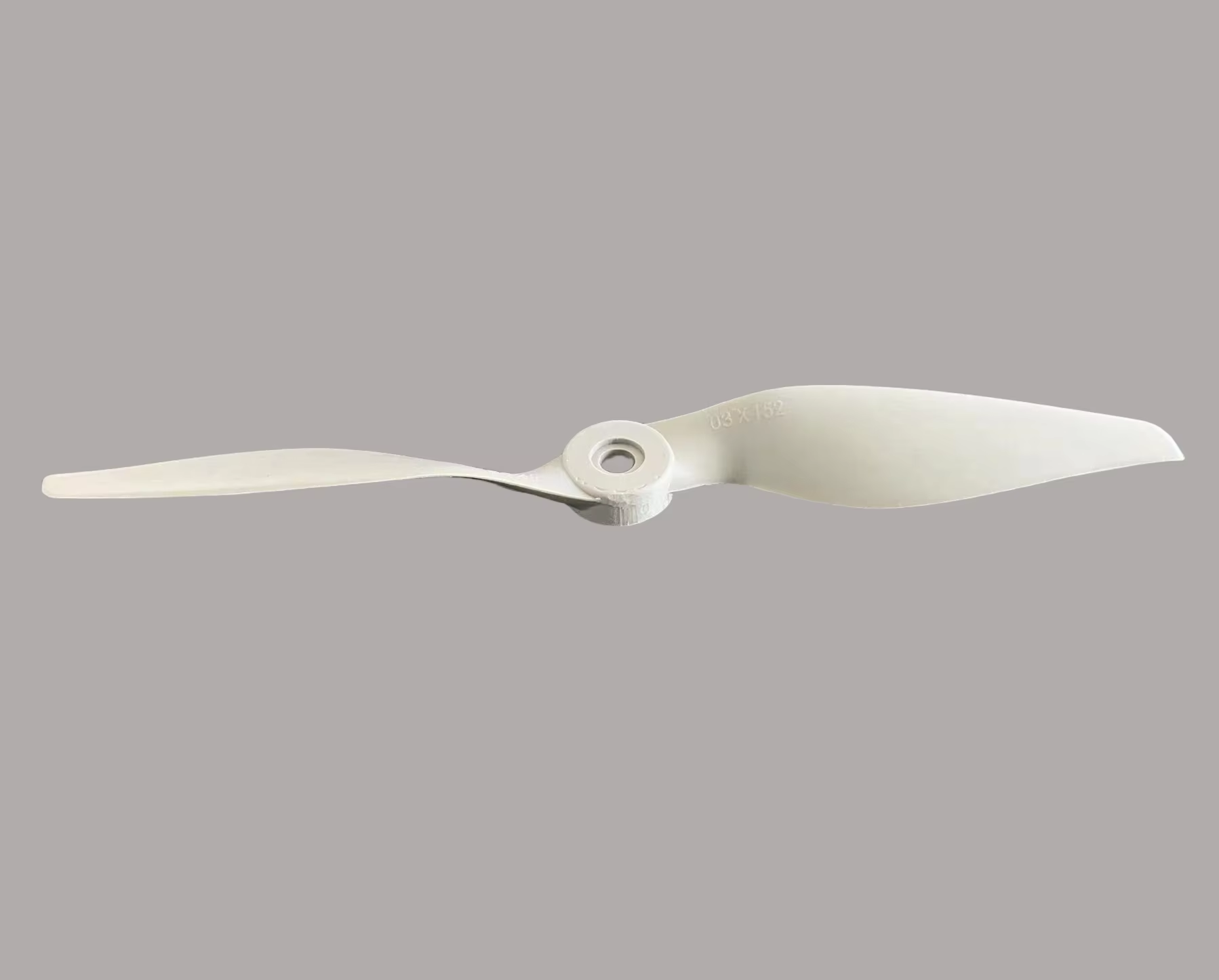
Silicone molding has emerged as a cornerstone technology in modern manufacturing, delivering exceptional performance across diverse industries from medical devices to consumer electronics. This versatile manufacturing process combines advanced polymer science with precision engineering to create products that withstand extreme conditions while maintaining safety standards. The unique properties of silicone materials, coupled with sophisticated molding techniques, enable manufacturers to produce components that meet stringent durability requirements and regulatory compliance standards across multiple sectors.
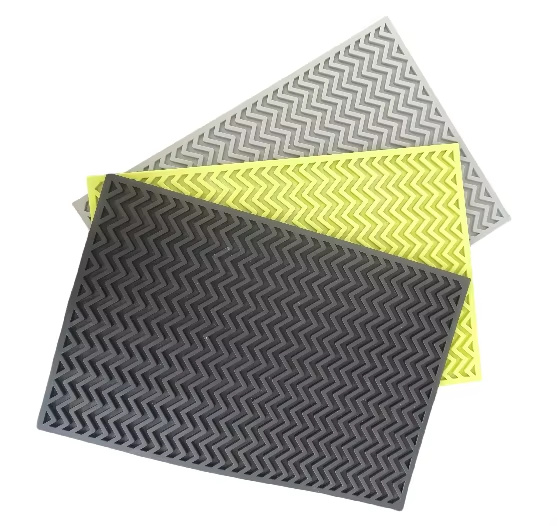
Understanding the Fundamentals of Silicone Material Properties
Chemical Structure and Molecular Stability
The exceptional durability of silicone molding stems from its unique chemical composition, featuring silicon-oxygen bonds that provide remarkable stability under various environmental conditions. Unlike carbon-based polymers, silicone polymers resist degradation from ultraviolet radiation, extreme temperatures, and chemical exposure. This molecular structure creates a flexible yet robust material that maintains its properties across temperature ranges from -65°C to 250°C, making it ideal for demanding applications where conventional plastics fail.
The cross-linked polymer network formed during the silicone molding process enhances mechanical properties while preserving flexibility. This three-dimensional structure distributes stress evenly throughout the material, preventing crack propagation and extending service life. The inherent stability of silicon-oxygen bonds means that silicone products resist oxidation, ozone attack, and weathering effects that commonly compromise other elastomeric materials.
Thermal and Mechanical Performance Characteristics
Silicone materials demonstrate exceptional thermal stability, maintaining elasticity and strength across extreme temperature variations without becoming brittle or losing structural integrity. This thermal performance makes silicone molding particularly valuable for automotive gaskets, aerospace seals, and industrial components exposed to thermal cycling. The low thermal conductivity of silicone also provides excellent insulation properties, protecting sensitive components from temperature fluctuations.
Mechanical properties of molded silicone parts include excellent tear resistance, compression set resistance, and fatigue endurance. These characteristics ensure that gaskets maintain sealing effectiveness over millions of compression cycles, while flexible components retain their shape and function despite repeated flexing. The viscoelastic properties of silicone allow for stress relaxation, reducing internal stresses that could lead to premature failure in rigid materials.
Safety Standards and Regulatory Compliance in Manufacturing
Medical Grade Certification Requirements
Medical grade silicone molding must comply with stringent biocompatibility standards, including USP Class VI, ISO 10993, and FDA regulations for medical devices. These certifications require extensive testing for cytotoxicity, sensitization, and implantation responses to ensure patient safety. Manufacturing facilities must maintain cleanroom environments and implement rigorous quality control procedures to prevent contamination during the molding process.
The validation process for medical silicone products involves comprehensive documentation of raw materials, processing parameters, and final product testing. Traceability systems track each batch from raw material receipt through final inspection, ensuring complete accountability for quality and safety. Regular audits by regulatory bodies verify compliance with current Good Manufacturing Practices (cGMP) and Quality System Regulations.
Food Contact Safety Protocols
Food-safe silicone molding requires adherence to FDA Food Contact Substance regulations and European Union Framework Regulation 1935/2004. These standards mandate specific migration testing to ensure that no harmful substances transfer from silicone products to food items. Testing protocols evaluate migration levels under various conditions, including elevated temperatures and extended contact times that simulate real-world usage scenarios.
Quality assurance programs for food-contact silicone products include regular testing for volatile organic compounds, heavy metals, and extractable substances. Manufacturing processes must eliminate potential contaminants while maintaining the integrity of the silicone matrix. Certification bodies conduct periodic inspections to verify compliance with Hazard Analysis Critical Control Points (HACCP) systems and food safety management standards.
Advanced Molding Techniques for Enhanced Durability
Compression Molding Optimization Methods
Compression molding represents the most widely used technique for producing durable silicone components, utilizing precise temperature and pressure control to achieve optimal crosslinking density. The process involves placing uncured silicone compound into heated molds where controlled pressure ensures complete cavity filling and uniform density distribution. Advanced temperature profiling prevents overcuring at surface layers while ensuring complete crosslinking throughout the part thickness.
Modern compression molding systems incorporate real-time monitoring of cure progression using dielectric sensors and rheological measurements. These technologies enable precise control of crosslinking kinetics, optimizing mechanical properties while minimizing cycle times. Automated demolding systems reduce handling damage and maintain dimensional consistency across production runs, contributing to enhanced durability through reduced stress concentrations.
Injection Molding Precision Controls
Liquid silicone rubber (LSR) injection molding employs sophisticated metering systems and heated tool technology to produce complex geometries with exceptional dimensional accuracy. The process utilizes platinum-catalyzed addition cure chemistry, enabling rapid crosslinking at elevated temperatures while eliminating volatile byproducts that could compromise material properties. Precise injection pressure control prevents flash formation and ensures complete cavity filling without introducing air entrapment.
Advanced injection molding systems feature closed-loop temperature control and automated mixing ratios to maintain consistent cure characteristics. Multi-cavity tooling designs incorporate balanced runner systems and sequential valve gating to ensure uniform filling patterns across all cavities. Post-curing protocols remove residual catalyst and optimize crosslink density, maximizing the durability and performance of finished components.
Quality Control Systems and Testing Protocols
Non-Destructive Testing Methods
Non-destructive evaluation techniques for silicone molded parts include ultrasonic testing, X-ray inspection, and optical microscopy to detect internal defects without compromising product integrity. Ultrasonic testing identifies delaminations, voids, and density variations that could affect long-term durability. These methods enable 100% inspection of critical components while maintaining production efficiency and cost-effectiveness.
Advanced imaging systems utilize computed tomography and magnetic resonance imaging to provide detailed internal structure analysis of complex silicone assemblies. These technologies detect subtle defects such as incomplete bonding, foreign inclusions, and dimensional irregularities that traditional inspection methods might miss. Automated defect recognition software enhances inspection reliability while reducing operator dependence and inspection time.
Accelerated Aging and Environmental Testing
Accelerated aging protocols simulate years of service life in compressed timeframes, evaluating how silicone molding performs under accelerated thermal, UV, and chemical exposure conditions. These tests predict long-term durability by subjecting samples to elevated stress levels while monitoring key performance parameters such as tensile strength, elongation, and hardness retention. Statistical analysis of test results enables reliable service life predictions and warranty determinations.
Environmental testing chambers replicate specific application conditions, including temperature cycling, humidity exposure, and chemical contact scenarios. Specialized test fixtures maintain constant stress levels during environmental exposure, simulating real-world loading conditions that components experience in service. Data logging systems continuously monitor test parameters and sample responses, providing comprehensive documentation for regulatory submissions and customer validation requirements.
Industry Applications and Performance Benefits
Automotive Sector Implementation
Automotive applications of silicone molding include engine gaskets, weatherstripping, and electrical connectors that must withstand extreme temperature variations and chemical exposure from fuels and lubricants. The durability advantages of silicone molding enable extended service intervals and reduced maintenance requirements, contributing to overall vehicle reliability and customer satisfaction. Advanced formulations resist swelling in automotive fluids while maintaining sealing effectiveness over vehicle lifetime expectations.
Electric vehicle applications particularly benefit from silicone molding capabilities, as battery thermal management systems require materials that maintain properties across wide temperature ranges while providing electrical insulation. Silicone gaskets and seals protect sensitive electronic components from moisture ingress and thermal stress, ensuring safe operation of high-voltage battery systems. The flame-retardant properties of specialized silicone compounds enhance vehicle safety while meeting increasingly stringent automotive standards.
Healthcare and Medical Device Applications
Medical device manufacturers rely on silicone molding for implantable devices, surgical instruments, and diagnostic equipment that require biocompatibility and long-term stability within the human body. The inert nature of medical-grade silicone prevents adverse tissue reactions while maintaining mechanical properties throughout implant lifetime. Sterilization compatibility ensures that devices maintain safety and efficacy through multiple reprocessing cycles using steam, gamma radiation, or ethylene oxide methods.
Drug delivery systems utilize silicone molding for controlled-release applications where precise permeability characteristics enable predictable medication dosing over extended periods. The chemical resistance of silicone prevents drug degradation while maintaining barrier properties that protect active pharmaceutical ingredients from environmental factors. Regulatory compliance documentation supports FDA approval processes for new medical devices incorporating silicone components.
FAQ
What makes silicone molding more durable than other polymer processing methods
Silicone molding creates superior durability through its unique crosslinked polymer structure that resists degradation from heat, UV exposure, and chemical attack. The silicon-oxygen backbone provides inherent stability that maintains mechanical properties over extended service life, while the molding process ensures uniform density and optimal crosslinking throughout the part. This combination results in components that outperform conventional thermoplastics and thermosets in demanding applications.
How do safety certifications impact silicone molding processes
Safety certifications require stringent process controls including validated cure cycles, contamination prevention protocols, and comprehensive testing procedures that verify compliance with regulatory standards. Manufacturing facilities must maintain documented quality systems that ensure consistent product safety through raw material qualification, process validation, and final product testing. These requirements drive continuous improvement in molding techniques and quality assurance practices.
What testing methods verify the long-term reliability of silicone molded parts
Reliability testing combines accelerated aging protocols with real-time environmental exposure studies to predict service life performance under actual operating conditions. Advanced testing includes thermal cycling, UV exposure, chemical resistance evaluation, and mechanical fatigue analysis that simulate years of service in compressed timeframes. Statistical analysis of test results enables confident predictions of component reliability and helps optimize formulations for specific applications.
How does silicone molding maintain safety standards across different industries
Cross-industry safety compliance requires adherence to multiple regulatory frameworks including FDA food contact regulations, medical device standards, automotive specifications, and aerospace requirements. Manufacturing systems must demonstrate capability to produce materials meeting diverse certification requirements through validated processes, comprehensive testing, and detailed documentation systems. Regular audits and continuous monitoring ensure ongoing compliance with evolving safety standards across all target markets.
Table of Contents
- Understanding the Fundamentals of Silicone Material Properties
- Safety Standards and Regulatory Compliance in Manufacturing
- Advanced Molding Techniques for Enhanced Durability
- Quality Control Systems and Testing Protocols
- Industry Applications and Performance Benefits
-
FAQ
- What makes silicone molding more durable than other polymer processing methods
- How do safety certifications impact silicone molding processes
- What testing methods verify the long-term reliability of silicone molded parts
- How does silicone molding maintain safety standards across different industries