rubber overmolding
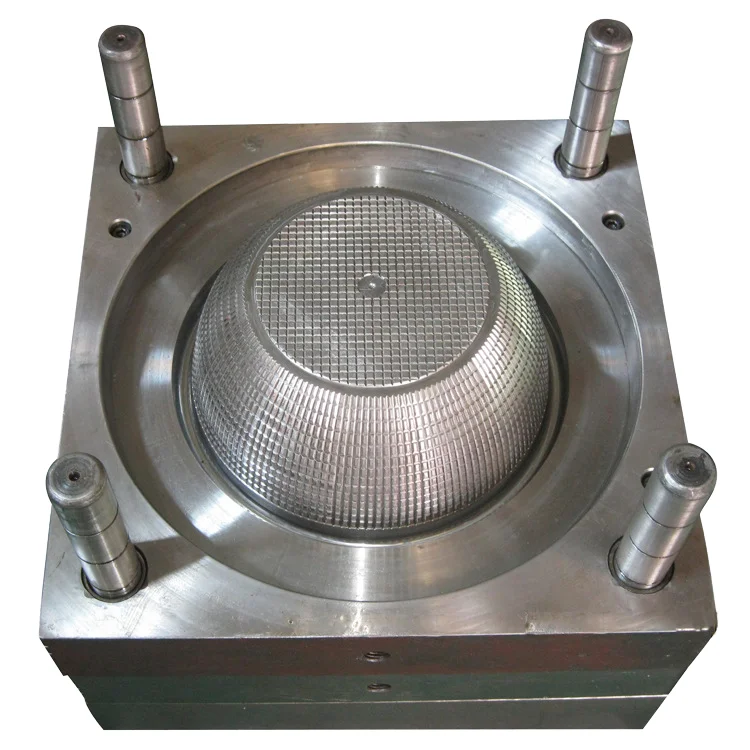
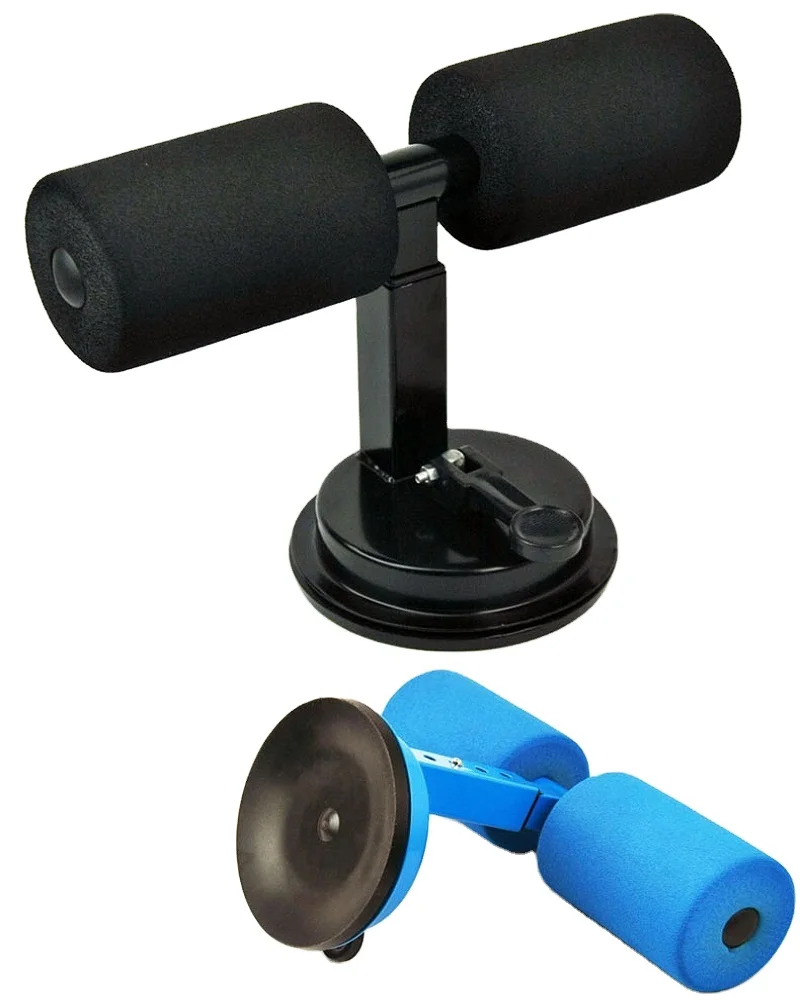
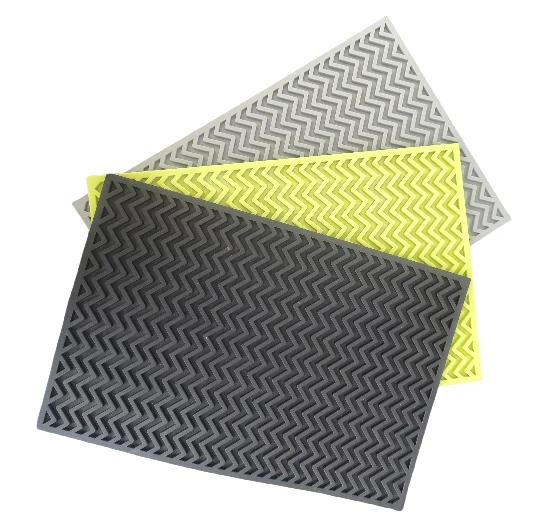
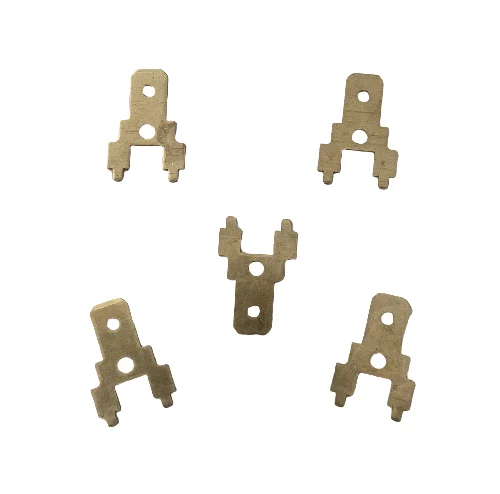
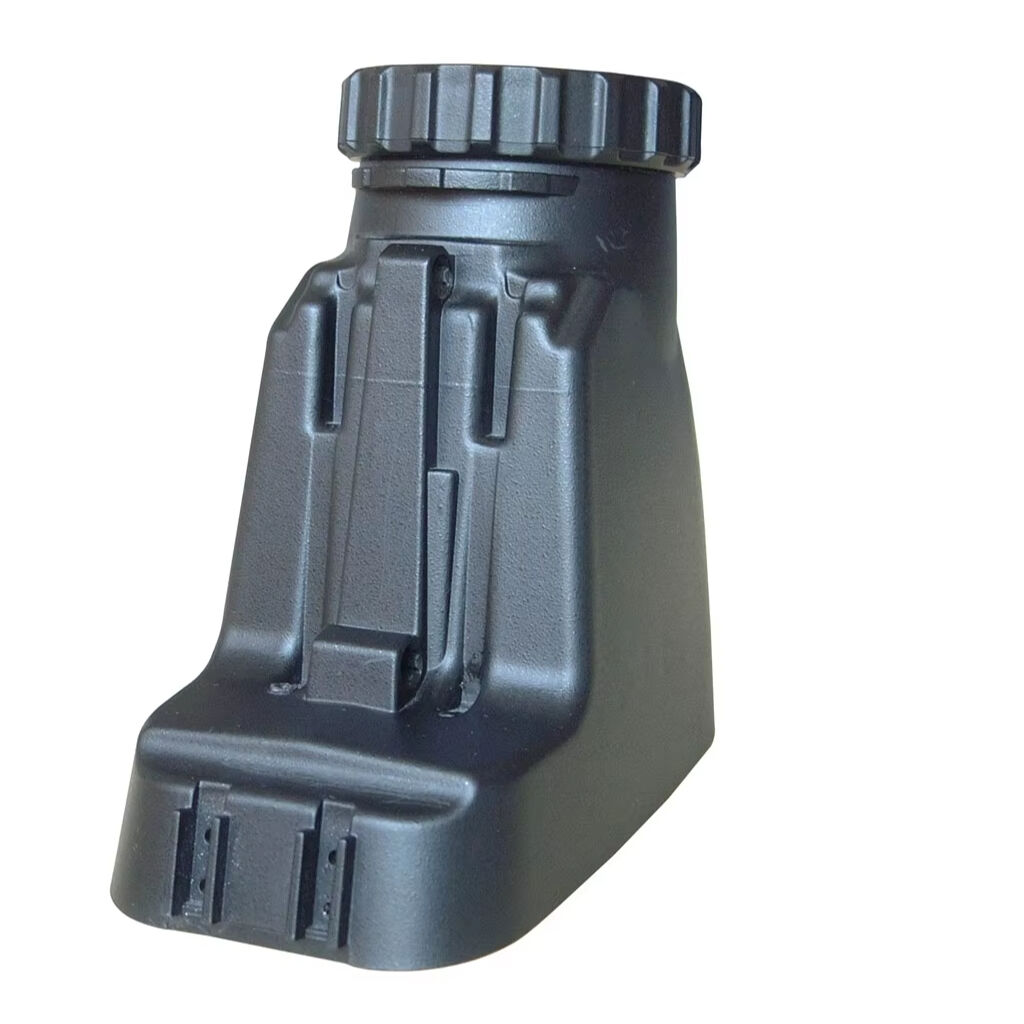
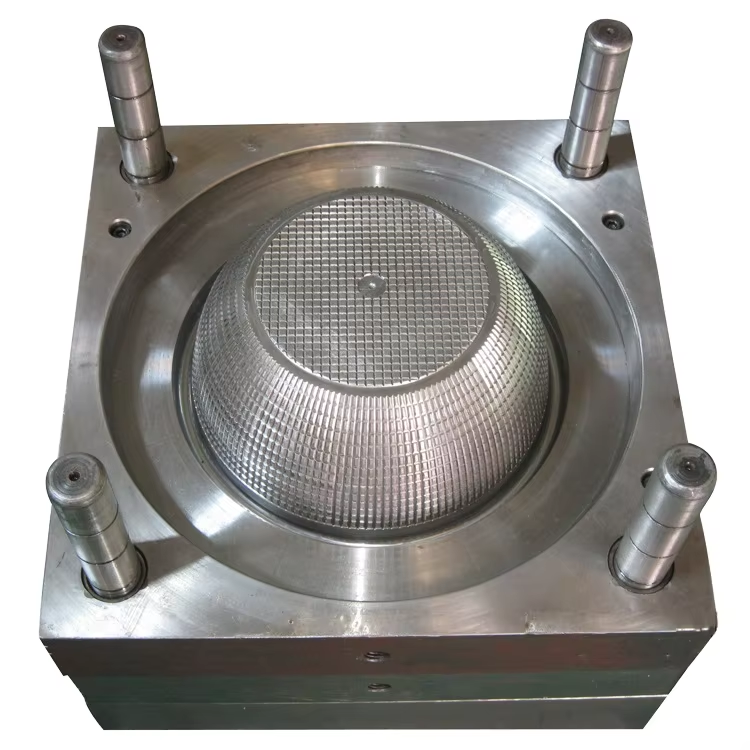
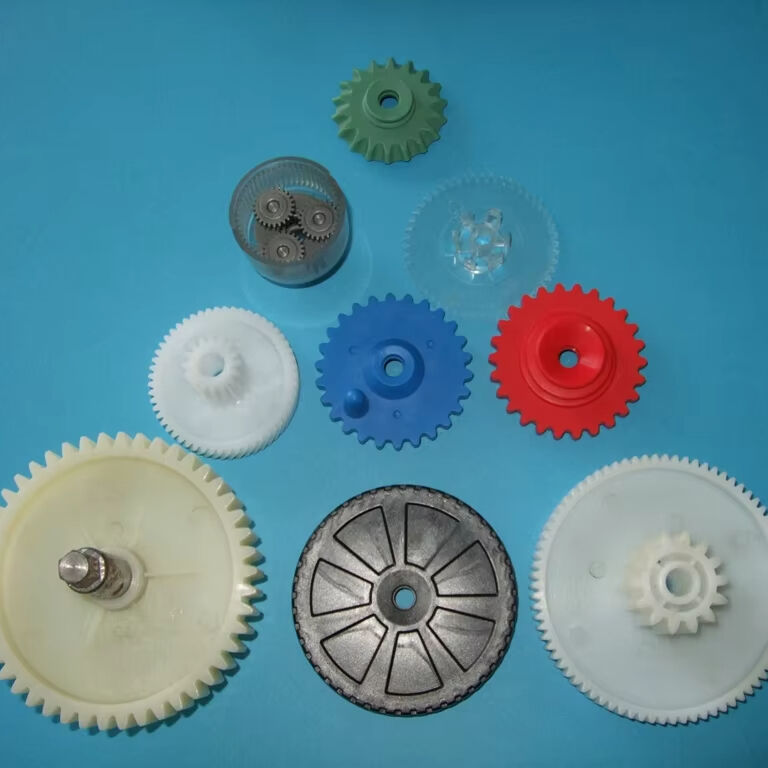
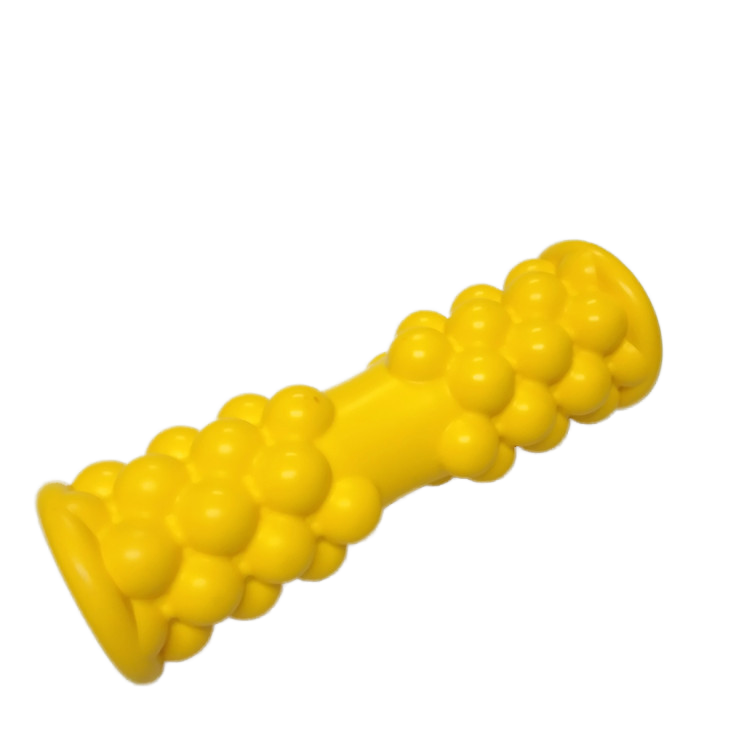
Rubber overmolding is an advanced manufacturing process that combines multiple materials to create complex, durable products. This innovative technique involves injecting liquid rubber material over a pre-formed substrate, typically plastic or metal, resulting in a seamless bond between the two materials. The process begins with the creation of a base component, which is then placed into a specially designed mold. Liquid rubber is then injected into the mold cavity, forming a protective layer that adheres permanently to the substrate. The rubber component cures and solidifies, creating a strong, integrated product that benefits from the properties of both materials. This versatile manufacturing method finds extensive applications across various industries, including automotive parts, consumer electronics, medical devices, and industrial equipment. The process allows for customization in terms of hardness, texture, and color of the rubber component, while maintaining precise dimensional accuracy and consistency in production. Rubber overmolding significantly enhances product functionality by providing improved grip, vibration dampening, impact resistance, and environmental sealing. The technology has evolved to accommodate increasingly complex designs and demanding applications, making it an essential solution for modern manufacturing challenges.

 EN
EN