
 EN
EN



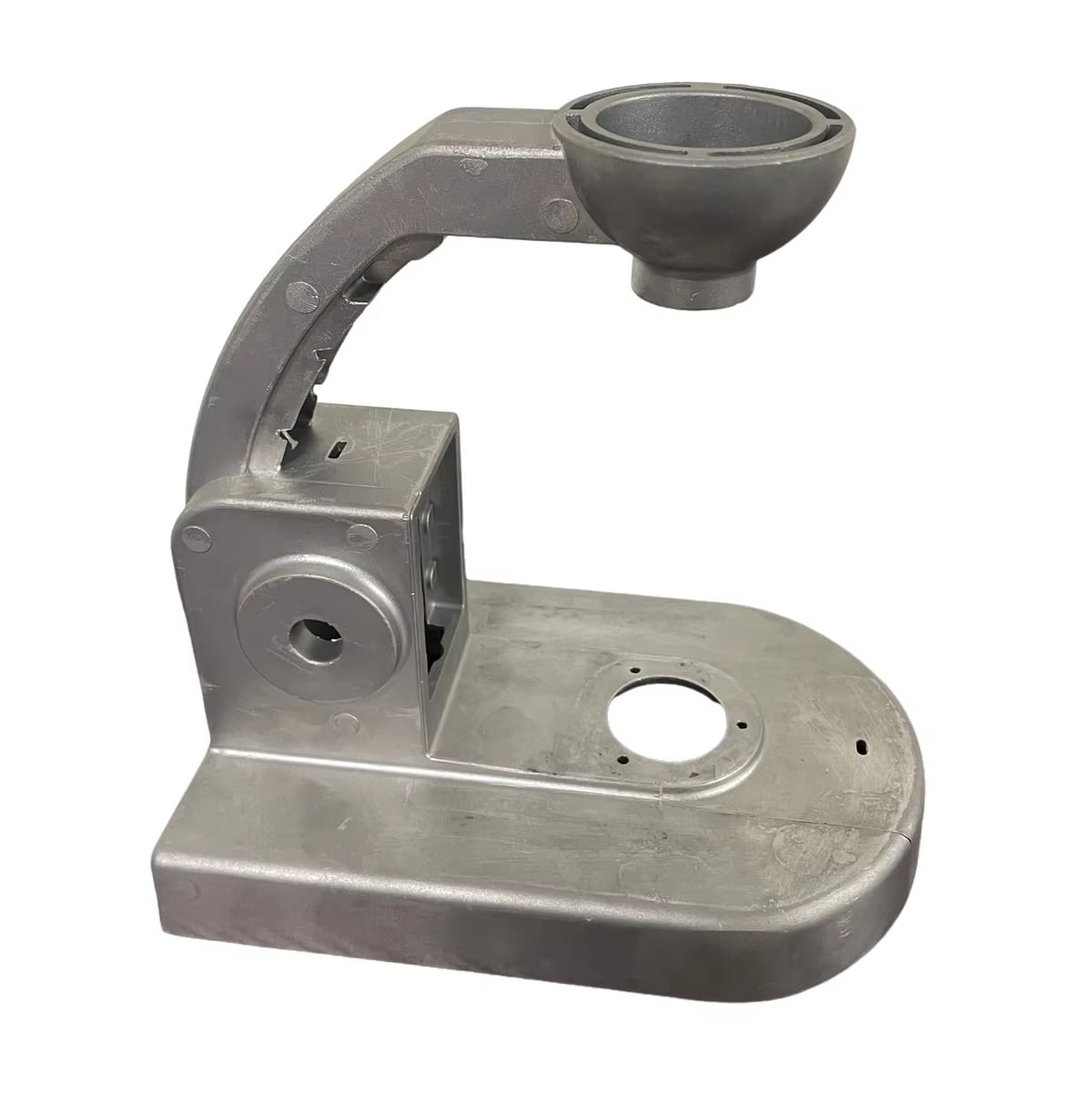
Original equipment manufacturer, or oem, support has become a critical competitive advantage for brands seeking rapid growth and differentiated product offerings. When businesses partner with oem suppliers, they gain access to specialized expertise, advanced manufacturing capabilities, and the flexibility to customize components that directly reflect their brand identity and market positioning. Understanding how oem support drives growth requires examining the strategic advantages, operational benefits, and long-term value that oem partnerships deliver across industries.
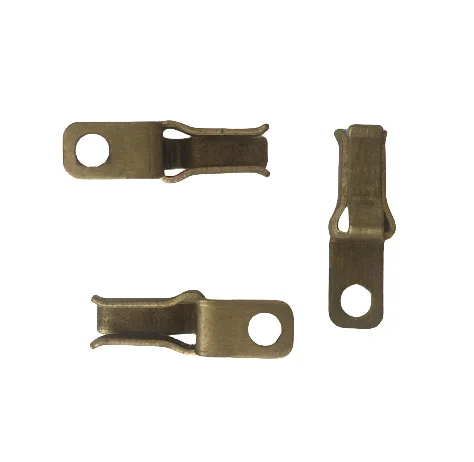
The oem model fundamentally transforms how brands approach product development and market expansion. Rather than investing heavily in proprietary manufacturing infrastructure, brands leverage oem partners to produce components and finished goods according to their exact specifications. This approach enables faster time-to-market, reduces capital expenditure, and allows brands to focus resources on core competencies such as marketing, distribution, and customer relationships. For companies looking to scale operations without building new factories or hiring specialized technical teams, oem support provides a scalable pathway to achieve ambitious growth targets.
Strategic Advantages of OEM Support for Brand Expansion
Accelerated Product Customization and Market Entry
Oem support enables brands to introduce customized products to market significantly faster than traditional manufacturing approaches. When a brand partners with an experienced oem provider, the oem team brings existing production capabilities, quality systems, and engineering expertise that compress development timelines. This speed advantage proves particularly valuable in competitive markets where first-mover advantage and rapid product iteration drive market share. Oem customization allows brands to differentiate their offerings without bearing the full burden of building manufacturing competency from scratch.
The oem support relationship transforms product customization into a collaborative process rather than a technical barrier. Brands define requirements, performance targets, and design preferences, while oem engineers optimize manufacturability, material selection, and production efficiency. This partnership model means oem teams actively contribute insights based on years of industry experience, helping brands avoid costly design mistakes and identify cost-saving opportunities. Whether customizing metals, plastics, electronics, or assemblies, oem support accelerates the path from concept to commercial production.
Cost Efficiency and Operational Flexibility
Oem support delivers substantial cost advantages by eliminating capital-intensive manufacturing investments and operational overhead. Brands avoid the expense of purchasing machinery, maintaining facilities, training production staff, and managing inventory across multiple locations. Instead, oem partnerships shift variable costs to efficient, high-volume producers who achieve economies of scale that individual brands cannot match independently. This cost structure improves profit margins while maintaining flexibility to scale production up or down based on market demand.
The financial flexibility provided by oem support enables brands to allocate capital toward higher-impact activities including research and development, market expansion, and customer acquisition. When an oem handles manufacturing complexity, brands reduce working capital tied up in inventory, tooling, and factory overhead. This financial efficiency becomes especially valuable during market downturns or when brands need to pivot product strategies quickly. Oem support transforms manufacturing from a fixed cost center into a variable cost function that adapts to business cycles.
Customization as a Competitive Differentiator
Tailored Product Design and Brand Identity
Oem customization allows brands to embed specific performance characteristics, aesthetic choices, and functional features that directly align with target customer expectations and brand positioning. Rather than selecting from limited off-the-shelf options, brands working with oem partners can specify material composition, dimensional tolerances, surface finishes, and assembly configurations that reflect brand quality standards. This level of customization transforms products from generic commodities into distinctive offerings that reinforce brand recognition and justify premium pricing in the market.
The oem support model extends customization beyond physical product attributes to include packaging design, labeling specifications, and integration with brand ecosystems. An experienced oem partner understands that customization encompasses the entire customer experience, not just component specifications. Brands can collaborate with oem teams to explore design innovations, test material alternatives, and optimize performance parameters before full-scale production. This collaborative oem customization process generates competitive advantages that resonate throughout the customer journey.
Scalable Product Portfolio Growth
Oem support enables brands to expand product portfolios efficiently by leveraging shared manufacturing infrastructure across multiple product lines. Rather than building separate factories for each product category, brands can work with oem partners who service diverse customers and maintain flexible production systems. This oem platform approach allows brands to introduce variations, updated versions, and entirely new product categories while managing risk and maintaining production efficiency. Portfolio expansion through oem partnerships requires significantly lower investment than building dedicated manufacturing capacity.
The oem customization capability proves invaluable when brands need to serve different market segments with tailored offerings. An automotive brand, for example, might partner with oem suppliers to produce premium components for high-end vehicles while simultaneously developing cost-optimized versions for mass-market segments. This oem flexibility allows brands to address diverse customer needs without duplicating manufacturing infrastructure. The result is a dynamic product portfolio that evolves with market opportunities while maintaining operational efficiency.
Building Long-Term Value Through OEM Partnerships
Quality Consistency and Regulatory Compliance
Oem support includes access to established quality systems, testing protocols, and compliance frameworks that ensure products meet regulatory requirements and customer specifications consistently. Professional oem providers maintain certifications such as ISO 9001, industry-specific standards, and customer-mandated quality levels that would require significant investment for brands to develop independently. This oem quality infrastructure protects brand reputation by ensuring every component meets performance standards and regulatory obligations across different markets and jurisdictions.
When brands partner with qualified oem suppliers, they inherit decades of accumulated expertise in materials engineering, manufacturing processes, and quality assurance. The oem team understands failure modes, identifies potential defects early, and implements preventive measures that reduce product recalls and warranty costs. This oem commitment to quality translates into stronger customer relationships, reduced liability exposure, and enhanced brand credibility in competitive markets where product reliability drives purchasing decisions.
Innovation and Continuous Improvement
Oem support catalyzes ongoing product innovation by providing access to emerging materials, advanced manufacturing technologies, and process improvements that develop through oem exposure to multiple customers and industries. Leading oem suppliers invest in research facilities, testing equipment, and technical talent that individual brands often cannot justify independently. This oem ecosystem generates innovations including new material compositions, more efficient production methods, and enhanced product capabilities that brands can rapidly incorporate into their offerings.
The collaborative oem relationship encourages continuous improvement cycles where brands and suppliers jointly identify opportunities to enhance performance, reduce costs, and improve manufacturability. Oem teams contribute recommendations based on production data, customer feedback, and industry trends that inform product development priorities. This oem innovation partnership creates a dynamic where both parties benefit from shared learning and continuous refinement. Over time, this collaborative oem engagement generates compounding advantages that strengthen brand position and market competitiveness.
FAQ
What specific advantages does oem support provide for startups entering new markets?
Oem support enables startups to enter markets rapidly without capital-intensive manufacturing investments. By partnering with established oem providers, startups access production capacity, quality systems, and technical expertise that would take years to develop internally. Oem customization allows startups to differentiate products through specific design features while maintaining cost competitiveness. This oem model lets startups focus limited resources on customer acquisition and market validation rather than factory operations.
How does oem support reduce time-to-market for new product launches?
Oem providers bring existing manufacturing infrastructure, established supply chains, and experienced engineering teams that compress development and production timelines significantly. When brands work with an oem partner, the oem team rapidly translates specifications into manufacturing processes using proven methods and equipment already operational. Oem customization moves forward in parallel with brand activities rather than sequentially, further accelerating market entry. This oem efficiency advantage proves critical in fast-moving industries where market windows open and close quickly.
What should brands consider when selecting an oem partner for long-term growth?
Brands should evaluate oem partners based on manufacturing capabilities, quality certifications, industry experience, and willingness to invest in customization collaboration. Assess whether the oem provider demonstrates technical depth in materials relevant to your products and maintains compliance with required regulatory standards. Consider the oem's capacity to scale production as your business grows and their flexibility to adapt processes as customer requirements evolve. Strong oem partnerships require cultural alignment, transparent communication, and mutual commitment to continuous improvement.