
 EN
EN



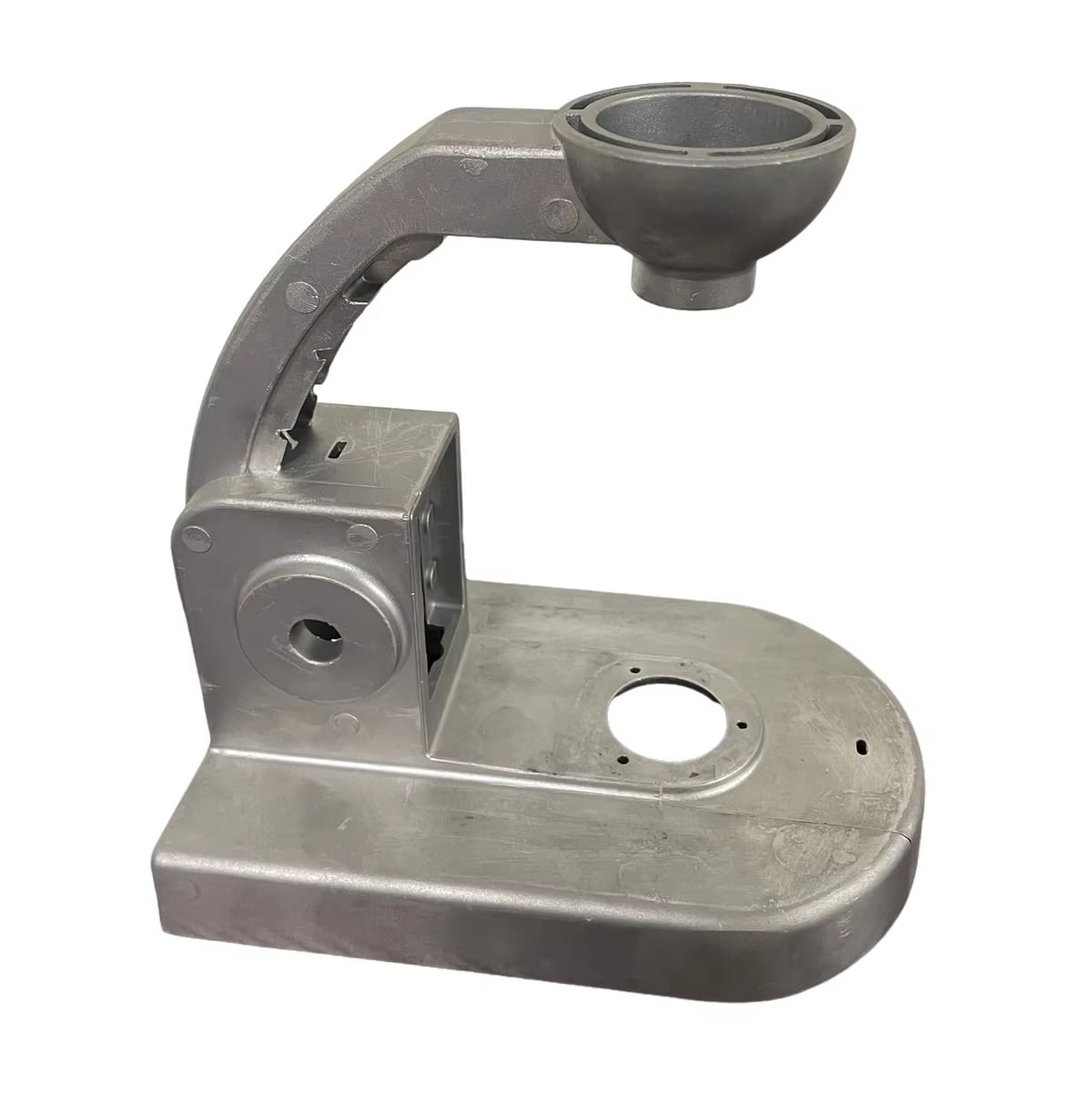
Modern industrial production demands excellence on multiple fronts. An OEM manufacturer today faces constant pressure to increase output while maintaining strict quality standards, reducing costs, and meeting tight delivery schedules. The question of whether an OEM manufacturer can genuinely improve production efficiency and quality is no longer hypothetical—it is a critical business imperative that separates market leaders from struggling competitors.
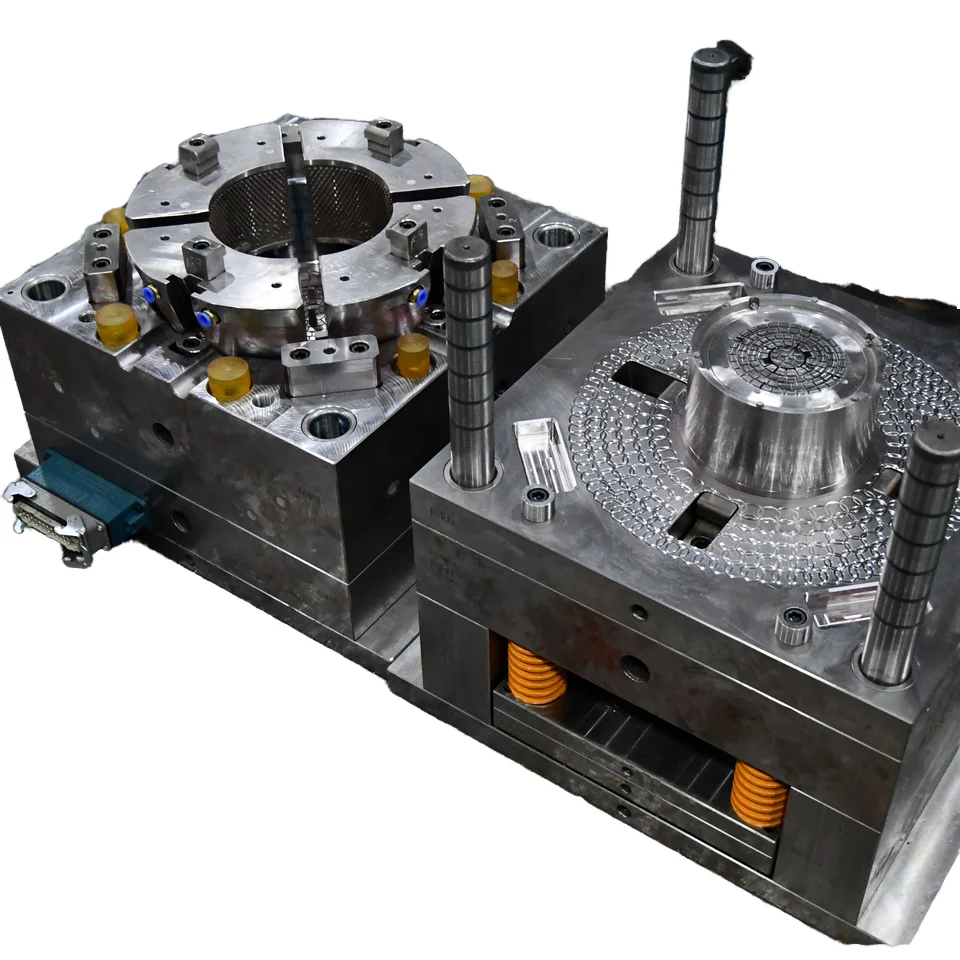
The answer is unequivocally yes. An OEM manufacturer can dramatically improve both production efficiency and quality through deliberate investment in process optimization, technology integration, workforce development, and systematic quality management. The path forward requires understanding what drives inefficiency, identifying where quality lapses occur, and implementing measurable solutions that align with business objectives and customer expectations.
Understanding Current Production Challenges for OEM Manufacturers
Root Causes of Inefficiency
Every OEM manufacturer encounters bottlenecks that limit throughput and increase operational costs. Common inefficiencies include outdated equipment that requires frequent maintenance, poorly optimized production workflows that create unnecessary wait times, manual processes that introduce human error, and inadequate material planning that leads to supply chain disruptions. An OEM manufacturer operating with legacy systems often experiences significant downtime, rework cycles, and quality rejects that cascade through the production pipeline.
The financial impact is substantial. When an OEM manufacturer wastes labor hours on redundant inspections, deals with high scrap rates, or operates with machines running below capacity, profitability erodes rapidly. These inefficiencies compound over time, making it increasingly difficult for an OEM manufacturer to compete with better-organized competitors who have already implemented systematic improvements.
Quality Control Gaps
Quality problems arise when an OEM manufacturer lacks rigorous control mechanisms at critical production stages. Inconsistent part dimensions, material defects that slip through initial screening, assembly errors, and insufficient traceability systems all undermine final product reliability. Many OEM manufacturer operations rely on reactive quality management, addressing defects only after they occur rather than preventing them from happening in the first place.
An OEM manufacturer without integrated quality systems cannot easily identify where failures originate or why certain batches perform differently. This lack of visibility prevents systematic root cause analysis and forces the organization into a continuous firefighting mode instead of strategic quality improvement.
Technology and Process Optimization Strategies
Automation and Smart Manufacturing Integration
An OEM manufacturer can unlock significant efficiency gains by introducing automation technologies strategically. Computer numerical control (CNC) machines, robotic assembly systems, and automated material handling reduce labor costs per unit, minimize human error, and enable consistent 24/7 production capacity. The integration of Industry 4.0 principles—real-time data monitoring, predictive maintenance, and machine connectivity—transforms how an OEM manufacturer operates.
When an OEM manufacturer implements IoT sensors on production equipment, maintenance teams shift from reactive repairs to predictive strategies, preventing costly breakdowns before they occur. Real-time production dashboards allow an OEM manufacturer to identify bottlenecks immediately and adjust workflows dynamically. This data-driven approach means an OEM manufacturer can measure the exact efficiency gains from each intervention.
Lean Manufacturing and Workflow Refinement
An OEM manufacturer practicing lean principles identifies and eliminates waste at every stage—excess inventory, unnecessary motion, defective output, and overproduction. Value stream mapping reveals where an OEM manufacturer loses time and resources, while standardized work procedures ensure every team member follows optimized processes. These methodologies have proven track records across automotive, electronics, appliance, and mechanical manufacturing sectors.
An OEM manufacturer that embraces continuous improvement culture encourages frontline workers to propose enhancements. Small incremental changes, when implemented systematically, yield compound efficiency gains. An OEM manufacturer seeing a 3–5% efficiency improvement monthly compounds into 40–60% annual gains when sustained consistently.
Quality Assurance and Measurement Systems
Advanced Inspection and Testing
An OEM manufacturer must invest in measurement technologies that verify product integrity before parts ship to customers. Coordinate measuring machines (CMMs), vision inspection systems, and non-destructive testing equipment catch dimensional errors, surface defects, and structural weaknesses that human inspection would miss. When an OEM manufacturer implements automated visual inspection systems on assembly lines, defect detection rates increase while costs per inspection decrease.
An OEM manufacturer using statistical process control (SPC) monitors production trends, adjusting processes before they drift out of specification. This preventive stance is fundamentally different from sorting defects after production. An OEM manufacturer collecting real-time quality data can trace problems to specific machines, material batches, or operator shifts, enabling targeted corrective action.
Traceability and Documentation
An OEM manufacturer serving automotive, medical, or aerospace customers must maintain complete traceability records linking finished products to raw materials, processing parameters, and inspection results. Digital manufacturing execution systems (MES) provide this transparency while simultaneously enabling an OEM manufacturer to comply with regulatory requirements. When an OEM manufacturer needs to recall or investigate a quality issue, comprehensive documentation reduces investigation time and limits customer impact.
An OEM manufacturer that implements material certifications, process parameters logging, and inspection result archiving builds confidence with customers and facilitates continuous improvement analysis. The data collected is invaluable—an OEM manufacturer reviewing historical trends can identify patterns that reveal systemic improvements or emerging problems requiring intervention.
Workforce Development and Operational Culture
Training and Skill Development
An OEM manufacturer's competitive advantage ultimately depends on the capability of its people. Production technicians skilled in operating modern equipment, quality inspectors trained in advanced measurement techniques, and maintenance teams capable of troubleshooting complex systems directly influence efficiency and quality outcomes. An OEM manufacturer investing in structured training programs sees measurable returns through reduced defects, faster problem resolution, and better equipment utilization.
An OEM manufacturer must also develop supervisory and engineering talent capable of leading continuous improvement initiatives, analyzing quality data, and implementing systemic changes. Cross-training employees ensures an OEM manufacturer maintains flexibility when production demands shift or staff turnover occurs.
Performance Metrics and Accountability
An OEM manufacturer that establishes clear, measurable performance indicators aligns organizational effort toward efficiency and quality goals. Key metrics include Overall Equipment Effectiveness (OEE), scrap rate, rework percentage, on-time delivery, and defects per million (DPM). An OEM manufacturer tracking these metrics by production line, shift, and department creates transparency and enables data-driven decision-making.
When an OEM manufacturer connects performance metrics to employee recognition programs and improvement incentives, the entire workforce becomes invested in success. An OEM manufacturer that regularly communicates improvement results to staff builds momentum and demonstrates that investments in better processes directly benefit the organization and individual employees.
FAQ
What specific technologies help an OEM manufacturer improve efficiency most?
Automation technologies like CNC machinery, robotic systems, and real-time monitoring platforms deliver the fastest efficiency improvements for an OEM manufacturer. However, the greatest gains come from combining technology with lean methodology and workforce engagement. An OEM manufacturer should prioritize technologies that address their specific bottlenecks rather than adopting every available option indiscriminately.
How long does it take for an OEM manufacturer to see measurable quality improvements?
An OEM manufacturer typically observes quality improvements within 3–6 months of implementing systematic inspection systems and process controls. However, sustained excellence requires ongoing commitment. An OEM manufacturer should expect defect rates to decrease by 20–40% in the first year of focused quality initiatives, with additional gains accumulating over subsequent years as the organization matures.
Can an OEM manufacturer improve efficiency without significant capital investment?
Absolutely. An OEM manufacturer can achieve substantial improvements through process optimization and workforce engagement before major capital expenditure. Workflow refinement, standardized work procedures, and preventive maintenance often yield 15–25% efficiency gains with minimal cost. An OEM manufacturer should pursue quick-win improvements first, then use the savings and operational insights to justify larger technology investments.