
 EN
EN



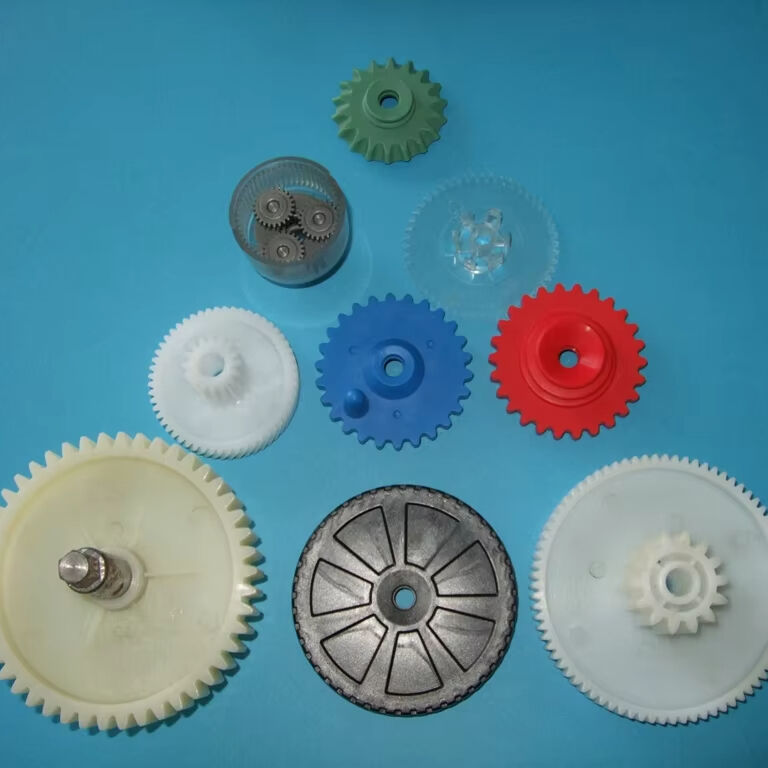
The Evolution of Sustainable Manufacturing Through Advanced Plastics
The manufacturing industry stands at a critical crossroads where environmental responsibility meets industrial innovation. Sustainable plastic manufacturing has emerged as a transformative force in modern production processes, challenging traditional perceptions about plastic's environmental impact. As industries worldwide seek to reduce their carbon footprint, innovative plastic solutions are proving instrumental in achieving sustainability goals while maintaining operational efficiency.
Today's manufacturing landscape is witnessing a remarkable shift as companies integrate sustainable plastic manufacturing practices into their core operations. This transformation isn't just about using recycled materials – it encompasses the entire production lifecycle, from design and processing to end-of-life management. The result is a new paradigm where plastic products actually contribute to environmental preservation rather than detract from it.
Revolutionizing Production Processes with Sustainable Plastics
Advanced Material Technologies
Modern sustainable plastic manufacturing incorporates cutting-edge materials that significantly reduce environmental impact. Bio-based polymers, recycled composites, and biodegradable plastics are revolutionizing production lines. These materials require less energy to process, generate fewer emissions, and maintain the durability and performance characteristics that industries demand.
Engineers have developed innovative plastic formulations that incorporate natural fibers, reducing dependency on virgin materials while enhancing product properties. These hybrid materials often outperform traditional options in terms of strength-to-weight ratio and thermal stability, while simultaneously decreasing the carbon footprint of manufacturing operations.
Resource Optimization Through Smart Design
Sustainable plastic manufacturing practices emphasize intelligent design principles that maximize resource efficiency. Computer-aided design tools enable manufacturers to optimize material usage, reducing waste while maintaining structural integrity. This approach not only conserves raw materials but also minimizes energy consumption during production.
Advanced modeling techniques allow manufacturers to simulate product performance before production begins, ensuring optimal material distribution and reducing the need for multiple prototyping cycles. This precision in design and manufacturing contributes to significant reductions in material waste and energy consumption.

Environmental Benefits of Modern Plastic Manufacturing
Carbon Footprint Reduction
Contrary to common perception, sustainable plastic manufacturing can lead to substantial decreases in carbon emissions. Lightweight plastic components reduce transportation costs and fuel consumption across the supply chain. Additionally, modern processing techniques require less energy than traditional manufacturing methods, further lowering the overall carbon footprint.
Manufacturing facilities implementing sustainable plastic production systems often report significant reductions in greenhouse gas emissions. These improvements come from both optimized production processes and the inherent benefits of using advanced plastic materials that require lower processing temperatures and pressures.
Waste Minimization Strategies
Today's sustainable plastic manufacturing incorporates closed-loop systems that virtually eliminate production waste. Scrap material is immediately reprocessed and reintegrated into the production cycle, while advanced sorting technologies ensure maximum material recovery. These practices not only reduce environmental impact but also improve operational efficiency and cost-effectiveness.
Manufacturing facilities are increasingly adopting zero-waste initiatives, where every piece of plastic scrap is either reused, recycled, or repurposed. This comprehensive approach to waste management represents a significant step forward in sustainable manufacturing practices.
Economic Advantages of Sustainable Plastic Solutions
Cost Efficiency and Market Competitiveness
Sustainable plastic manufacturing offers compelling economic benefits that extend beyond environmental considerations. Reduced material waste, lower energy consumption, and streamlined production processes contribute to significant cost savings. These efficiencies enable manufacturers to maintain competitive pricing while meeting increasing demand for environmentally responsible products.
Companies implementing sustainable plastic manufacturing practices often experience improved profit margins through reduced operational costs and access to premium market segments. The growing consumer preference for sustainable products creates opportunities for manufacturers to command higher prices while building brand value.
Long-term Business Sustainability
Investing in sustainable plastic manufacturing positions companies for long-term success in an increasingly environmentally conscious market. As regulations around environmental impact become stricter, manufacturers who have already adopted sustainable practices gain a significant competitive advantage. This proactive approach helps ensure business continuity and market leadership.
The adoption of sustainable plastic manufacturing practices also attracts environmentally conscious investors and partners, opening new opportunities for growth and collaboration. This alignment with global sustainability trends supports long-term business viability and market expansion.
Future Prospects and Innovations
Emerging Technologies
The future of sustainable plastic manufacturing holds exciting possibilities with emerging technologies like artificial intelligence-driven production optimization and advanced recycling processes. These innovations promise to further reduce environmental impact while improving product quality and manufacturing efficiency.
Research into new sustainable materials and processing methods continues to yield promising results, suggesting that the potential for environmental improvements in plastic manufacturing is far from fully realized. Industry leaders are investing heavily in research and development to stay ahead of these technological advances.
Industry Transformation
The manufacturing sector is undergoing a fundamental transformation as sustainable plastic manufacturing becomes increasingly central to operations. This shift is driving innovation across the industry, from material science to production processes and waste management systems.
Forward-thinking manufacturers are already preparing for a future where sustainability is not just an advantage but a requirement. This preparation involves significant investments in technology, training, and infrastructure to support sustainable plastic manufacturing practices.
Frequently Asked Questions
How does sustainable plastic manufacturing impact product quality?
Sustainable plastic manufacturing often enhances product quality through advanced materials and precise production processes. Modern sustainable plastics can match or exceed the performance characteristics of traditional materials while offering improved environmental benefits.
What are the initial costs of implementing sustainable plastic manufacturing?
While initial investments in sustainable plastic manufacturing technology and processes may be significant, the long-term cost savings from improved efficiency, reduced waste, and lower energy consumption typically provide a strong return on investment within 2-3 years.
How can manufacturers verify the sustainability of their plastic production processes?
Manufacturers can verify their sustainability through third-party certifications, life cycle assessments, and regular environmental audits. Many industry standards and certification programs exist to help companies measure and validate their sustainable manufacturing practices.